

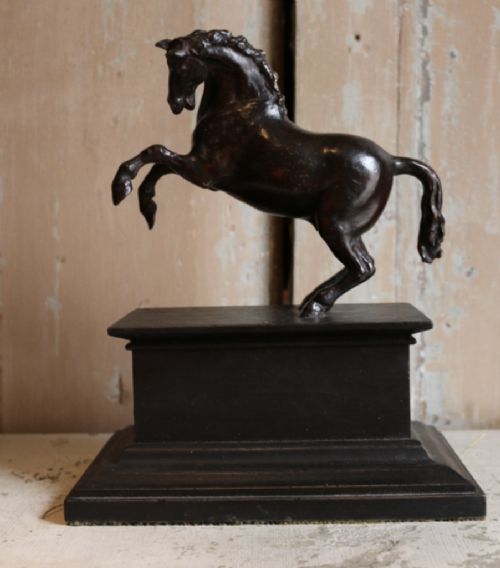


Vintage Metal Art Figure
These vintage metal art figure pieces combine sculptural form with industrial materials, offering collectors striking decorative statements from the early twentieth century.
Vintage Metal Art Figure
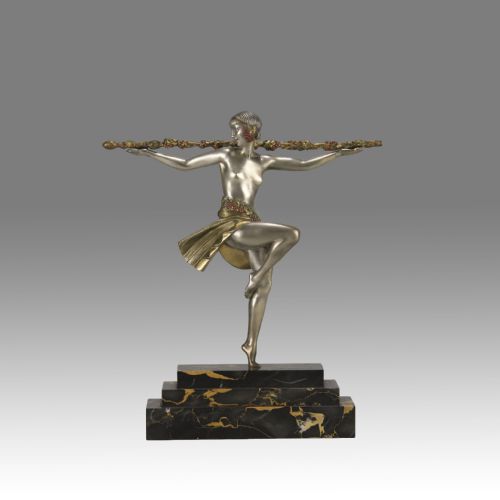
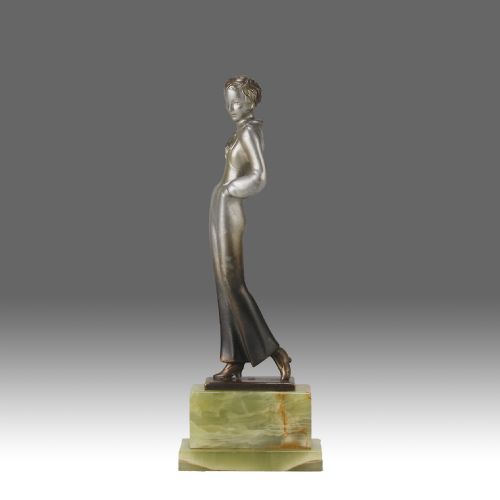
A vintage metal art figure encompasses diverse sculptural objects created primarily during the early twentieth century, spanning from the Edwardian era through the Art Deco period. Buyers searching this phrase look for three-dimensional representations of human dancers, animals, and mythological subjects integrated into functional or decorative items. The most common examples encountered on this page originate from the nineteen-twenties and nineteen-thirties, reflecting distinct modernist aesthetics.
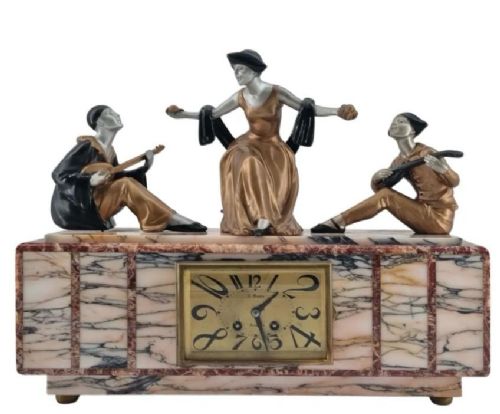
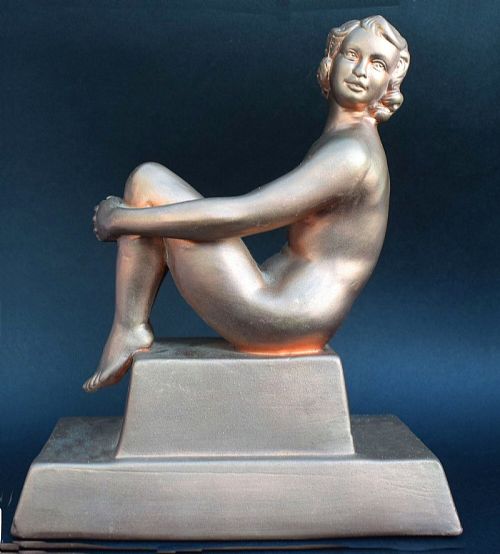
Makers produced these works in varied formats, ranging from freestanding sculptures and statuettes to mantel clocks, bookends, and table lamps. Art Deco styling dominates the selection, frequently pairing stylized human figures or wildlife with geometric bases. Alongside European foundry work, the listings incorporate folk art pieces, balance toys, and West African cast objects, creating a broad spectrum of sculptural forms.
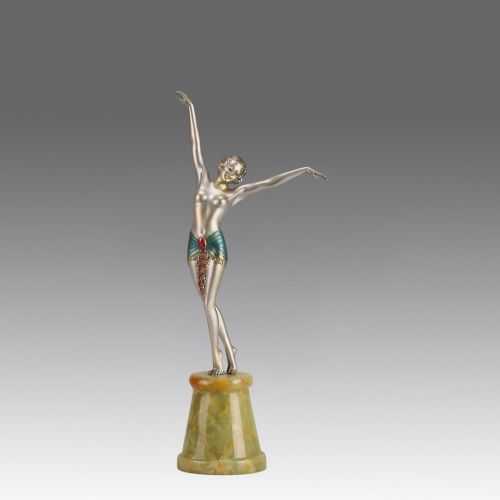
The material composition of a vintage metal art figure dictates much of its visual character, utilising both precious bronze and accessible substitutes like spelter. Many pieces combine metal components with carved marble, onyx, or alabaster bases to provide structural stability and visual contrast. Scale varies from intimate desk ornaments to substantial room centrepieces.
Materials and construction methods
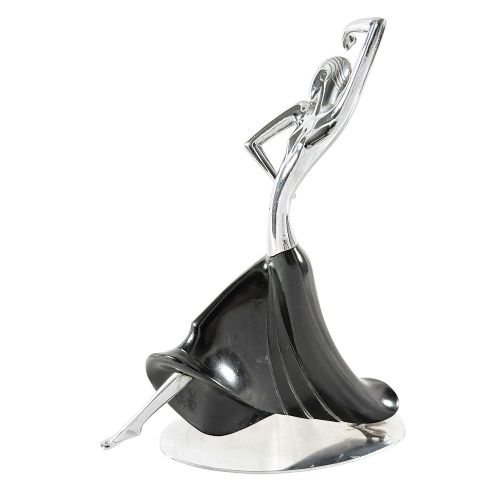
Foundries utilised traditional casting techniques to produce these figures, employing hot-cast bronze for high-end commissions and zinc-based spelter for commercial production. Cold-painted finishes applied over bronze or metal provided vivid surface colour, frequently enhanced with silver plating, chrome, or enamel panels. Artisans also integrated carved stone elements, mounting metal figures directly onto marble or onyx plinths.
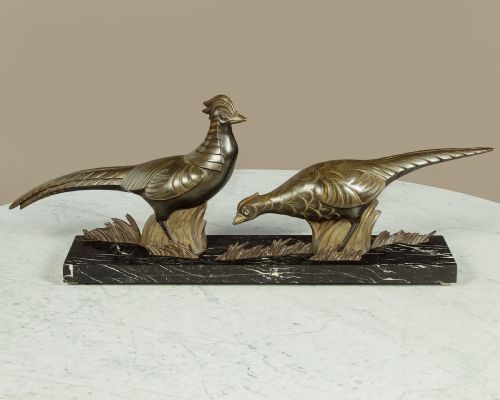
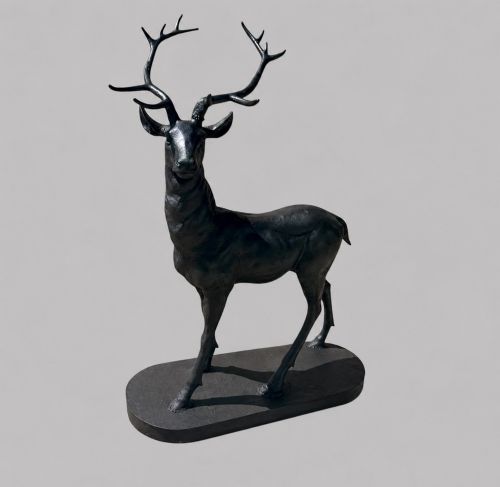
Surface patination required careful chemical treatment to achieve darkened, aged, or gleaming metallic finishes across both animalier subjects and human forms. Folk art and utilitarian metalwork relied on simpler fabrication methods, including sheet metal cutting, riveting, and hand painting, as seen on weathervanes and balance toys.
An owl bird scarer stands ready alongside elegant dancers and cast-iron balance toys, proving early twentieth-century metalwork took both art and farmyard utility in its stride.
Distinguishing quality in metal figures
Signature placement and foundry marks differentiate commercial output from artistic studio pieces attributed to known designers. A well-preserved patina untouched by inappropriate cleaning retains the intended aesthetic of the period, whereas heavy wear or over-painting diminishes the integrity of the design.
Pierre le Faguays·Josef Lorenzl·Sega·Marion Willis Stanfield
The Vintage Metal Art Figure Glossary
- Spelter
- A zinc alloy commonly utilised as a less expensive alternative to bronze for decorative figures and bookends during the early twentieth century. It accepts metallic paints and patinas readily.
- Cold-painted
- A technique where enamel or oil paint is applied to metal objects without subsequent firing in a kiln. This finish is susceptible to flaking if handled improperly.
- Animalier
- A nineteenth and twentieth century artistic focus on the realistic portrayal of animals. Sculptures in this style capture wildlife in dynamic motion or repose.
- Patina
- The surface sheen or colour acquired by metal through age, oxidation, or chemical treatment by the maker. Original patinas are valued for authenticity.
- Chasing
- The manual refinement of a raw metal casting using small punches and hammers to sharpen details. Superior figures exhibit extensive hand-chasing before finishing.
Vintage Metal Art Figure: Frequently Asked Questions
What is a vintage metal art figure?
A vintage metal art figure is a decorative sculptural object cast or fabricated from materials like bronze, spelter, or pewter, usually dating from the early twentieth century. These pieces capture human or animal forms within artistic movements such as Art Deco and Arts and Crafts.
They function as standalone sculptures, bookends, lamp bases, or clock components, combining utilitarian design with period craftsmanship.
How do I care for cold-painted bronze?
Cold-painted bronze requires gentle dusting with a soft, dry brush to preserve the delicate pigment layers applied by the original maker. Avoid using liquid cleaners, polishes, or abrasive cloths that can strip the painted surface.
Keep these figures away from direct sunlight and high humidity to prevent paint flaking and metal oxidation over time.
How can I tell spelter from bronze?
Spelter is a lighter, softer zinc alloy that often shows a greyish white metal beneath worn painted areas, whereas bronze reveals a warm golden brown or reddish tone. Bronze also possesses greater weight and rigidity compared to spelter.
Examination of the underside or hidden areas can reveal the characteristic granular structure of a spelter casting versus the denser composition of true bronze.
Where were these metal figures displayed?
Original owners placed these figures on mantelpieces, desks, and side tables as focal points within domestic interiors. Functional variants like bookends and table lamps integrated art directly into the library or drawing room.
Public buildings and fairgrounds also utilised larger metal figures, weathervanes, and architectural elements for exterior display.