




Silver Female Figure Sculpture
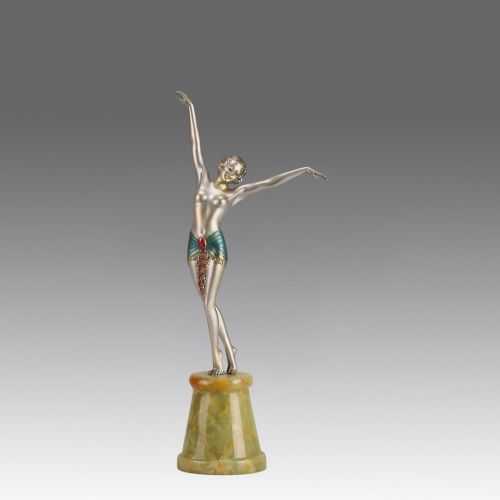
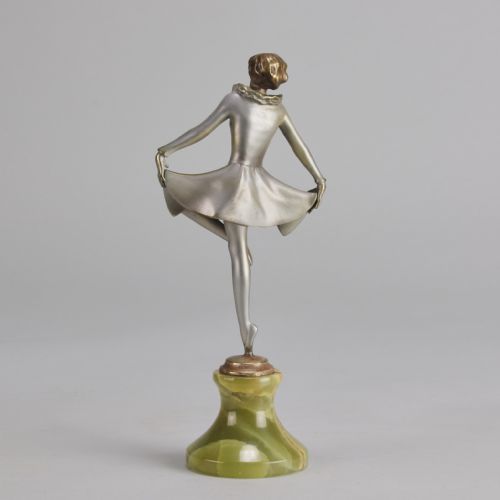
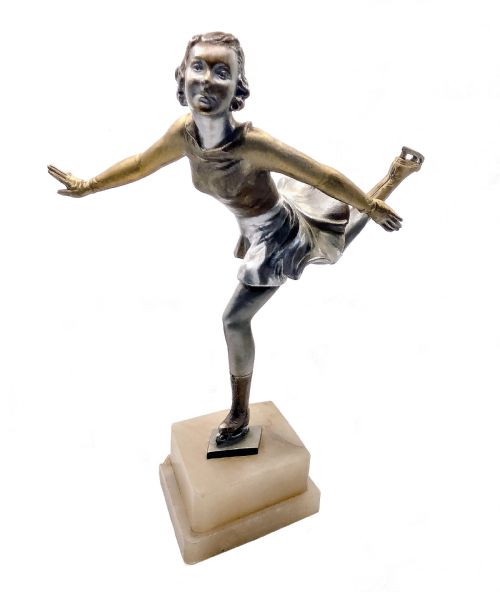
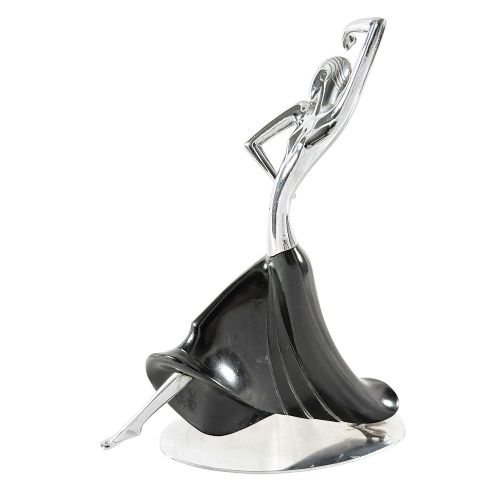
These silver female figure sculpture examples bring striking Art Deco and Art Nouveau movement into a room.
Silver Female Figure Sculpture
A silver female figure sculpture represents women through dynamic dance, poise, and classical themes typical of the early twentieth century. When exploring this search phrase, buyers encounter pieces capturing female dancers, maidens, and allegorical subjects in energetic poses.
The objects recorded here span the periods 1890, 1920, and 1930, capturing the shift from late nineteenth-century ornamentation toward streamlined modernist forms. Most items take the form of tabletop sculptures, figurines, and occasional figural lamps.
Art Deco and Art Nouveau styling dominates the selection, translated through French and Austrian studio output. Figures frequently balance upon integral bases made of contrasting stone or metal.
Materials and methods
Many sculptures incorporate weighty plinths of onyx or marble to anchor the slender metal figures and provide structural balance. Chrome plate and painted metal variations also appear among the twentieth-century pieces.
Several ladies balance gracefully on stone bases while dressed in trousers, capturing the daring fashion shifts of the 1930s.
Distinguishing quality
Quality rests upon the crispness of the casting and the fidelity of the chased surface detail, which separates master foundry production from commercial output. Sculptures retaining their original cold-painted surfaces or uniform silvering display greater integrity.
The relationship between the metal figure and its stone base indicates overall standard, where tighter joints and well-chosen marble or onyx veins elevate the piece. Signed works associated with known modellers demonstrate superior artistic execution.
Pierre le Faguays·Ferdinand Preiss·Josef Lorenzl·Claire Jeanne Roberte Colinet·Demetre Chiparus·Paul Joris·Geo Maxim·Auguste Moreau
The Silver Female Figure Sculpture Glossary
- Cold-painted bronze
- A technique where paint is applied to a bronze casting without subsequent firing, often showing deliberate wear on older surfaces.
- Spelter
- A zinc-based alloy utilised as an economical alternative to bronze for casting decorative figures during the early twentieth century.
- Silvered bronze
- Bronze treated with a silver coating to impart a bright metallic finish that reflects light across the contours of the sculpture.
- Art Deco
- A design style prevalent in the 1920s and 1930s characterised by stylised geometric forms, streamlined silhouettes, and themes of modern movement.
- Art Nouveau
- An earlier decorative style defined by flowing, organic lines inspired by natural plant and floral motifs.
Silver Female Figure Sculpture: Frequently Asked Questions
How do I clean a silvered bronze sculpture?
Dust the surface gently with a soft, dry brush to prevent accumulation in recessed crevices. Avoid liquid polishes that might strip silver plating or damage cold-painted details.
Keep pieces away from direct sunlight and moisture to preserve the underlying metal and surface pigments.
What is the difference between bronze and spelter?
Bronze is a robust copper alloy capable of holding exceptionally sharp casting details and patination over decades. Spelter is a softer zinc alloy that feels lighter and requires careful handling to prevent fractures.
Examination of the underside or unpainted interior surfaces usually reveals the base metal colour.
Why are marble bases used on these figures?
Marble and onyx bases provide necessary weight and stability for slender, dynamic figures caught in motion. They also frame the sculpture visually, creating a distinct boundary between the artwork and the furniture.
Natural stone variations ensure each base possesses unique grain patterns.
How can I tell a 1920s piece from 1890?
Pieces from the 1890s typically exhibit flowing Art Nouveau curves and heavier figural lamp designs. Works from the 1920s and 1930s favour geometric Art Deco lines, stylised dancer poses, and sleek metallic finishes.
Signatures and foundry marks often align with the stylistic shifts of each decade.