





1930s Art Deco Statue
A 1930s art deco statue captures the energetic spirit of the interwar period through stylised figures and sleek materials.
1930s Art Deco Statue
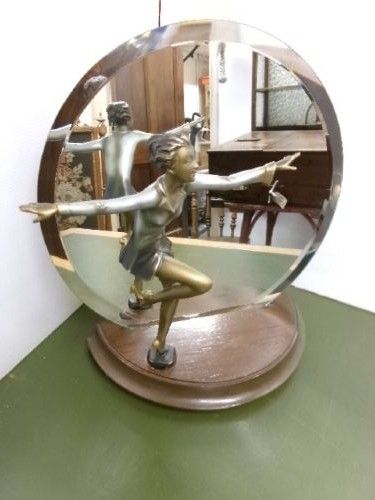
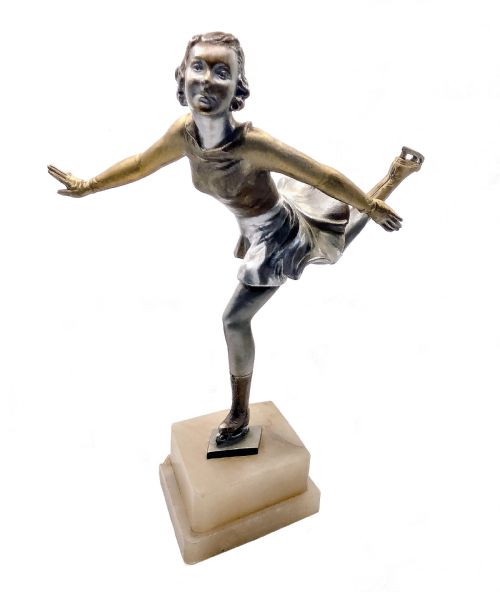
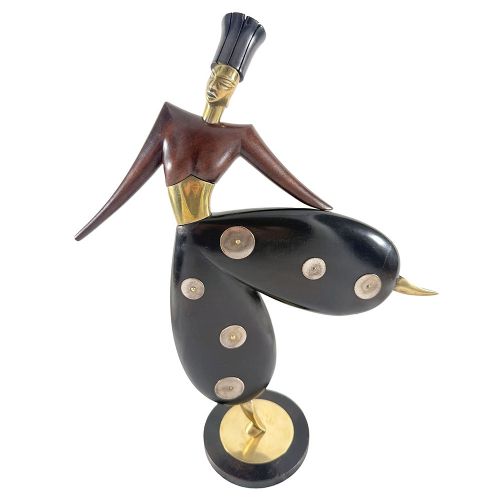
A 1930s art deco statue embodies the distinct aesthetic of the interwar period, capturing movement and modernity through human figures, animals, and functional objects like bookends and lamps. These pieces reflect the design priorities of the era, focusing on streamlined shapes and dynamic poses.
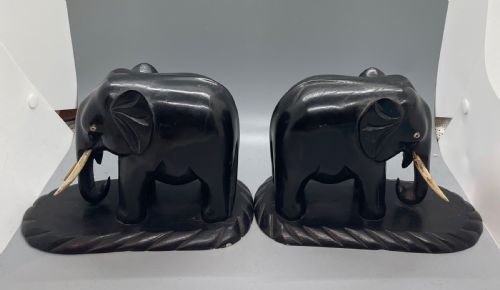
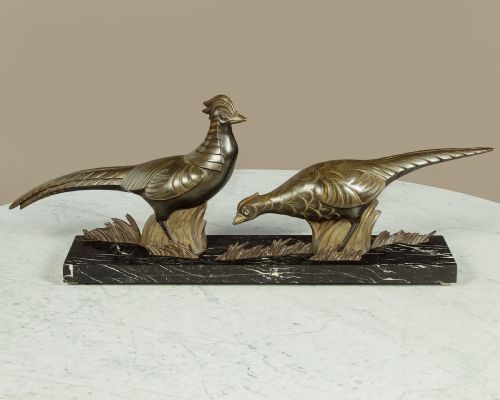
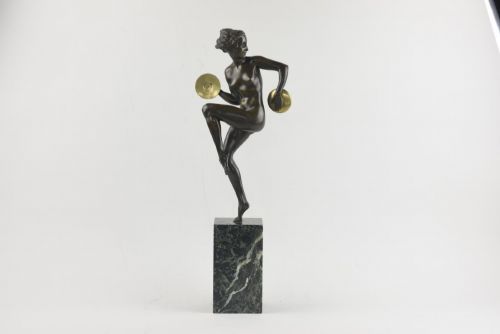
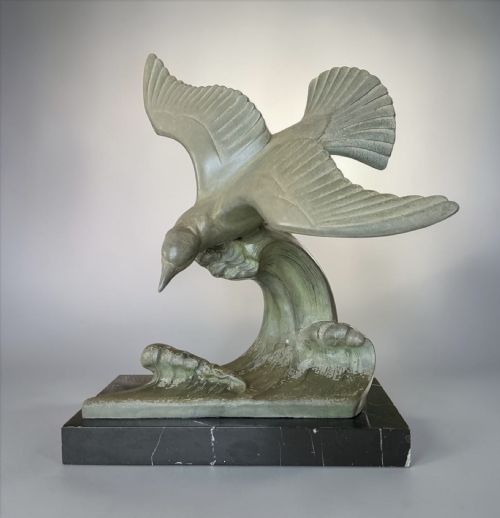
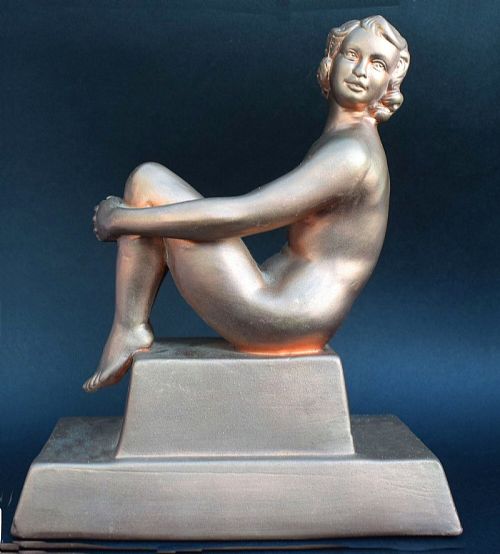
The selections available here range from French bronze dancers to spelter figurines, carved wooden animals, and ceramic figures originating from Britain, France, Germany, and Indonesia. Such diversity shows how widely the style spread, adopting local materials and regional subjects while retaining its core geometric elegance.
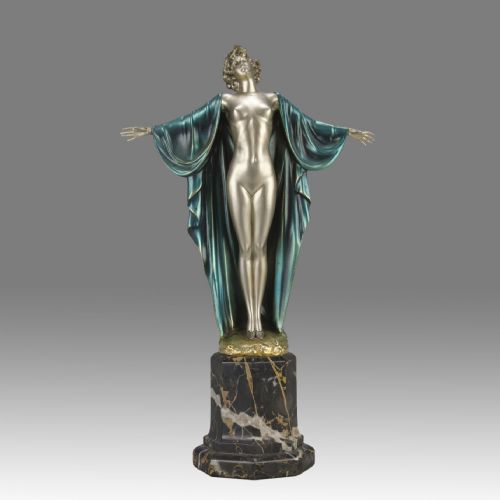
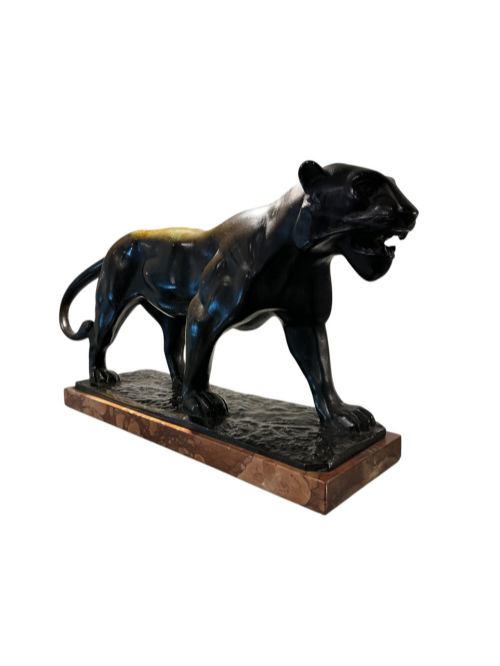
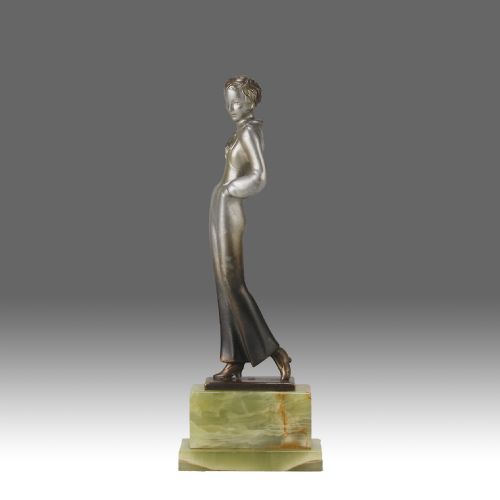
Human dancers, athletes, and fauna dominate the forms encountered in this inventory, often mounted directly onto contrasting marble or onyx bases. Buyers searching this phrase typically encounter female nudes, dancers in motion, and stylised wild animals including panthers, elephants, and deer.
Materials and construction
Foundry work in bronze and spelter forms the structural core of many figures, frequently finished with cold painting, silvering, or patinated metal surfaces. Spelter served as a more accessible metallic alternative to bronze, allowing intricate casting of dancers and animals.
Natural stone plinths in marble and onyx provide heavy, stable foundations for metallic and ceramic sculptures. These bases anchor the composition, contrasting polished stone with the matte or metallic finishes of the figures above.
Carved wood, glass, and glazed ceramics introduce organic warmth and colour to the medium, seen in wooden animal sculptures and green or maroon ceramic dresses. Artisans combined these elements with brass and chrome plate to achieve the contrasting textures characteristic of the period.
Materials documented across the inventory include marble, bronze, spelter, onyx, wood, patinated metal, glass, and ceramic glaze.
Assessing quality
The integration between the sculpture and its mounting stone establishes the harmony of the piece. High-grade works utilise substantial, well-fitted marble or onyx bases that complement the proportions of the bronze, spelter, or ceramic subject above.
Ferdinand Preiss·Josef Lorenzl·Aurore Onu·Sibylle May·Eugene Emile Borga·P. Sega·L. Gerfaux·Rene Andre Varnier
The 1930s Art Deco Statue Glossary
- Spelter
- A zinc alloy commonly utilised as an affordable substitute for bronze in decorative figures. It accepts patination and metallic paint finishes well, though it is softer than bronze.
- Patinated metal
- Metal treated with chemicals or heat to produce a specific surface colour and finish. This process protects the underlying material while enhancing visual depth.
- Bookends
- Pair-matched heavy objects designed to support upright rows of books on a shelf or desk. In this period, they frequently took the form of animals or stylised figures.
- Cold painted
- A method of applying non-fired paint to a metal surface after casting. This technique allowed makers to introduce vibrant colours to bronze and spelter sculptures.
1930s Art Deco Statue: Frequently Asked Questions
What materials are used in these statues?
Sculptures from this period utilise a wide range of materials, most notably bronze, spelter, carved wood, and glazed ceramics. Many figures incorporate cold painted finishes, silvering, or patinated metal surfaces.
Heavier elements like marble and onyx frequently appear as integral base supports for metal and ceramic figures. Glass and brass components also feature in specific decorative lamp and figurine designs.
Where were these pieces made?
France and Germany emerge as primary centres of production for these decorative works, alongside contributions from British studios. Certain pieces also reflect international influences, including Balinese art deco styles from Indonesia.
European foundries and studios produced the majority of the bronze, spelter, and ceramic works recorded here. Export and regional production ensured the style reached diverse markets.
How do I display a statue?
Most of these figures feature heavy marble, onyx, or wooden bases designed to stand securely on flat surfaces without additional mounting. They suit placement on mantelpieces, desks, or dedicated display tables where adequate lighting highlights their contours.
Bookends require placement at the ends of sturdy shelving to support volumes effectively while displaying the sculptural form. Lamps need stable placement near power sources to illuminate the surrounding space safely.
How do I identify the period?
Stylistic indicators include geometric streamlining, stylised anatomical forms, and characteristic motifs like dancers, athletes, and sleek animals. The reliance on materials such as chrome plate, onyx, and patinated spelter points directly to twentieth-century manufacturing techniques.
Signatures from known makers or foundry marks inscribed on the bases or bodies offer definitive chronological markers. The convergence of these aesthetic choices securely places the works within the interwar era.