



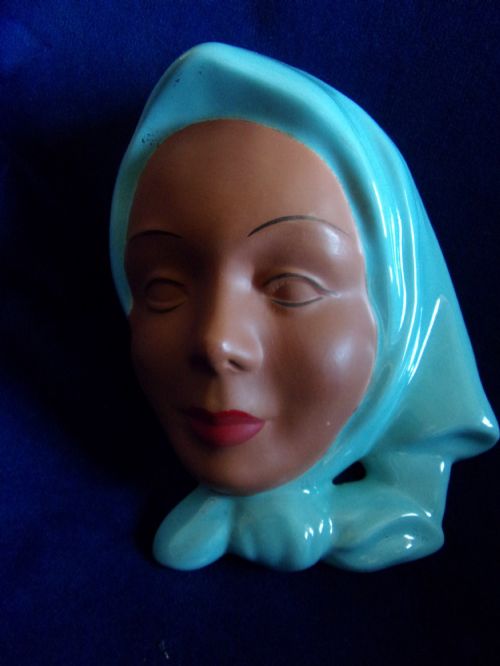


Austrian Art Deco Sculpture
These austrian art deco sculpture pieces bring the sleek dynamism of the interwar years straight into your home.
What these pieces are
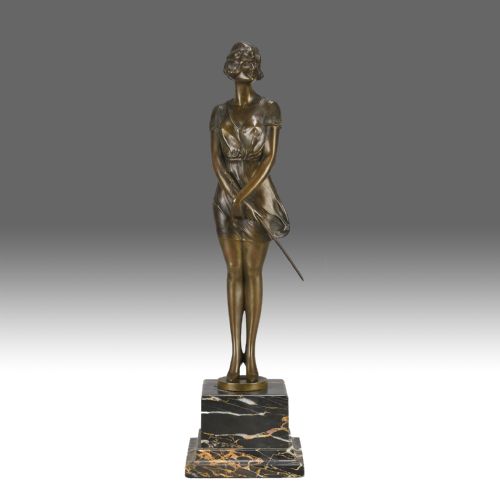
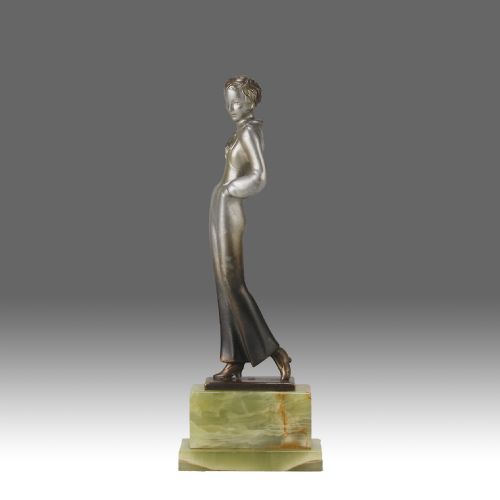
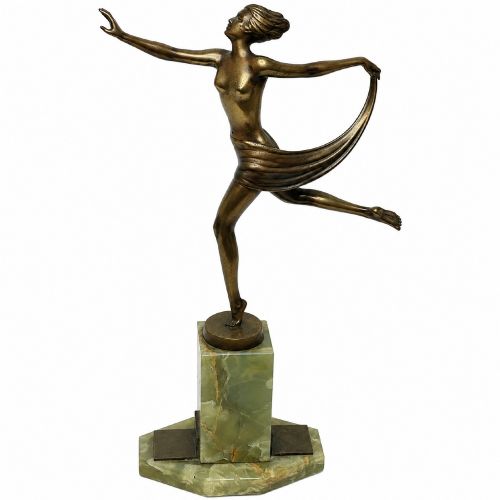
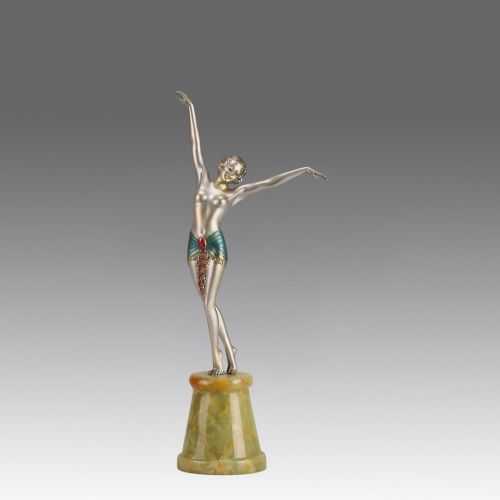
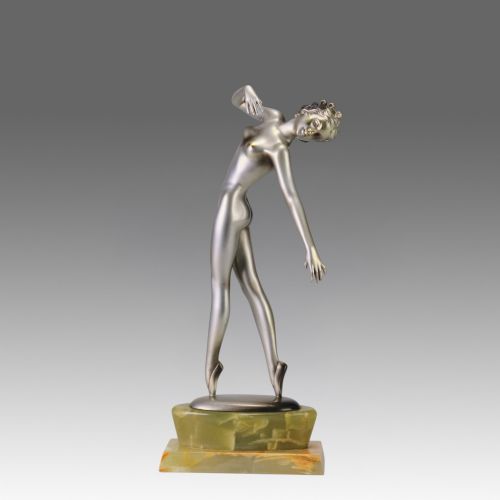
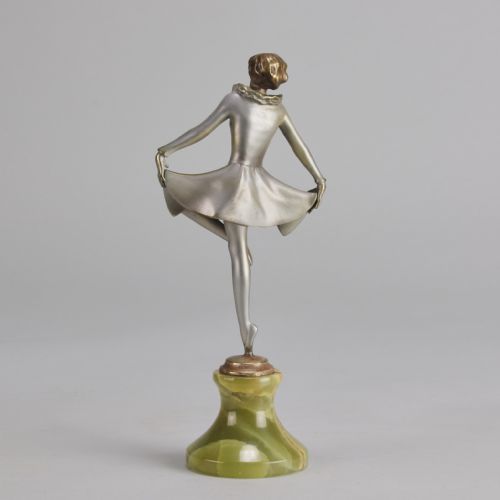
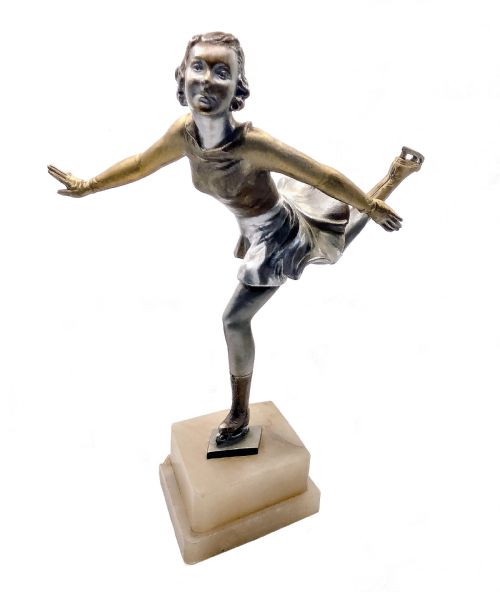
When you search for austrian art deco sculpture, you are looking at figures and figurines that capture the energetic spirit of the nineteen-twenties and nineteen-thirties. The pieces appearing here comprise dancers, skaters, musicians, and athletic studies produced during this design movement.
You are most likely to meet works depicting human figures, notably ballerinas and ice skaters, rendered in distinct stylistic poses. These forms embody the modernism and movement characteristic of the period between nineteen-twenty and nineteen-thirty.
How they were made
The makers utilised metals such as bronze and spelter to cast the primary figures. These metal bodies often received cold-painted finishes or gilding to add surface colour and detail.
The heavy bases employ natural stones like onyx and marble, anchoring the metallic figures securely. This combination of cast metal and stone plinths defines the physical construction of these works.
Retail Price Guide 2026
Typical UK retail prices for austrian art deco sculpture, calculated from the Sellingantiques database of over a million retail prices indexed since 2003. This retail price guide relies exclusively on Sellingantiques data; no external sources or auction records are used, so the figures do not describe the wider market.
The site's listings feature pieces from nineteen-twenty and nineteen-thirty utilising onyx, bronze, spelter, cold paint, and marble.
What varies in quality
The distinction between tiers rests upon the choice of base materials and the complexity of the casting. Heavier stones and finely cast metal surfaces separate the more ambitious works from standard production pieces.
Josef Lorenzl
The Austrian Art Deco Sculpture Glossary
- Spelter
- A zinc alloy commonly utilised as a cost-effective alternative to bronze in figure casting. It takes detailed moulds well before receiving a painted or metallic finish.
- Cold-painted
- A technique where oil or enamel paint is applied to metal without high-temperature firing. This method allows for delicate polychrome surfaces on bronze and spelter figures.
- Onyx
- A banded variety of chalcedony used frequently for the heavy plinths supporting art deco figures. Its natural striations provide a decorative base for the sculpture.
- Gilt bronze
- Bronze metal treated with a thin layer of gold applied to the surface. This finish gives the metal a bright, lustrous golden appearance.
Frequently Asked Questions
Who made these sculptures?
The available evidence centres on works attributed to the maker Josef Lorenzl.
His figures define the selection currently presented on this page.
What materials are used?
The pieces combine cast metals like bronze and spelter with stone bases.
Onyx and marble frequently appear as heavy plinths supporting the figures.
How should I display them?
Place them on sturdy surfaces that complement the heavy stone bases.
Keep them away from direct moisture to protect the cold-painted and gilt surfaces.
What periods do they represent?
The inventory spans the nineteen-twenties and nineteen-thirty periods.
These dates align with the height of the art deco movement.