




Onyx Base Figurine
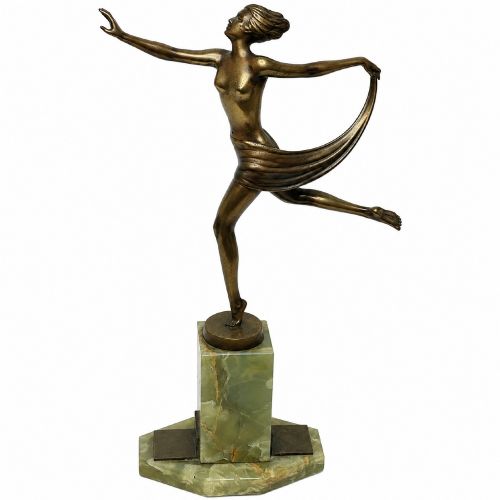
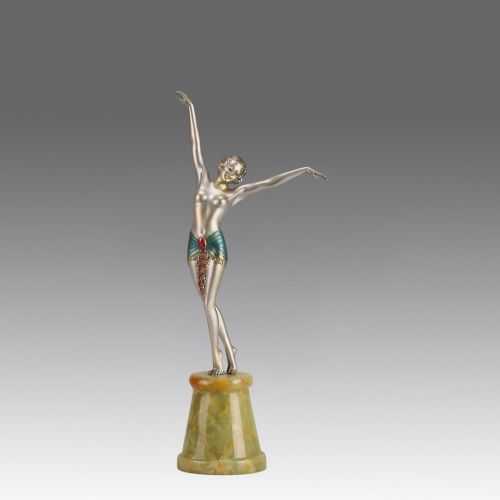
An onyx base figurine brings together a metal sculptural figure and a polished stone plinth, most notably from the Art Deco period.
Onyx Base Figurine
When you search for an onyx base figurine, you encounter sculptural works that combine cast metal figures with stone supports. These pieces primarily date from the early twentieth century, spanning periods such as 1850, 1880, 1900, 1920, and 1930.
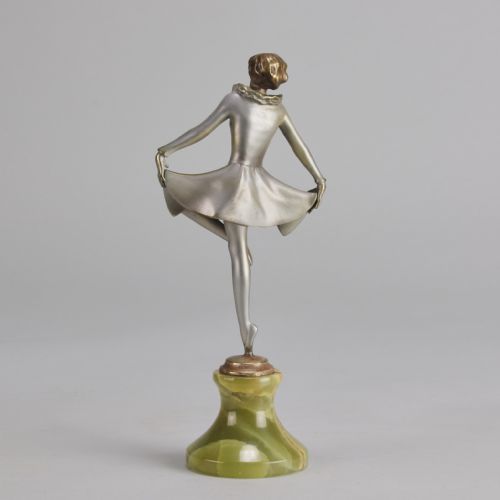
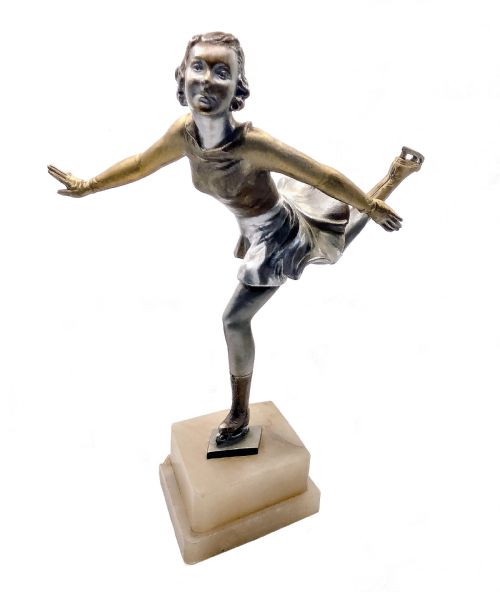
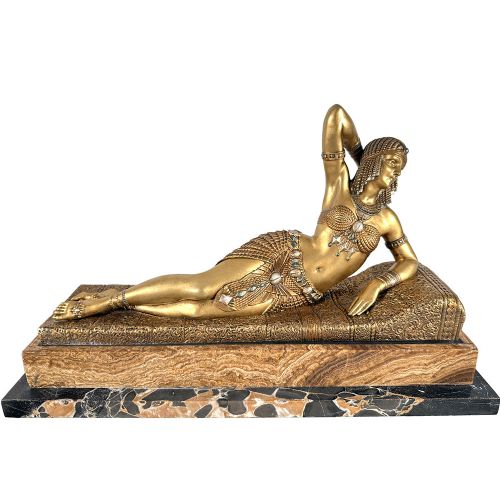
The selections on this page heavily favour Art Deco and Animalier styles, alongside Art Nouveau and Early 20th Century aesthetics. Common forms include dancers, nudes, animal studies, and table lighters mounted firmly on stone plinths.
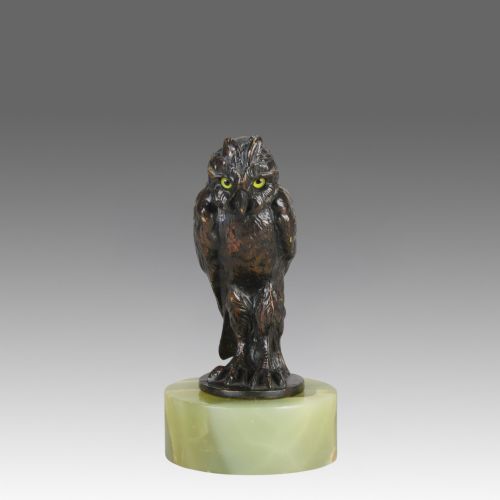
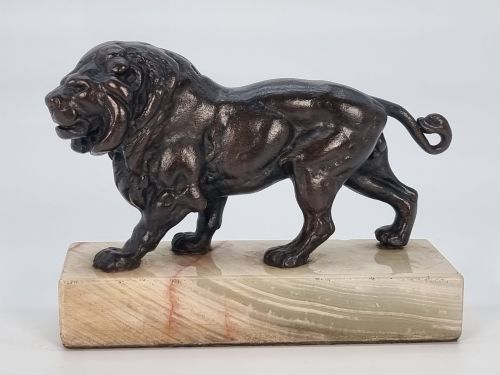
Figures depict human subjects like dancers, athletes, and historical characters alongside animals such as lions, foxes, stags, owls, and horses. The stone bases provide weight and contrast to the metalwork above them.
How they were made
The construction relies on casting metal alloys or precious metals to form the upper sculptural subject. Artisans utilised bronze, silvered bronze, gilt bronze, spelter, and patinated metal for the figures.
Onyx Base Figurine Retail Price Guide 2026
Typical asking prices for onyx base figurine among the pieces listed under this phrase on Sellingantiques today, from the lower quarter to the upper quarter. They describe what is for sale here now, not the wider market.
A wise owl sits quietly alongside a golf-playing boy and a prowling lion, all sharing a fondness for heavy stone footwear.
What varies in quality
Quality differences emerge in the crispness of the metal casting and the precision of the hand-finishing work on the figures. Sculptures bearing specific signatures or attributions to known designers reflect higher artistic execution.
The selection and polish of the stone plinth also differentiate tiers of work, where harmonious proportions between the heavy stone base and the upper figure elevate the overall piece.
Josef Lorenzl·Demetre Chiparus·Pierre Le Faguays·Claire Colinet·Bruno Zach·Geo Maxim·Marion Willis Stanfield
The Onyx Base Figurine Glossary
- Spelter
- A zinc alloy used as a substitute for bronze in decorative metalwork. It takes patination and cold painting well to simulate heavier metals.
- Cold-painted bronze
- A technique where bronze sculptures are painted with oil or enamel colours without subsequent kiln firing. This method yields vibrant detail on clothing and animal feathers.
- Animalier
- A nineteenth and early twentieth century artistic style focused on realistic depictions of animals. Sculptors in this tradition captured wild creatures in natural poses.
- Chryselephantine
- A term describing statues made from a combination of bronze and ivory. These works often feature carved ivory faces and hands paired with metal garments.
Onyx Base Figurine: Frequently Asked Questions
Are the bases always onyx?
The bases utilise onyx, marble, or combinations of both stone types. These dense plinths anchor the metal sculptures securely.
Different stones provide varying colours and grain patterns, ranging from green onyx to darker or veined marble slabs.
Which subjects appear most often?
Human subjects dominate the selection, featuring female dancers, athletes, nudes, and theatrical figures. Animals also feature prominently in the grouping.
Animal studies depict lions, stags, foxes, owls, and horses, often captured in movement or alert poses atop their stone mounts.
How do I date these pieces?
Dating relies on stylistic markers such as Art Deco geometric lines, Art Nouveau curves, or Victorian animalier realism. Many pieces originate from the early decades of the twentieth century.
Signatures from recorded sculptors and specific material choices further narrow down the era of production for each individual sculpture.