



Egyptian Revival Sculpture
Egyptian revival sculpture brings the monumental gravity of the pharaohs into domestic spaces through bronze, marble, and patinated metal.
Understanding Egyptian Revival Sculpture
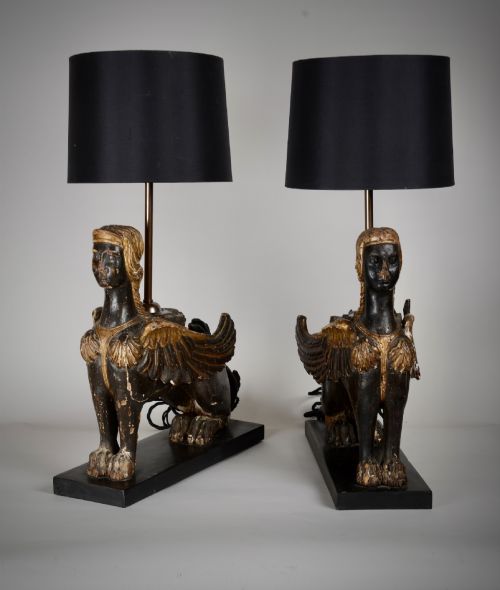
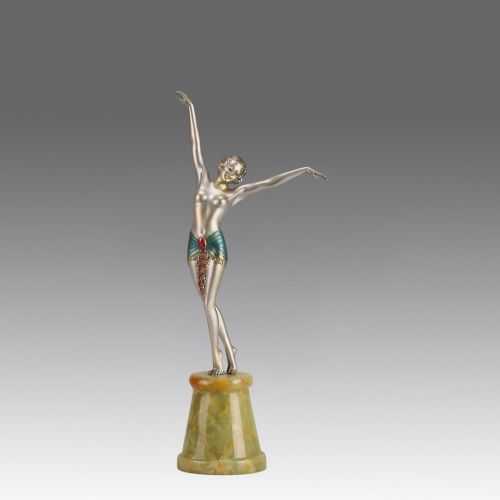
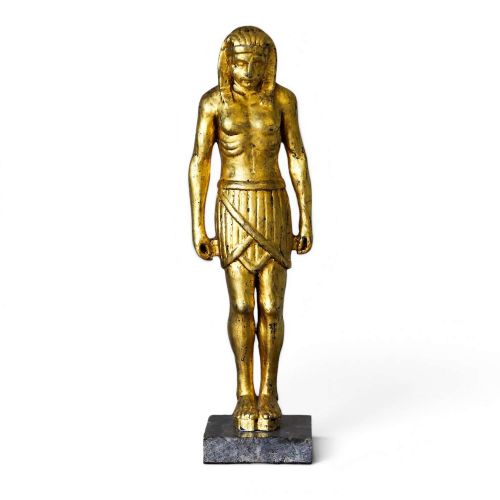
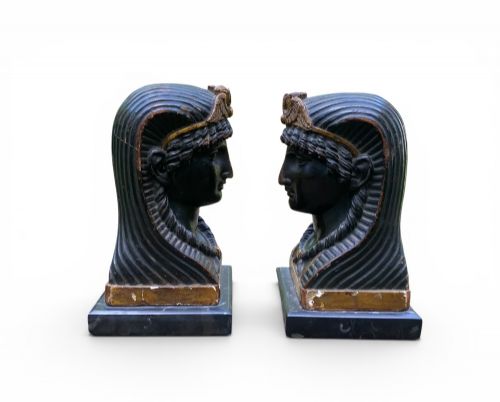
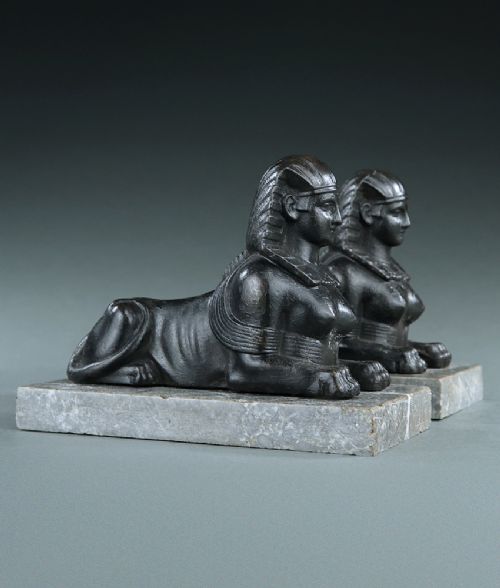
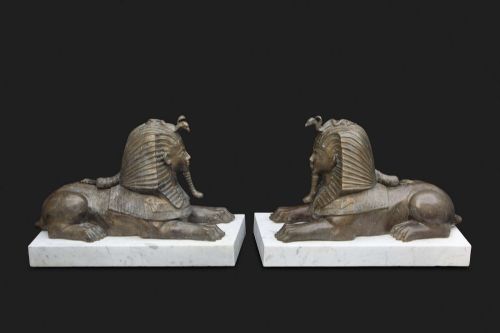
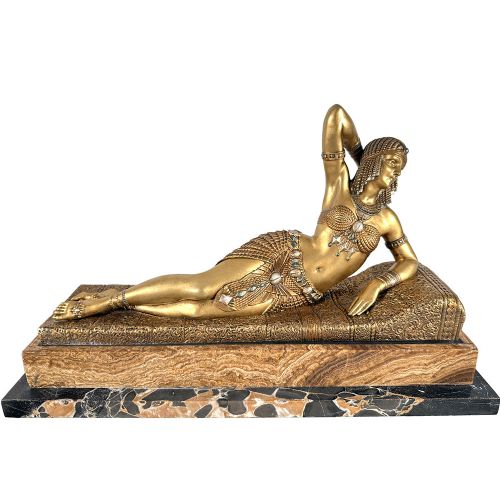
Egyptian revival sculpture encompasses figures, candelabras, and architectural forms produced across the nineteenth and twentieth centuries. Pieces range from grand tour sphinxes to stylised Art Deco interpretations of Cleopatra and dancers.
The material combinations typically pair heavy cast metals with contrasting stands in marble or onyx. These works draw directly on archaeological motifs, translating ancient iconography into decorative arts for the home.
Examples from the nineteen-thirties combine patinated or gilded bronze with geometric stone bases. Earlier nineteenth-century works favour naturalistic bronze casting mounted on veined marble plinths.
Materials and Construction
Makers incorporate decorative stone elements such as veined marble stands and multi-tiered bases to elevate the bronze figures. Candelabra variants integrate functional candle holders directly into the sculptural cast metalwork.
Retail Price Guide 2026
Typical UK retail prices for egyptian revival sculpture, calculated from the Sellingantiques database of over a million retail prices indexed since 2003. This retail price guide relies exclusively on Sellingantiques data; no external sources or auction records are used, so the figures do not describe the wider market.
Even ancient mythical beasts need a sturdy plinth, which explains why so many sphinxes sit comfortably on solid blocks of marble.
Distinguishing Quality
The refinement of the bronze chasing and the depth of the patination define the upper tier of these works. Crisp surface details in the casting separate sophisticated studio pieces from commercial foundry output.
The selection and preparation of the supporting stone base indicate the standard of manufacture. Dense, well-finished marble and onyx mounts with precise bevels complement the weight and ambition of the metal sculpture above.
Demetre Chiparus
The Egyptian Revival Sculpture Glossary
- Patinated bronze
- Bronze treated with chemical solutions to produce a controlled surface colour, usually dark brown or green. This finish protects the metal and accentuates sculptural contours.
- Gilded bronze
- Metal coated with a thin layer of gold or gold-coloured alloy to create a bright, reflective surface. It is often contrasted with darker patinated elements.
- Grand tour
- Nineteenth-century travel tradition where wealthy collectors acquired bronzes and antiquities across Europe and Egypt. These souvenirs form a distinct category of period sculpture.
- Sphinx
- Mythological creature with a human head and a lion body, frequently utilised in revival decorative arts. It serves as a primary motif in both Regency and twentieth-century pieces.
Frequently Asked Questions
What periods do these sculptures date from?
The pieces span from the nineteenth century through the Art Deco era of the nineteen-thirties and nineteen-forties. Each period applies distinct aesthetic priorities to the same ancient motifs.
Nineteenth-century examples often lean toward classical grand tour interpretations, while twentieth-century pieces adopt stylised modernist geometry.
How do I care for marble and bronze?
Keep metal surfaces dusted with a soft, dry cloth and avoid harsh cleaning products that strip patination. Ensure marble bases remain dry and protected from abrasive contact.
Stable indoor humidity prevents any corrosion on the bronze and protects the polished stone from staining.
Where were these sculptures displayed?
Owners typically placed these works on mantelpieces, sideboards, or dedicated pedestals in drawing rooms and libraries. Their substantial weight from marble bases suited heavy furniture.
Candelabras combined decorative sculpture with practical lighting in formal entertaining spaces.
How do Art Deco pieces differ from earlier works?
Art Deco interpretations simplify the anatomical lines of figures like Cleopatra and dancers, pairing gilded or patinated bronze with geometric marble bases. They reflect twentieth-century design trends rather than strict historical revivals.
Earlier nineteenth-century works focus on archaeological accuracy and traditional casting techniques without modernist stylisation.