
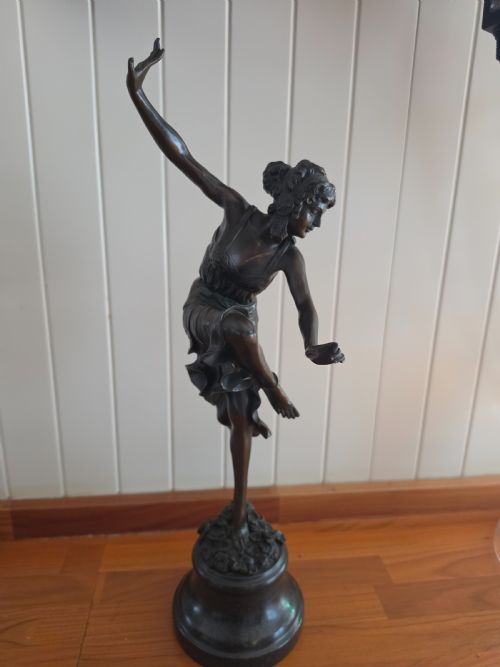


1920s Bronze Dancer Figure
A 1920s bronze dancer figure captures the kinetic energy of the interwar years in metal, offering collectors a striking embodiment of Art Deco motion.
1920s Bronze Dancer Figure
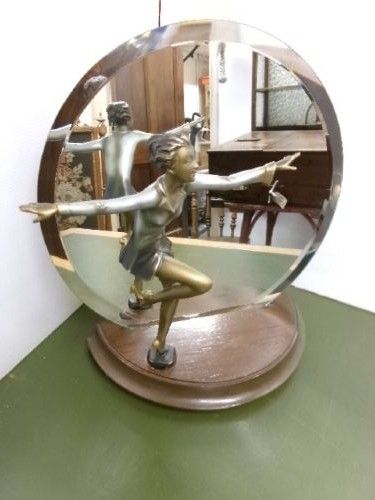
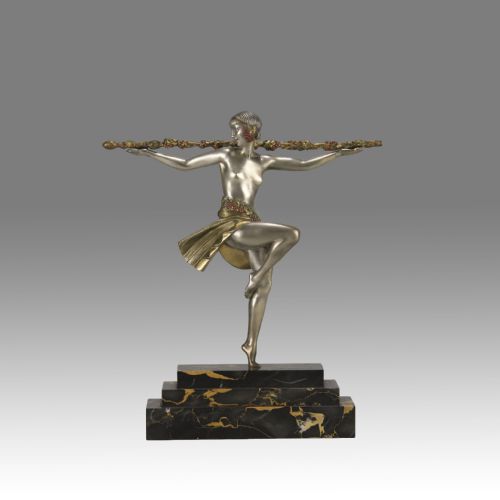
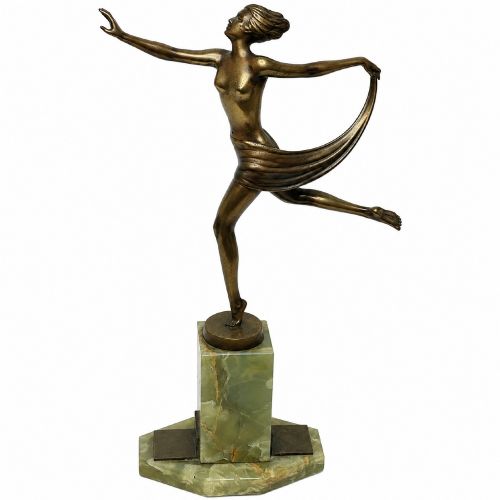
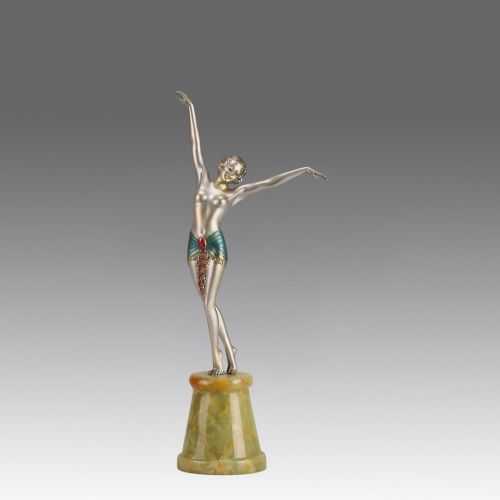
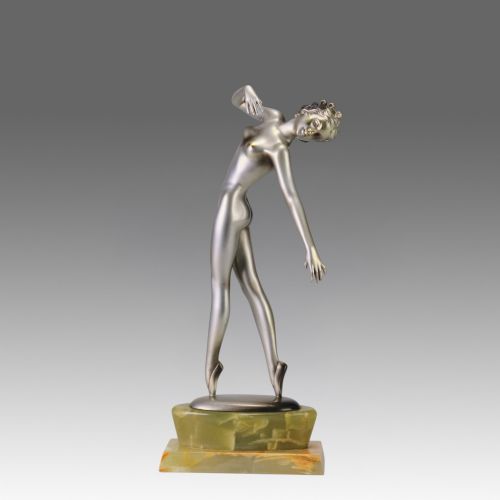
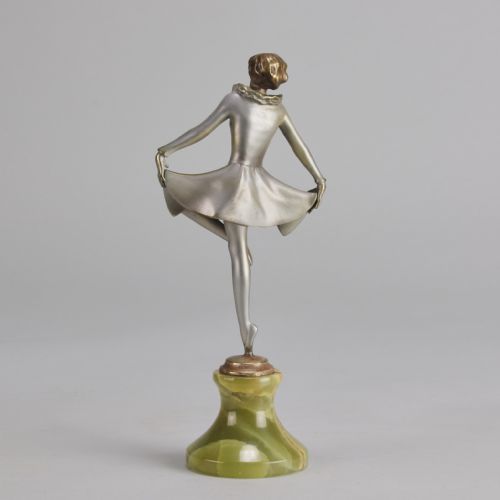
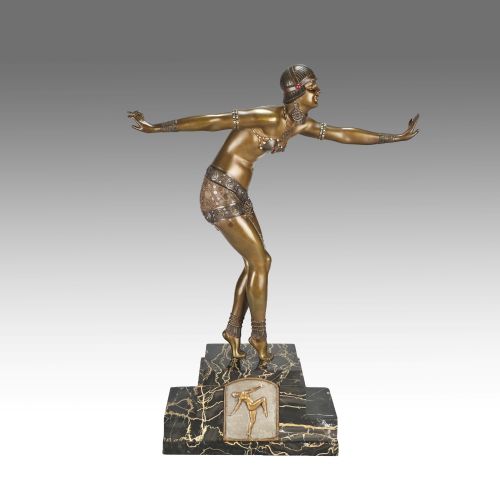
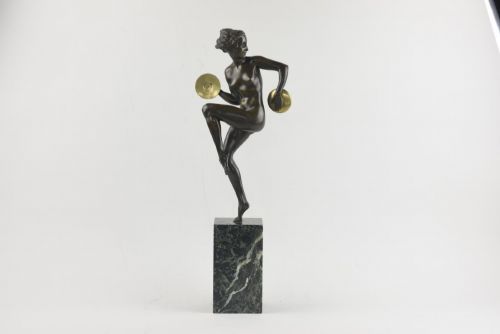
A 1920s bronze dancer figure stands as a defining sculptural form of the interwar period, capturing motion, theatrical performance, and the liberated silhouettes of the era. Buyers seeking these pieces encounter dynamic depictions of female dancers, ballerinas, and exotic performers caught mid-movement.
Most examples originate from the 1920 and 1930 decades, manifesting strictly within the Art Deco style. The forms range from small mantel sculptures and table lamps to substantial multi-figure groups.
The figures frequently incorporate integrated stone bases, anchoring the bronze body while introducing contrasting textures and colours to the composition.
Materials and methods
Foundries mounted these metal sculptures onto heavy plinths fashioned from marble or onyx, providing physical stability to slender, outstretched limbs.
Selected works integrate alternative organic materials like ivory alongside the metal elements, creating the classic chryselephantine aesthetic typical of high-end Art Deco studio production.
1920s Bronze Dancer Figure Retail Price Guide 2026
Typical asking prices for 1920s bronze dancer figure among the pieces listed under this phrase on Sellingantiques today, from the lower quarter to the upper quarter. They describe what is for sale here now, not the wider market.
Listings feature works produced across the 1920 and 1930 decades, utilising bronze, silvered bronze, and cold-painted finishes.
Factors that distinguish quality
Quality rests in the crispness of the casting and the sensitivity of the chasing work, which preserves the fluidity of the dancer's pose and the fine details of hair, costume, and expression.
The application of cold paint, silvering, or gilding demonstrates varying degrees of preservation and hand-painted skill, directly affecting the visual impact of the surface.
The choice and integration of the stone base - whether simple black marble or figured onyx - contributes to the overall harmony and balance of the sculptural object.
Pierre le Faguays·Josef Lorenzl·Demetre Chiparus·Claire Jeanne Roberte Colinet·Maurice Guiraud Riviere·Paul Philippe·Bruno Zach·Mario Korbel
The 1920s Bronze Dancer Figure Glossary
- Cold-painted bronze
- A technique where paint is applied to a bronze object after casting, without subsequent heat firing. This method allows for vivid multi-coloured clothing on dancer figures.
- Chryselephantine
- A term describing statues made from a combination of metal and ivory. In this period, it typically denotes bronze figures with carved ivory faces and hands.
- Patinated metal
- A chemically induced surface coloration applied to bronze or spelter to alter its tone. It protects the metal while accentuating sculptural depth and shadow.
- Spelter
- An alloy of zinc and lead used as a cheaper alternative to bronze. It accepts similar surface patination but possesses lower tensile strength.
1920s Bronze Dancer Figure: Frequently Asked Questions
How do I identify a genuine 1920s bronze dancer figure?
Examine the casting quality, the weight of the metal, and any signatures or foundry marks inscribed on the bronze or the stone base. Genuine period pieces exhibit the distinct casting methods and stylistic proportions characteristic of interwar European foundries.
Check the surface finish for signs of age-appropriate wear in the cold-painting, silvering, or gilding. Contemporary reproductions often lack the nuanced hand-finishing and material density found in authentic figures from the 1920s and 1930s.
What is the difference between bronze and spelter figures?
Bronze is a durable copper alloy that allows for crisp casting detail and slender outstretched limbs without snapping. Spelter, an alloy primarily composed of zinc, is softer, heavier relative to its strength, and more brittle.
Many figures from the era utilised spelter as an economical alternative to bronze. Close inspection of the base or underside often reveals the lighter, greyish metal beneath worn painted surfaces on spelter pieces.
How should I display these sculptures at home?
Place the figure on a stable, flat surface away from direct sunlight and fluctuating heat sources, which can destabilise the marble bases or damage delicate cold-painted surfaces. Ensure the display area allows clear viewing angles to appreciate the dynamic poses.
Because many pieces feature extended arms or delicate scarves, position them where they will not be brushed against by passersby. Proper clearance protects fragile extremities from accidental impacts.