




17th Century Sculpture
These pieces of 17th century sculpture offer tangible connections to centuries of European and Asian artistry, bringing carved wood, cast bronze, and carved marble into modern interiors.
17th Century Sculpture
A search for 17th century sculpture reveals a diverse assembly of three-dimensional artworks, architectural elements, and devotional figures produced across Europe and Asia during an era of theatricality and refined craftsmanship. Collectors encounter everything from cast bronze animals and mythological figures to monumental carved oak panels and marble fragments.
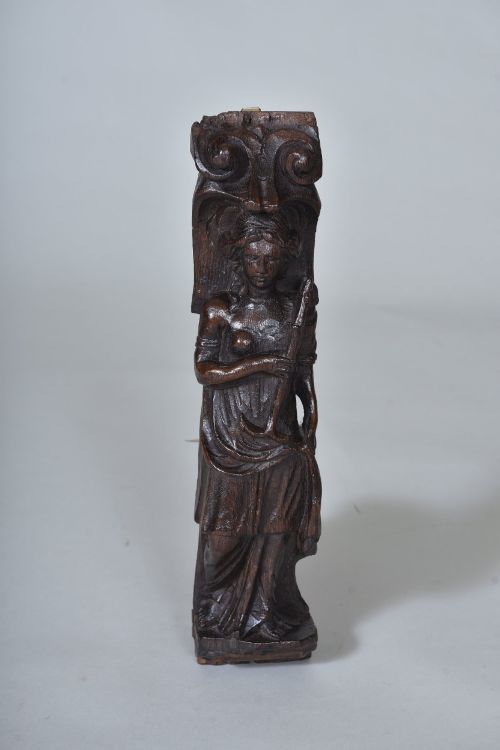
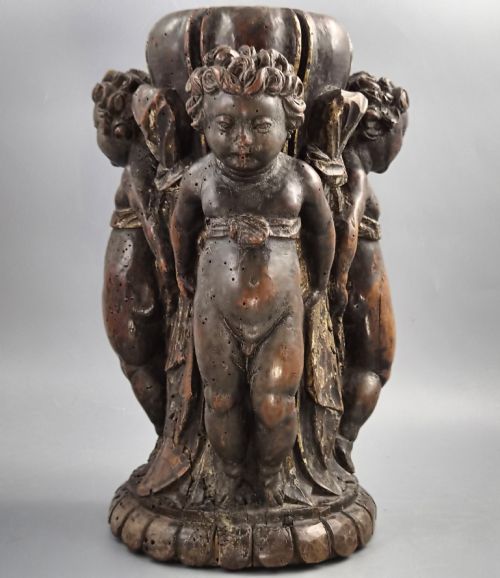
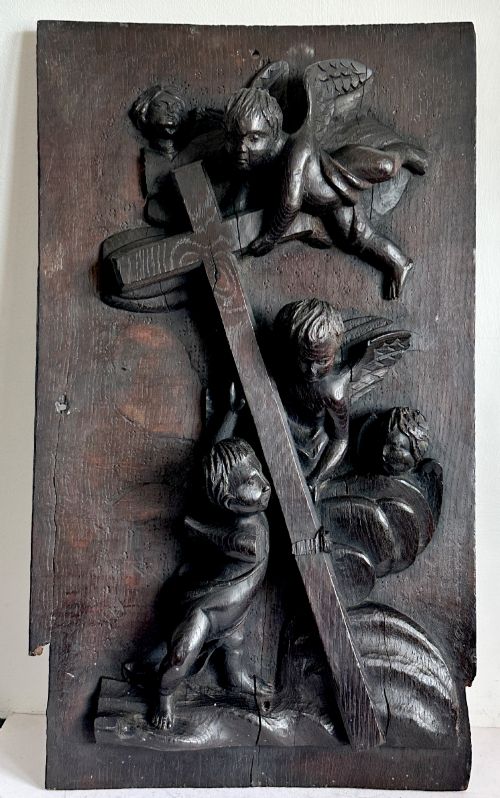
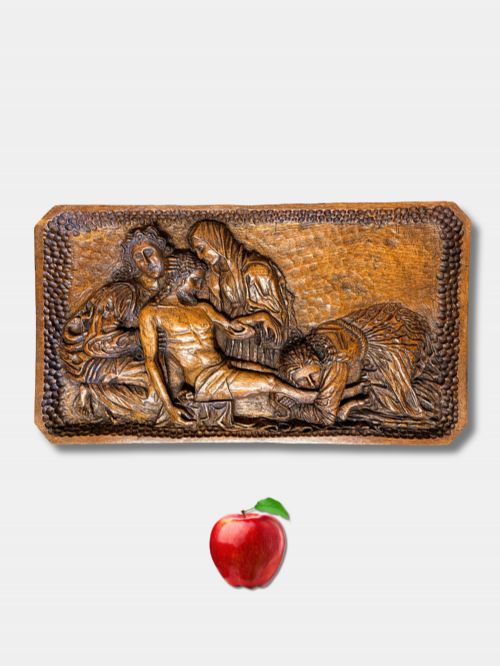
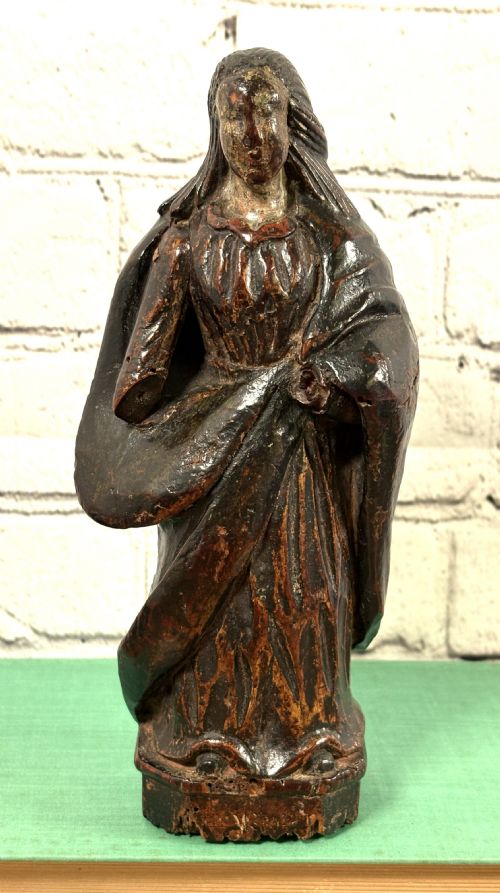
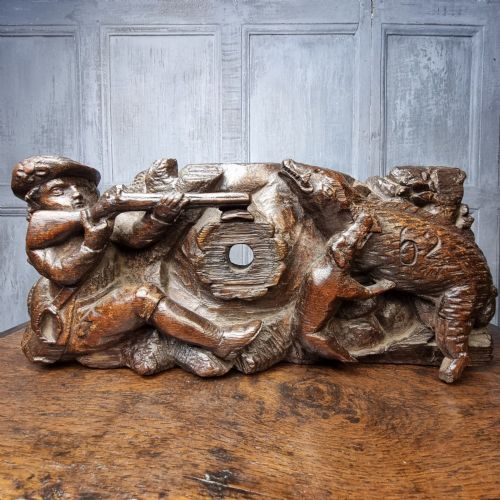
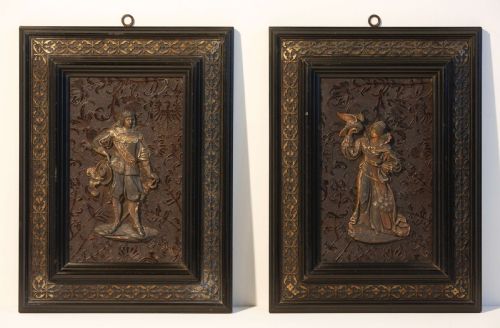
The most common examples on this page are carved wood panels and figures, often originating from domestic or ecclesiastical settings in Flanders, Germany, France, and Italy. These wooden carvings frequently depict religious subjects, putti, or architectural ornaments like corbels and caryatids.
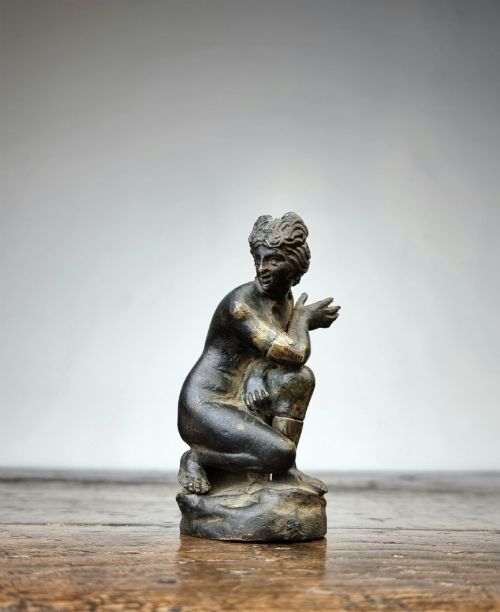
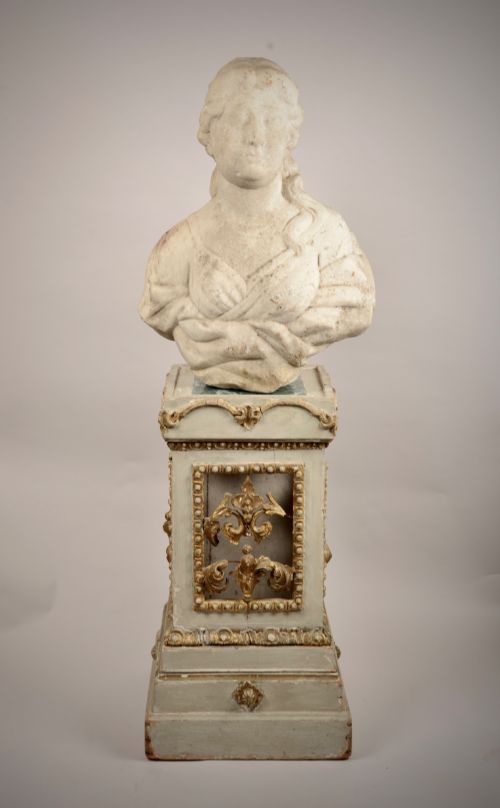
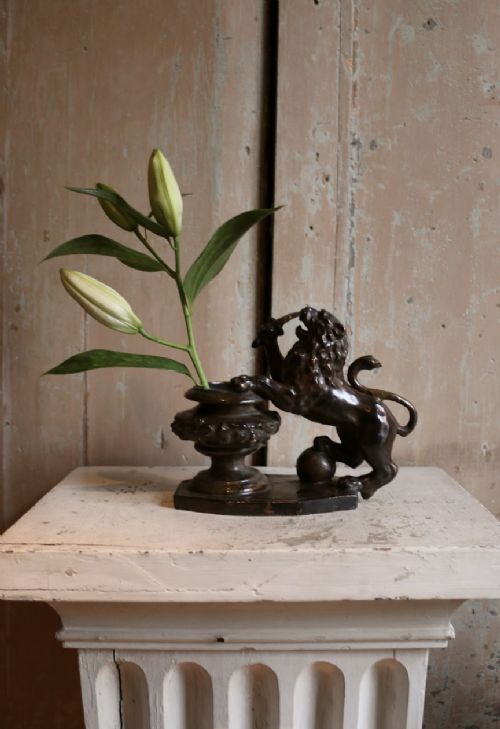
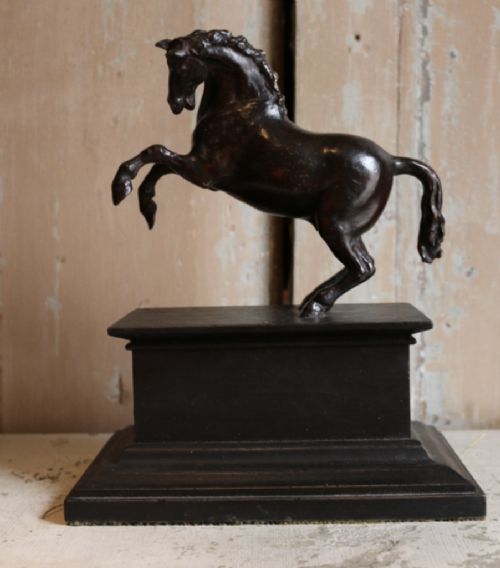
Alongside timber works, the selection frequently includes bronze statuary, inkwells, and scholarly objects cast using traditional methods, as well as occasional marble busts and stone reliefs reflecting classical antiquity and the Baroque sensibility.
Materials and methods
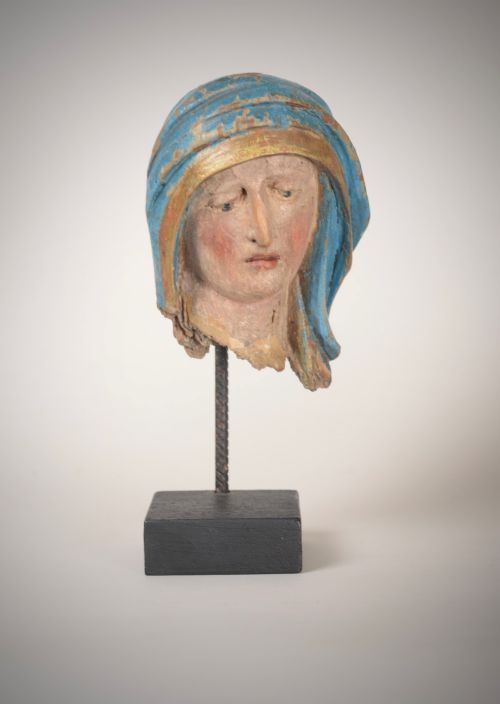
Carvers and sculptors utilised regional timbers such as oak, walnut, limewood, applewood, and chestnut, employing chisels and gouges to achieve deep relief and expressive contours. Many of these wooden surfaces retain traces of historical gesso, polychrome paint, or gilding applied to enhance theatrical garments and facial expressions.
Bronze works relied on the lost-wax casting technique, allowing artisans to capture intricate anatomical details in figures of horses, bulls, and human subjects before finishing the metal with patination or gilding. Marble and limestone pieces were shaped with hammers and fine abrasive stones to create smooth drapery and realistic skin textures.
Several diminutive figures of putti and saints spent centuries perched above doorways, quietly watching rooms change style around them.
Judging the range
The degree of original surface survival dictates the visual impact, distinguishing works that retain their historical polychrome, gilding, or patination from those stripped or heavily restored in later centuries.
Master Carver Edward Pearce·Giambologna
The 17th Century Sculpture Glossary
- Corbel
- A structural piece of stone or wood projecting from a wall to carry a weight, often carved into figurative or architectural shapes.
- Putto
- A figure of a small chubby infant, frequently winged, appearing in religious and secular art from the period.
- Caryatid
- A sculpted female figure serving as an architectural support taking the place of a column or a pillar.
- Polychrome
- The practice of decorating architectural elements, sculpture, and assorted artefacts in a variety of colours.
- Torchiere
- A tall ornamental stand intended to carry a light, often executed in carved walnut or other dense hardwoods.
17th Century Sculpture: Frequently Asked Questions
What materials were used?
Artisans of the period worked primarily in timber, including oak, walnut, limewood, applewood, and chestnut, alongside metals like bronze and white metal.
Stone was also prominent, with sculptors utilising marble, limestone, and alabaster for busts, reliefs, and architectural fragments.
How were wooden pieces finished?
Many wooden sculptures received a preparation layer of gesso before being painted in polychrome pigments or covered in fine gold leaf.
Others were left as bare timber, relying on the natural grain and subsequent patination from age to provide texture and depth.
Where did these pieces originate?
The inventory reflects production centres across Continental Europe, notably Italy, France, Germany, and the Low Countries, alongside Asian works.
Religious and domestic commissions accounted for the vast output of architectural salvage, devotional panels, and decorative bronzes.
How do I care for wooden sculpture?
Keep wooden pieces away from direct heat sources and sudden humidity fluctuations to prevent the timber from splitting or warping.
Dust gently with a dry, soft cloth and avoid modern chemical polishes that might damage historical patination or painted surfaces.