





19th Century Japanese Bronze
These 19th century japanese bronze pieces bring dynamic Meiji animalier sculpture, floral vases and heavy planters into domestic rooms.
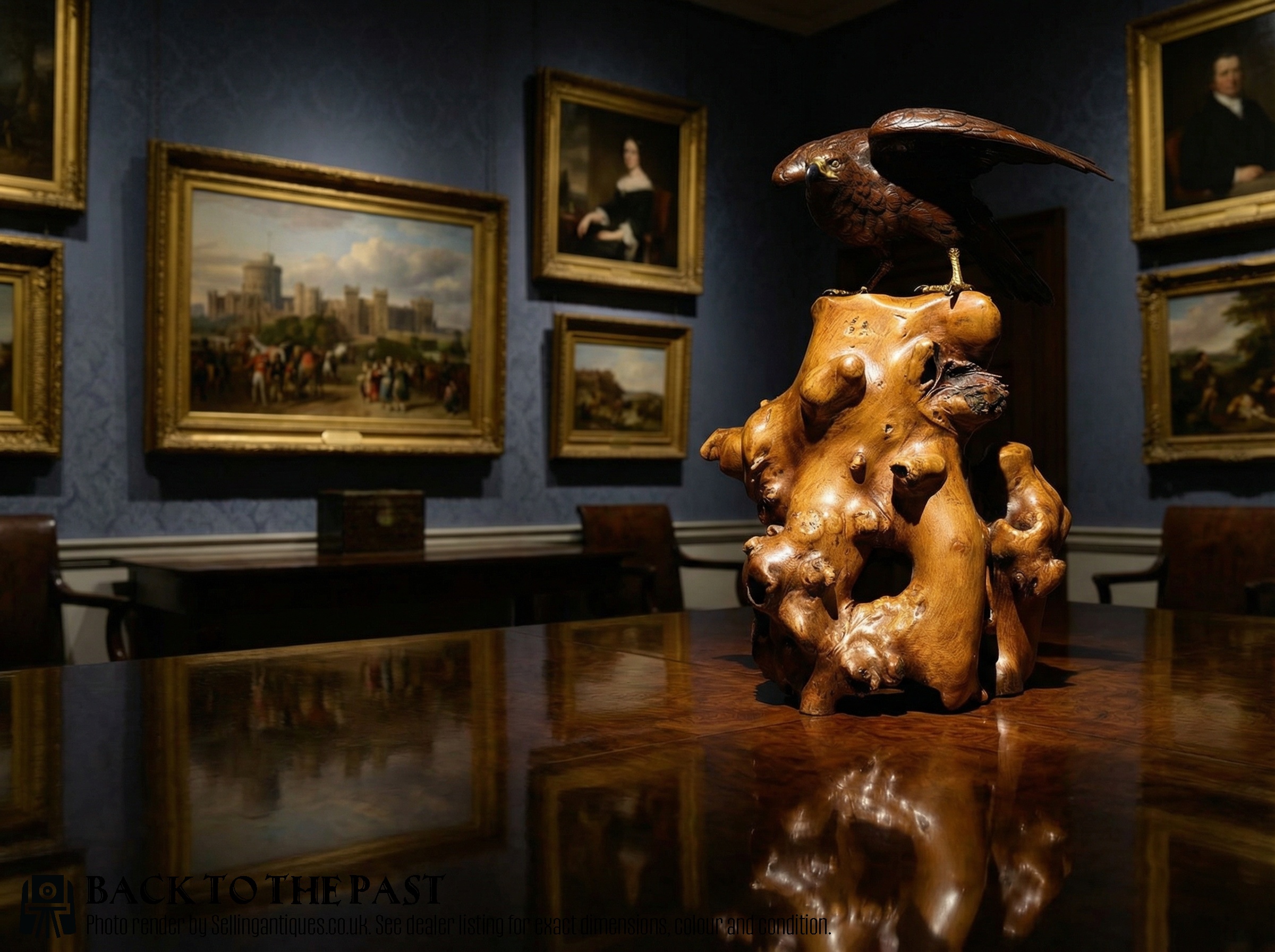
19th Century Japanese Bronze
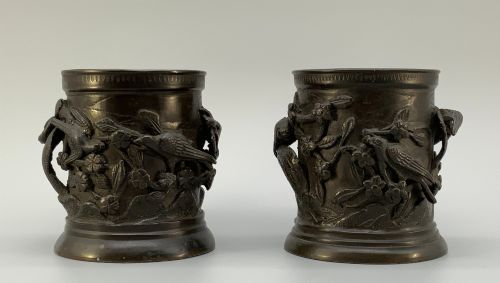
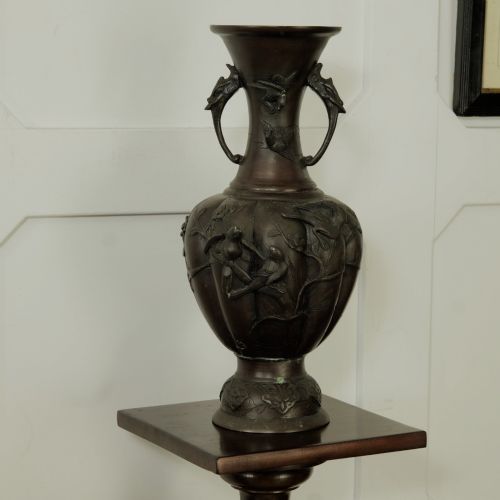
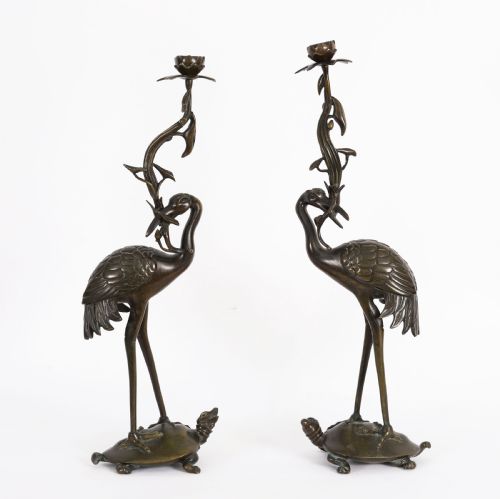
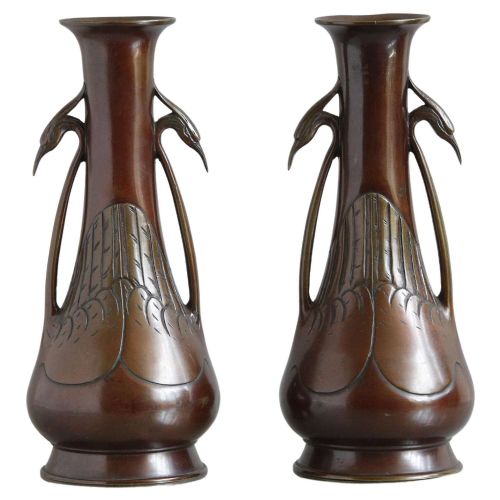
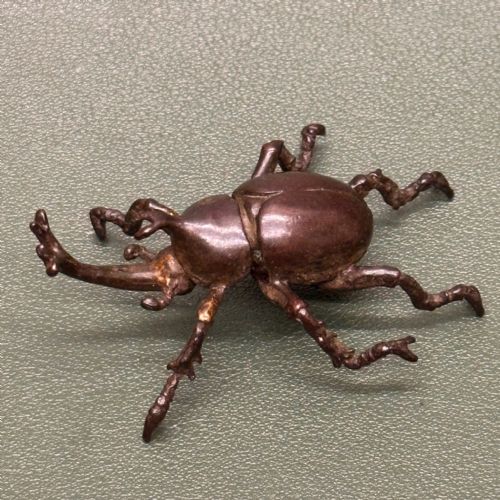
When exploring 19th century japanese bronze, buyers encounter a diverse array of decorative and sculptural objects originating primarily from the Meiji period. Vases, jardinières and large vessels dominate the selection, often featuring motifs of dragons, birds and koi fish. Alongside vessels, the inventory contains highly detailed animalier sculptures depicting tigers, elephants, and articulated insects.
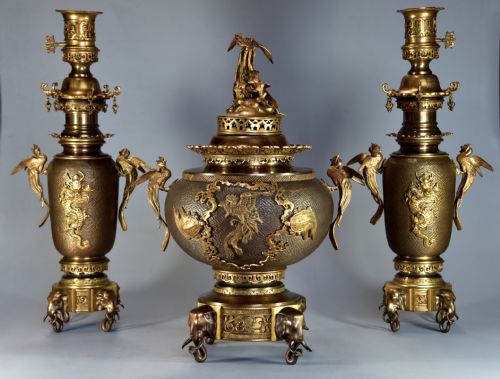
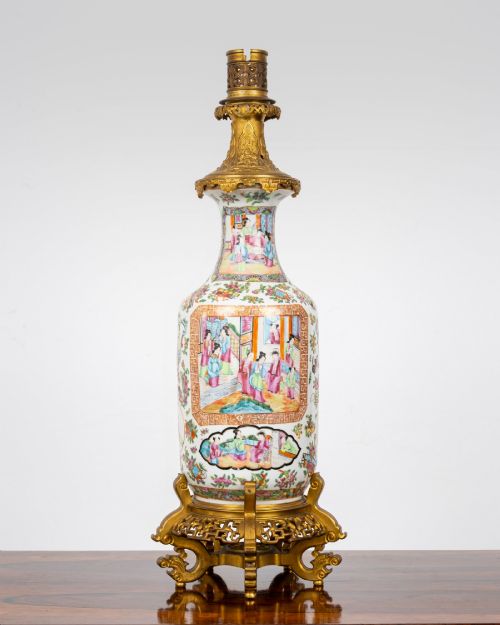
Vessels range from modest stem vases to monumental incense burners and bowl planters supported by figural monkey mounts. Table lamps and mounted items also appear, adapting traditional Japanese metalwork for Western domestic interiors through the influence of Japonisme and European revival styles. These objects reflect the technical peak of metal manufacturing during the late 19th century.
Materials and Casting Techniques
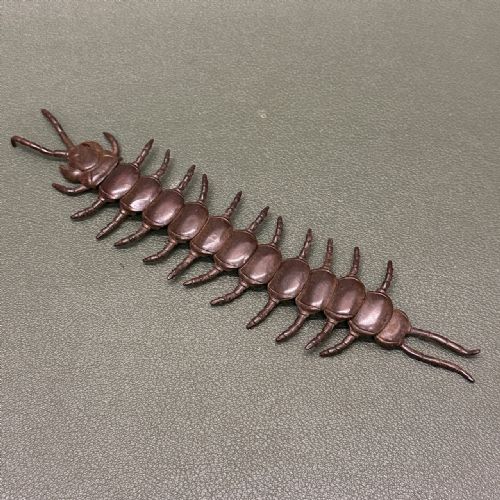
The objects on this page rely heavily on traditional metalworking methods, primarily utilising cast bronze combined with patinated finishes, gilt bronze highlights, and champlevé or cloisonné enamel. Artisans employed complex lost-wax casting techniques to achieve extreme realism in animal sculptures and articulated figures such as crabs, centipedes and crickets. Surface decoration often integrated contrasting metals, relief casting, and inlaid enamel details.
Secondary materials such as porcelain, wood and brass appear alongside the primary bronze elements, particularly in lamps, cabinets and mounted chargers. Cloisonné and Totai Shippo techniques incorporated enamel wires directly onto ceramic or metal bodies to create dense floral and dragon patterns. Patination methods varied from deep brown chemical treatments to polished golden tones.
19th Century Japanese Bronze Retail Price Guide 2026
Typical asking prices for 19th century japanese bronze among the pieces listed under this phrase on Sellingantiques today, from the lower quarter to the upper quarter. They describe what is for sale here now, not the wider market.
Artisans cast fully articulated metal centipedes and crickets with flexible segments that move just like the living creatures.
Assessing Bronze Quality
Quality in 19th century japanese bronze depends significantly on the precision of the casting and the crispness of the chased surface details. Superior examples display life-like musculature in animalier groups and sharply defined scales or feathers without casting flaws or heavy modern repairs. Signed pieces by recognised makers generally command greater interest due to documented studio standards.
The depth and complexity of applied patination, enamel work, and multi-metal inlay further separate standard production items from masterworks. Heavy gauge metal and stable, well-integrated mounts on converted lamps or bowls indicate higher original manufacturing standards during the Meiji period.
Genryusai Seiya·Miyao Eisuke·Gabriel Viardot
The 19th Century Japanese Bronze Glossary
- Meiji Period
- The era of Japanese history lasting from 1868 to 1912, characterised by the opening of trade with the West and a massive surge in fine metalwork exports. Pieces from this period frequently display naturalistic animal subjects and intricate bronze casting.
- Jardinier
- A large ornamental pot or planter designed to hold growing plants or floral arrangements. In 19th century metalwork, these often feature heavy bronze walls decorated with dragons or botanical relief.
- Cloisonné
- An enamelling technique where metal wires are soldered to a base to form compartments filled with paste and fired. This method produced vibrant surface patterns on vases and chargers.
- Animalier
- A genre dedicated to the realistic portrayal of animals in sculpture. Japanese bronzes in this category capture creatures such as tigers, elephants, and insects with anatomical precision.
- Champlevé
- An enamelling technique where troughs are carved directly into the metal surface to hold coloured glass paste. It creates durable, patterned geometric and floral designs on bronze vessels.
- Articulated
- Built with movable joints that allow parts of the metal sculpture to flex. Japanese metalworkers applied this technique to insects, fish, and crustaceans to mimic living movement.
19th Century Japanese Bronze: Frequently Asked Questions
How do I identify a Meiji period bronze?
Meiji period bronzes are typically identified by their naturalistic motifs, dark chemical patination, and association with late 19th-century trade expansion. Many superior examples carry artist signatures or studio marks cast directly into the base.
Artisans during this era focused heavily on animalier subjects and intricate floral relief work, departing from earlier ritual styles found in the Edo period.
Were these bronzes made for export?
The vast majority of 19th century japanese bronze pieces were manufactured specifically for Western export following the reopening of Japanese ports. International exhibitions in Europe and America fuelled a massive demand for traditional metalwork adapted to Victorian tastes.
This cross-cultural exchange also inspired the European Japonisme movement, where Western designers incorporated Japanese motifs into domestic furniture and lighting.
How should I clean antique bronze?
Antique bronze requires minimal intervention to preserve its original patination and historical surface finish. Dusting with a soft, dry cloth is usually sufficient for regular maintenance.
Avoid using abrasive metal polishes, chemical cleaners, or water, as these substances can strip away the delicate patinas and applied gilding built up over the centuries.
Can bronze vases be used for water?
Most 19th century bronze vessels and vases were created primarily for decorative display or dry floral arrangements rather than holding water. Over time, moisture and lingering mineral deposits can corrode the interior metal and damage original patination.
If used for fresh flowers, placing a discreet glass or waterproof liner inside the vessel protects the antique metal from direct contact with water.