



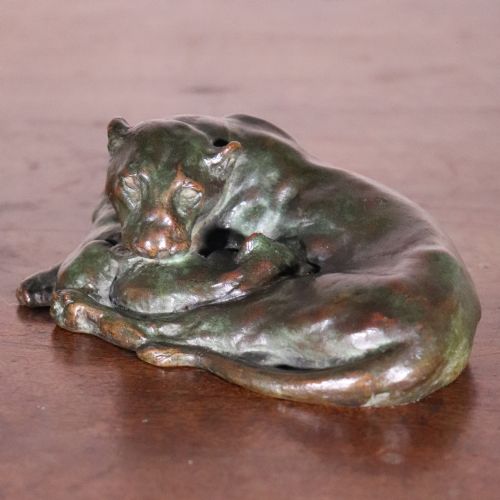

Dark Patina Bronze Sculpture
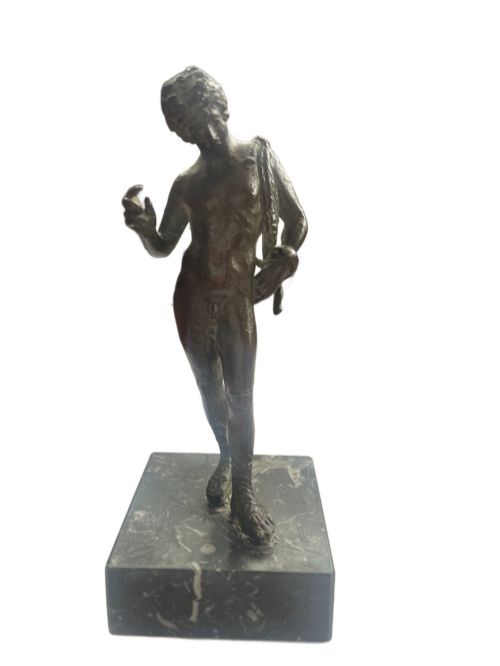
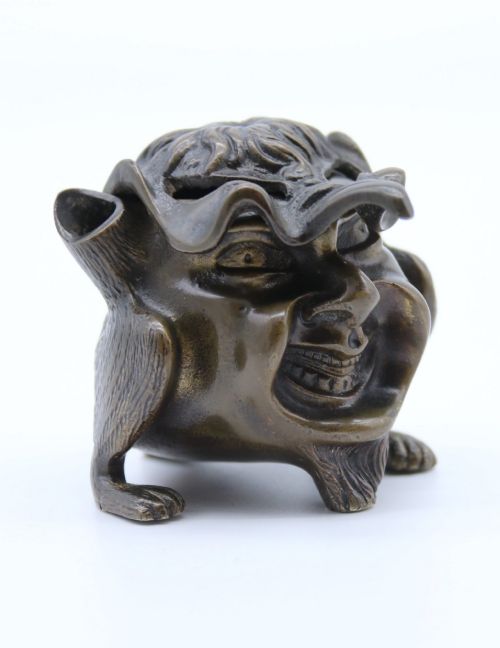
These pieces of dark patina bronze sculpture bring heavy metal cast work and deep surface tones straight into a room.
Dark Patina Bronze Sculpture
When you search for dark patina bronze sculpture, you encounter cast metal figures and functional objects shaped across the nineteenth and twentieth centuries.
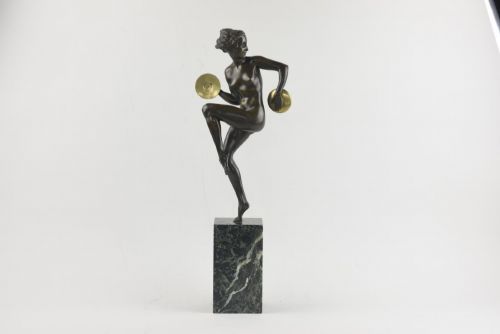
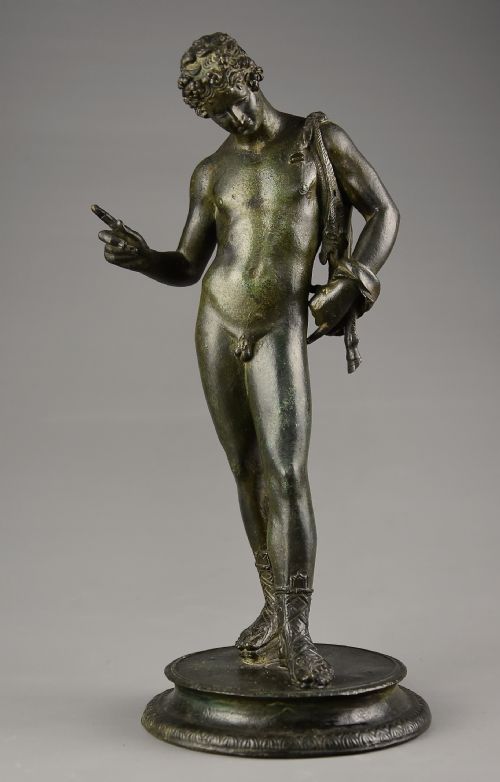
The selections on this page draw heavily from French Animalier subjects, Grand Tour classical figures, and early twentieth century decorative pieces mounted on marble bases.
Makers and foundries from European and Asian traditions created these works as domestic ornaments, table lamps, and inkwells using durable metal alloys.
Materials and casting methods
Foundries utilised traditional metal casting techniques to pour molten bronze into moulds, capturing fine details in fur, fabric, and musculature.
Artisans applied chemical treatments to the metal surface to create deep dark patination, often contrasting the dark bronze with pale fossil marble bases.
One French dog paperweight waits quietly to hold down your papers with canine determination.
Assessing quality in cast metalwork
The weight and density of the metal, alongside the integration of the figure with its marble or stone base, separate standard commercial castings from superior works.
Pierre Jules Mene·Emmanuel Villanis·Isidore Bonheur·AL Barye·Barbedienne
The Dark Patina Bronze Sculpture Glossary
- Patina
- The chemical colouration or surface oxidation developed naturally over time or applied deliberately by the founder.
- Animalier
- A nineteenth century artistic movement focused on realistic depictions of animals, particularly dogs, big cats, and horses.
- Grand Tour
- Souvenirs and classical reproductions purchased by travellers visiting historic sites in Italy during the nineteenth century.
- Okimono
- A Japanese decorative sculpture designed for display on a shelf or tabletop in a traditional interior.
Dark Patina Bronze Sculpture: Frequently Asked Questions
What is a dark patina bronze sculpture?
It is a cast metal ornament treated with chemical agents to produce a deep, dark surface tone.
These pieces range from classical human figures to animal studies.
How do I clean a bronze sculpture?
Dust the surface gently with a soft, dry cloth to prevent dirt accumulation.
Avoid using water, chemical polishes, or abrasive cleaners that might strip the original dark patina.
What is an Animalier bronze?
It is a nineteenth century sculpture style dedicated to accurate portrayals of animals in motion or repose.
Artists like Pierre Jules Mene specialised in this genre.
Are all dark bronze pieces solid metal?
Many figures are hollow cast to reduce weight and material costs during production.
Heavier elements often include integrated bases made from marble or fossil stone.