




Bronze Sculpture of Bacchus
A bronze sculpture of Bacchus brings classical myth into your home through cast metal figures of the wine god.
Bronze Sculpture of Bacchus
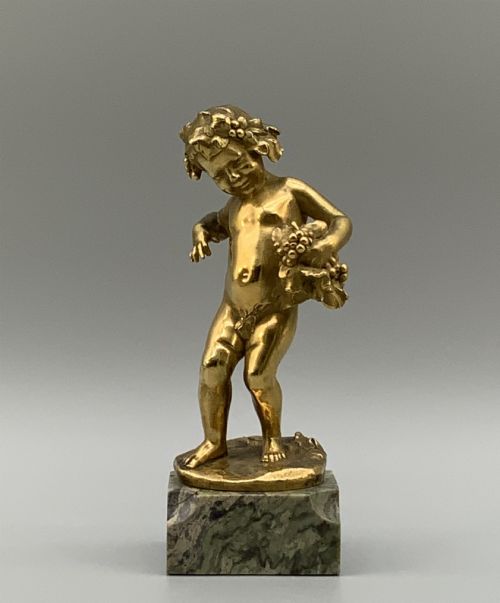
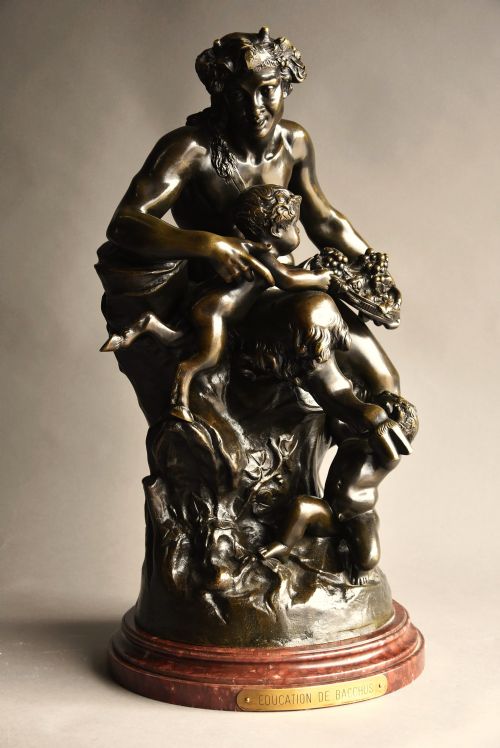
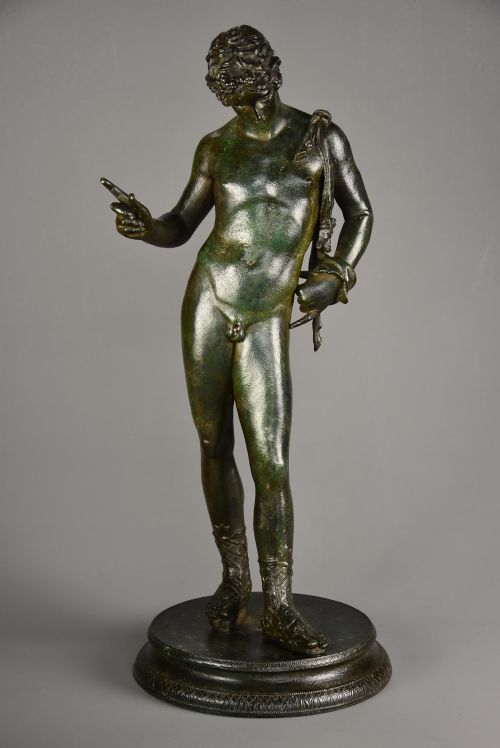
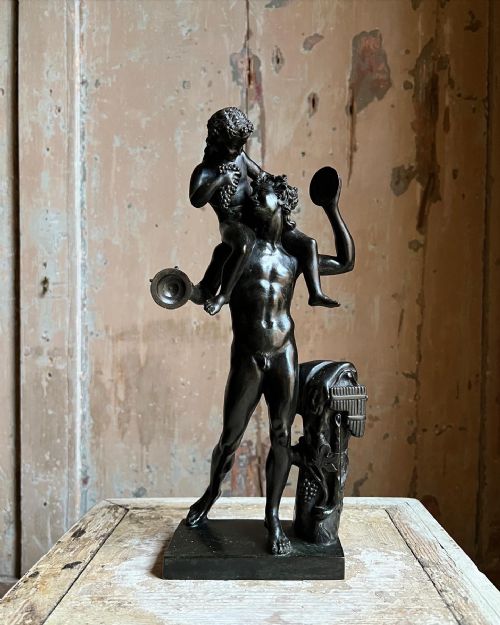
A bronze sculpture of Bacchus takes many forms on this page, ranging from single figures of the god to complex groups with satyrs, fauns, maidens and putti. You will find works depicting the infant Bacchus, figures eating grapes, and grander scenes inspired by Pompeian originals and classical antiquity.
The pieces span the nineteenth and early twentieth centuries, with a strong representation of Grand Tour souvenirs and French neoclassical styles. Makers and foundries such as Susse Frères produced works after sculptors like Claude Michel Clodion, while many other pieces remain anonymous foundry casts from the same eras.
How they were made
Foundries cast these pieces in bronze, often applying chemical patination to achieve deep green or dark brown surface tones, or finishing them with gilt bronze and paint. Some wall masks utilise gilt plaster, reflecting the diverse decorative methods of the nineteenth century.
Many sculptures rely on classical models, copying antique statues found in Italy during the Grand Tour or following earlier terracottas and marbles by renowned French artists.
Materials recorded across the inventory include bronze, marble, patinated bronze, gilt bronze, gilt plaster, paint and stone.
What varies in quality
The depth and variation of the patination also alter the visual weight of the bronze, with nuanced green or dark tones adding dimension that flat, uniform finishes lack.
Charles Louis Malric·Susse Frères
The Bronze Sculpture of Bacchus Glossary
- Grand Tour
- A traditional trip through Europe undertaken by upper-class young men in the eighteenth and nineteenth centuries to study classical art. Souvenirs purchased on these journeys heavily influenced the small bronzes collected today.
- Patinated bronze
- Metal treated with chemical solutions to create a specific surface colour, such as a dark brown or antique green finish. This layer protects the bronze and adds visual depth to the sculpture.
- Gilt bronze
- Metal coated with a thin layer of gold, often referred to asormolu in French pieces. It provides a bright, reflective surface that highlights details of hair, drapery and ornaments.
- Putti
- Plump, wingless child figures frequently depicted playing with grapes or accompanying Bacchus in bacchanalian scenes. They derive from classical art and remain common in neoclassical sculpture.
- Neoclassical
- A style spanning the eighteenth and nineteenth centuries that revived the aesthetics of classical Greece and Rome. It prioritises balance, classical drapery and mythological subjects.
Bronze Sculpture of Bacchus: Frequently Asked Questions
What is a Grand Tour bronze?
A Grand Tour bronze is a nineteenth-century souvenir cast in Italy or France, reproducing famous classical statues for travellers to bring home.
These pieces capture the appearance of ancient marbles and large bronzes on a smaller scale suitable for display in a nineteenth-century interior.
How do I clean a bronze sculpture?
Bronze requires very little maintenance beyond occasional dusting with a soft brush to prevent the build-up of particles.
Avoid using water, oils or metal polishes, as these can strip the historical patination and damage the surface finish permanently.
Who is Bacchus in art?
Bacchus is the Roman god of agriculture, wine and fertility, traditionally shown with grapes, ivy and vine leaves. He appears both as an infant tended by satyrs and as a youthful or intoxicated adult figure.
Artworks often pair him with companions such as fauns, panthers and putti in lively, celebratory groupings.
Are these sculptures solid bronze?
Many nineteenth-century sculptures are cast using the lost-wax method, which can produce either solid or hollow figures depending on the size and foundry practice.
Larger groups and statues are usually hollow to reduce weight and metal usage, while smaller decorative plaques and figures might be cast solid.