




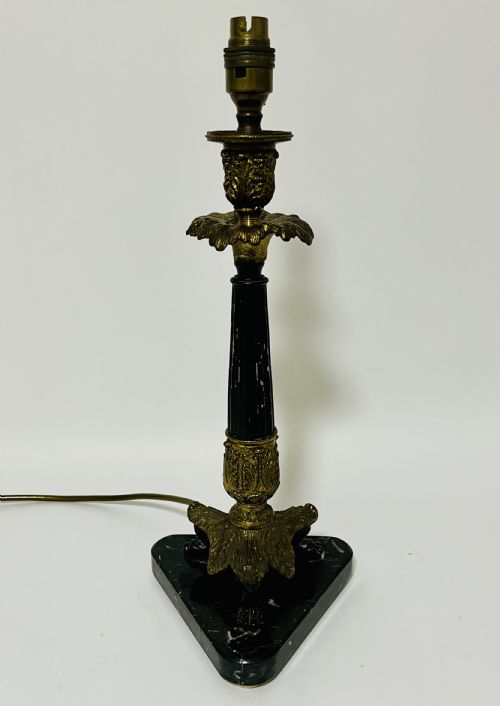


Black Marble Base Bronze
Black marble base bronze sculptures combine heavy stone plinths with cast metal figures, offering a striking display of classical and art deco subjects.
What They Are
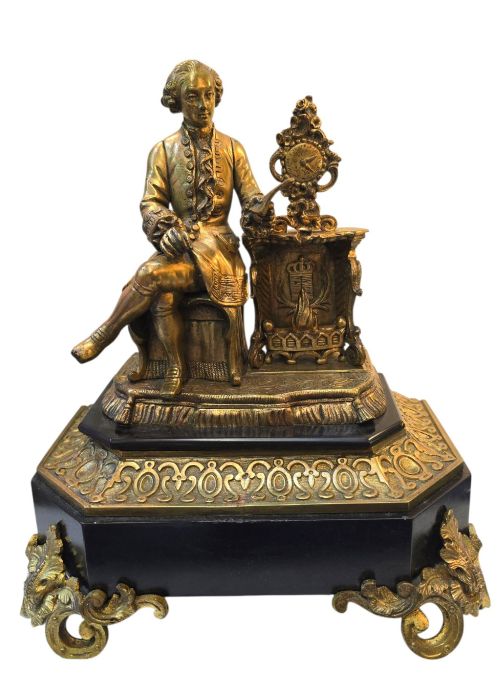
When you search for black marble base bronze, you encounter sculptures and figures that pair a dark stone plinth with cast metalwork. The listings encompass pieces from the nineteenth century up through the nineteen-thirties, showing considerable variety in scale and subject.
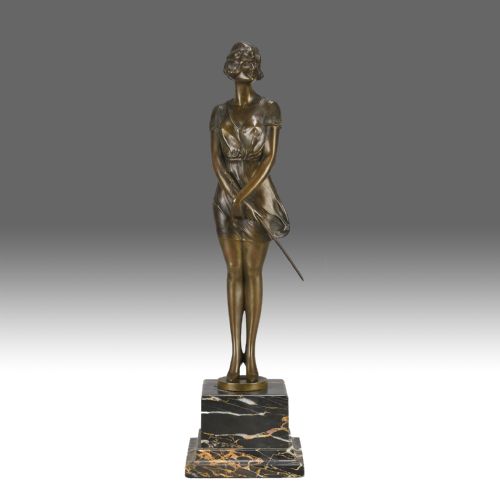
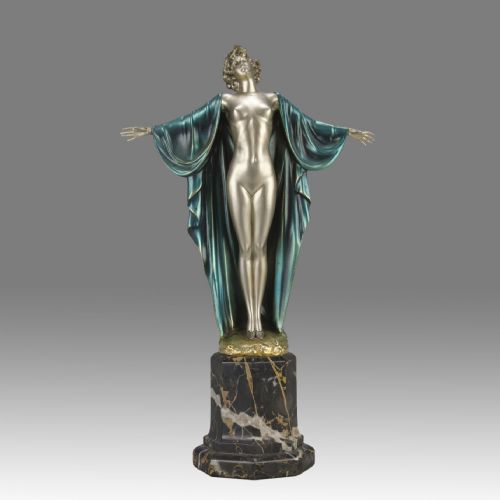
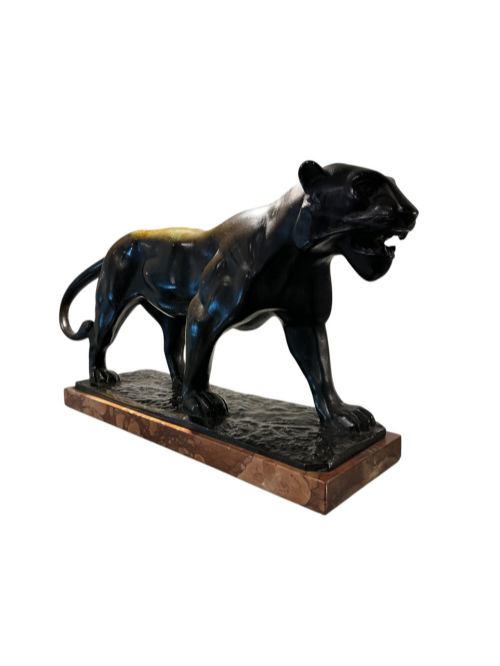
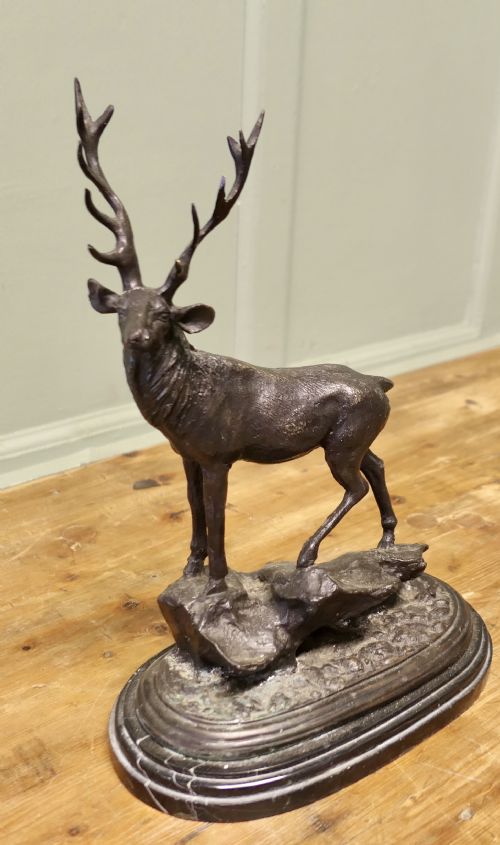
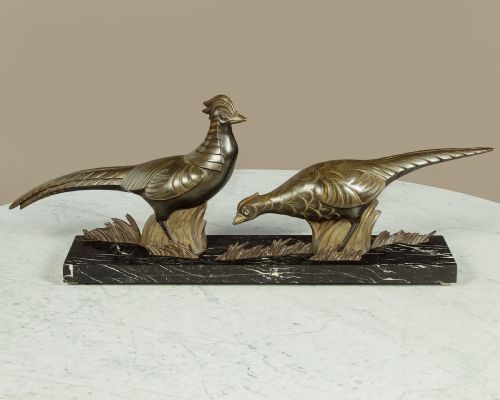
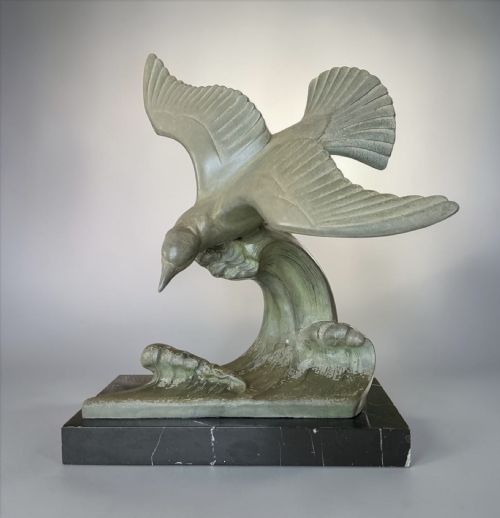
The objects take several distinct forms, ranging from animal studies and paperweights to mythological figures and dancers. Classical revival and grand tour subjects appear alongside art deco animaliers and allegorical groups.
Nineteenth century examples lean towards classical antiquity and mythological subjects such as Narcissus, Ajax the Great, and Perseus. Later twentieth century pieces shift towards streamlined art deco aesthetics, featuring dancers and stags supported on polished stone.
How They Were Made
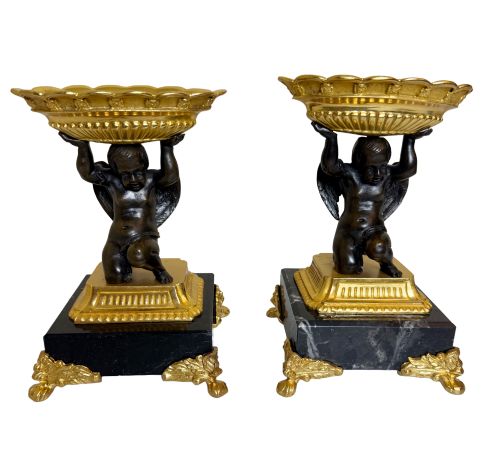
The metal components utilise bronze and gilt bronze, cast using traditional foundry methods. Sculptors shaped figures of animals, dancers, and classical heroes with detailed chasing and patination.
The stone elements employ black marble and fossil marble, cut and polished to form heavy bases and plinths. Bronze figures are secured to these marble supports to create stable sculptural compositions.
Retail Price Guide 2026
Typical UK retail prices for black marble base bronze, calculated from the Sellingantiques database of over a million retail prices indexed since 2003. This retail price guide relies exclusively on Sellingantiques data; no external sources or auction records are used, so the figures do not describe the wider market.
Materials across the selection include standard bronze, gilt bronze, black marble, and fossil marble.
What Varies in Quality
The quality of these sculptures rests upon the crispness of the bronze casting and the nuance of the hand-finishing. Finer works display sharp detail in the facial expressions, musculature, and textures of hair or fur.
The choice and preparation of the stone base also distinguish better examples. Selected marbles exhibit deep, uniform colour or interesting fossil inclusions, shaped with clean edges that complement the bronze above.
Demetre Chiparus·Zoldan Kovats·Franz Iffland·I Rochard
The Black Marble Base Bronze Glossary
- Bronze
- A copper alloy traditionally used for sculptural casting because it holds fine detail and takes various surface patinations. It forms the primary metallic element in these works.
- Marble
- A metamorphic rock prized for its smooth surface and polish. Black and fossil varieties provide heavy, stable plinths for the sculptures.
- Gilt bronze
- Bronze that has been coated with a layer of gold. This technique adds a bright, reflective finish to the metal figures.
- Grand Tour
- A nineteenth century travel phenomenon that generated demand for bronze reductions of classical antiquities. These souvenirs typically mounted small bronzes onto stone bases.
- Art Deco
- A design style prominent in the nineteen-thirties characterised by stylised forms and modern subjects. Sculptures from this period often feature dancers and animals.
Frequently Asked Questions
What periods do these bronzes cover?
The available selection spans from the nineteenth century through the nineteen-thirties. This includes mid-nineteenth century classical pieces alongside art deco works from nineteen-thirty.
Different eras bring distinct stylistic traits, moving from grand tour mythological subjects to streamlined twentieth century animal and dancer figures.
How are the bronze and marble joined?
The bronze sculptures are secured directly to the heavy marble plinths or bases. This engineering provides stability for figures that might otherwise be top-heavy.
The combination of dense stone and cast metal creates a balanced, self-supporting decorative object suitable for display on furniture.
What subjects appear on these bases?
Subjects range widely from classical mythology and allegory to wildlife and dance. You find figures of ancient heroes, birds, stags, and mice.
Some pieces serve functional roles as paperweights, while others function purely as cabinet or mantel sculptures.
How do I care for marble and bronze?
Both materials require gentle dusting with a soft, dry cloth to prevent the accumulation of grit. Avoid using harsh chemical cleaners on either the patinated metal or the polished stone.
Keeping the pieces away from direct sunlight and excessive moisture helps preserve the original finish of both the bronze and the marble.