

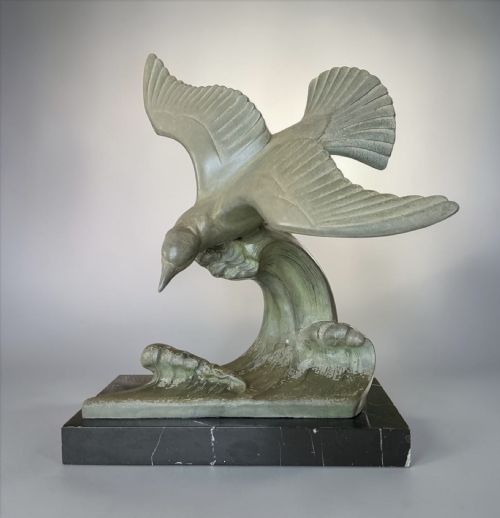
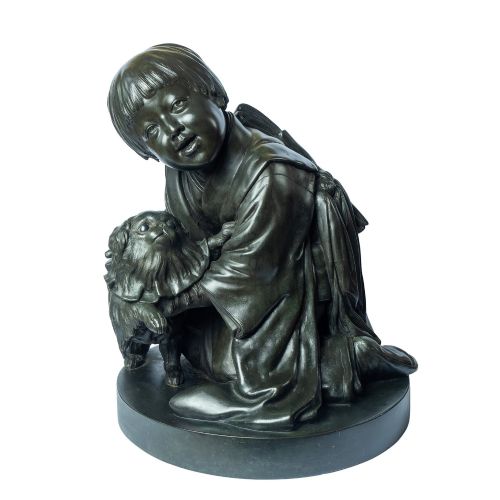
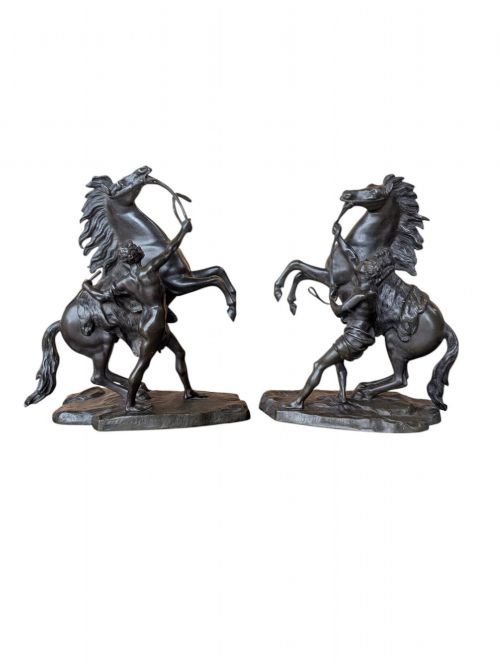
Antique Bronze Mantel Ornament
These antique bronze mantel ornament pieces bring nineteenth-century figurative sculpture and classical presence straight to the fireplace.
Understanding antique bronze mantel ornament pieces
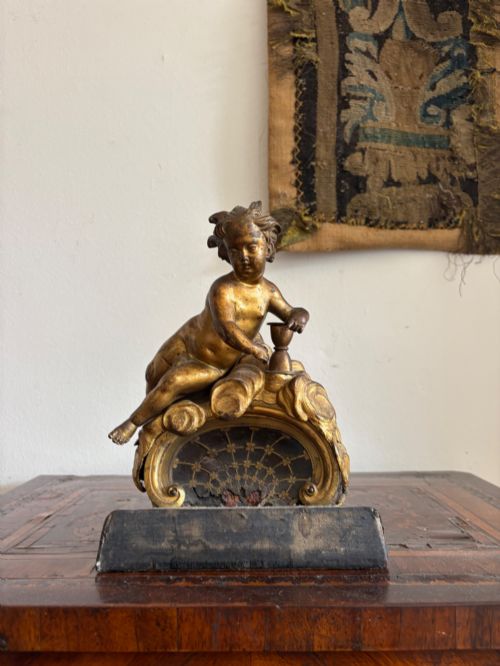
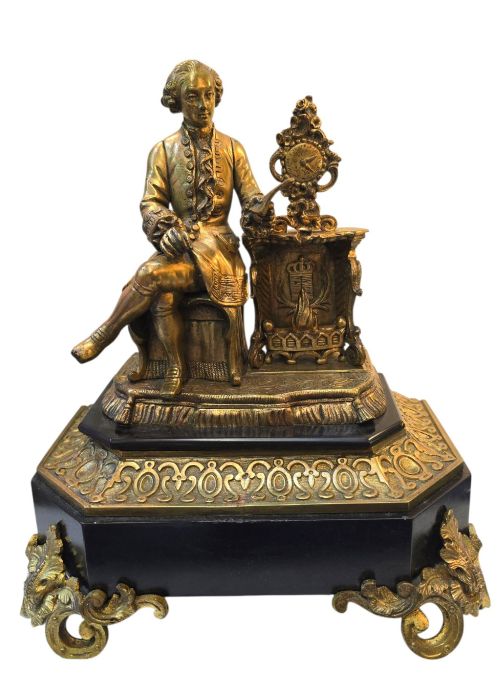
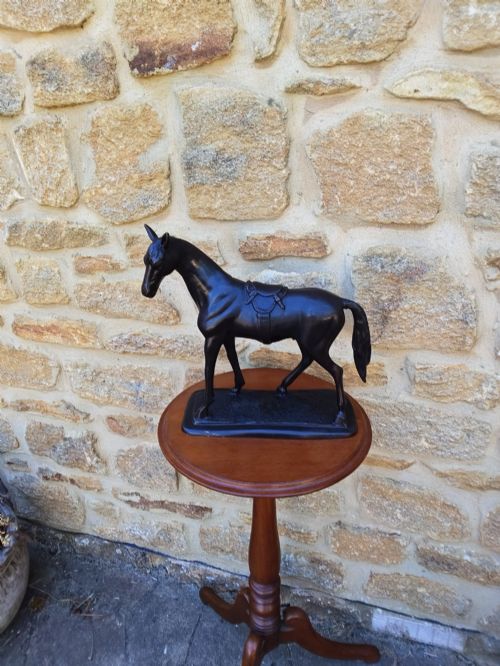
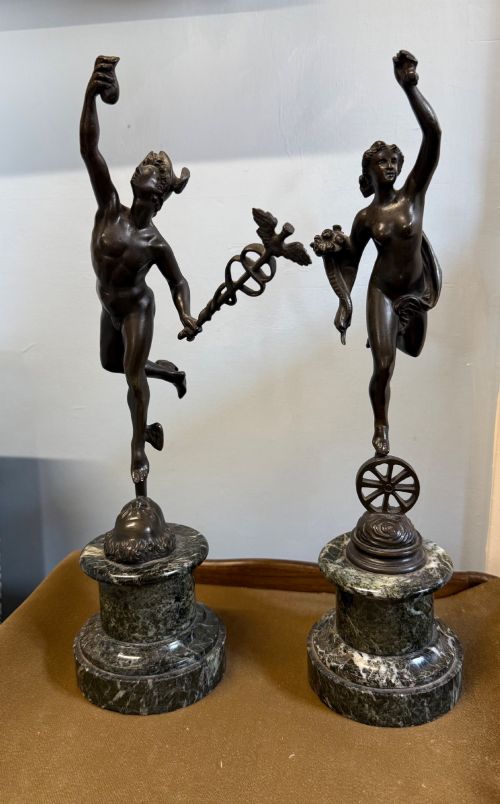
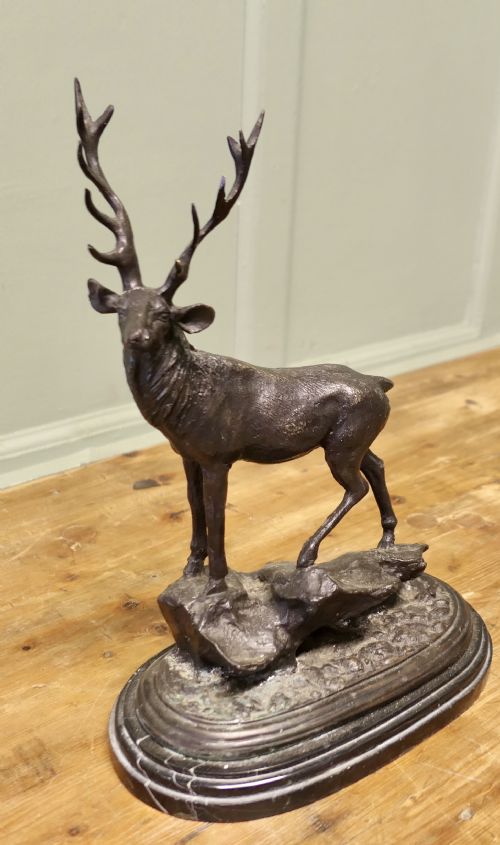
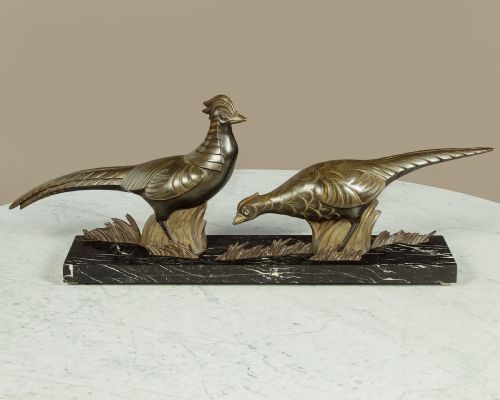
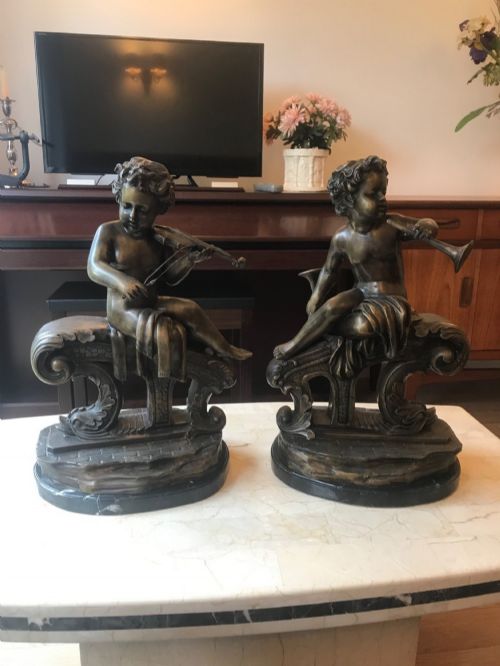
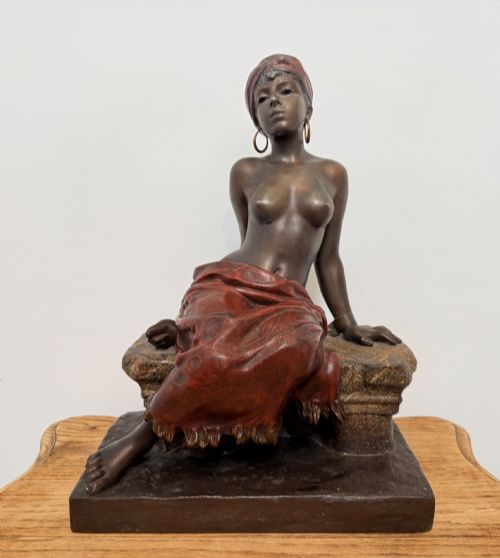
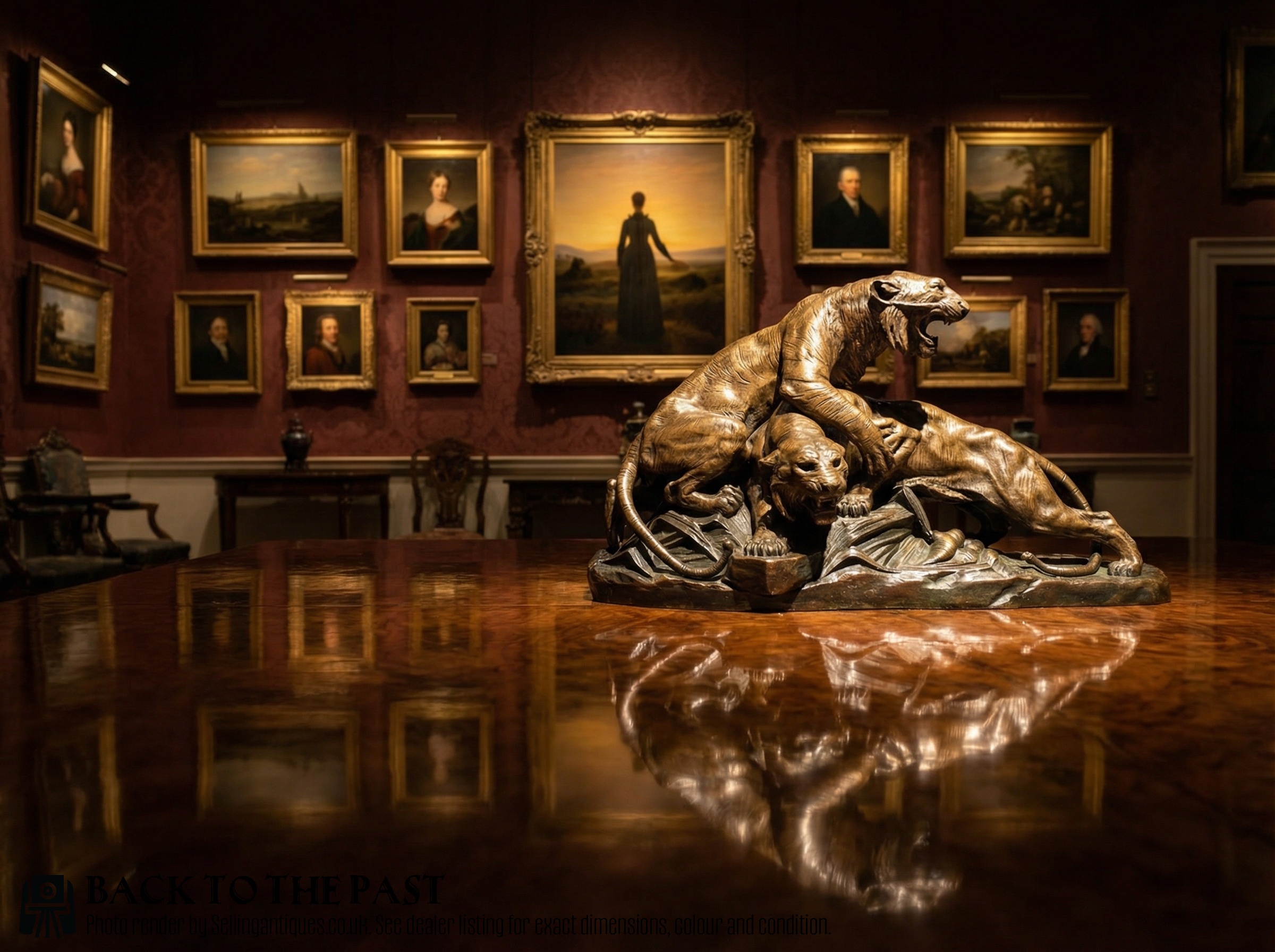
An antique bronze mantel ornament represents the sculptural work created across the nineteenth century to adorn the hearth, often taking the form of figural sculptures and decorated vases. These pieces range from mythological subjects and animalier studies of big cats to classical figures and satyrs, reflecting the varied tastes of the period.
Collectors encounter works from specific periods such as eighteen-eighty and nineteen-ten, alongside items dated broadly to the nineteenth century. Originating largely from French workshops, these sculptures showcase the high output of European foundries during the era.
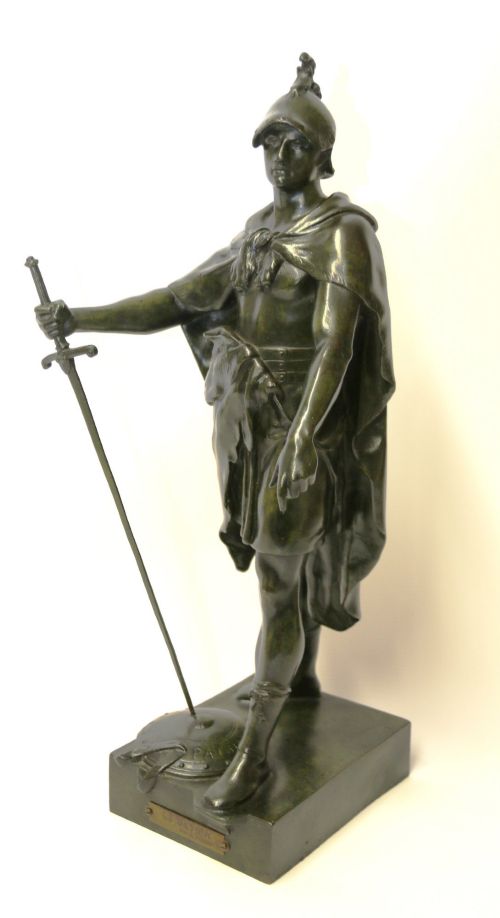
The forms vary between freestanding animal groups, mythological heroes, and vessels incorporating human figures. Each piece serves as a focal point designed specifically for display on a mantelpiece.
Materials and construction
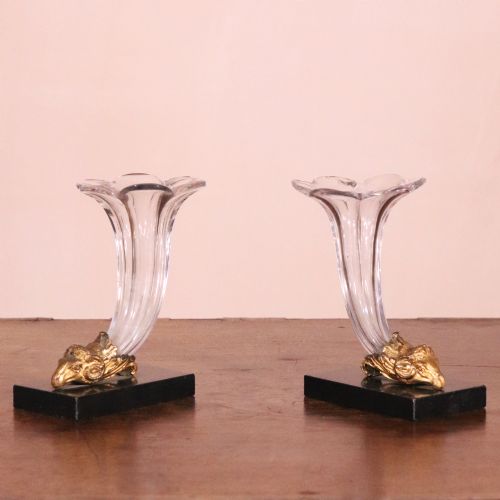
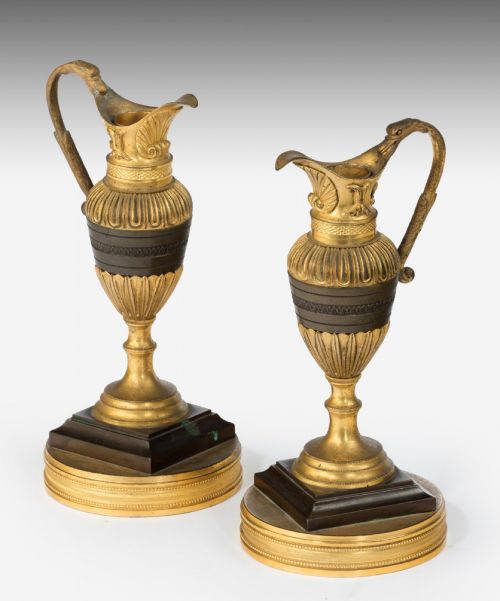
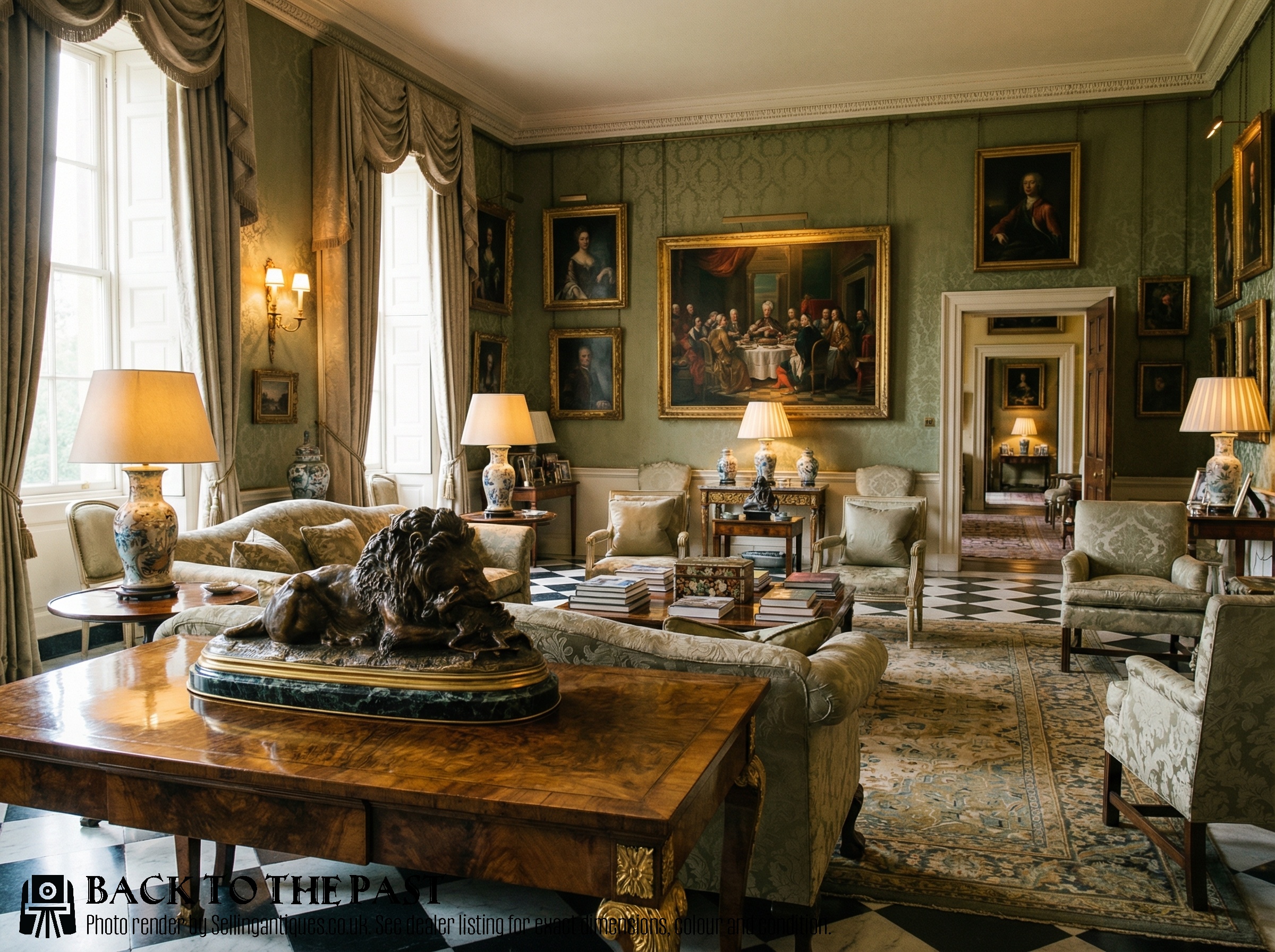
The construction of these ornaments relies on cast bronze, frequently enhanced with patinated surfaces, gilt finishes, or silvered treatments to accentuate the modelling. Workshops also paired the cast metal elements with bases or bodies made from green marble, anchoring the sculptural forms with solid stone.
Foundries utilised traditional lost-wax or sand-casting methods to achieve the intricate detail seen in animal musculature, drapery, and facial expressions. The resulting metalwork received hand-chiselling and chemical patination to create distinct colour tones before mounting.
Retail Price Guide 2026
Typical UK retail prices for bronze mantel ornament, calculated from the Sellingantiques database of over a million retail prices indexed since 2003. This retail price guide relies exclusively on Sellingantiques data; no external sources or auction records are used, so the figures do not describe the wider market.
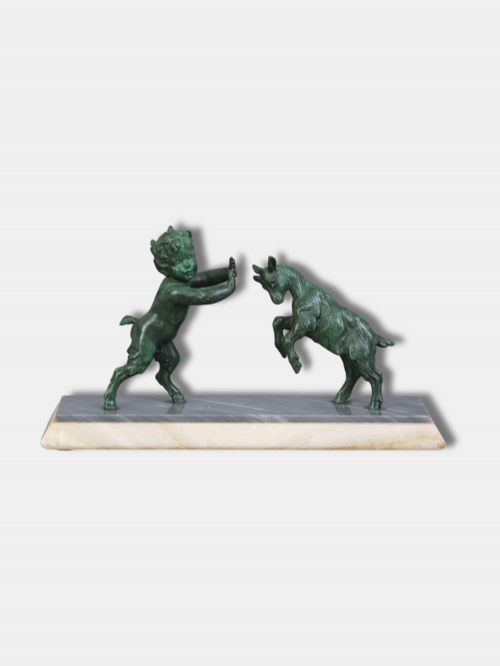
One listed piece captures a moment of mythology with a faun interacting directly with a goat.
Evaluating quality in the metalwork
The nuance of the patination and the integration of secondary materials, such as marble plinths, distinguish finer works. Master founders achieved subtle gradations of tone that elevate a cast from a standard production piece to a work of fine art.
Emile Carlier·Paul Édouard Delabrièrre·E Drouot·Charles Korschann
The Antique Bronze Mantel Ornament Glossary
- Bronze
- An alloy of copper and tin used extensively for sculpture and decorative objects. It accepts patination and fine detail exceptionally well.
- Patinated bronze
- Metal that has been treated with chemicals to produce a specific surface colour or aged finish. This technique highlights the sculptural contours.
- Animalier
- A nineteenth-century artistic style focusing on the realistic depiction of animals, particularly predators in motion. French sculptors excelled in this genre.
- Classical revival
- An artistic movement drawing inspiration from the art and mythology of ancient Greece and Rome. Figures like Ajax frequently appear in this style.
Frequently Asked Questions
What periods do these ornaments come from?
The listings show pieces originating from the nineteenth century, including specific dates like eighteen-eighty and nineteen-ten.
These dates align with the height of European foundry production and the popularity of classical and animalier sculpture.
How were these decorative objects used?
They served primarily as decorative centerpieces placed upon mantelpieces above fireplaces in period homes.
Their substantial weight in bronze and marble made them stable display items designed to command attention in a room.
What materials are combined with the bronze?
Makers frequently incorporated green marble into the design, often as bases or structural components like vases.
Surface treatments also varied, featuring gilt bronze and silvered bronze alongside traditional dark patination.
Which artistic styles dominate these works?
The examples span Art Nouveau, classical revival, and French animalier styles.
These aesthetics reflect the diverse sculptural movements popular in European studios throughout the nineteenth century.