
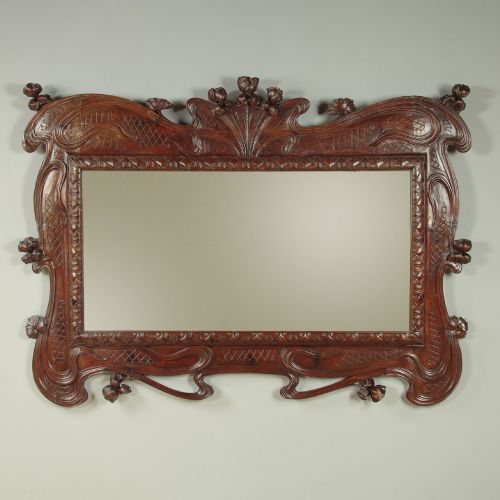
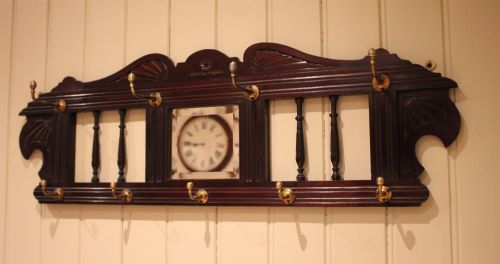
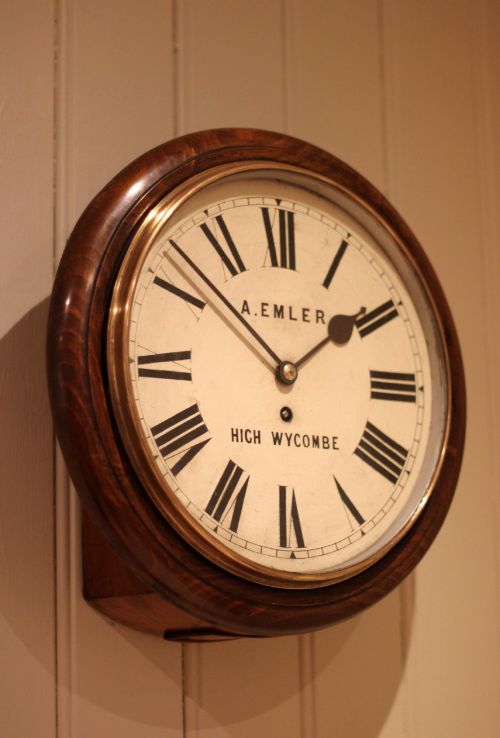
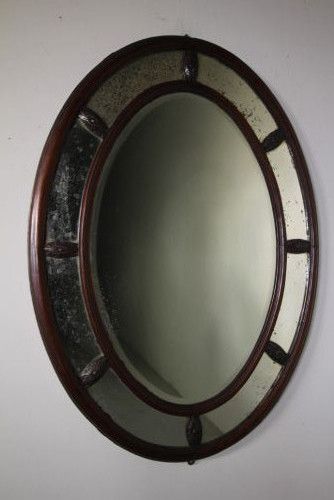
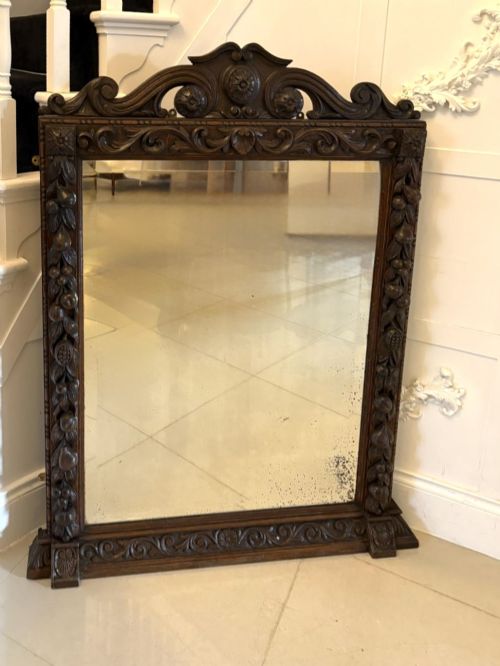
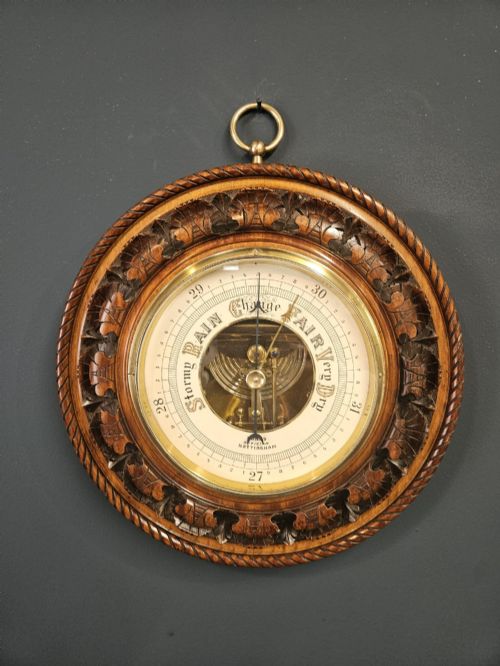


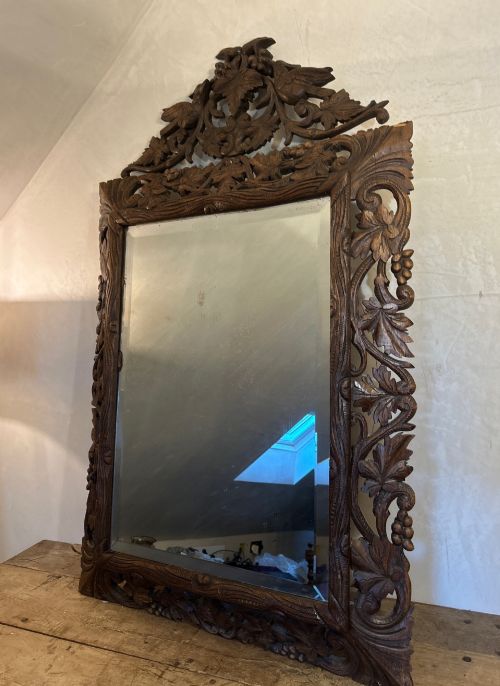
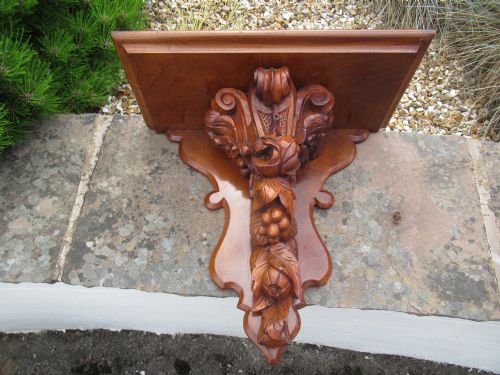
Wooden Wall Carving
A wooden wall carving brings depth and texture to a room, offering centuries of craftsmanship through panels, brackets, and mirrors.
Wooden Wall Carving
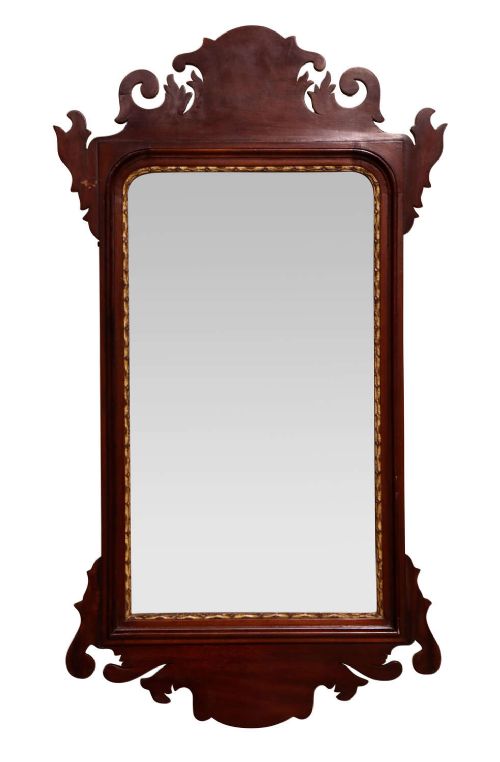
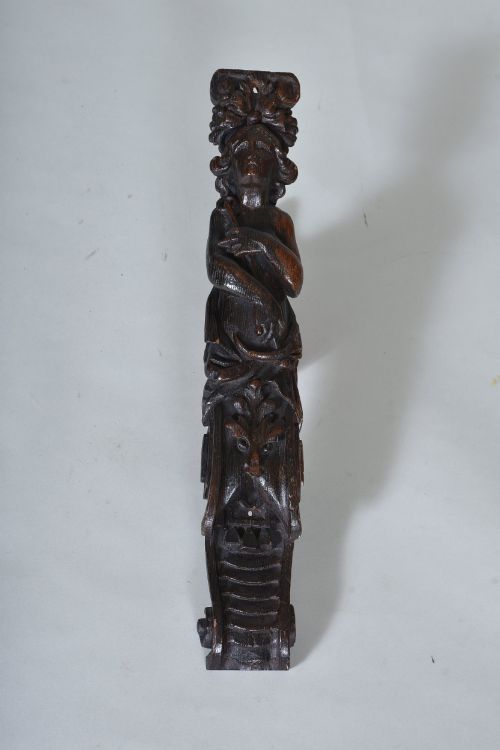
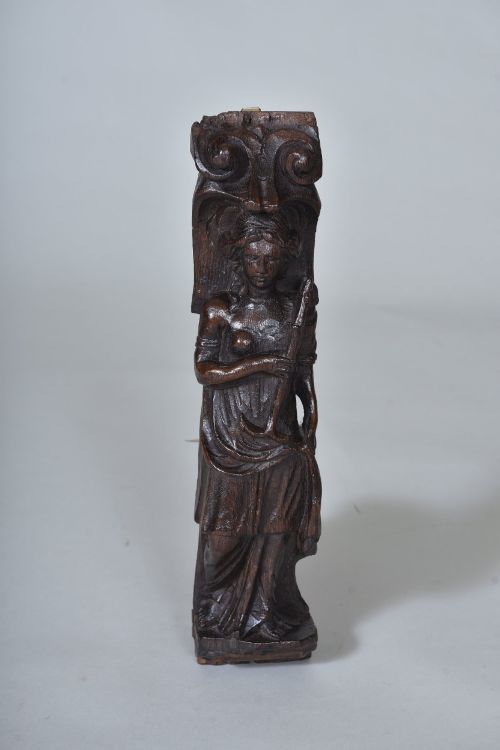
A wooden wall carving encompasses architectural salvage, decorative panels, and functional wall furnishings designed to mount directly onto domestic interiors. Buyers searching for a wooden wall carving encounter items ranging from medieval altar fragments and seventeenth-century oak panels to Victorian coat racks and barometers.
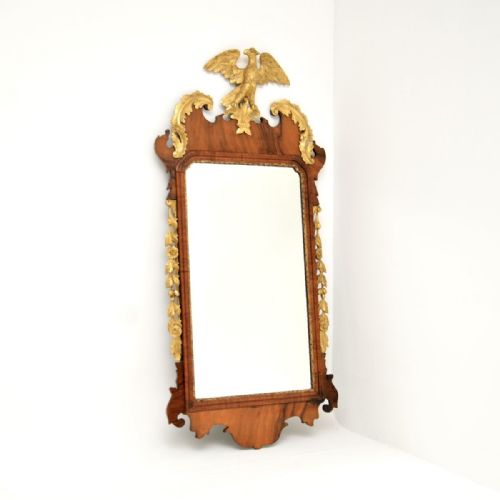
The selections span numerous forms including wall mirrors, clocks, brackets, and plaques. Oak and mahogany dominate the offerings, appearing alongside walnut, beech, and giltwood.
Pieces frequently reflect specific historical revivals such as the Baroque, Gothic, and Rococo styles. Domestic interiors benefit from these textured wooden additions, which provide both practical utility and sculptural presence.
How they were made
Craftsmen utilised dense native and imported timbers, primarily selecting oak, mahogany, and walnut for their stability and suitability for detailed chisel work. Artisans employed hand gouges and chisels to create high-relief foliage, figures, and heraldic motifs directly into the solid wood.
Surfaces often received treatments including gold leaf, gesso, and French polish to highlight the grain and decorative carving. Structural elements utilised traditional joinery such as mortise and tenon frames, securing the carved components for wall suspension.
Listings feature periods spanning from the seventeenth century through the 1930s, utilising oak, mahogany, glass, and giltwood.
What varies in quality
Material selection dictates longevity and visual resonance, with well-figured timber grain and minimal modern intervention holding greater appeal. Original surfaces, whether unpolished oak or patinated giltwood, preserve the integrity of the period workmanship.
The Wooden Wall Carving Glossary
- Gesso
- A plaster-like mixture applied to wood surfaces as a base for gilding or paint. It provides a smooth ground for subsequent application of gold leaf.
- Fusee dial clock
- A clock movement driven by a spring and fusee chain to maintain constant tension. These mechanisms are frequently housed in wooden wall-mounted cases.
- Parcel gilt
- Part gilt, describing an object where only specific carved highlights or raised areas receive gold leaf. The remaining surface displays the natural wood.
- Baroque revival
- A nineteenth-century stylistic movement imitating the dramatic, ornate forms of the seventeenth-century Baroque period. It emphasises rich ornamentation, cherubs, and scrollwork.
- Architectural salvage
- Elements rescued from older buildings, including columns, panels, and carved brackets, repurposed for interior decoration.
Wooden Wall Carving: Frequently Asked Questions
How do I hang a heavy carved wooden mirror?
Heavy mirrors and wall carvings require secure attachment to wall studs using appropriate steel brackets or heavy-duty picture wire rated for the weight of the timber and glass.
Professional installation is recommended for large nineteenth-century frames to ensure the wall structure safely supports the substantial combined weight of the oak or mahogany and mirror plate.
How should I clean antique carved wood?
Dust carved surfaces gently using a soft, dry brush to reach into the crevices without disturbing the wood or any applied gesso and gilt.
Avoid liquid household cleaners and silicone polishes, which penetrate the grain and attract dust over time, preferring traditional beeswax applied sparingly.
What is Black Forest carving?
Black Forest carving refers to Swiss and German decorative woodwork originating in the nineteenth century, known for realistic animal and foliage motifs.
These pieces often take the form of wall brackets, hooks, and clocks featuring bears, deer, and deep naturalistic relief.
How do I tell seventeenth-century oak from later revivals?
Seventeenth-century oak displays distinct tool marks, hand-riven grain, and timber shrinkage consistent with age and primitive hand-sawing techniques.
Revival pieces from the nineteenth century frequently show machine-sawn uniformity and standardised joinery, even when utilising older design motifs.