
Antique Oak Wall Relief
These antique oak wall relief pieces bring centuries of sculptural woodcarving into modern rooms, offering heavy architectural presence and rich historical iconography.
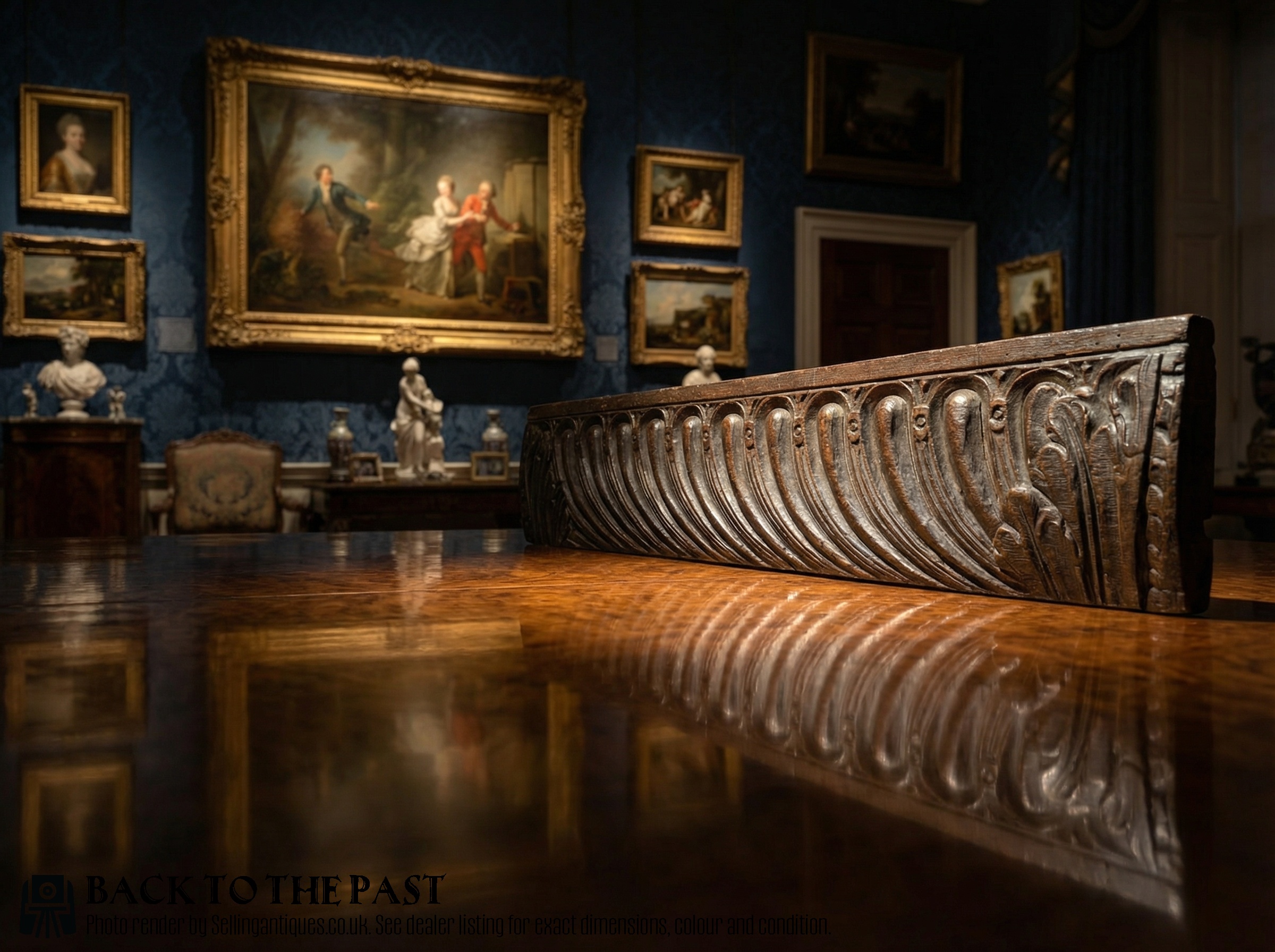
Antique Oak Wall Relief
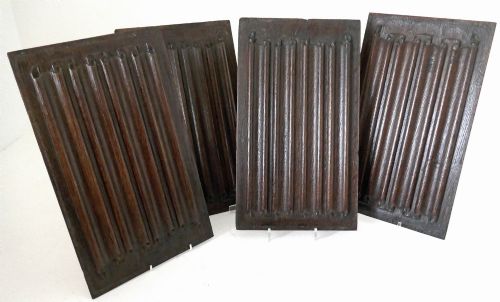
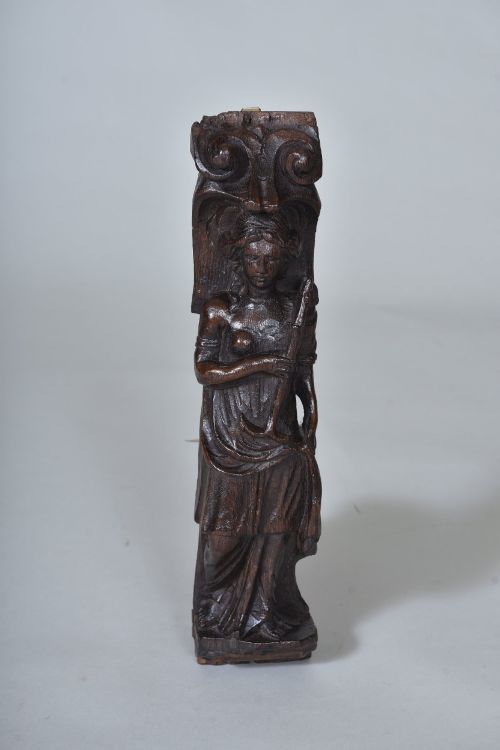
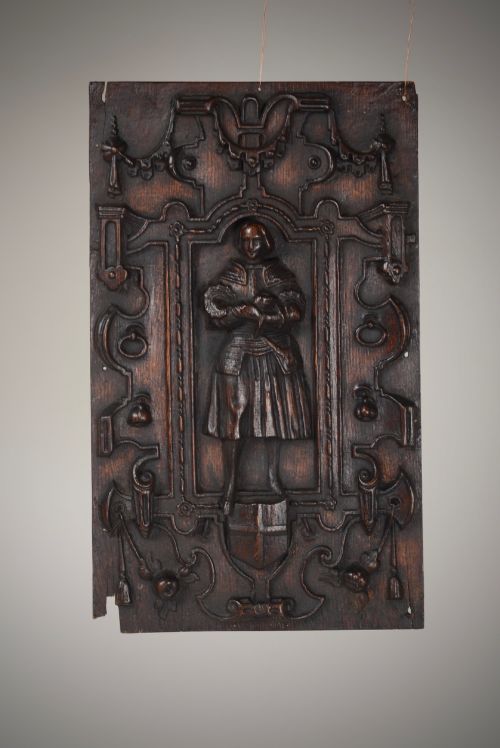
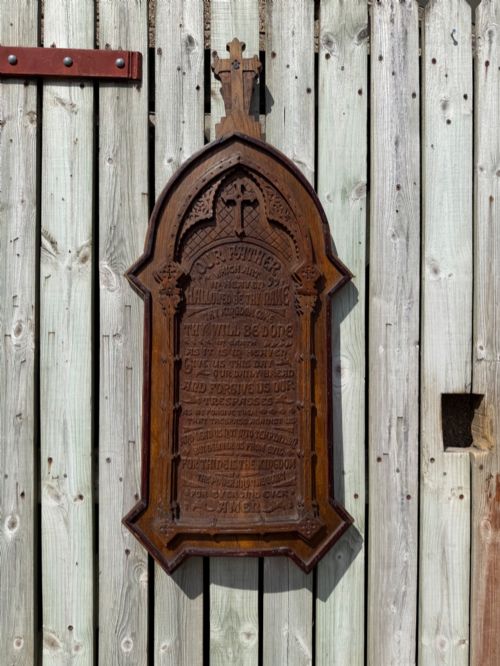
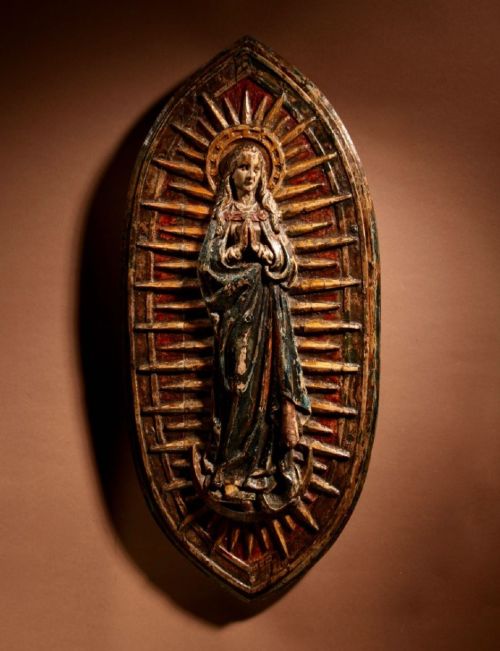
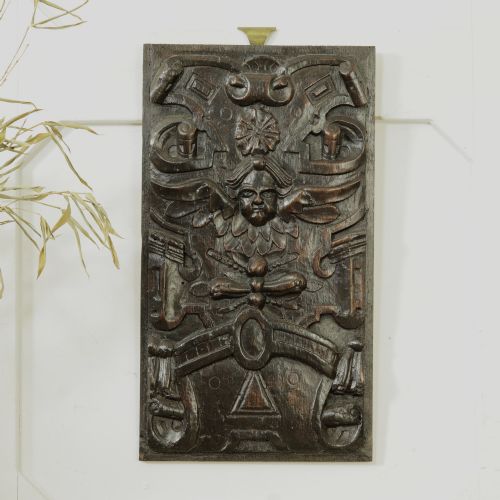
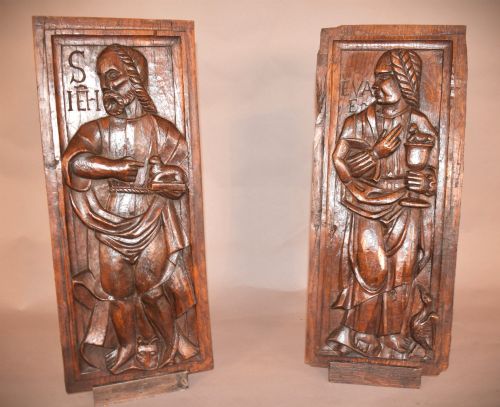
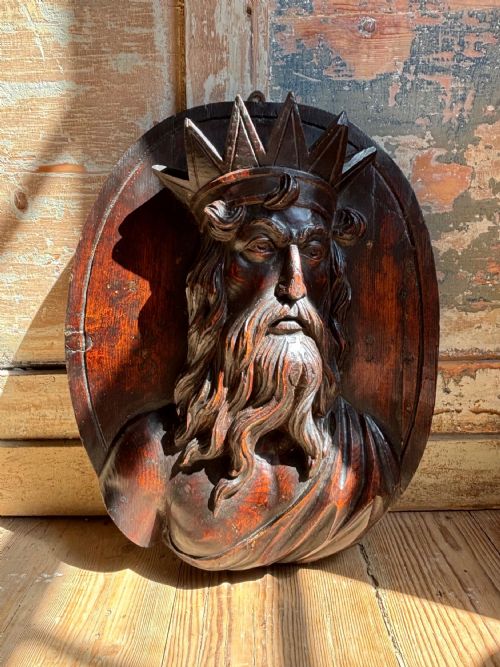
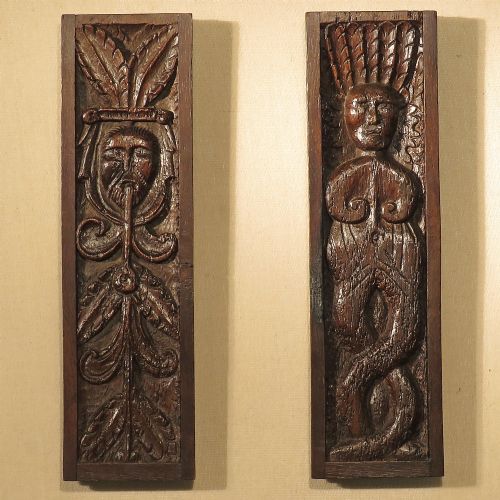
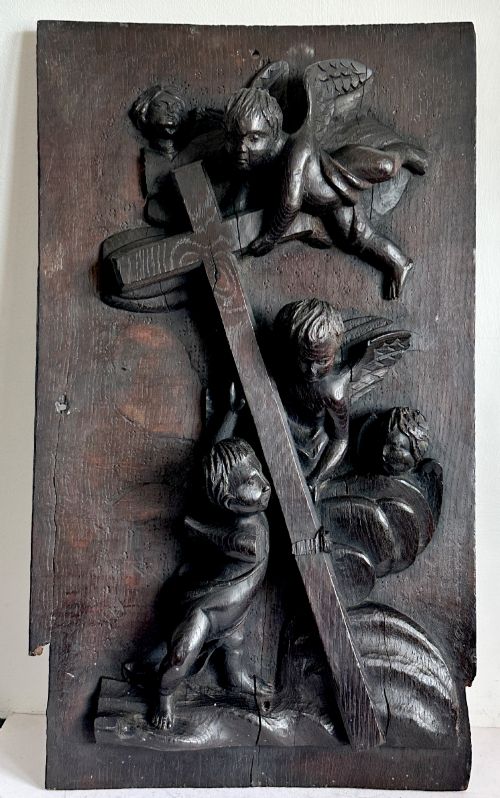
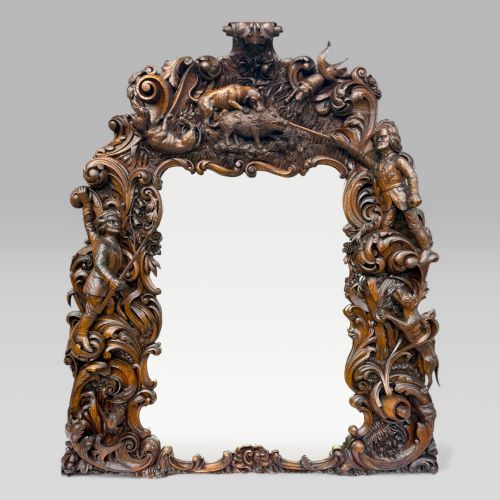
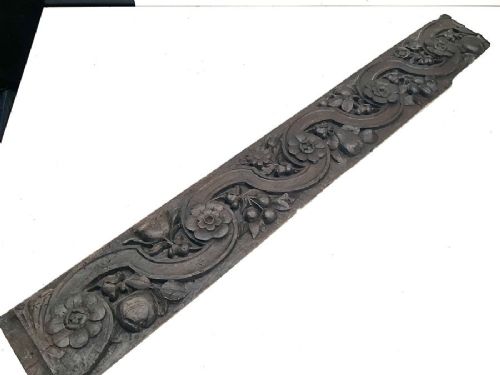
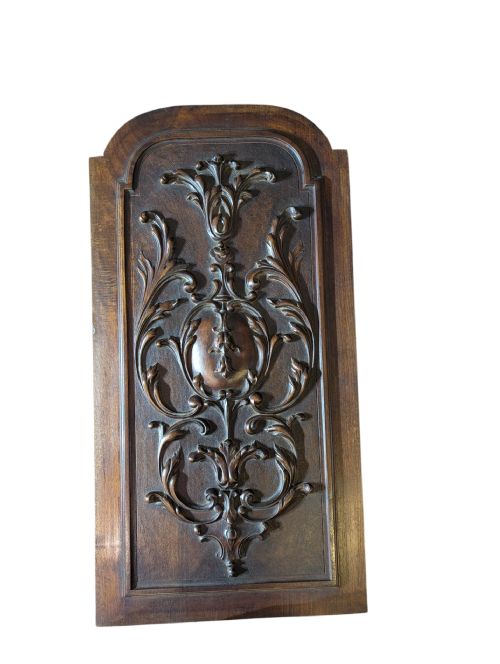
When you search for antique oak wall relief, you encounter solid timber panels, plaques, and fragments rescued from domestic interiors, churches, and civic buildings. The examples seen here range from sixteenth-century linenfold panels and medieval ecclesiastical sculptures to seventeenth-century baroque friezes and later revival overmantels.
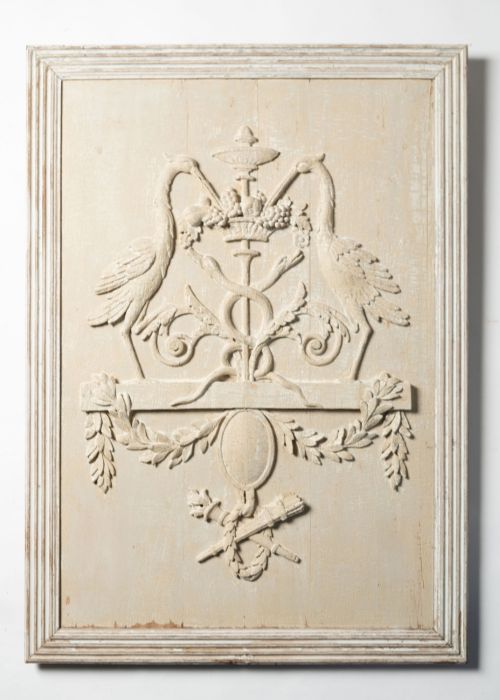
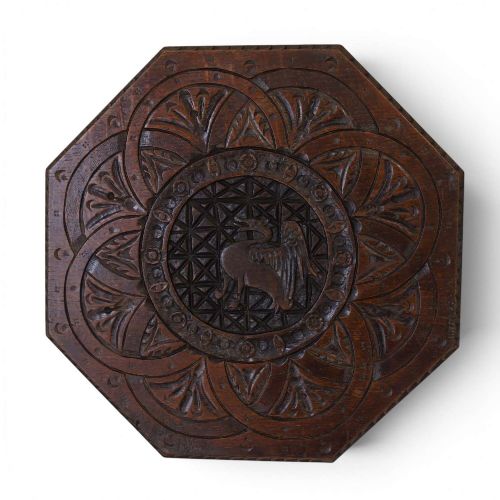
Most pieces take the form of flat or high-relief carvings meant to mount directly onto interior walls, though some originate as former tabletops, overdoor sections, or structural corbels. Subjects span religious iconography, classical figures such as Neptune, allegorical themes, and heraldic crests reflecting European craftsmanship from England, France, Germany, and the Low Countries.
How They Were Made
Carvers shaped these works using seasoned timber, predominantly native oak alongside supplementary fruitwood and walnut. Artisans employed gouges, chisels, and mallets to remove material, achieving varying degrees of depth from shallow piercing to high relief.
Many items display hand-planed joinery marks at the reverse and retain traces of historical surface treatments, including wax polish or polychrome pigment. Structural elements often rely on mortise and tenon joints or heavy pegging suited to architectural placement.
Object types include architectural salvage, wall plaques, reliefs, sculptures, and friezes in Gothic Revival and Baroque styles.
What Varies in Quality
The standard of carving defines the distinction between competent workshop output and master execution, visible in the articulation of facial expressions, drapery folds, and symmetrical balance. Crisp undercut details and deep perspective indicate a confident hand, whereas mechanical or heavy-handed recutting flattens the surface vitality.
Integrity of timber and historical context also influence quality, as original surfaces retain tool marks and patination that heavy restoration obscures. Pieces maintaining their original structural framing or distinct provenance carry greater artistic weight.
Edward Pearce·Sherwin and Cotton
The Antique Oak Wall Relief Glossary
- Linenfold
- A style of wood panelling carved to resemble folded vertical linen cloth. It appears frequently on sixteenth-century domestic and ecclesiastical joinery.
- Corbel
- A structural piece of stone or timber projecting from a wall to support a weight. In woodcarving, these often terminate in figurative or grotesque heads.
- Frieze
- A long, narrow band of sculpture decorating a wall, mantel, or piece of furniture. These horizontal sections typically display repeating motifs or continuous narrative scenes.
- Overmantel
- The decorative woodwork or framework placed above a fireplace mantelpiece. Surviving examples often incorporate large carved panels or mirrors.
Antique Oak Wall Relief: Frequently Asked Questions
How do I hang a heavy oak relief safely?
These dense timber carvings require secure fixings anchored directly into wall studs or masonry using appropriate metal brackets. Professional installation ensures the substantial weight distributes safely without damaging the historic wood.
Avoid hanging pieces in locations subject to rapid humidity or temperature shifts, such as directly above active fireplaces. Stable indoor climates prevent the timber from warping or splitting over time.
Are these carvings from furniture or buildings?
The pieces originate from diverse sources, including dismantled architectural interiors, church screens, secular overmantels, and occasionally repurposed furniture elements like tabletops or cabinet doors. Structural clues on the reverse, such as mortise slots or rebate edges, often reveal their initial placement.
Many wall reliefs started life as structural components before being mounted independently for display. This adaptive reuse has occurred across centuries to preserve fine sculptural fragments.
How do I tell sixteenth-century panels from later copies?
Early sixteenth-century work displays distinct tool marks left by hand gouges and adzes, alongside the characteristic shrinkage and oxidisation associated with ancient heartwood. The density of the grain and the organic asymmetry of hand-carved motifs differ markedly from later machine-tooled reproductions.
Stylistic conventions, such as the specific execution of linenfold folds or gothic tracery, provide further clues to period manufacture. Examining the back of the panel often reveals period joinery methods consistent with early workshop practices.