




Heraldic Lion Crest
A heraldic lion crest brings centuries of lineage and striking sculptural presence to a room, offering bold historical weight for the collector.
Heraldic Lion Crest
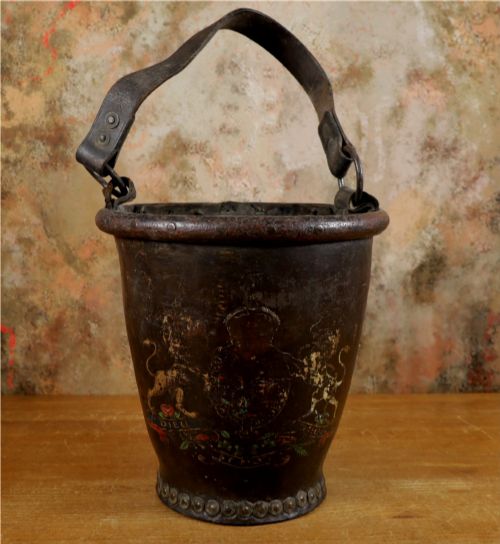
A heraldic lion crest represents centuries of armorial tradition, taking physical form as wall plaques, shields, fire buckets, and monumental metal castings. These pieces translate royal and noble insignia into tangible decor, serving as focal points within an interior space.
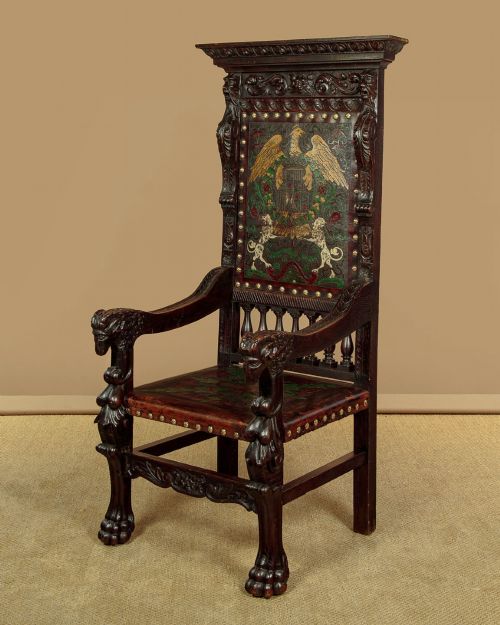
The selections available here lean heavily toward Victorian cast iron productions alongside earlier Georgian leather work and carved oak. Buyers encounter items ranging from large wall sculptures to functional items bearing coats of arms.
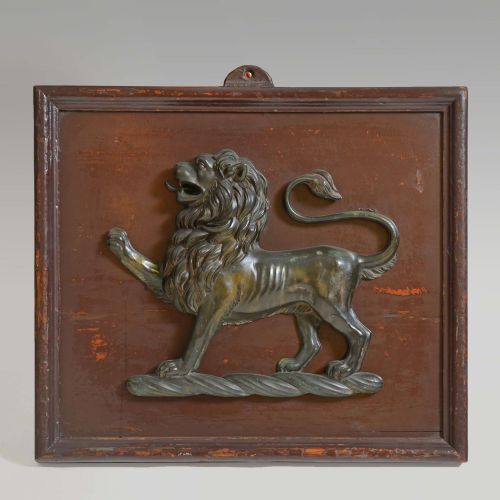
Originating from British and European houses, these items capture the solemnity of heraldry through dynamic poses such as the lion passant. Every piece carries a distinct narrative of clan identity or royal patronage.
Materials and Construction Techniques
Foundry work dominates the physical evidence, utilising heavy cast iron and cast bronze to produce durable armorial shields and door stops. Molten metal flows into detailed moulds, capturing intricate crown work and muscular feline forms.
Timber construction relies on carved oak, often manipulated into throne chairs, Pugin design shields, and fire bucket frames. Artisans pair this structural woodwork with painted leather panels, applying pigment and gold leaf to highlight heraldic tinctures.
Heraldic Lion Crest Retail Price Guide 2026
Typical asking prices for heraldic lion crest among the pieces listed under this phrase on Sellingantiques today, from the lower quarter to the upper quarter. They describe what is for sale here now, not the wider market.
Clan Stirling lions watch over the room with noble indifference.
Markers of Quality and Execution
Cast metal pieces separate through the crispness of the relief work, where sharper lines in the lion's mane and crown denote superior pattern making. Heavy iron and bronze castings show deeper undercut details rather than soft, blurred contours.
Polychrome finishes and gold leaf applications reveal craftsmanship through the preservation of hand-painted pigment. Well-executed pieces maintain harmonious colour application on leather and wood without clumsy overpainting.
The Heraldic Lion Crest Glossary
- Lion passant
- A heraldic term describing a lion walking in profile with its right forepaw raised. This specific posture frequently appears on bronze and iron crests.
- Armorial coat of arms
- A unique design displayed on a shield or crest denoting family lineage or institutional authority. These motifs form the primary subject of these antiques.
- Pugin design
- A decorative style inspired by the Gothic revival work associated with Augustus Pugin. It influences the medieval character of nineteenth-century shields and carved oak.
- Polychrome paint
- The multi-coloured decoration applied to carved wooden and leather armorials. This technique provides the authentic heraldic tinctures seen on historical crests.
- Cast iron
- A strong, heavy metal alloy poured into moulds to create monumental royal coats of arms and wall plaques. It offers high durability and sharp sculptural definition.
Heraldic Lion Crest: Frequently Asked Questions
Where should I hang a heavy iron crest?
Heavy cast iron and bronze armorial plaques require secure wall anchoring into structural studs or masonry to support their substantial weight safely.
Positioning them above a fireplace mantel or as a central feature in a study complements their architectural and historical scale.
How do I clean painted leather items?
Painted leather fire buckets and panels demand gentle dusting with a soft, dry cloth to protect fragile pigments and gold leaf.
Avoid liquid cleaners and moisture, as water damages old paint layers and degrades the underlying treated hide.
What does a lion passant signify?
The lion passant depicts the beast walking forward while looking outward, a traditional symbol of courage, nobility, and strength in heraldry.
Clan crests utilise this specific stance to denote particular Scottish and English lineages.
How do I date a cast iron coat of arms?
Dating relies on assessing the style of the crown, the typography of the motto, and the casting technique relative to known manufacturing periods.
Nineteenth-century Victorian interpretations often feature heavier metalwork and revival Gothic detailing compared to earlier Georgian variants.
Can bronze door stops be used daily?
Bronze door stops and porters function well in everyday environments due to the inherent durability of the alloy.
Placing them on interior floors adds a functional historic element while enduring normal household traffic.