


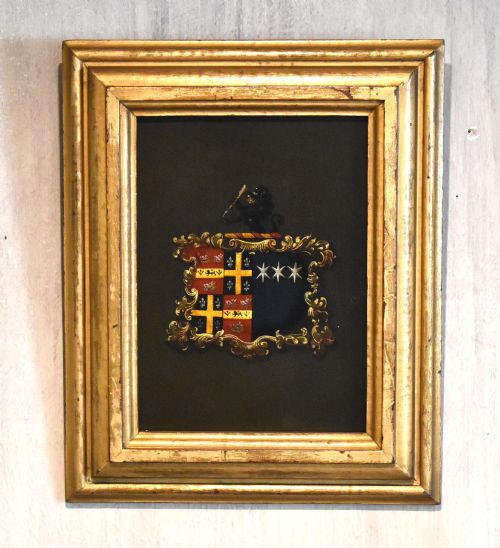


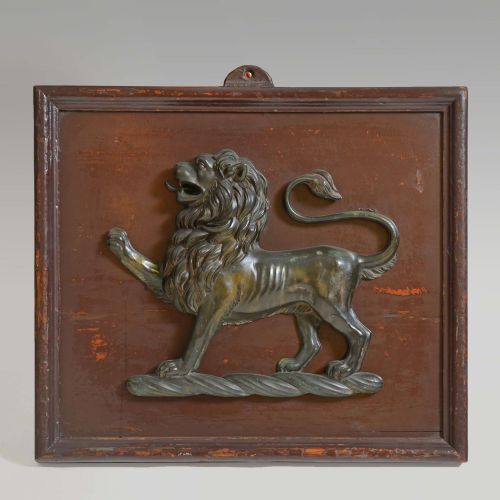
Antique Heraldic Wall Crest
An antique heraldic wall crest carries lineage and allegiance into a room, fashioned from carved wood, cast iron, or painted gesso to declare identity.
Antique Heraldic Wall Crest
When you search for an antique heraldic wall crest, you encounter armorial panels, cast iron plaques, and carved shields that once marked families, railways, and institutions. The selection leans heavily toward nineteenth-century works, alongside seventeenth-century fragments and early twentieth-century commemoratives.
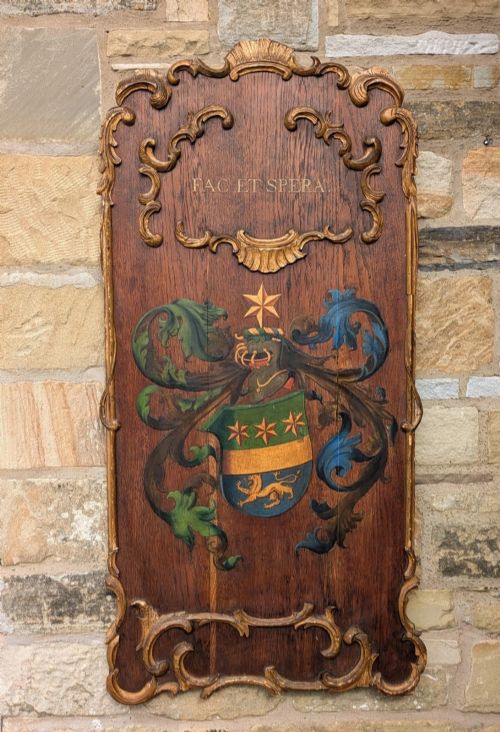
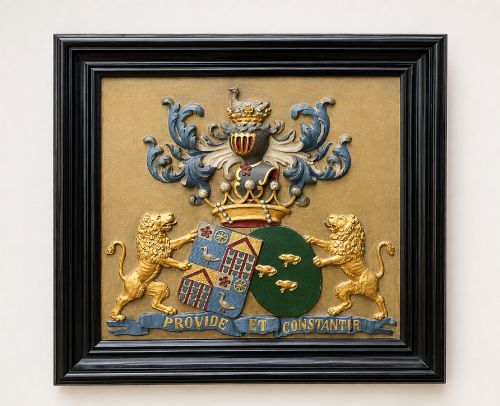
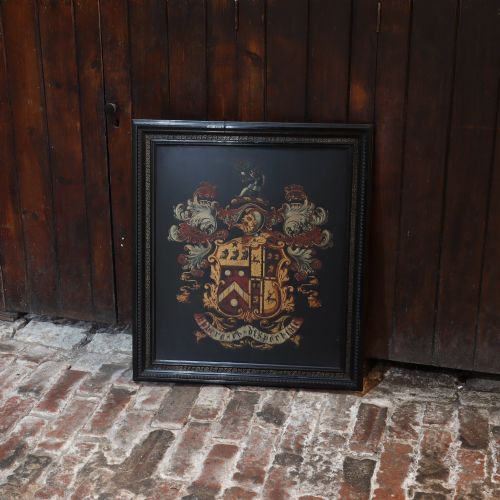
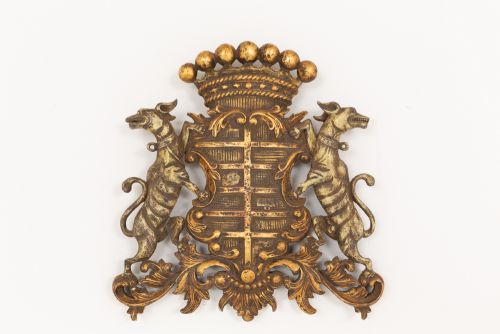
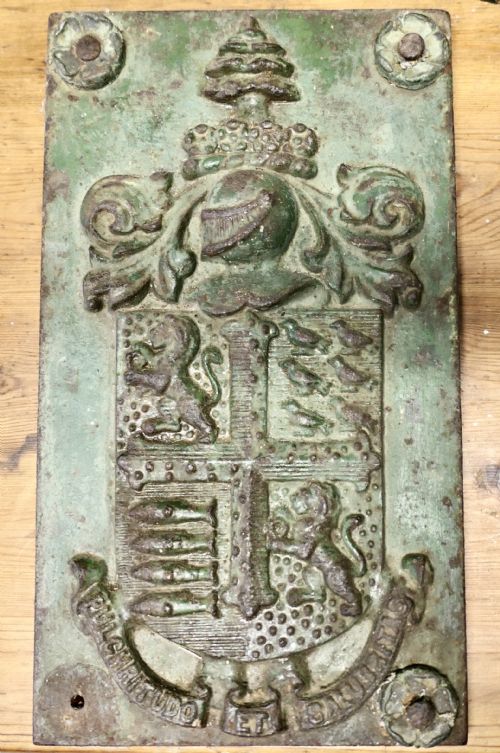
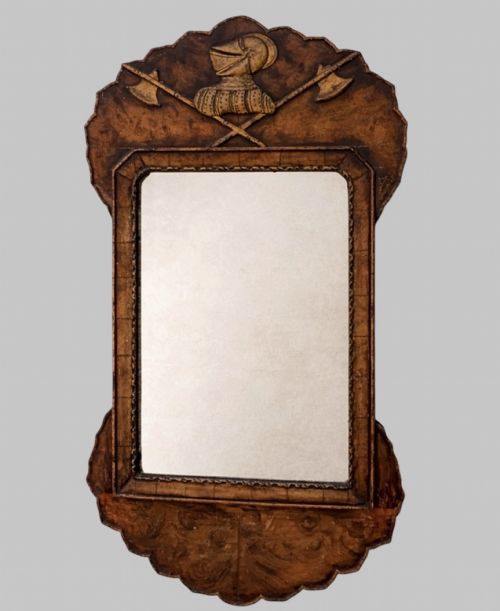
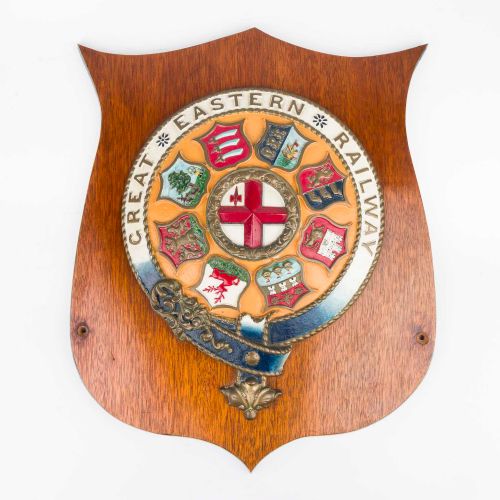
Most items on this page take the form of wall plaques, framed panels, or mirrors incorporating coats of arms. These objects range from heavy iron royal insignia to carved wooden panels bearing specific family crests.
Materials and Construction
Makers utilised carved oak, walnut, and hardwoods, often applying gesso, paint, and gold leaf to articulate the intricate details of the arms. Cast iron and bronze served for heavier institutional and royal plaques, offering durability and sharp relief.
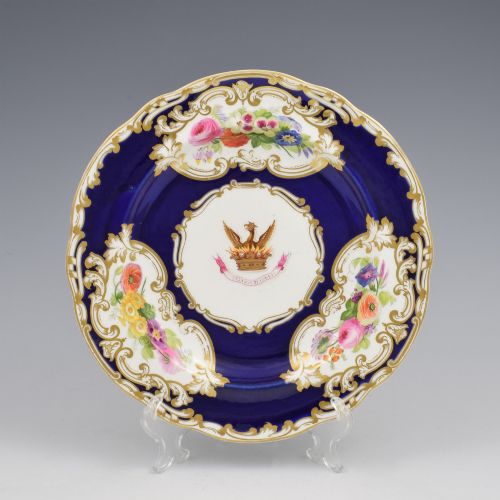
Many panels combine media, setting carved wood into brass frames or mounting painted plaster and porcelain plates. Surface finishes rely on traditional hand-painting and polychrome decoration to render heraldic tinctures accurately.
Antique Heraldic Wall Crest Retail Price Guide 2026
Typical asking prices for heraldic wall crest among the pieces listed under this phrase on Sellingantiques today, from the lower quarter to the upper quarter. They describe what is for sale here now, not the wider market.
Object forms include wall plaques, mirrors with armorial crests, ceramic plates, and embroidered military commemoratives.
Determinants of Quality
The precision of the carving or casting dictates the distinction between standard production and masterwork pieces. Crisp lines in cast iron and deep, undercut carving in walnut demonstrate superior craftsmanship.
Original surface preservation separates well-kept examples from heavily restored ones. Retaining the original polychrome paint or gilding elevates an armorial panel, whereas overpainting obscures the maker's hand.
The Antique Heraldic Wall Crest Glossary
- Armorial
- Relating to heraldry or bearing a coat of arms. These designs display specific lineages and familial or institutional allegiances.
- Gesso
- A plaster mix applied to wood or panels as a base for paint and gold leaf. It allows for sharp relief moulding before decoration.
- Polychrome
- Painted in several colours. This treatment brings heraldic shields and crests to their correct visual standards.
- Cartouche
- An oval or oblong frame enclosing a crest, inscription, or armorial design. It frequently appears on commemorative plaques and metal emblems.
- Charger
- A large broad-rimmed plate or platter, often in pewter or ceramic. Some examples bear engraved family crests upon the rim or centre.
Antique Heraldic Wall Crest: Frequently Asked Questions
What is an antique heraldic wall crest?
An antique heraldic wall crest is a decorative or commemorative object displaying a coat of arms, family lineage, or institutional badge intended for display upon a wall.
These pieces originate from various eras, utilising materials like cast iron, carved wood, and painted gesso to record history and identity.
How were heraldic wall plaques used?
Owners mounted these plaques in great halls, offices, and homes to signal status, lineage, or affiliation with specific regiments, railways, and families.
Institutional pieces marked property or achievements, while domestic examples recorded marriages and ancestral roots.
How do I hang a heavy cast iron crest?
Heavy cast iron and bronze pieces require secure fixings into wall studs or masonry using appropriate weight-bearing brackets and screws.
Given the substantial mass of iron and hardwood panels, professional installation ensures the wall supports the load safely.
How can I tell the period of a crest?
Dating relies on material analysis, the style of the mounting frame, and the specific heraldic attribution or maker recorded on the piece.
Nineteenth-century examples often show industrial casting techniques, whereas seventeenth-century items display hand-carved marble or early pewter craftsmanship.