




Carved Wood Wall Crest
Carved wood wall crest pieces bring historical presence to an interior, functioning as sculptural focal points above mantelpieces and doorways.
Carved Wood Wall Crest
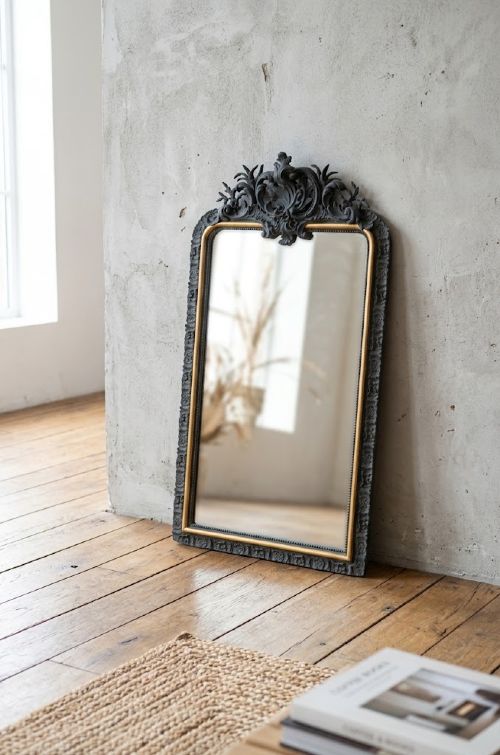
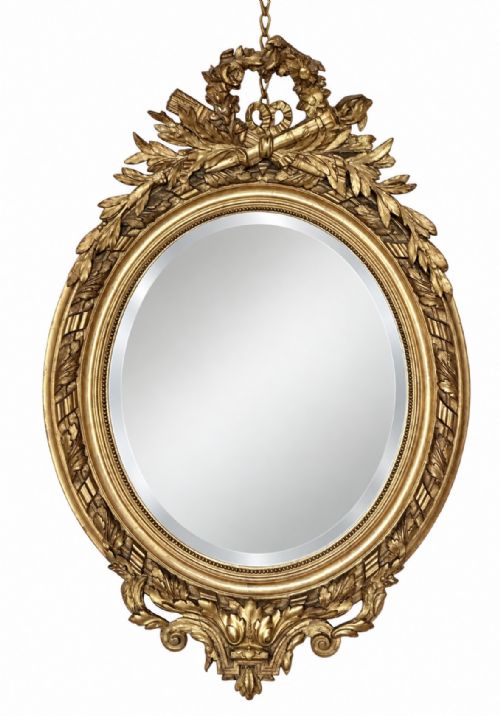
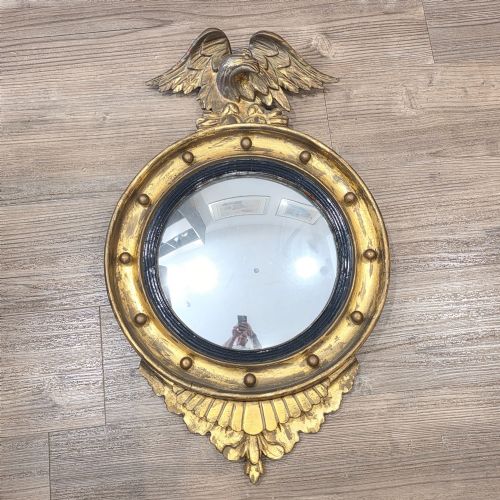
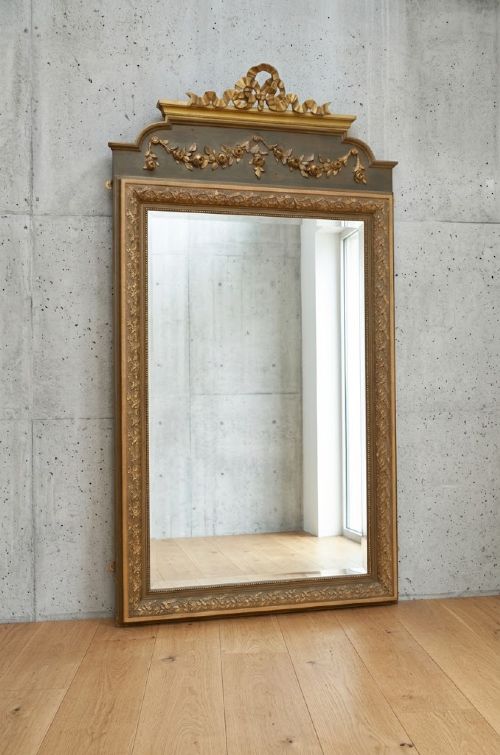
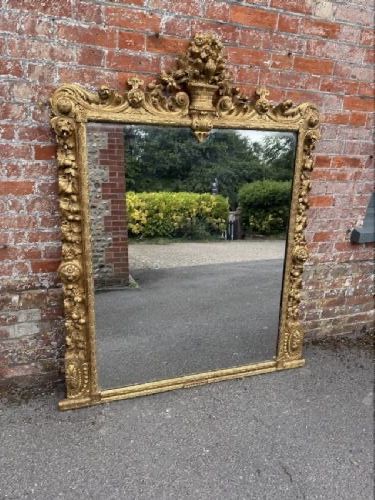
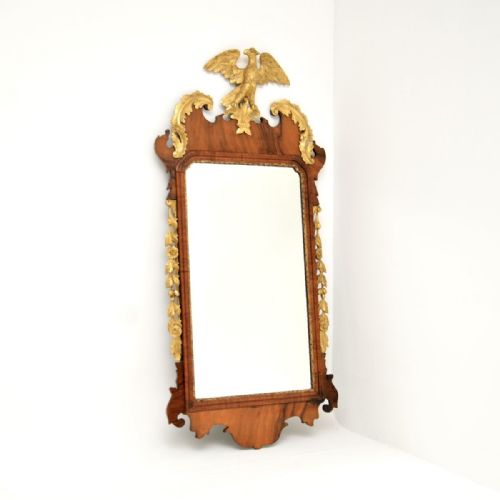
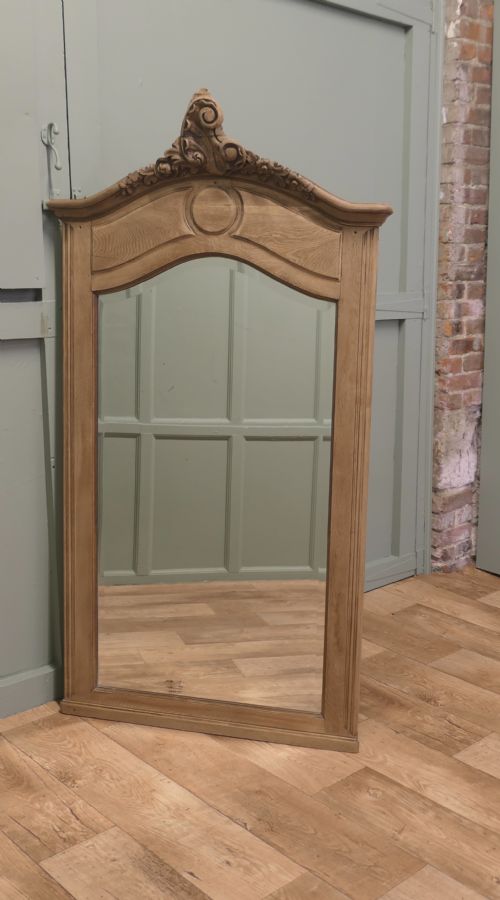
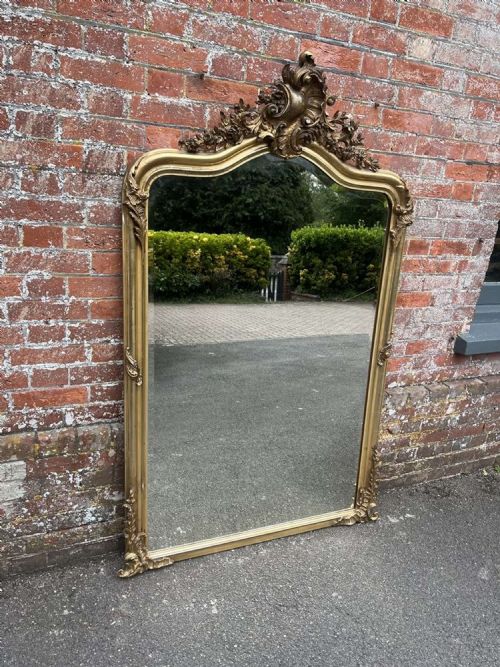
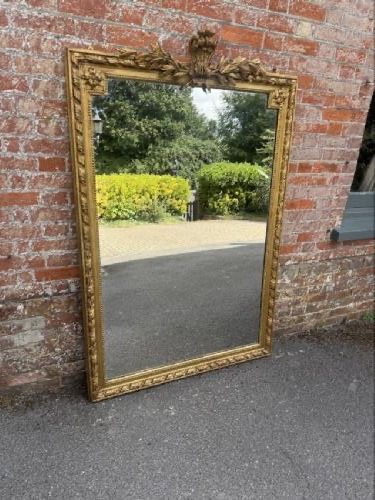
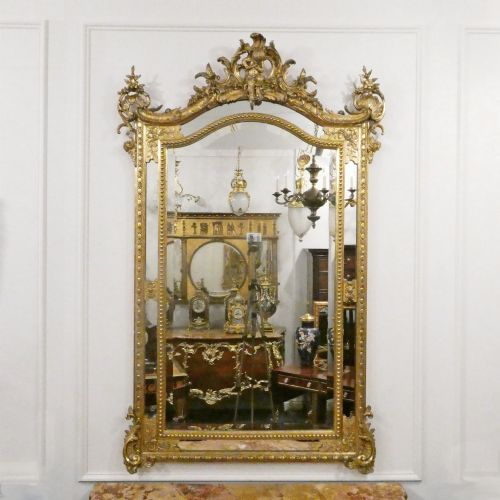
When searching for a carved wood wall crest, you encounter sculptural wooden plaques, armorial shields, and decorative mirror crestings originating from the eighteenth, nineteenth, and early twentieth centuries. These objects frequently take the form of heraldic marriage plaques, architectural pediments, and elaborate mirror frames topped with carved eagles, ribbons, or avian figures.
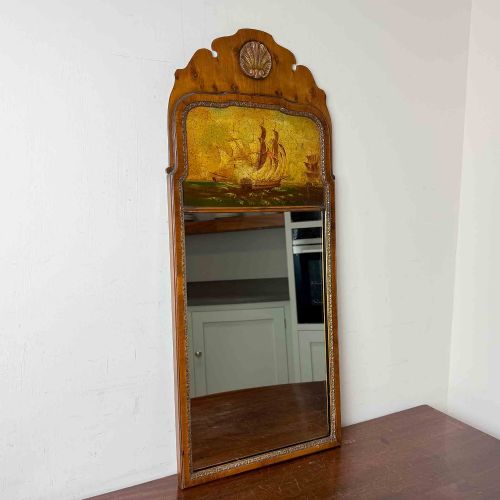
The pieces on this page span diverse stylistic revivals, including Chippendale, Louis XV, and Regency designs executed in Britain, France, Italy, and the Netherlands. Wall plaques and carved shields appear alongside mirrors surmounted by ornate wooden crestwork, reflecting the domestic and ceremonial tastes of their respective periods.
How they were made
Carvers shaped these pieces primarily from solid hardwoods such as mahogany, oak, and yew, applying gesso layers to carved wooden foundations when preparing surfaces for subsequent gilding. Gold leaf and paint finishes were then meticulously applied over the gesso ground to highlight the intricate relief work and depth of the carving.
Makers utilised traditional joinery and hand-carving chisels to fashion complex three-dimensional motifs like heraldic crests, maritime scenes, and foliate scrolls. Foxed mercury glass and mirror plates were subsequently integrated into framed wall pieces, secured within carved wood and giltwood structures.
Materials recorded across the inventory include mahogany, gesso, giltwood, oak, carved wood, and mirror glass.
What varies in quality
The depth, sharpness, and anatomical precision of the hand-carving distinguish superior examples from simpler production, particularly in complex motifs like spread eagles, heraldic animals, and foliate scrolls. Crisp undercut details demonstrate a carver's mastery over the wooden medium, whereas softer, shallower relief indicates less accomplished execution.
The preservation of original surface treatments, such as genuine gold leaf, early gesso layers, and period painted finishes, determines the integrity of an object. Pieces retaining their original carved crestings and uncompromised structural joins hold greater aesthetic coherence than those with later replacements or heavy restoration.
Gillows Of Lancaster·Van Rijckevorsel And Verheijen
The Carved Wood Wall Crest Glossary
- Giltwood
- Wood that has been coated with a thin layer of gold leaf. This technique was widely applied to eighteenth and nineteenth-century mirror frames and wall ornaments to create a luminous metallic surface.
- Gesso
- A plaster-like mixture applied to a wooden base as a smooth foundation for gilding or painting. Artisans built up gesso layers before carving fine decorative details into the surface.
- Cresting
- An ornamental feature placed along the top of a mirror frame, wall plaque, or piece of furniture. These architectural additions often incorporate birds, ribbons, or heraldic shields.
- Armorial
- Relating to heraldry, coat of arms, or family crests. Armorial wooden plaques and shields were traditionally commissioned to commemorate marriages or lineage.
- Parcel-gilt
- Partially gilded, where selected portions of a wooden object are highlighted in gold leaf while the remaining areas reveal the natural or painted wood underneath.
Carved Wood Wall Crest: Frequently Asked Questions
What rooms suit a carved wood wall crest?
These pieces integrate naturally into drawing rooms, libraries, and hallways where vertical wall space allows the carved wooden details to act as a focal point. Placed above mantelpieces, sideboards, or doorways, they draw the eye upward and add architectural depth to an interior.
Because many examples incorporate mirrors or heraldic shields, they function well in spaces requiring both reflective light and traditional decorative presence. Pairing them with period furniture helps anchor their historical design within a room.
How were heraldic wall crests used historically?
Heraldic plaques and armorial shields were commissioned by prominent families to mark significant alliances, marriages, or lineage milestones. They served as public declarations of status and heritage within domestic interiors and civic spaces.
Carved wooden crests were frequently positioned above primary doorways or incorporated into grand overmantels. Their intricate symbols communicated specific genealogical narratives to visitors.
How do I identify a Chippendale revival crest?
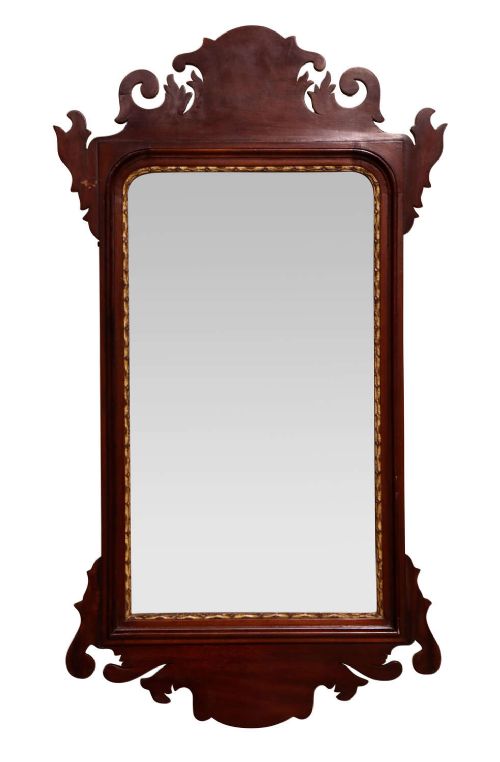
Chippendale revival pieces from the nineteenth and early twentieth centuries emulate the characteristic asymmetry, rococo scrolls, and naturalistic motifs of eighteenth-century English design. Look for carved fretwork frames and prominent crestings featuring birds, such as the distinctive Ho-Ho bird.
Makers working in this style often utilised mahogany and applied careful parcel-gilt highlights to accentuate the pierced woodwork. The execution tends to exhibit the heavier, denser timber characteristic of Victorian workshop production.
How should I care for antique giltwood?
Antique giltwood requires a stable indoor environment away from direct sunlight, excessive humidity, and sudden temperature fluctuations. These factors can cause the underlying gesso and wood to expand, leading to cracking or flaking of the delicate gold leaf.
Dusting should be performed gently with a dry, soft-bristled brush, avoiding chemical cleaners or moisture entirely. Professional conservation is recommended if any separation occurs between the gesso and the wooden substrate.