



Carved Wood Crest Panel
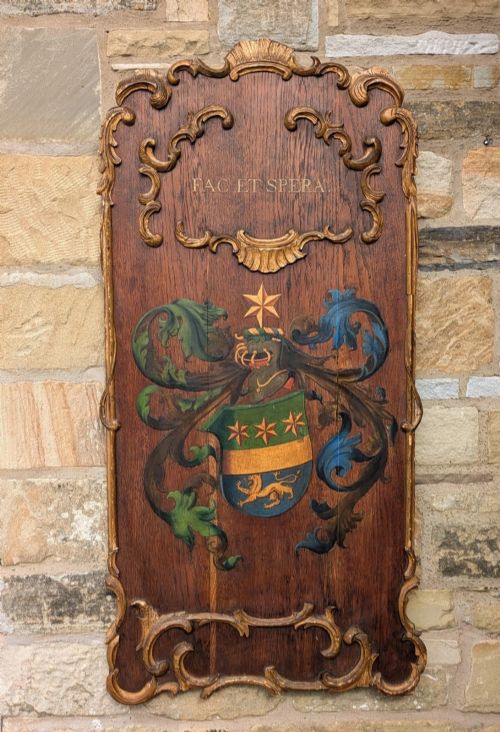
A carved wood crest panel brings heraldry and architectural detail into an interior through hand-chiselled oak, mahogany, and walnut.
Carved Wood Crest Panel
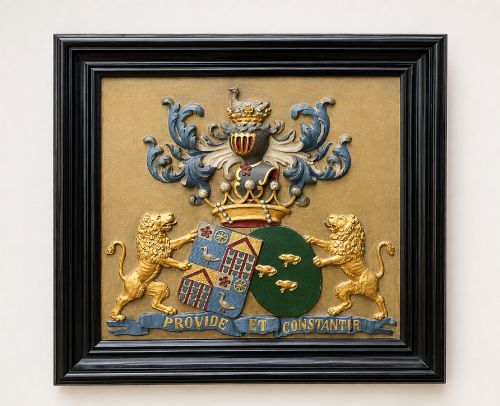
When you search for a carved wood crest panel, you encounter heraldic plaques, armorial book covers, architectural pediments, and cresting elements taken from mirrors or furniture. These objects range from seventeenth-century oak panels and nineteenth-century Dutch marriage plaques to early twentieth-century fairground carvings.
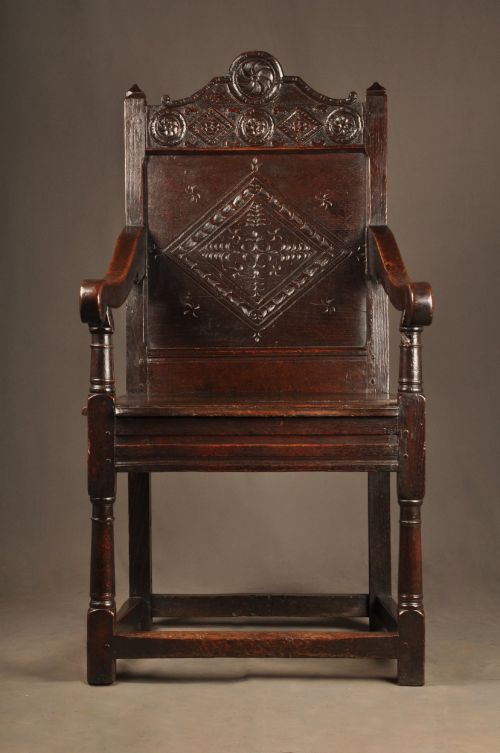
The pieces on this page lean heavily toward nineteenth-century works, Victorian gothic designs, and seventeenth-century oak items such as wainscot chairs featuring integral carved crests. You will also find walnut armorial panels, firescreens depicting clan coats of arms, and gilded architectural salvage.
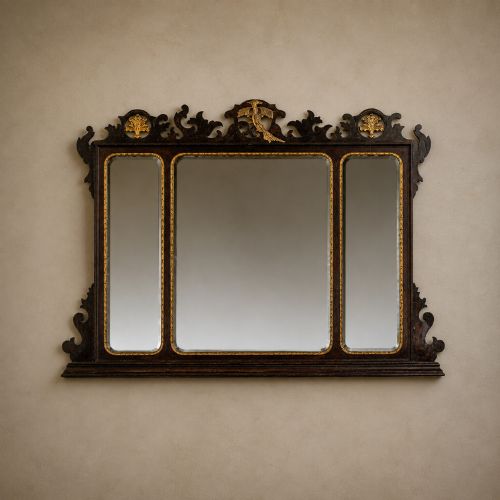
Many items function as wall plaques or overmantel mirror crestings, displaying family crests, heraldic symbols, or foliate motifs. Their origins span English, Dutch, and French workshops, utilising woods like oak, mahogany, and walnut, often enhanced with gold leaf.
How they were made
Carved wood crest panels rely on traditional timber manipulation using seasoned oak, mahogany, and walnut as a foundation. Artisans employed hand chisels and gouges to carve high-relief heraldic figures, foliage, and coats of arms directly into the solid wood.
Many panels incorporate surface treatments such as gold leaf application and gilding to highlight specific heraldic details and carved borders. Some nineteenth-century examples combine the carved wooden crest inset directly into brass frames or glass surrounds.
Carved Wood Crest Panel Retail Price Guide 2026
Typical asking prices for carved wood crest panel among the pieces listed under this phrase on Sellingantiques today, from the lower quarter to the upper quarter. They describe what is for sale here now, not the wider market.
Listings feature items from the seventeenth century through to the early twentieth century, constructed in oak, mahogany, and walnut.
What varies in quality
The choice and preservation of timber heavily influence the calibre of a piece. Dense, well-figured oak and rich mahogany retain their structural integrity and surface crispness far better than softer secondary woods.
Van Rijckevorsel and Verheijen
The Carved Wood Crest Panel Glossary
- Heraldic
- Pertaining to heraldry, coats of arms, and family lineages. These designs appear frequently on marriage plaques and armorial panels.
- Trumeau
- A large wall mirror or decorative panel placed between windows. These often feature an ornate carved wood crest at the top.
- Wainscot
- A type of heavy wooden chair or panelling made predominantly from oak. Seventeenth-century examples often incorporate carved cresting on the upper back panel.
- Pediment
- A triangular or decorative architectural gable placed above doors, windows, or furniture pieces. French carved oak door pediments represent this architectural salvage category.
Carved Wood Crest Panel: Frequently Asked Questions
What is a carved wood crest panel?
A carved wood crest panel is a decorative wooden carving depicting a family coat of arms, heraldic symbols, or architectural motifs. These pieces originate from domestic interiors, furniture pediments, and architectural salvage.
They serve primarily as wall plaques or decorative focal points within a room, showcasing traditional woodworking and heraldic history.
How were these panels used originally?
Historically, these panels decorated the upper sections of grand furniture, overmantel mirrors, doors, and wall spaces in substantial homes. Some functioned as marriage plaques commemorating family alliances or as decorative book covers.
Others formed parts of architectural schemes, such as door pediments, or featured prominently on institutional and residential seating like wainscot chairs.
How do I hang a heavy wooden panel?
Hanging a heavy carved wood panel requires locating wall studs or utilising appropriate masonry fixings depending on your wall type. Secure mounting brackets or mirror plates screwed into the solid timber frame ensure the piece remains stable.
Due to the weight of dense woods like oak and mahogany, professional installation is recommended to support the panel safely.
How do I identify the period of a crest panel?
Period identification relies on examining the wood species, tool marks left by the carver, and the specific style of the heraldry or lettering. Seventeenth-century pieces typically display heavier, darker oak with deep, hand-cut joinery.
Nineteenth-century revivals often incorporate softer detailing, machine-assisted preparation combined with hand finishing, or specific historical revival styles like Chippendale or Louis XVI.