




Antique Carousel Carving
These striking survivors of the funfair bring unmatched character to an interior.
Antique Carousel Carving
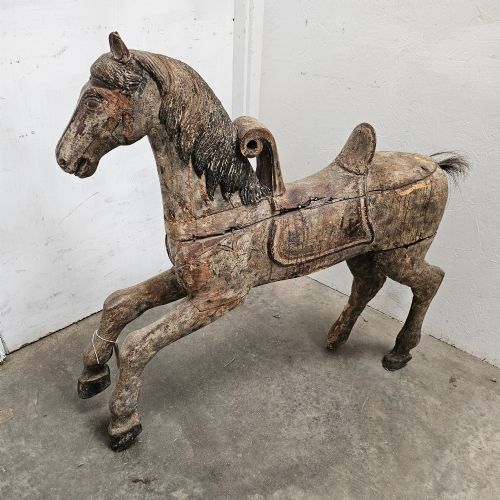
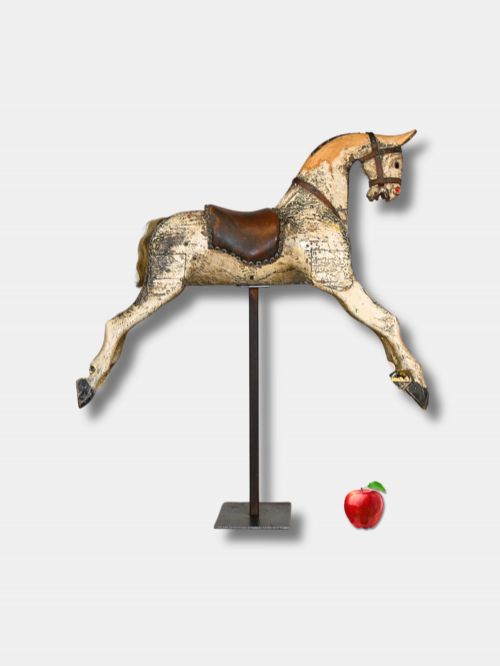
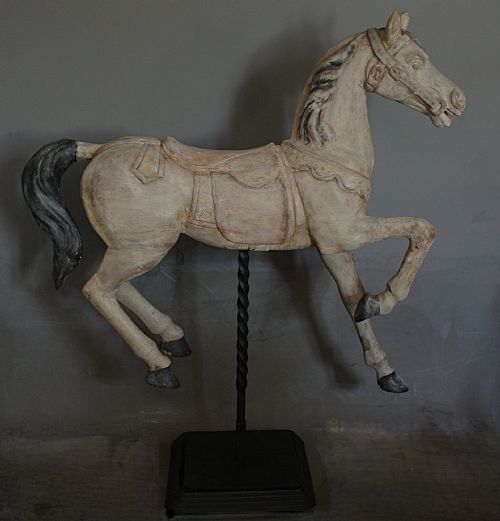
When you search for an antique carousel carving, you are looking at sculptural wooden figures and architectural elements salvaged from traditional fairground rides. The selection spans the nineteenth century through to the nineteen-twenties, incorporating French folk art, Edwardian fairground pieces and Victorian styles. Horses remain the most frequent discovery, alongside pigs, dragons and decorative ride panels.
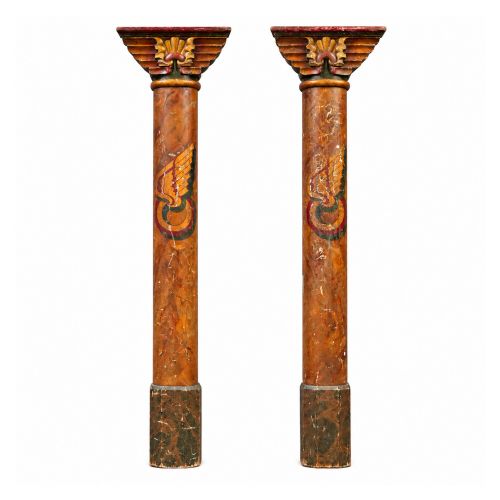
Makers such as G. J. Lines, Bayol and Limonaire produced these dynamic works, which often double as architectural columns or decorative wall panels. Buyers tend to find substantial freestanding figures alongside fragments designed originally for fast-moving fairground machinery. Each piece carries the distinct layered paint and carved texture of working fairground history.
How they were made
Carvers shaped these figures predominantly from solid wood, utilising traditional hand-carving techniques to create expressive animal forms and architectural columns. Artisans applied heavy layers of oil paint to withstand outdoor fairground use, often finishing details with iron brackets and leather elements. Horsehair frequently served for tails and manes on the animal figures.
Makers constructed structural elements in oak or mahogany, while figurative carvings relied on lighter, responsive timbers capable of taking intricate chisel work. Paint layers built up over decades of working life, creating the characteristic cracked and chipped surfaces seen today.
Antique Carousel Carving Retail Price Guide 2026
Typical asking prices for carousel carving among the pieces listed under this phrase on Sellingantiques today, from the lower quarter to the upper quarter. They describe what is for sale here now, not the wider market.
A painted wooden pig once rode the same West End fairground circuit as galloping steeds and fierce dragons.
What varies in quality
The integrity of the original surface paint separation distinguishes finer examples from heavily restored ones. Untouched layered pigments and honest surface wear elevate a carving far above pieces stripped back to bare timber.
Bayol·Limonaire
The Antique Carousel Carving Glossary
- Folk art
- Objects created by self-taught or traditional craftsmen working outside the formal academic tradition. These pieces prioritise bold visual impact and functional utility over strict proportion.
- Fairground ride panel
- A decorative wooden board fitted to the mechanism or facade of a vintage amusement ride. They often feature carved motifs or painted scenes.
- Architectural salvage
- Building components and decorative structures rescued from older properties or structures slated for demolition. In this context, they include carved columns salvaged from vintage rides.
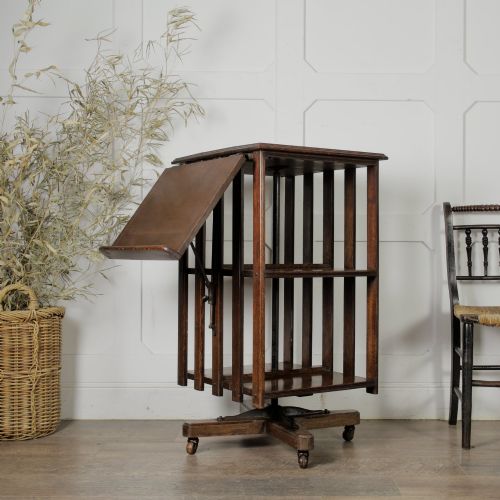
- Revolving bookcase
- A rotating wooden shelving unit designed to sit on a floor or table. Examples on this page utilise solid oak or mahogany construction from the Edwardian period.
- Hand carved
- Formed directly using chisels, gouges and mallets rather than cast by machine. This manual process leaves distinct tool marks across the timber.
Antique Carousel Carving: Frequently Asked Questions
How were carousel carvings used?
These carvings served primarily as functional ride components on nineteenth and early twentieth-century fairground amusements. Animals provided seats for riders, while panels and columns decorated the rotating machinery.
Over time, surviving fragments transitioned into decorative interior objects, displayed as freestanding sculptures or mounted directly onto walls.
Where should I place a carving?
Freestanding animal figures demand floor space where their sculptural profile and original paintwork can be appreciated from multiple angles. Large horses and pigs anchor a room when positioned against a neutral wall.
Smaller panels and architectural columns work well mounted securely to stud walls or displayed on sturdy console tables. Ensure the placement protects the fragile historic paint layers from direct moisture.
How do I date these pieces?
Dating relies on stylistic clues, construction methods and the specific patina of the underlying wood and paint. Pieces from the nineteenth century often display deeper hand-chiselling and simpler structural ironwork.
Edwardian and early twentieth-century items frequently show more sophisticated mechanical integration and distinctive regional French or English painting styles. Comparing the woodwork to documented workshop output helps narrow the timeline.
Are these carvings weatherproof?
Historic fairground carvings spent their working lives outdoors, but surviving examples now require indoor climates to preserve their fragile materials. Modern central heating can dry out the historic timber and accelerate paint flaking.
Keep pieces away from direct sunlight and damp environments to maintain the stability of the wood and the remaining layers of pigment.