
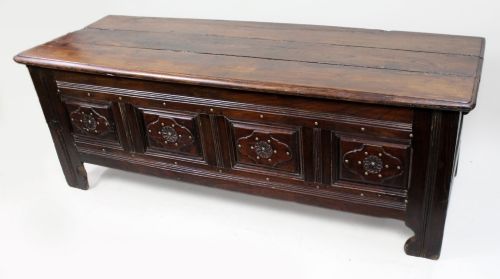
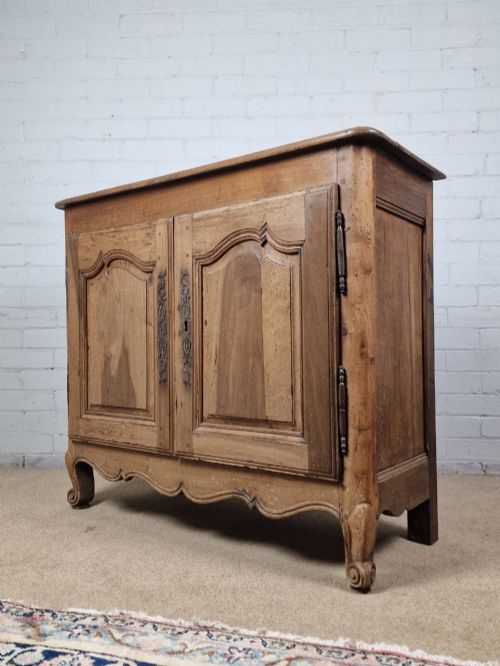

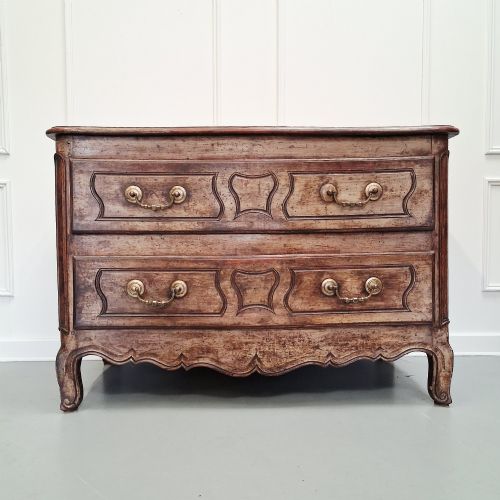

French Wooden Panel
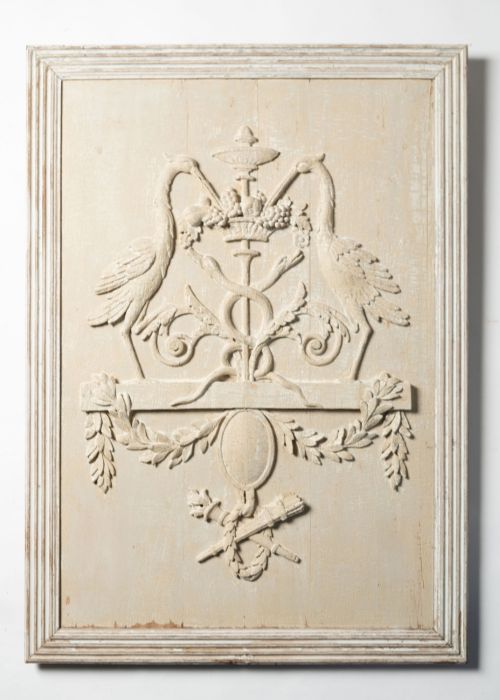
A french antique wooden panel brings depth to a room through carved detail and honest grain.
French Wooden Panel
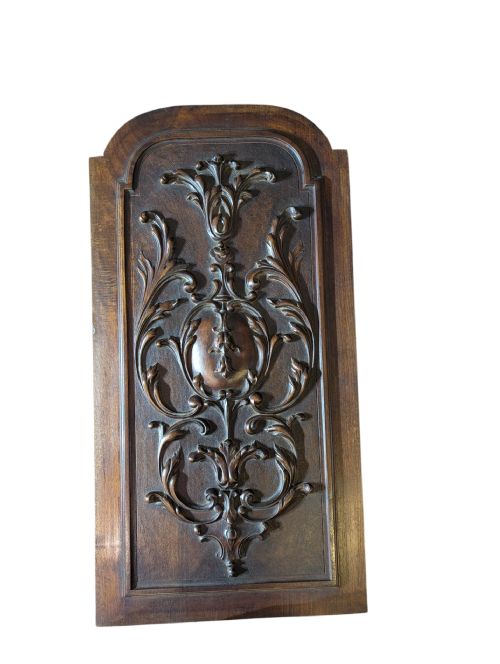
A french antique wooden panel spans architectural salvage, overdoors, and decorative wall reliefs found in provincial homes and chateaux. You encounter these surfaces in 17th, 18th, and 19th-century variants, often carved with floral motifs or pastoral scenes.
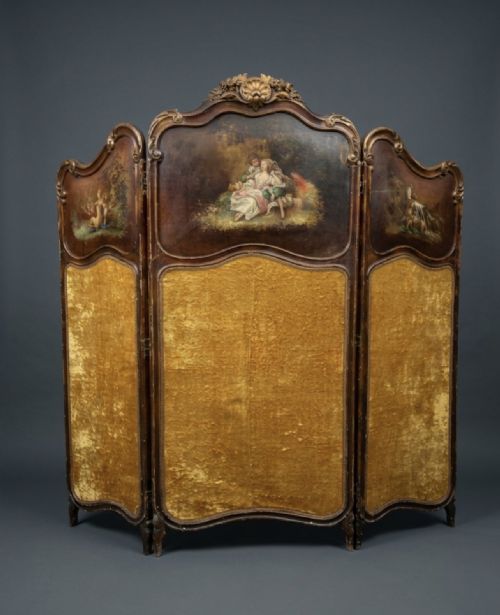
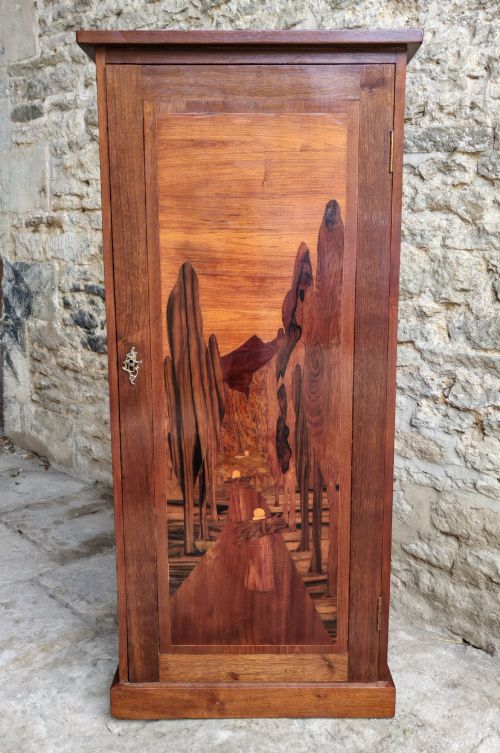
The selection ranges from structural boiserie and cupboard doors to painted screens and architectural fragments. Oak and walnut dominate, frequently shaped by provincial hands working in regional styles.
Buyers choose a french antique wooden panel to anchor a wall or integrate historic texture into modern interiors. Pieces arrive either stripped to bare timber or retaining traces of original polychrome and paint.
How they were made
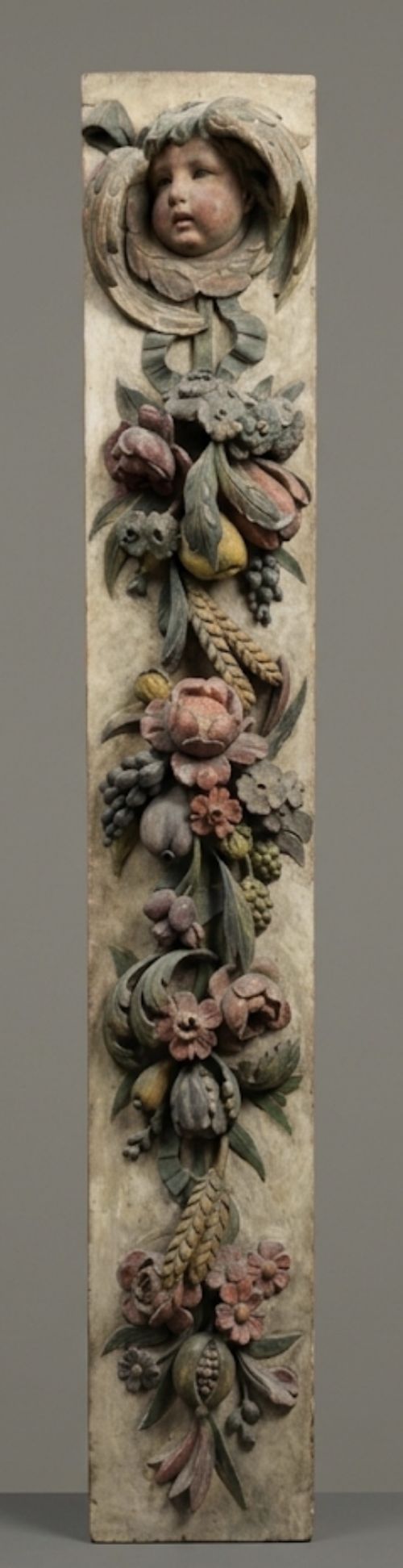
Carvers shaped these timbers using gouges and chisels directly on domestic hardwoods like oak and walnut. The resulting relief work often relied on gesso priming before paint or polychrome layers were applied.
Panels were constructed to accommodate seasonal timber movement through tongue-and-groove joints or framed-and-panelled assemblies. Iron and brass hardware frequently secured these elements into larger architectural settings like overdoors and boiserie.
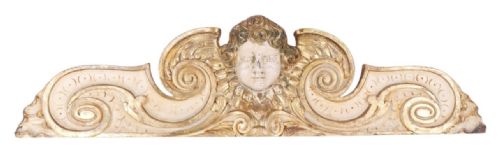
Carved wooden cherubs peer down from overdoors, quietly overseeing centuries of domestic life below them.
What varies in quality
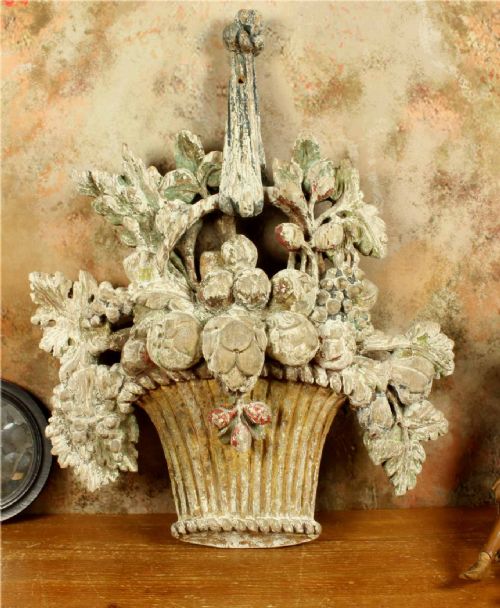
The depth and clarity of the hand-carving separate standard architectural elements from exceptional artistic work. Crisp undercut details on motifs such as cherubs or floral baskets indicate superior workshop skill.
Original surface preservation dictates desirability. Panels retaining unblemished period paint, gesso, or untouched oak patination hold greater integrity than pieces stripped or heavily restored in later centuries.
Charles Désiré Hue
The French Wooden Panel Glossary
- Boiserie
- Carved wooden panelling applied to interior walls. This woodwork defined the reception rooms of French chateaux and fine townhouses.
- Trumeau
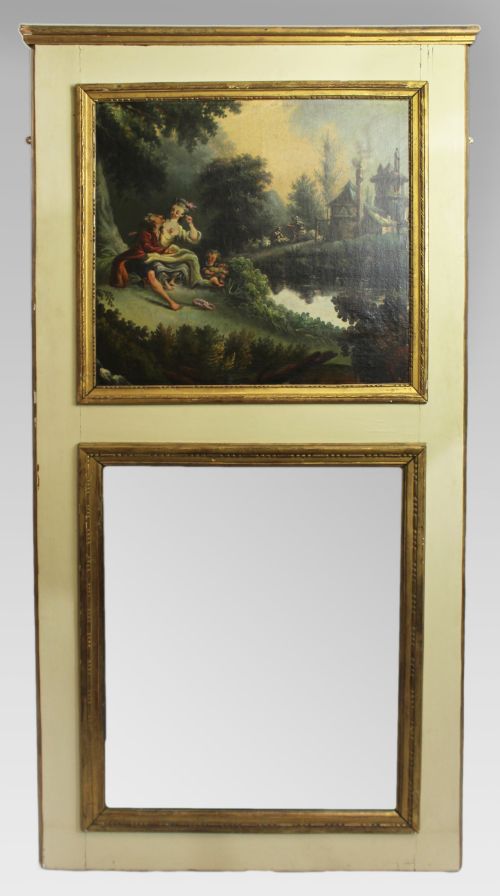
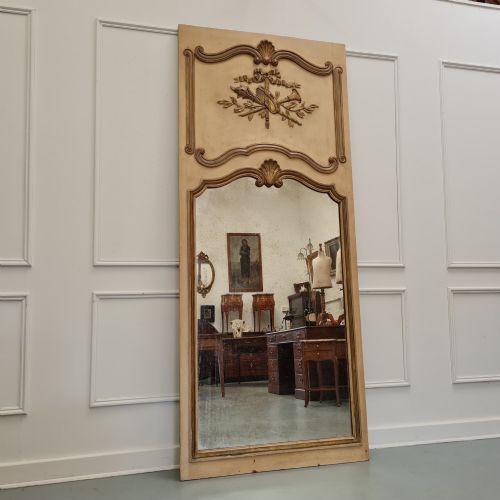
- An architectural mirror or panel placed above a mantelpiece. These often incorporate oil paintings within the wooden frame.
- Polychrome
- Decorated in multiple colours. Artisans applied pigment over gesso to highlight carved wooden details.
- Provincial
- Originating from the regions rather than Paris. These pieces display local stylistic interpretations and sturdy construction.
- Gesso
- A plaster mixture applied to wood as a base for paint. This ground allowed carvers to refine fine details before finishing.
French Wooden Panel: Frequently Asked Questions
How do I hang a heavy wooden panel?
Heavy architectural pieces require direct fixing into wall studs using appropriate steel brackets suited to the weight of the timber.
Professional installation ensures the panel remains secure without placing undue strain on historical joinery.
Can I clean painted wooden panels?
Dust gently with a dry, soft cloth to prevent abrasion to aged paint layers and delicate gesso surfaces.
Avoid liquid cleaners and modern solvents that can strip or soften historic polychrome finishes.
Where were these panels originally placed?
These elements served as overdoors, wall boiserie, or decorative screens within period rooms and grand halls.
Their placement often dictated the scale and subject matter of the carved or painted decoration.
How do I tell oak from walnut panels?
Oak displays prominent medullary rays and an open, coarse grain structure typical of provincial furniture.
Walnut offers a finer, tighter grain with darker natural tones suited to intricate carving.