



Antique Linenfold Carving
These pieces of antique linenfold carving bring tactile Tudor and revival texture to interiors through folded wooden panels.
Antique Linenfold Carving
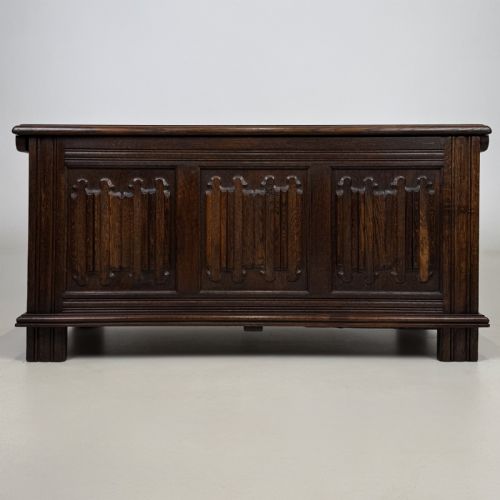
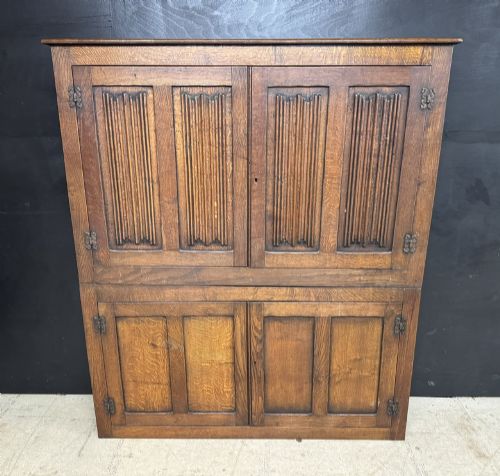
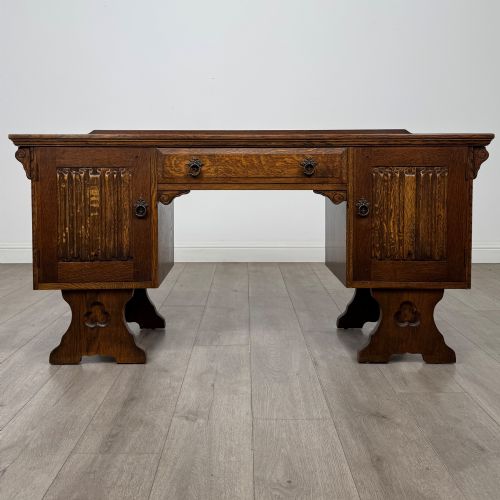
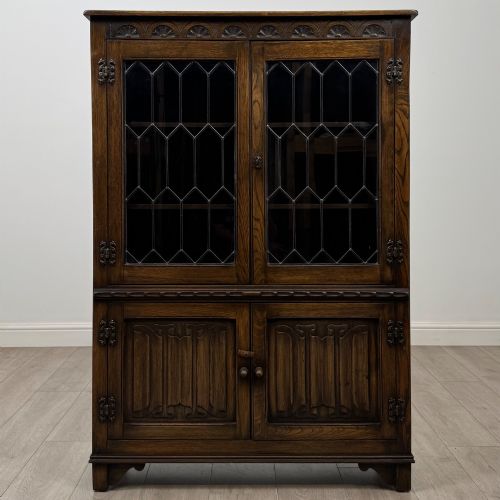
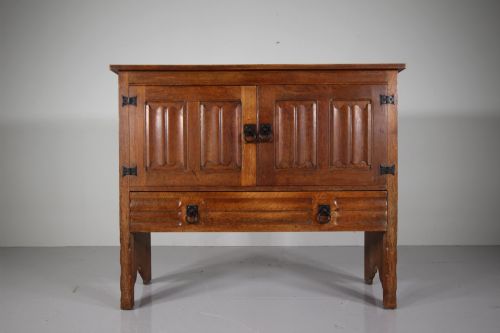
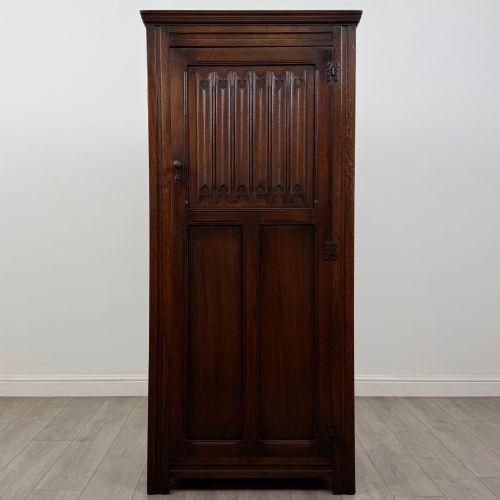
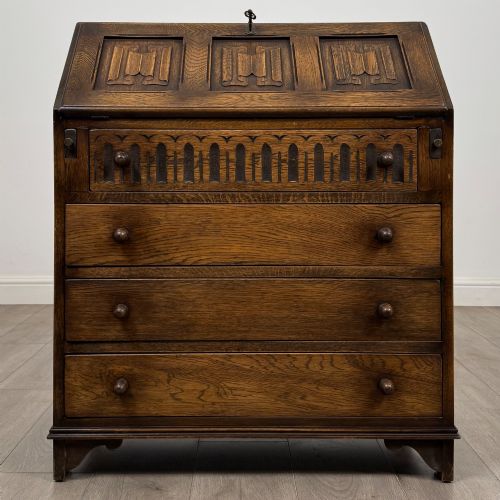
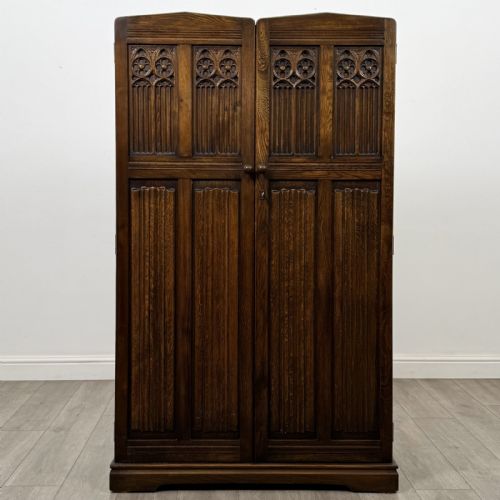
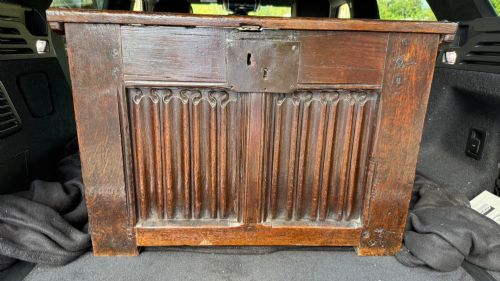
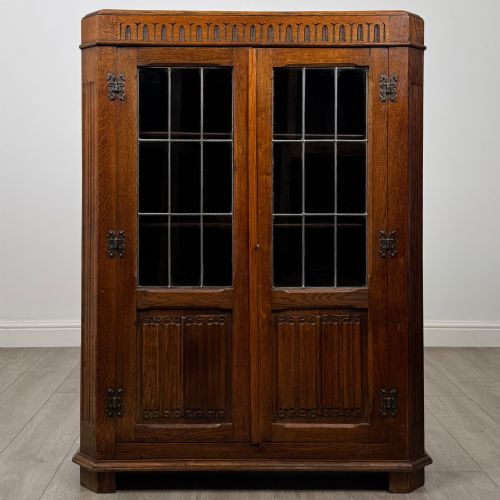
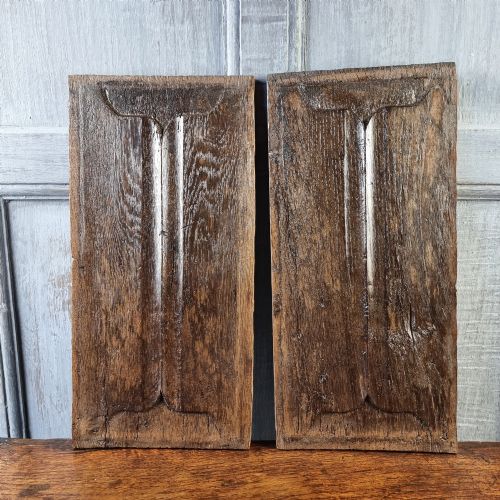
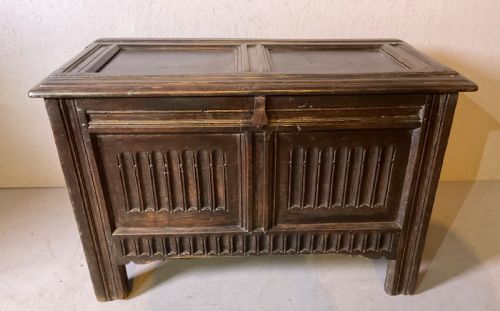
Antique linenfold carving represents a distinctive form of wooden ornamentation where panels are worked to imitate folded cloth, most commonly linen. The motif appears across various functional objects including coffers, chests, writing bureaus, display cabinets, and architectural wall panels.
Buyers will most frequently encounter Edwardian and twentieth-century interpretations alongside significant sixteenth and seventeenth-century examples. The selection spans structural furniture pieces integrating single carved doors or panels to standalone architectural fragments.
Materials and construction methods
Solid oak serves as the primary material for these items, frequently paired with iron, brass, or wrought iron hardware such as hinges and handles. The panels are shaped by hand or machine to create the illusion of undulating fabric folds within the wooden grain.
Revival pieces from the nineteenth and twentieth centuries replicate earlier Tudor and Jacobean techniques using dark oak and solid construction. Earlier sixteenth-century examples demonstrate primary hand-carving directly into heavy timber boards.
Antique Linenfold Carving Retail Price Guide 2026
Typical asking prices for linenfold carving among the pieces listed under this phrase on Sellingantiques today, from the lower quarter to the upper quarter. They describe what is for sale here now, not the wider market.
Form categories include writing bureaus, display cabinets, architectural salvage, coffers, chests, and wall panels.
Distinctions in craftsmanship
Quality rests upon the crispness of the folds and the depth of the relief work carved into the oak. Finer panels display subtle undulations and careful attention to proportion, whereas simpler pieces show flatter execution.
The integrity of the timber and the authenticity of the period construction dictate the standing of each piece. Items retaining their original integration into coffers, bureaus, or architectural panels command distinct interest compared to later adaptations.
The Antique Linenfold Carving Glossary
- Linenfold
- A style of wood carving used to decorate panels, resembling vertically folded cloth or parchment. It became particularly popular during the Tudor period.
- Coffer
- A heavy wooden chest with a lid, traditionally used for storage of valuables and textiles. Early examples frequently feature carved panels on the front.
- Parchemin
- A type of carved panel decoration resembling folded parchment or stiff paper, closely related to the linenfold motif. It appears on sixteenth and nineteenth-century oak furniture.
- Gothic Revival
- An architectural and decorative style drawing inspiration from medieval design. It influences nineteenth and twentieth-century furniture with pointed arches and heavy oak construction.
Antique Linenfold Carving: Frequently Asked Questions
What periods do these pieces come from?
The selection spans from sixteenth-century Tudor origins through seventeenth-century Jacobean work to later nineteenth-century Gothic Revival and Edwardian interpretations.
Craftsmen recreated the folded cloth motif across successive centuries, meaning buyers find authentic early pieces alongside later revival furniture.
How were these carved panels used originally?
Makers integrated linenfold panels into the construction of heavy storage chests, coffers, writing bureaus, cupboards, and wall paneling.
The vertical folds provided decorative texture to large expanses of oak furniture while preventing the timber from warping.
How do I care for antique oak furniture?
Keep oak furniture away from direct heat sources and sudden temperature shifts to prevent the solid timber from splitting.
Apply a traditional beeswax polish occasionally to nourish the dark oak surface and maintain the natural grain.
How can I tell sixteenth-century work from revival pieces?
Early sixteenth-century panels display hand-tooled tool marks, adze-hewn backing timbers, and heavier oak patination accumulated over centuries of age.
Revival pieces from the Edwardian era or the nineteenth century often feature more uniform machine cutting and standardised joinery methods.