


Oak Wall Carving
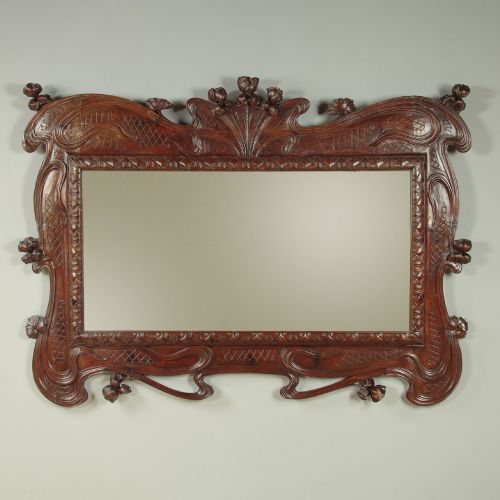
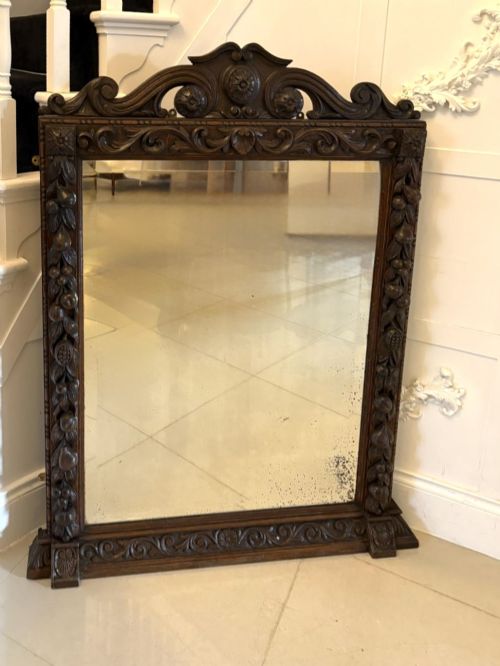
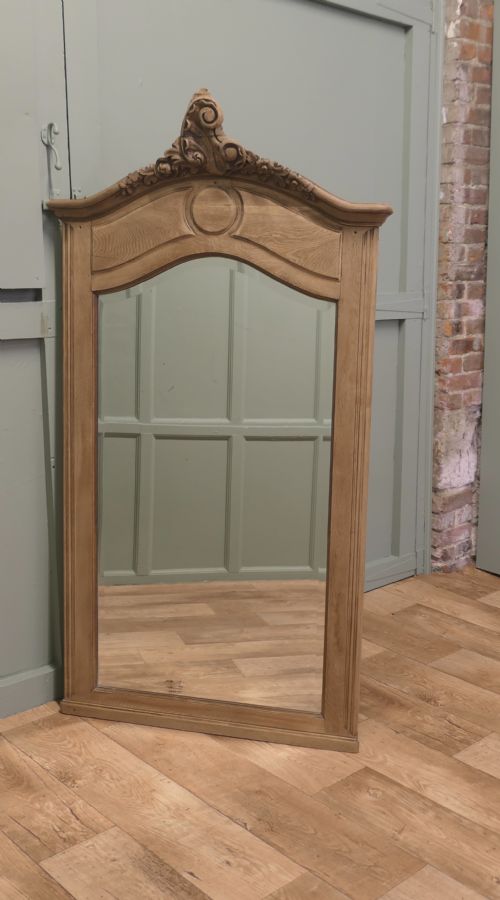
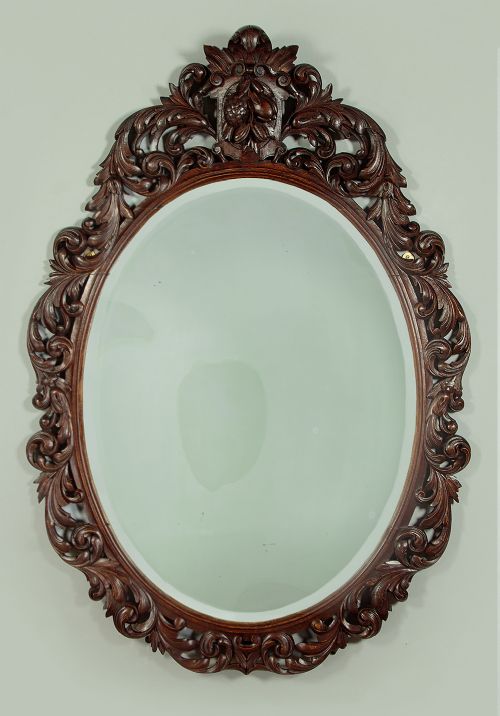
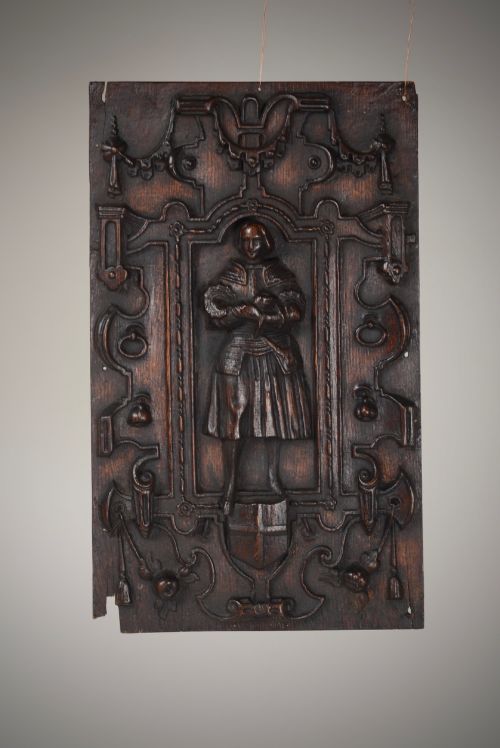
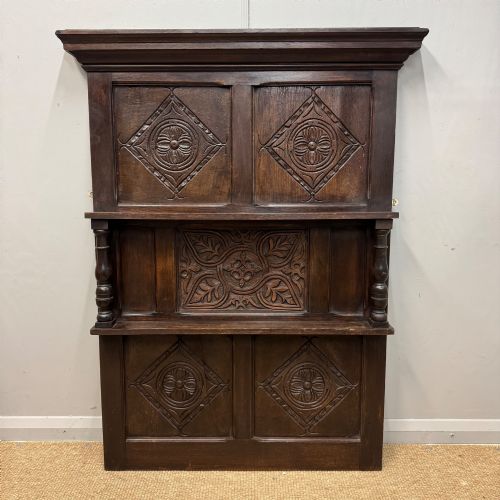
These oak wall carving pieces bring substantial timber ornament directly to interior vertical spaces, offering deep relief and historic character.
How they were made
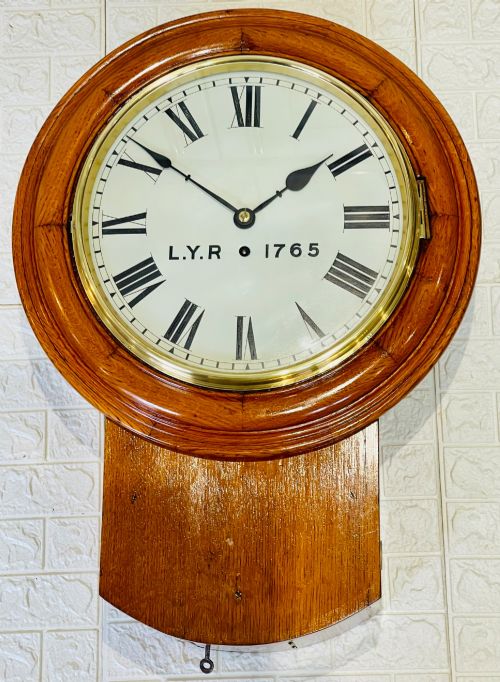
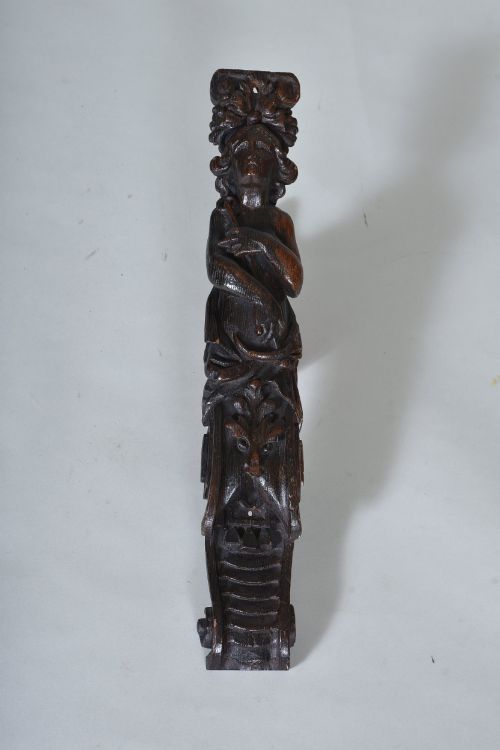
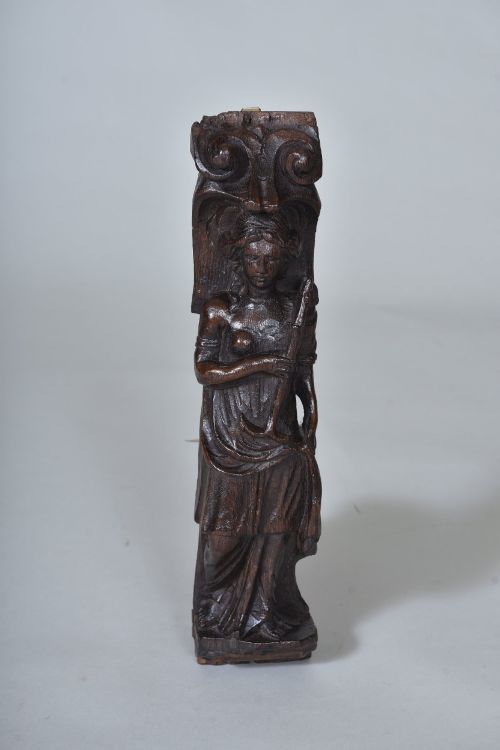
Makers shaped these objects primarily from solid timber and dark or blonde oak, often incorporating mirror glass, brass fittings, and paper elements. Woodworkers utilised chisels and gouges to execute high-relief carvings directly into the dense grain.
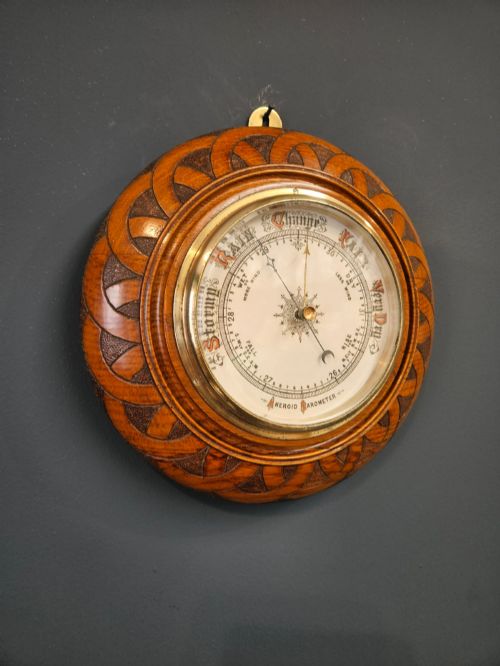
Construction techniques combine traditional joinery with surface carving, creating layered panels, moulded frames, and structural housings for clocks and barometers. Surfaces display natural wax finishes or bleached treatments that highlight the underlying wood figure.
What varies in quality
The integrity of the timber substrate and the retention of original surface patination dictate the overall merit of an item. Pieces retaining untouched historic finishes command greater interest than those stripped or heavily restored in later periods.
Listings feature oak material combined with glass, brass, and paper across seventeenth, eighteenth, and nineteenth-century periods.
Hyde and Sons Sleaford·Arthur Simpson of Kendal
The Oak Wall Carving Glossary
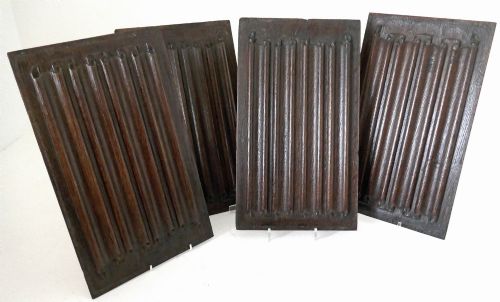
- Linenfold
- A style of wood carving that imitates folded linen cloth, frequently seen on sixteenth-century panels. This motif was popular in Tudor ecclesiastical and domestic interior woodwork.
- Fusee
- A conical pulley used in clock movements to maintain even tension on the driving chain as the mainspring unwinds. It appears in precision railway and wall dials.
- Aneroid barometer
- An instrument that measures atmospheric pressure using a flexible metal capsule without liquid. Victorian makers housed these mechanisms in carved wooden wall cases.
- Overmantel panel
- A large timber panel or mirror frame designed specifically for placement above a fireplace opening. These architectural elements anchor the visual weight of a chimney breast.
Oak Wall Carving: Frequently Asked Questions
How do I hang a heavy oak carving safely?
Heavy timber carvings and mirror frames require secure fixing directly into wall studs or masonry using appropriate steel brackets. Weight distribution must be calculated carefully before mounting antique wall pieces.
Professional mirror plates screwed into the rear frame stiles provide the necessary stability to support dense solid timber safely over time.
Are sixteenth-century panels from churches?
Many early carved panels originated from ecclesiastical settings such as choir stalls, rood screens, and altarpieces before entering the domestic market. Religious subjects like saints and scriptural text frequently indicate church provenance.
During later centuries, dealers and collectors repurposed these architectural fragments into wall art and decorative furniture inserts.
How should I clean antique oak carvings?
Dust accumulated within deep relief carvings should be removed gently using a soft natural bristle brush. Avoid modern liquid polishes that build up residue inside the carved crevices.
Microcrystalline wax applied sparingly helps nourish the dry timber surface and protects the historic patination without altering the colour.
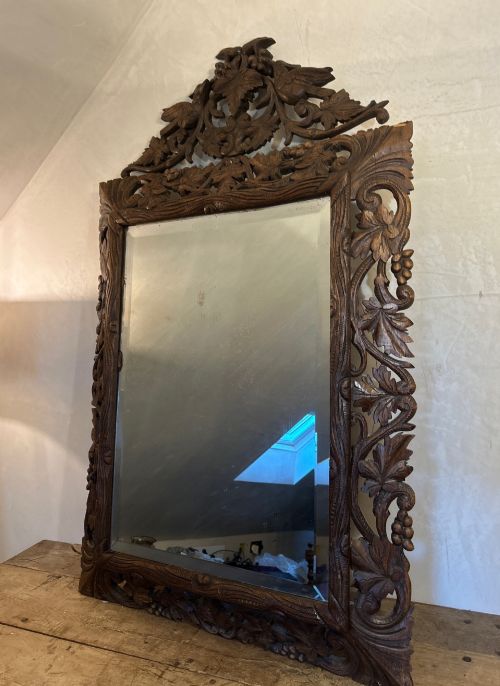
What is Black Forest carving?
Black Forest carving refers to highly detailed wooden sculpture produced in the mountainous regions of central Europe during the nineteenth century. These pieces often feature naturalistic animal subjects, foliage, and hunting motifs.
Makers utilised local timber species to create ornate coat racks, barometers, and frames with distinct sculptural depth.