



Linenfold Oak Panels
Linenfold oak panels are architectural elements mimicking folded parchment that bring genuine Tudor and Gothic character to period interiors.
Linenfold Oak Panels
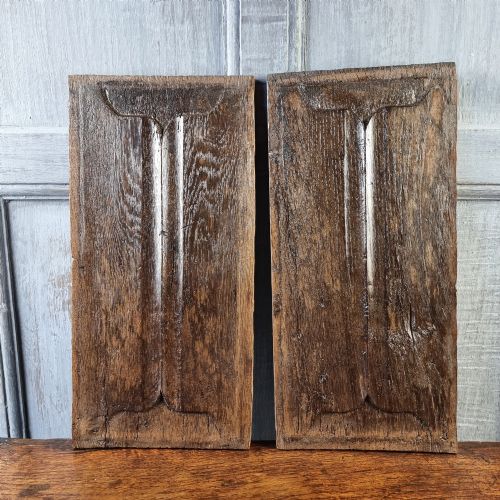
When you search for linenfold oak panels, you encounter carved timber sections designed to replicate folded linen or parchment. The pieces available here span from authentic sixteenth-century examples to nineteenth-century revival interpretations.
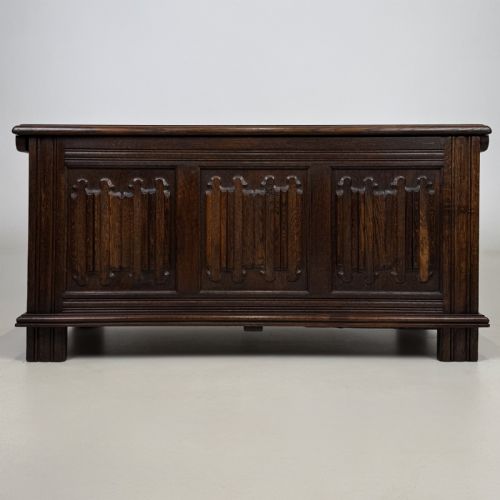
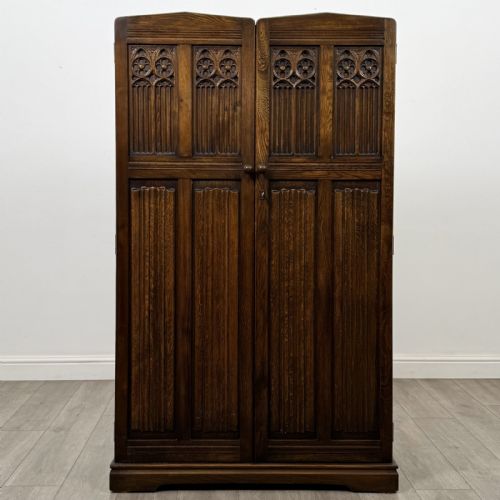
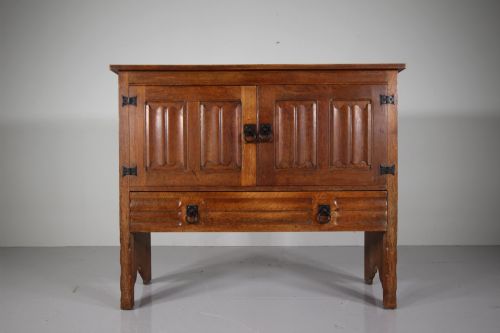
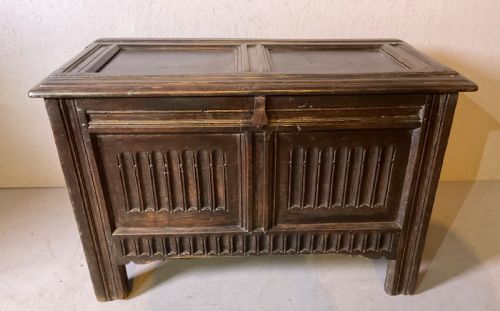
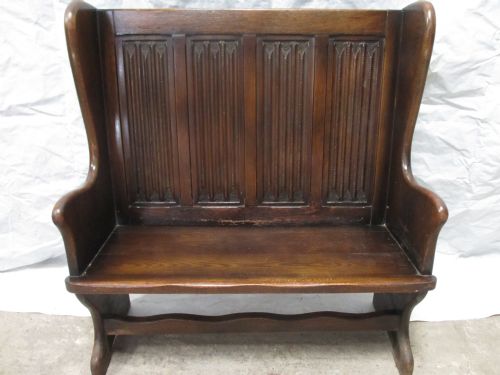
Most items you meet on this page take the form of individual wall panels, coffers, benches, or integrated sideboards and dressers. These architectural salvage elements serve both decorative and structural purposes within domestic interiors.
The materials are predominantly solid oak, sometimes paired with iron or wrought iron fixings on larger furniture pieces like chests. Origins remain predominantly English, reflecting regional woodworking traditions from the Tudor era onwards.
Craftsmanship and materials
Makers utilised solid oak, selecting timber for its durability and characteristic grain pattern. Artisans carved the distinctive fold motif directly into the wood using specialised chisels and gouges.
Construction techniques in earlier periods involved hand-split and adzed boards assembled with pegged joints. Later revival pieces from the nineteenth and twentieth centuries often combined traditional hand-carving with machine-prepared timber.
Linenfold Oak Panels Retail Price Guide 2026
Typical asking prices for linenfold oak panels among the pieces listed under this phrase on Sellingantiques today, from the lower quarter to the upper quarter. They describe what is for sale here now, not the wider market.
Listings feature oak material exclusively, spanning the sixteenth century, nineteenth century, and twentieth century.
Judging the quality
Quality rests upon the crispness of the carving and the depth of the relief work. Earlier sixteenth-century pieces display sharper detailing and greater variance in the execution of the folds compared to later revival items.
The integrity of the solid oak and the presence of original surface patination distinguish finer examples. Alterations, replaced elements, and heavy restoration reduce the historical authenticity of the woodwork.
The Linenfold Oak Panels Glossary
- Linenfold
- A style of woodcarving imitating folded fabric or parchment, popular in the Tudor period. This motif appears frequently across panels and furniture fronts.
- Parchemin
- An alternative term for panels carved to resemble parchment or folded paper. It shares close stylistic links with standard linenfold designs.
- Coffer
- A large wooden chest used for storage, often constructed with solid oak and framed panels. These pieces frequently incorporate carved linenfold elements on the front.
- Architectural salvage
- Building materials rescued from older structures for reuse in modern interiors. This category includes wall panels and structural timbers.
Linenfold Oak Panels: Frequently Asked Questions
How were linenfold panels originally used?
These panels functioned primarily as wall linings inside great houses and churches to insulate stone rooms and display wealth. Carpenters also integrated them into furniture pieces such as coffers and bench backs.
Over time, homeowners repurposed these architectural elements into freestanding furniture or decorative wall hangings. Their sturdy solid oak construction allowed them to survive centuries of domestic use.
How do I date a linenfold panel?
Dating relies on examining tool marks, timber shrinkage, and the style of the carving. Sixteenth-century pieces exhibit hand-finished surfaces and deeper relief work.
Revival pieces from the nineteenth and twentieth centuries often feature machine-cut elements or different assembly methods. Comparing the patina with known period examples helps clarify the age.
Are these panels suitable for modern walls?
Wall panels and architectural salvage pieces integrate well into contemporary interiors when mounted securely. They add texture and historical depth to plain plaster surfaces.
Installers should account for timber movement caused by modern heating systems. Maintaining stable humidity levels protects the solid oak from splitting.
What is the difference between Tudor and revival panels?
Tudor period panels possess authentic age-related wear, hand-adzed backing, and period-specific joinery. They carry the marks of sixteenth-century hand tools.
Revival panels, produced during the nineteenth and twentieth centuries, imitate these earlier styles using contemporary workshop practices. They reflect the Victorian and Edwardian interest in Gothic and Tudor aesthetics.