
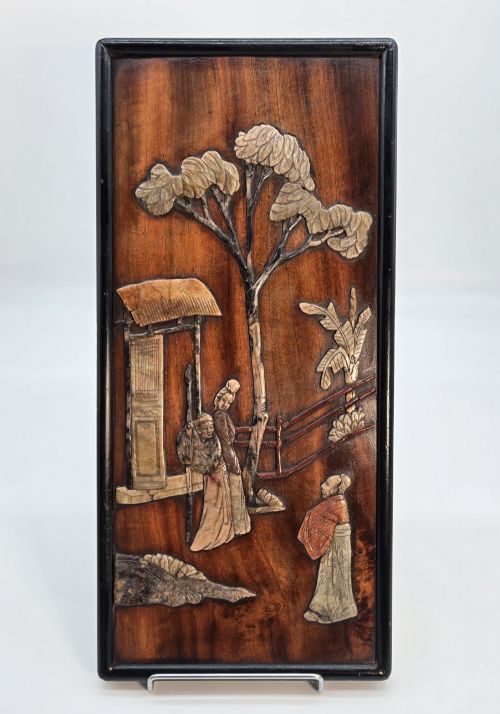


Chinese Figural Wood Carving
These chinese figural wood carving pieces bring handcrafted historical form and rich timber texture directly into domestic spaces.
Chinese Figural Wood Carving
A chinese figural wood carving represents sculptural craftsmanship originating from distinct historical eras including the seventeenth century and nineteenth century. These objects incorporate diverse structural forms such as table lamps, headrests, architectural salvages, and decorative boxes.
The items you encounter here frequently span traditional regional aesthetics and Qing Dynasty design influences. Buyers regularly discover root wood compositions alongside detailed bamboo and timber sculptures depicting human figures.
Materials and Construction Techniques
Surface treatment involves intricate manual incisions, seen in profusely carved lidded boxes and figural table lamps. Additional media such as soapstone, hardstone, and brass occasionally integrate into the primary wooden structures.
The selection includes items spanning from the seventeenth century through to the early twentieth century, incorporating bamboo and root wood.
Factors Defining Quality
The refinement of the manual incision work dictates the visual sophistication of each object. Pieces displaying deep, continuous relief across bamboo or root wood demonstrate superior handling of the medium.
Integration of form and natural material grain distinguishes finer examples. Harmonious adaptation of root wood contours into human or architectural shapes elevates the execution.
The Chinese Figural Wood Carving Glossary
- Root wood
- Timber sourced from the root system of a tree, prized for gnarled, twisting natural shapes that artisans incorporate into figural sculptures. It demands patient hand shaping to preserve organic contours.
- Qing Dynasty
- The final imperial dynasty of China, spanning from the seventeenth to the early twentieth century. Objects from this period often display elaborate traditional motifs and high technical proficiency.
- Chinoiserie
- European artistic style reflecting Chinese artistic influences, prevalent in decorative arts. It reinterprets traditional Eastern motifs through Western aesthetic frameworks.
Chinese Figural Wood Carving: Frequently Asked Questions
What materials make up these carvings?
The inventory relies heavily on natural hardwood, root wood, and bamboo. Artisans occasionally combined these timbers with brass, soapstone, and hardstone elements.
These organic materials determine the weight, texture, and natural colour variation seen across the items.
How do I date a Chinese wood carving?
Dating relies on stylistic markers associated with periods such as the Qing Dynasty or the nineteenth century. Tool marks and material weathering offer further clues to age.
Comparing structural forms like headrests, corbels, and lamps against historical examples helps narrow down the origin timeframe.
Where were these pieces originally used?
Many items functioned as everyday objects or architectural elements within traditional buildings. Headrests provided domestic comfort, while corbels supported structural components.
Other formats, such as lidded boxes and table lamps, served both decorative and practical roles in interior spaces.
How should I care for historic wood carvings?
Maintain stable indoor humidity levels to prevent timber from drying out or splitting. Keep pieces away from direct sunlight to preserve the natural finish of the hardwood or bamboo.
Dust gently with a soft dry cloth rather than applying liquid polishes that might alter the historic surface.