


Antique Chinese Box
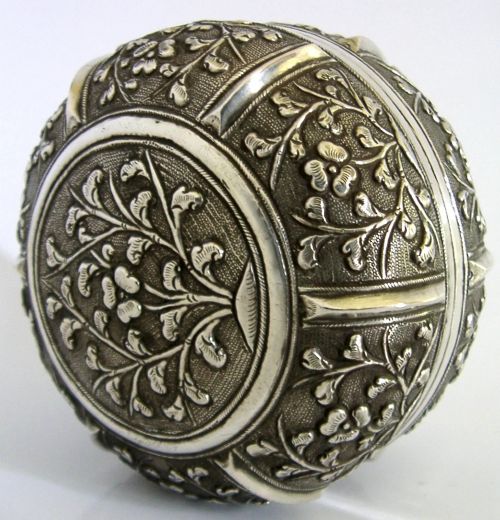
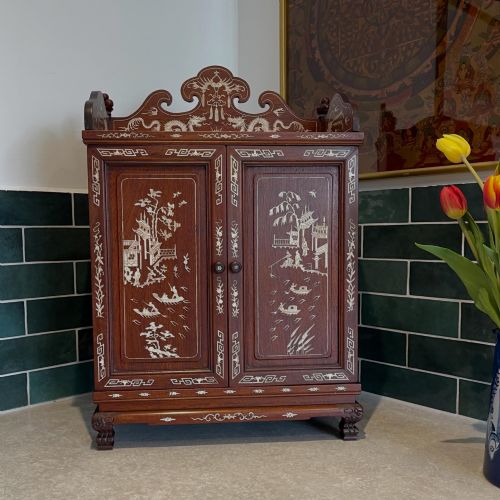
When you handle an antique chinese box, you encounter centuries of meticulous craftsmanship in lacquer, camphor wood and export silver.
Antique Chinese Box
An antique chinese box encompasses a diverse range of vessels, from small snuff containers and tea caddies to substantial camphor wood storage trunks and leather trade chests. These pieces span the eighteenth, nineteenth and early twentieth centuries, reflecting both domestic use and goods made for the international export market.
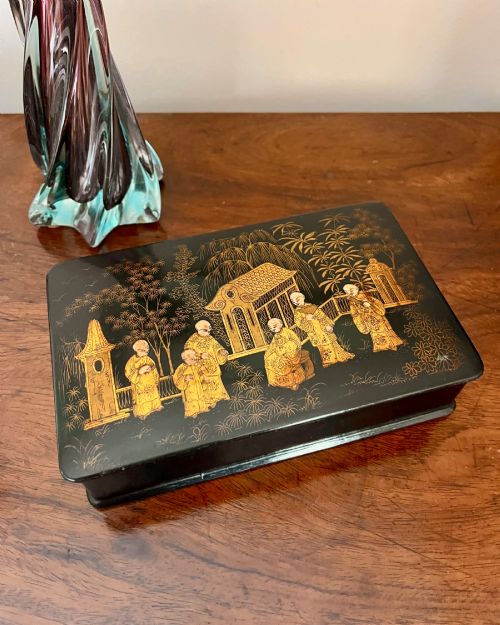
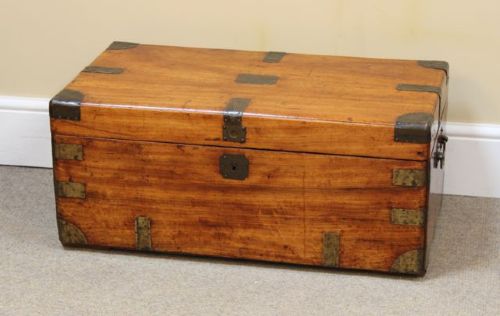
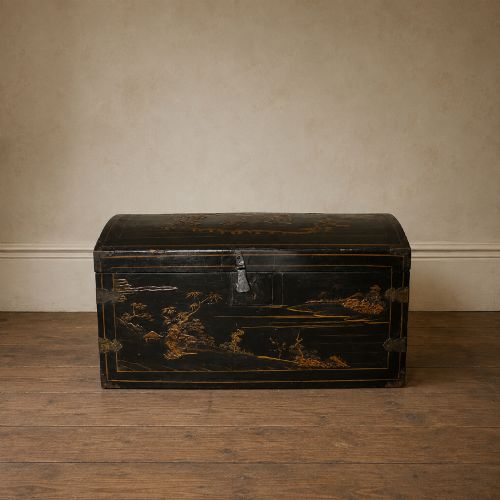
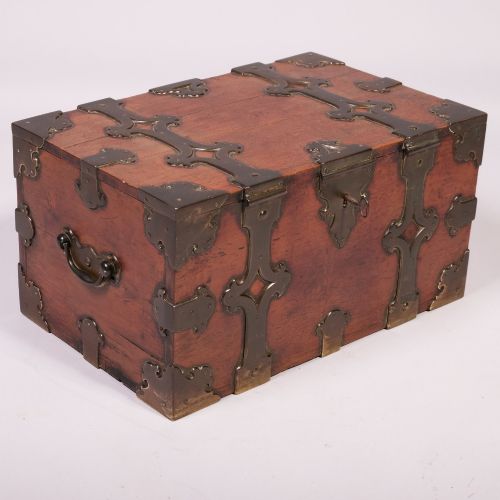
Buyers frequently encounter nineteenth-century camphor wood chests and black lacquer document cases on this page. Formats vary widely between fitted tea caddies, writing slopes, dowry baskets and heavy brass-bound trunks designed for long-distance travel.
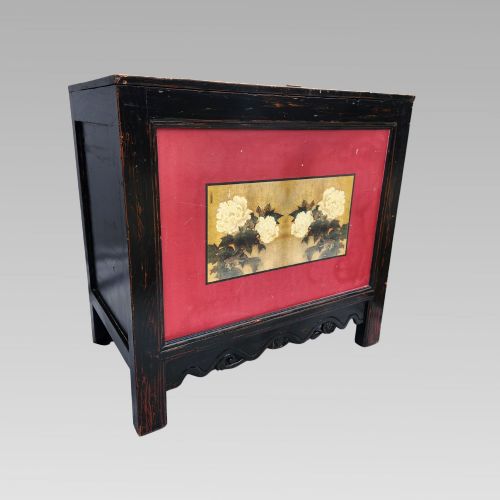
The objects bridge utilitarian storage and ornate decoration, utilising traditional motifs and regional workshop styles. Whether small desk accessories or large blanket boxes, they demonstrate the practical needs of past households alongside fine decorative arts.
How They Were Made
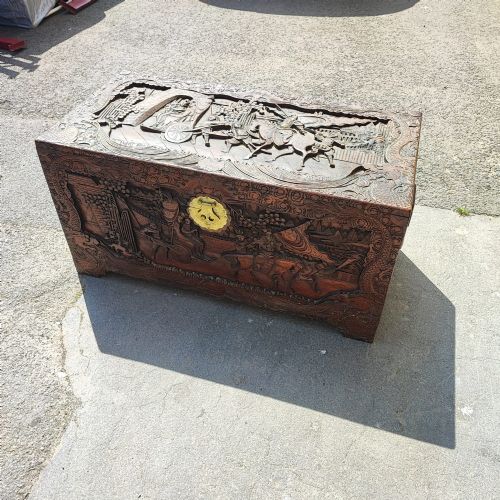
Construction relied heavily on native timbers such as camphor wood, elm, rosewood and huanghuali, chosen for their durability and grain. Camphor wood was particularly favoured for storage chests due to its natural insect-repelling properties.
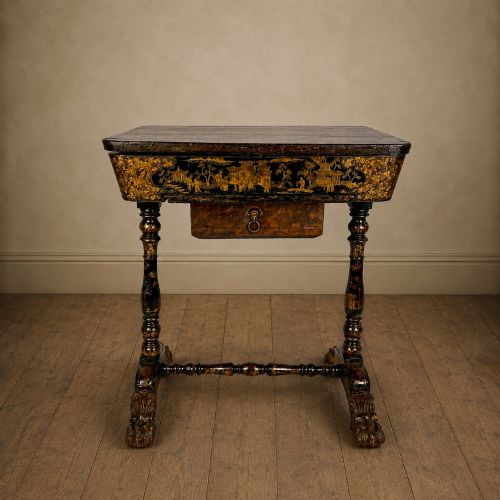
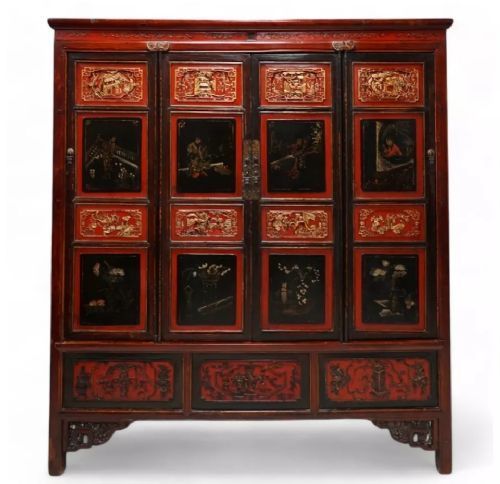
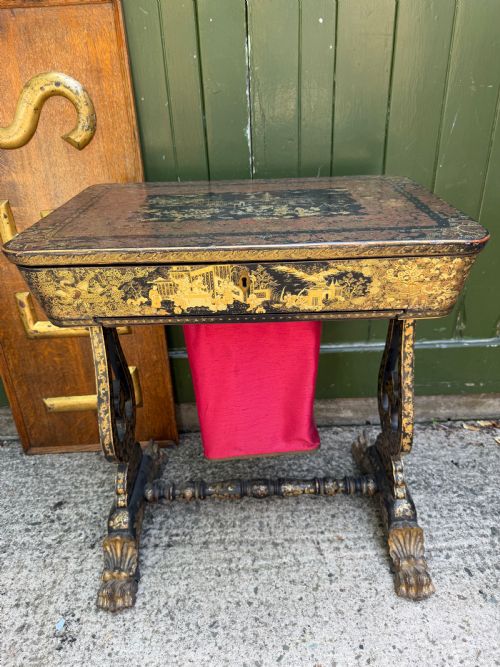
Surface decoration frequently involved layers of red or black lacquer, often enhanced with gold leaf and intricate painted chinoiserie scenes. Metalwork played a structural and decorative role, incorporating brass mounts, mixed metals and solid export silver.
Specialised techniques included deep carving into cinnabar lacquer or dense wood, alongside mother of pearl inlay and enamel work. Artisans joined panels using traditional corner joinery to withstand varying climates during trade transit.
Listings feature camphor wood, brass, lacquer and silver across eighteenth and nineteenth-century forms.
What Varies in Quality
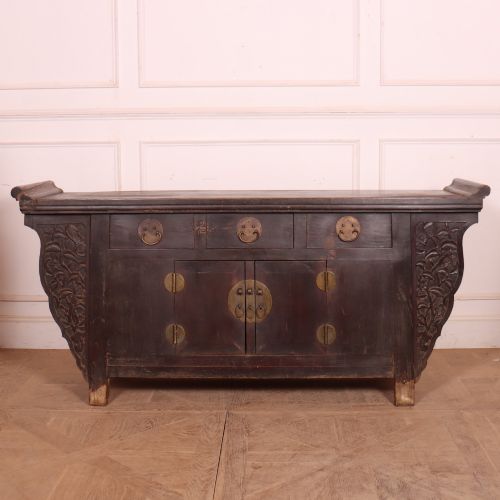
The distinction between standard utility items and finer pieces lies in the depth and precision of the hand-carved ornamentation. Superior examples display crisp detail in motifs such as dragons, foliage and figures without mechanical shortcuts.
Material selection and execution drive disparities in value, visible in the multi-layered depth of carved cinnabar lacquer or the weight and purity of export silver cases. Well-preserved original gilding and intact interior fittings elevate a piece above worn counterparts.
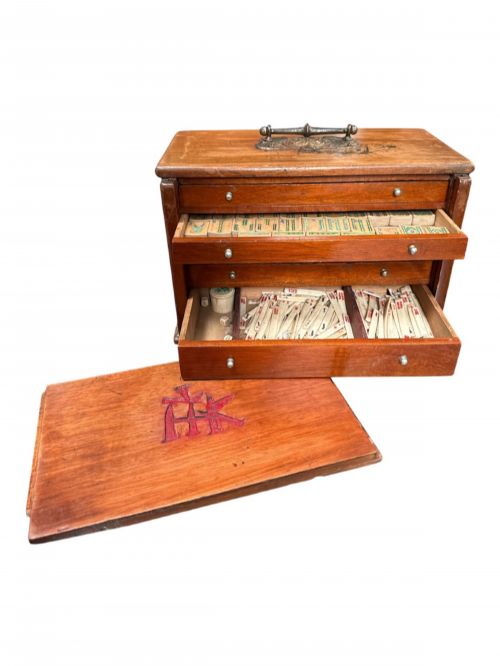
Structural integrity and the survival of original hardware, locks and brass bindings indicate higher workshop standards. Pieces retaining fitted interiors, original keys or documented maker marks represent the upper tier of surviving examples.
Wang Hing & Co·T & C
The Antique Chinese Box Glossary
- Chinoiserie
- European interpretation and imitation of Chinese artistic traditions and motifs, frequently applied to lacquered furniture and decorative boxes during the eighteenth and nineteenth centuries.
- Cinnabar
- A bright scarlet mineral pigment mixed with lacquer and applied in multiple layers before being deeply carved with intricate patterns and figures.
- Tea Caddy
- A small container designed specifically to store dry tea leaves securely, often featuring fitted interiors or multiple compartments.
- Writing Slope
- A portable desk featuring a slanted writing surface that lifts to reveal storage compartments for stationery, inkwells and documents.
Antique Chinese Box: Frequently Asked Questions
What were camphor wood trunks used for?
Camphor wood trunks served primarily to store garments, textiles and valuable documents safely at home. Their dense, aromatic wood protected contents from moisture and insects during transit.
Larger chests also doubled as luggage for travellers and merchants navigating maritime trade routes between Asia and the West.
How do you date an antique lacquer box?
Dating lacquer relies on examining the depth of the lacquer layers, the style of the hand-painted motifs and the wood or metal substrate underneath. Eighteenth-century examples often exhibit heavier carving and richer mineral pigments.
Later nineteenth and early twentieth-century pieces frequently show different handling of gilding and incorporate western hardware styles suited to export demand.
What is Chinese export silver?
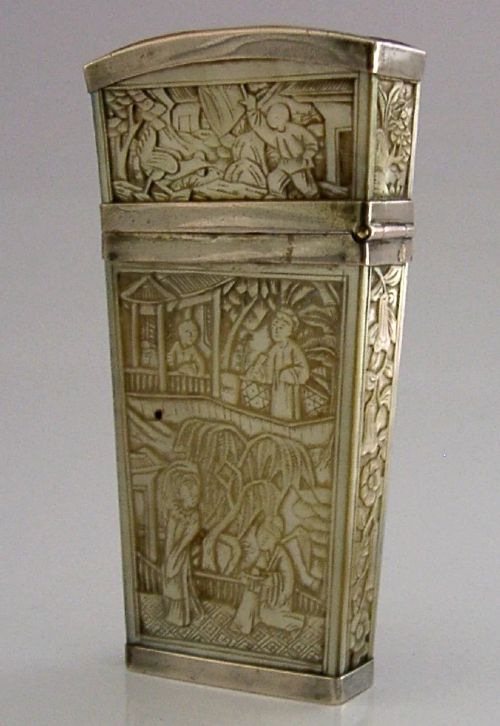
Chinese export silver refers to decorative items and containers made by Chinese silversmiths for Western clients between the late eighteenth and early twentieth centuries. These pieces combine traditional Asian iconography with European forms like cigarette boxes and tea services.
They often carry artisan stamps or pseudo-hallmarks alongside the maker's workshop signature.
How should I care for lacquered boxes?
Lacquered surfaces require stable indoor humidity and protection from direct sunlight to prevent drying and cracking. Dust them gently with a soft, dry cloth without applying modern chemical polishes.
Maintaining moderate environmental conditions preserves the fragile bond between the wooden base and the layered lacquer coating.