



Qing Dynasty Bamboo
These pieces of Qing Dynasty bamboo combine organic botanical textures with disciplined scholar room forms.
Qing Dynasty Bamboo
When searching for Qing Dynasty bamboo, collectors encounter objects created for the scholar's studio alongside functional furnishings. Brush pots, headrests, incense burners, and tea caddies dominate the material evidence on this page. These items reflect the refined tastes of the Qing dynasty literary class, who prized natural materials shaped with subtle restraint.
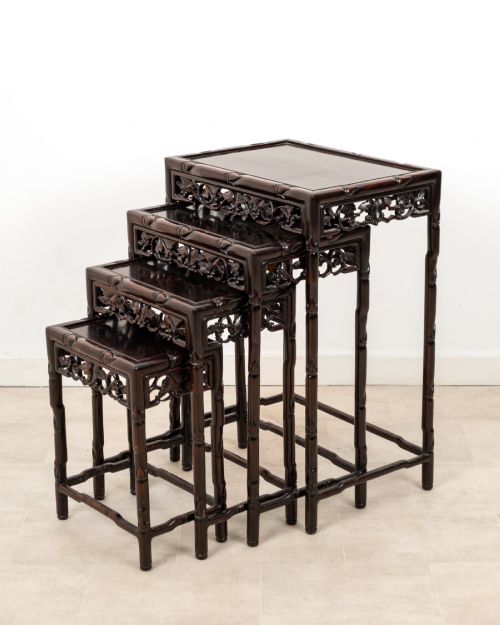
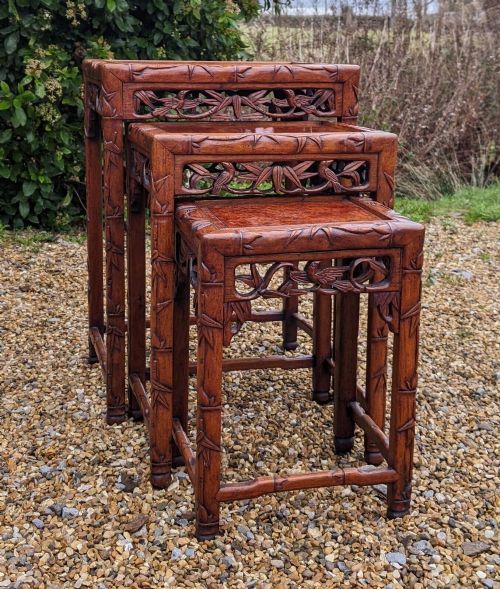
The objects span from the eighteenth century through to the early twentieth century, encompassing periods marked by both imperial patronage and export production. Alongside direct bamboo items, related hardwood pieces in hongmu and huanghuali appear frequently. This mix shows how craftsmen applied bamboo motifs and structural principles to various plant stands and nests of tables.
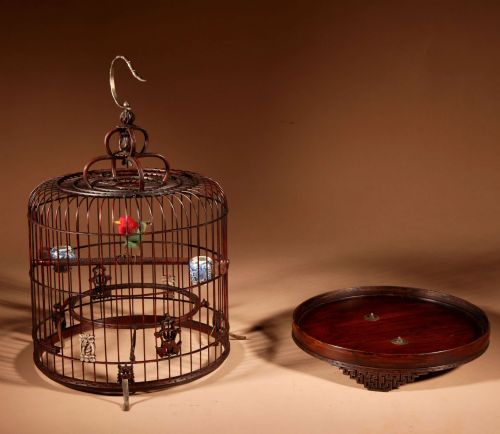
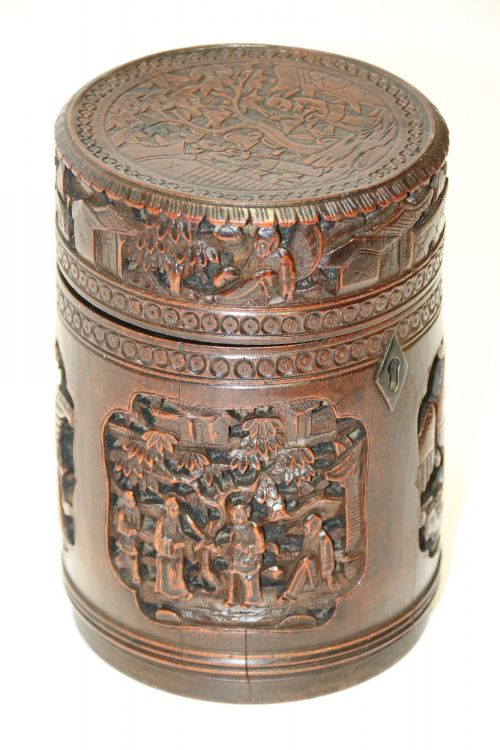
Scholar's items form the core of the offerings, featuring deeply carved brush pots and folding headrests. Artisans utilised the hollow culms of bamboo to carve intricate landscape scenes or figures with high relief. Buyers find both utilitarian items, such as bird cages and wedding baskets, and purely ornamental desk accessories.
Materials and construction methods
Craftsmen selected mature bamboo culms for their density and wall thickness, allowing for deep undercutting in sculptural carvings. The natural nodes of the bamboo provided structural strength and defined the vertical boundaries of brush pots and containers. Artisans also worked extensively with dense tropical hardwoods like hongmu and huanghuali, pairing them with the bamboo elements.
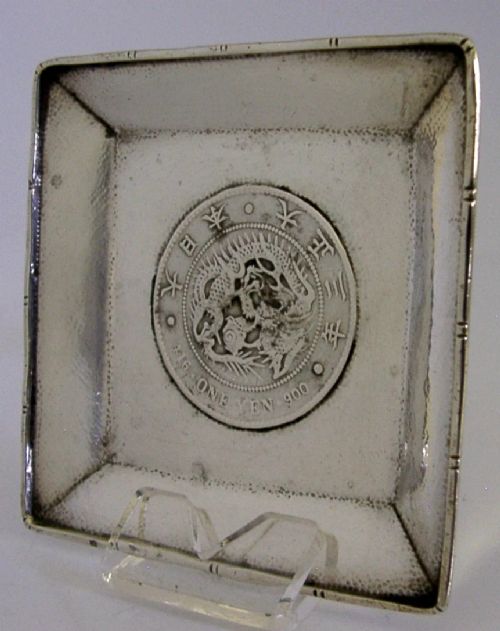
Carving techniques required immense precision to avoid splitting the dry plant material while executing elaborate figural and botanical motifs. Surfaces were often polished to develop a deep patina through handling and natural ageing. Metal components, such as sterling silver mounts, occasionally reinforced bamboo handles and vessels.
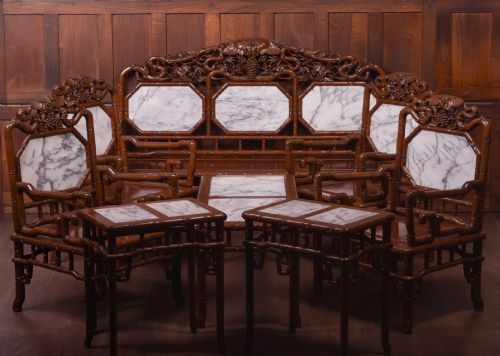
Joinery in the furniture pieces relied on traditional interlocking joints without metal fasteners, ensuring stability in nests of tables and plant stands. Inlaid details using mother-of-pearl or marble added textural contrast to the dark wood frames. Artisans maintained a careful balance between the organic grain of the bamboo and the geometric lines of scholar stands.
Listings feature items spanning the eighteenth century to the mid twentieth century, constructed from bamboo, hardwood, marble, and silver.
Evaluating craftsmanship and condition
Superior examples display crisp, undercut carving that preserves the natural curvature of the bamboo without structural splitting. The depth of relief and the clarity of facial expressions on figural carvings separate master works from routine production. Patina plays a major role, where centuries of handling impart a warm, lustrous sheen to the surface.
Proportion and balance dictate the worth of scholar's objects, ensuring that brush pots and headrests sit squarely and feel harmonious in the hand. The quality of the underlying material determines longevity, with tight-grained bamboo resisting the shrinkage and warping seen in lesser specimens. In furniture, the matching of wood grain across nests of tables demonstrates superior material selection.
Luen Hing
The Qing Dynasty Bamboo Glossary
- Hongmu
- A dense, dark red-brown Asian hardwood frequently utilised for Qing Dynasty furniture and stands. It provides a heavy, durable structural frame that contrasts with lighter bamboo elements.
- Brush pot
- A cylindrical container used in the scholar's studio to hold writing brushes. These vessels serve as primary canvases for intricate bamboo carving.
- Huanghuali
- A prized aromatic hardwood known for its exceptional colour and distinctive grain patterns. Craftsmen reserved this material for high-status tables and stands.
- Torchère
- A tall ornamental stand designed to hold a light source or display a decorative object. They feature prominently among the hardwood furnishings on this page.
- Patina
- The surface sheen and colour developed by wood and bamboo through age and handling. A deep patina indicates long-term use and careful maintenance.
Qing Dynasty Bamboo: Frequently Asked Questions
What is a bamboo brush pot?
A bamboo brush pot is a cylindrical vessel carved from a mature section of bamboo culm, used traditionally by scholars to store writing brushes.
These pieces often feature elaborate relief carvings depicting figures, landscapes, or botanical motifs around the exterior wall.
How do I care for antique bamboo?
Antique bamboo requires stable indoor humidity and protection from direct sunlight to prevent the natural material from drying out and splitting.
Occasional dusting with a soft, dry cloth maintains the surface without stripping the accumulated historical patina.
What is hongmu wood?
Hongmu is a general category for heavy, dense tropical hardwoods used extensively in Qing Dynasty furniture production.
Its dark tone and robust nature made it the preferred choice for plant stands, altar tables, and nesting surfaces.
Were these items made for export?
Many Qing Dynasty pieces were produced specifically for Western markets under the heading of Chinese export art.
These objects often combined traditional Asian forms with decorative elements that appealed to European collectors during the Victorian era.