




Gold Painted Plaque
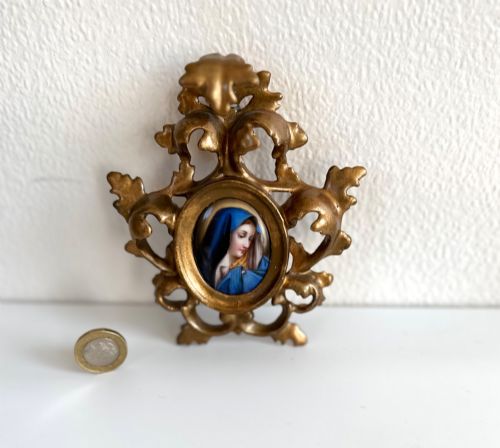
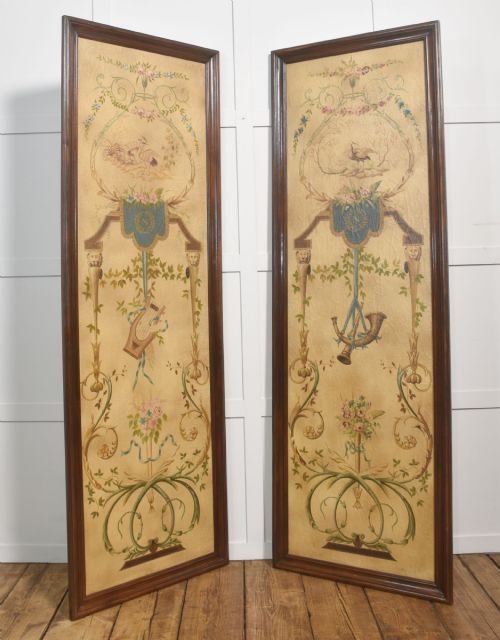
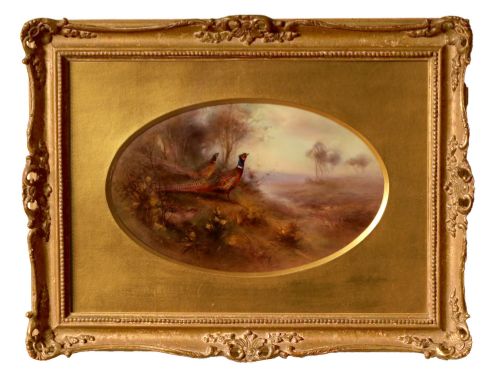
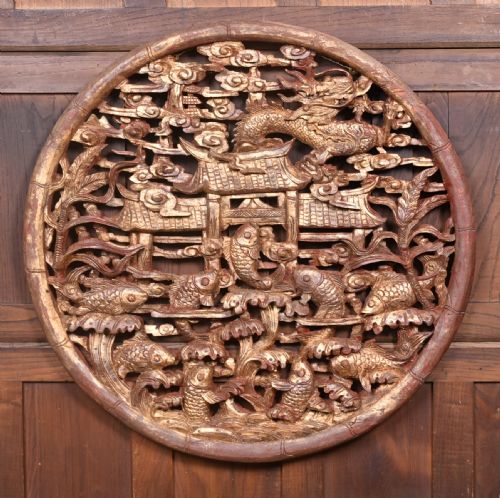
These gold painted plaque examples bring together porcelain, wood, and enamel surfaces rendered in Victorian, Neoclassical, and Renaissance revival styles.
Gold Painted Plaque
A gold painted plaque serves as a decorative wall hanging, panel, or inset mounted within frames and furniture, functioning primarily as pictorial or heraldic art. When searching for a gold painted plaque, collectors encounter varied iterations spanning hand-painted porcelain surfaces, carved wooden panels, and reverse glass signs. The selection on this page centres heavily on nineteenth-century Continental porcelain and European decorative plates.
The objects take diverse physical forms, ranging from framed cabinet plates and chargers to architectural fragments and devotional icons. Makers utilised porcelain blanks from factories such as Vienna, KPM, and Royal Worcester, applying detailed figurative scenes alongside gilt ornamentation. These pieces reflect historical revivals, incorporating Rococo, French Chateau, and Napoleonic aesthetics into domestic interiors.
Materials and construction
Porcelain serves as the principal ground for painted plaques, requiring careful firing before artists applied enamel pigments and gold leaf details. Artisans fused the metallic gilding and colours during secondary kiln firings to ensure permanence on the glossy ceramic surface.
Alternative pieces utilise carved wood, cast iron, and reverse glass, where artisans painted directly onto the rear of the glass panel to achieve a luminous finish. Frames typically consist of giltwood, carved wood, or ormolu mounts, securing the central plaque or panel for wall display.
The inventory spans the seventeenth century through the 1920s, with a strong concentration of nineteenth-century Victorian production.
Evaluating the standard of workmanship
The refinement of the painted brushwork dictates the quality tier of each piece, distinguishing factory-standard output from master artist commissions. Superior plaques exhibit precise facial expressions, nuanced shading, and meticulous handling of hair and drapery.
The execution and survival of the gilding further define the piece, where thick gold leaf or hand-applied gold paint remains intact without excessive rubbing. Original frames and signed compositions by notable painters command higher regard among collectors.
James Stinton·Icilio Federico Joni·Henry Pierce Bone·William Rayworth·H. Desprez
The Gold Painted Plaque Glossary
- Charger
- A large decorative plate or dish intended for display rather than table use. These items frequently feature historical or mythological scenes painted across the wide central surface.
- Enamel
- Vitreous material fused to a metal or ceramic substrate through high-temperature firing. This technique produces glossy, durable surfaces resistant to fading.
- Giltwood
- Wood that has been coated with a thin layer of gold leaf or gold paint. Frames and architectural panels utilise this finish to add reflective warmth.
- Ormolu
- Gilded bronze or brass mounts applied to furniture, clocks, and plaque frames. The technique emerged strongly in French decorative arts during the eighteenth and nineteenth centuries.
- Reverse glass painting
- An artistic process where the image is painted directly onto the back of a glass sheet so the finished work is viewed through the front. This method protects the pigment and yields a distinctive gloss.
Gold Painted Plaque: Frequently Asked Questions
What subjects appear on these painted plaques?
The artwork depicts mythological narratives, religious icons, portraits of historical figures, and classical literary scenes. Makers drew inspiration from Renaissance masters and contemporary European painting.
Surviving examples also include decorative still lifes, heraldic coats of arms, and occasionally humorous trade signs rendered on glass or wood.
How were these plaques originally displayed?
Many pieces were framed for wall mounting in Victorian parlours, drawing rooms, and cabinet displays. Others were integrated directly into furniture pieces such as tables or over-door panels.
Chargers and cabinet plates typically rested on specialised stands or hung using fitted wire attachments secured to the reverse frame.
How do I identify a KPM or Vienna plaque?
Continental porcelain plaques frequently feature underglaze blue factory marks, impressed stamps, or painted titles on the reverse of the porcelain biscuit. Vienna pieces often display the shield mark alongside title inscriptions in script.
Stylistic execution also aids identification, as Berlin and Vienna painting studios employed distinct palettes and miniaturist techniques during the nineteenth century.
Are these pieces hand painted?
The majority of fine nineteenth-century porcelain plaques and panels feature hand-painted enamel decoration executed by skilled porcelain painters. Signatures occasionally appear in the lower corners of the composition.
Certain commercial or later items may incorporate transfer printing enhanced with hand-applied gold paint or enamel touch-ups.
How should I care for a framed porcelain plaque?
Keep the piece away from direct sunlight to prevent fading of the enamel colours and degradation of the giltwood frame. Dust the glass and frame gently with a dry, soft cloth.
Avoid using liquid cleaners on the exposed porcelain or painted glass surfaces, as moisture can infiltrate unsealed edges or damage old pigments.