


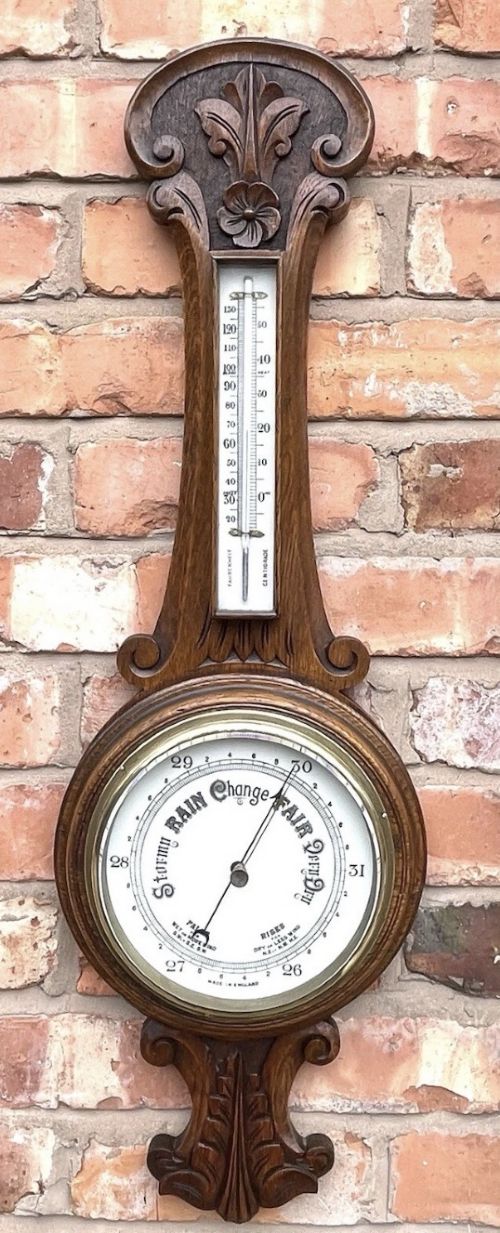

Weathered Wood Carving
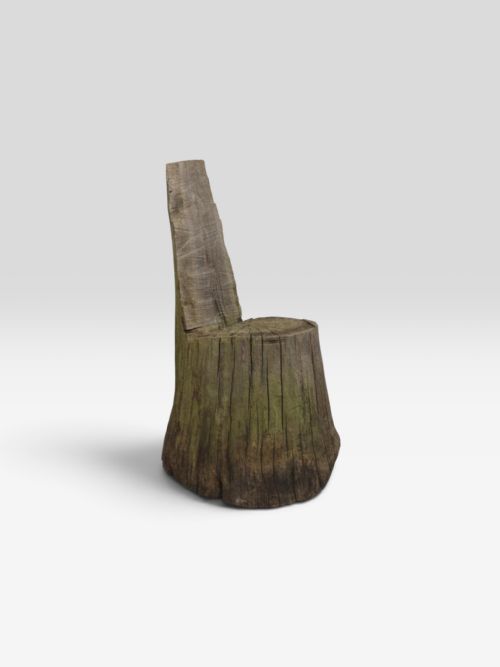
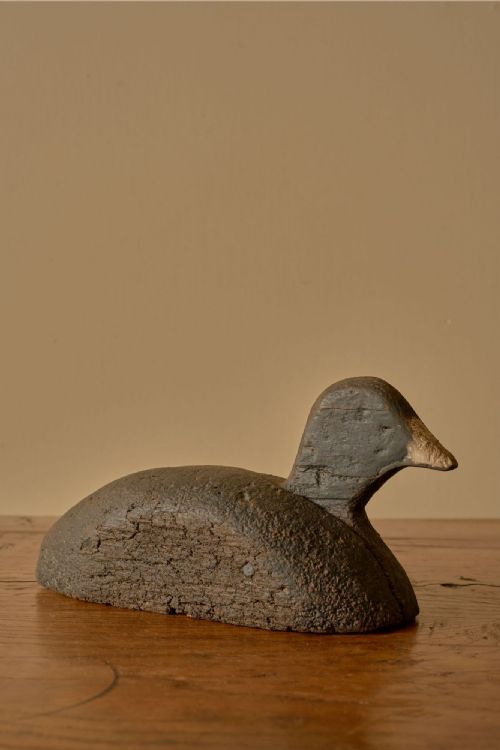
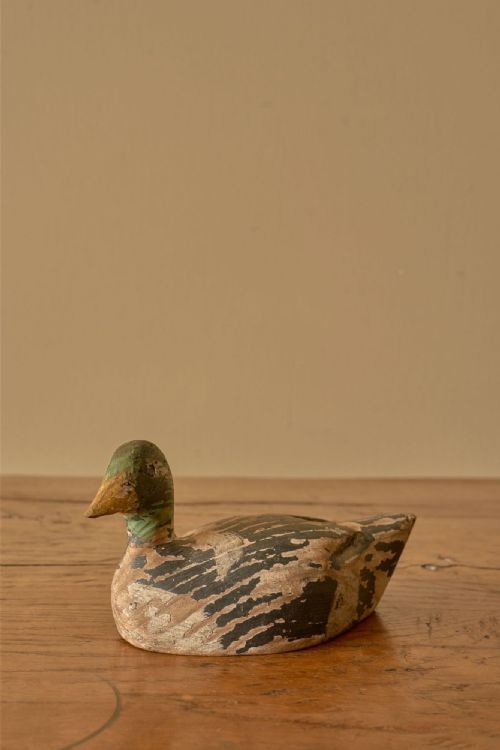
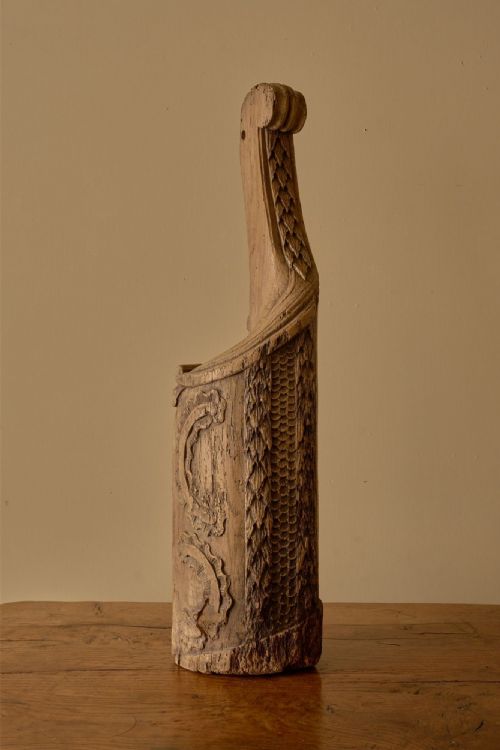
These weathered wood carving pieces bring raw texture and organic form into a room.
Weathered Wood Carving
When you search for weathered wood carving, you are looking at items shaped by both human hands and the elements over decades or centuries. These objects range from architectural salvage and religious sculptures to utilitarian items like dough bowls and decoy ducks.
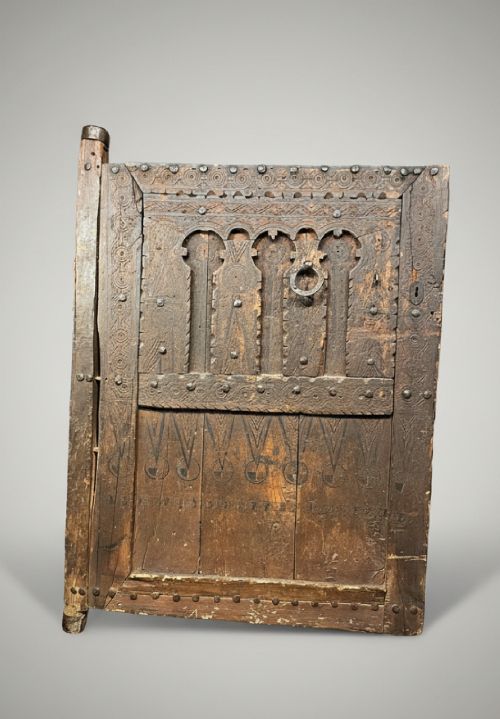
The versions most likely to meet you on this page span the eighteenth, nineteenth, and early twentieth centuries. You will find regional folk art, Black Forest carvings, and architectural fragments alongside country furniture.
Materials lean heavily toward oak, walnut, teak, and mixed timbers, often carrying the marks of age, paint remnants, and deep patination. Each piece functions as a sculptural focal point rather than a standard furnishing.
How they were made
Makers shaped these items using hand chisels, gouges, and saws on solid blocks of native hardwoods such as oak and walnut. The resulting tool marks remain visible across the surfaces, recording the physical labour of the carver.
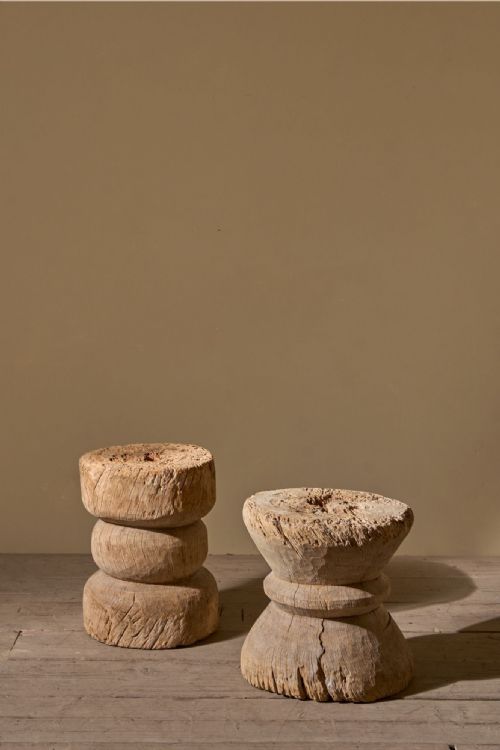
Exposure to weather, repeated handling, and natural shrinkage created the characteristic surfaces seen today. Many pieces retain traces of early paint, liming, or wax finishes that settled deep into the grain over generations.
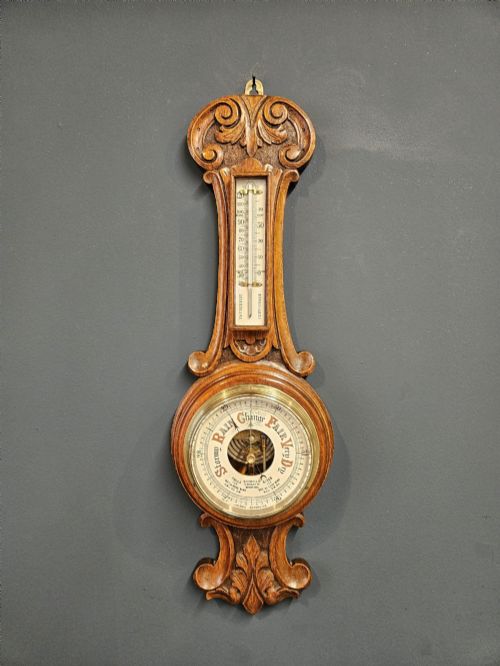
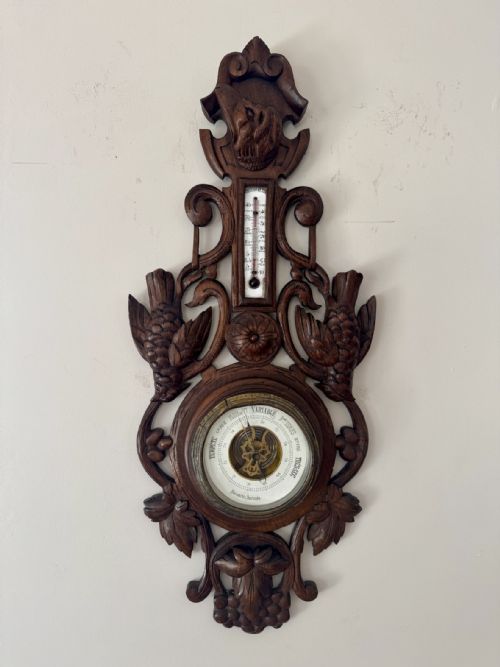
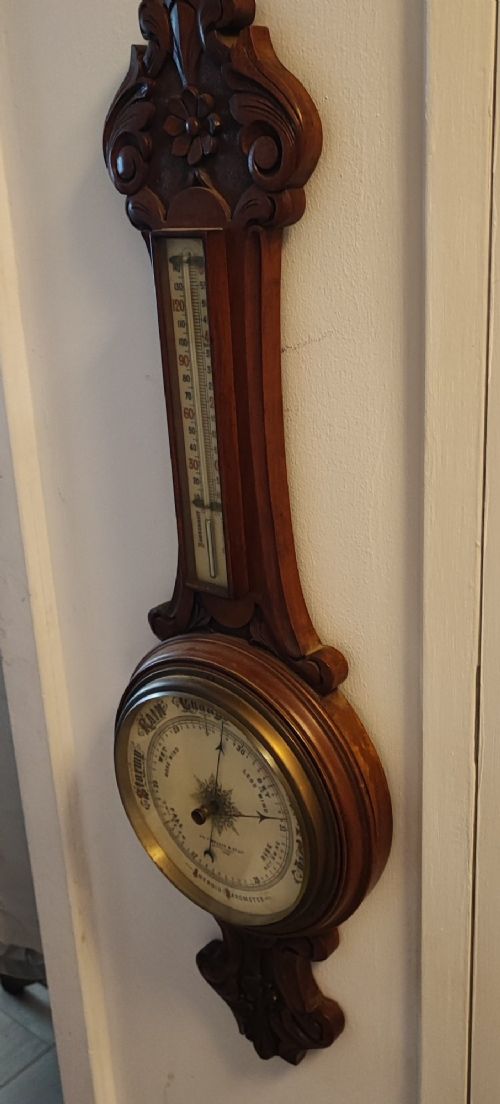
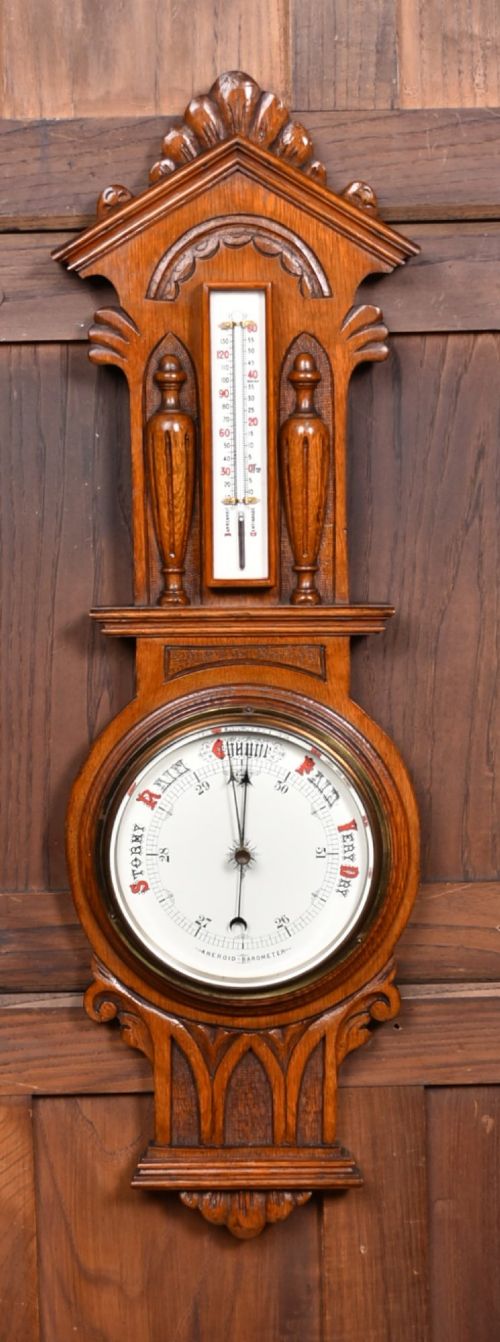
Listings feature eighteenth-century architectural brackets alongside nineteenth-century Black Forest barometers and twentieth-century decoy ducks in oak, walnut, and pine.
What varies in quality
The standard of a weathered wood carving depends on the confidence of the hand behind the chisel and the depth of the surviving patina. Strong anatomical proportion in figural work and crisp execution in architectural foliage separate master carvers from provincial artisans.
Surface integrity dictates value just as much as carving skill. Pieces that acquired their weathered state naturally through age hold more visual depth than those exposed to artificial distress.
The Weathered Wood Carving Glossary
- Patina
- The lustrous surface sheen developed through age, handling, and waxing. It highlights the grain and tells the history of the timber.
- Newel post
- The principal post at the foot or landing of a staircase, often carved in heavy oak or walnut. These structural supports frequently double as decorative sculptures.
- Black Forest
- A nineteenth-century carving style originating in Switzerland and Germany, known for realistic depictions of animals and foliage. These works utilise deep relief and naturalistic forms.
- Dough bowl
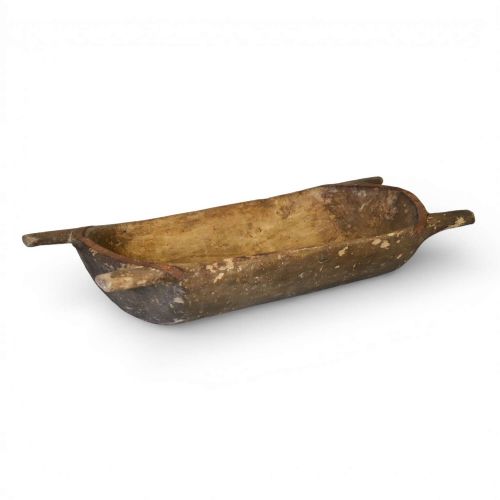
- A large wooden vessel traditionally used for kneading bread dough, hewn from a single log. Their simple forms display deep interior wear from decades of utility.
- Folk art
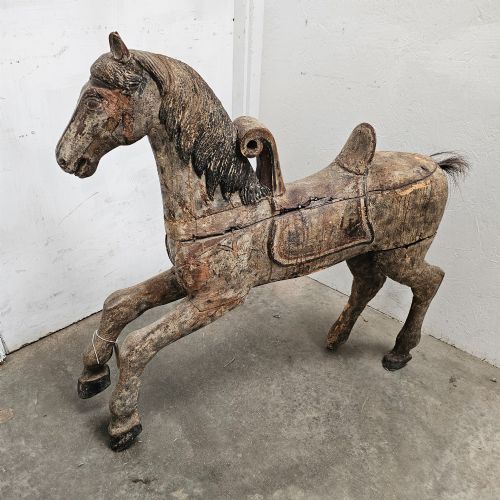
- Objects created by self-trained makers outside academic traditions, including decoy ducks and rustic seats. They prioritise expressive utility over strict proportion.
Weathered Wood Carving: Frequently Asked Questions
How do I clean a weathered wood carving?
Dust the surface gently with a soft, dry brush to remove loose particles without disturbing the grain or fragile remnants of old paint. Avoid using water, detergents, or modern polishes that can strip the historic finish and dry out the timber.
Apply a microcrystalline wax sparingly if the wood appears parched, buffing it off completely after a short period. This protects the fibres while preserving the dry, tactile quality of the aged surface.
Can these carvings be placed outdoors?
Most antique wooden carvings struggle outdoors because moisture and frost cause historic timbers to split and rot rapidly. Keep them inside climate-controlled rooms where temperature swings remain minimal.
Items originating from architectural salvage or garden seats were built for exterior use originally, but indoor placement stops further weathering and preserves their current condition.
What is Black Forest carving?
Black Forest carving refers to nineteenth-century wooden decorative objects produced primarily in the mountainous regions of central Europe. These pieces celebrate regional wildlife and flora through deeply undercut relief work.
Common subjects include bears, stags, and intertwined branches forming frames, barometers, and furniture. The style values anatomical realism combined with functional utility.
How do I date an old wood carving?
Examine the tool marks left on the unexposed reverse or underside of the timber. Hand-cranked saws, adzes, and specific chisel widths point directly to historical manufacturing periods before industrial machinery took over.
Compare the style of the carving and the species of wood to known regional examples from the eighteenth and nineteenth centuries. Wear patterns around common hand-grip areas also indicate the length of active use.