






Baroque Carved Oak Figure
A baroque carved oak figure brings profound depth and historic theatre to a room through dense timber and dramatic movement.
Baroque Carved Oak Figure
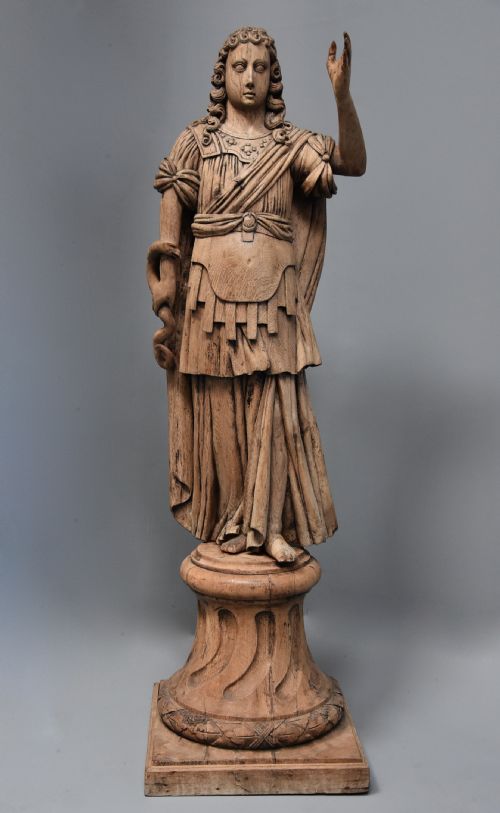
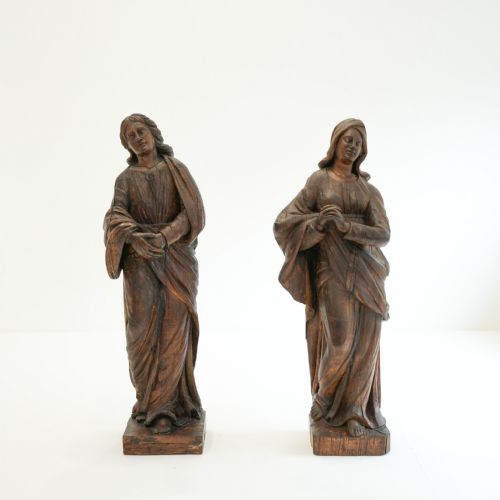
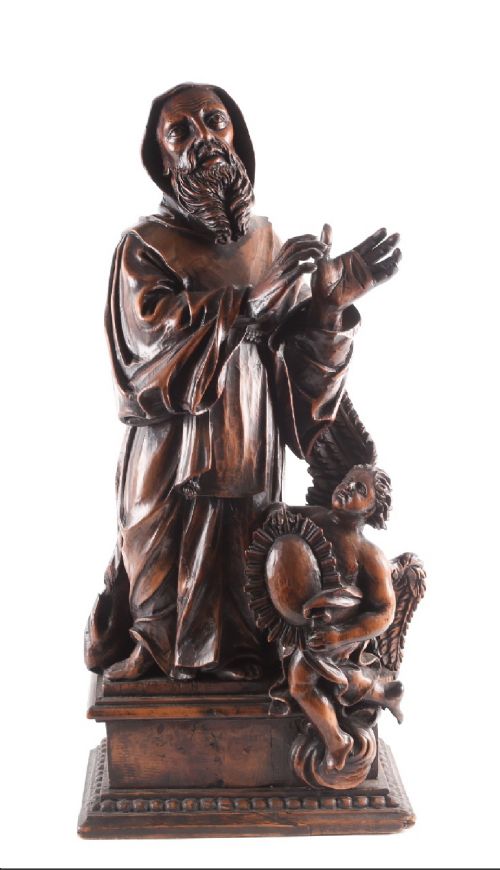
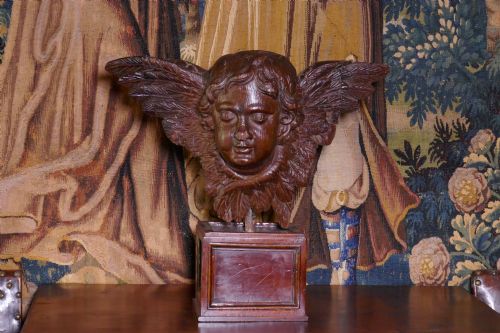
A baroque carved oak figure represents substantial sculptural work from seventeenth and eighteenth-century workshops, encompassing everything from architectural single caryatids and cherub heads to life-size continental figures and religious depictions. Buyers exploring baroque carved oak figure options encounter ecclesiastical subjects such as Christ figures, saints, and kneeling angels alongside secular architectural carvings.
The objects span multiple centuries, including seventeenth-century Low Country pieces, eighteenth-century Continental examples, and nineteenth-century interpretations. Forms vary widely from solitary architectural fragments to paired figures and substantial statues derived from church and domestic settings.
Materials and construction
Makers shaped these sculptures primarily from solid oak and carved hardwood, utilising the dense grain to achieve deep relief and intricate drapery. Certain examples incorporate parcel gilt highlights and supplementary elements of metal and fabric to enhance the visual drama of the subject.
The listings on this site encompass seventeenth and eighteenth-century pieces alongside nineteenth-century statues executed in oak, hardwood, and parcel gilt.
Assessing the craftsmanship
Superior examples demonstrate confident handling of human anatomy, fluid drapery folds, and deep undercut carving that creates genuine three-dimensional presence. Lesser pieces often rely on stiff, repetitive tool marks and superficial surface detailing that lacks structural conviction.
The depth of the carving and the preservation of the original wood surface significantly influence the visual impact of each piece. Superior proportion and anatomical accuracy distinguish ambitious ecclesiastical commissions from standard workshop production.
The Baroque Carved Oak Figure Glossary
- Baroque
- An artistic style originating in the seventeenth century characterised by dramatic movement, rich detail, and theatrical emotion. This aesthetic dominates the dynamic poses and deep relief found in these sculptures.
- Caryatid
- A sculpted female figure serving as an architectural support taking the place of a column or a pillar. Single caryatids appear frequently in architectural carvings from the period.
- Corpus Christi
- A representation of the body of Jesus Christ on the cross. These figures form significant devotional objects in ecclesiastical wood carvings.
- Parcel Gilt
- A technique where parts of a wooden sculpture are decorated with gold leaf while other areas reveal the natural timber. This method highlights specific details such as garments or hair.
- Ecclesiastical
- Relating to the Christian Church or its clergy. Many pieces originate from church furnishings and religious architectural settings.
Baroque Carved Oak Figure: Frequently Asked Questions
What periods do these figures date from?
The pieces span the seventeenth, eighteenth, and nineteenth centuries, reflecting evolving sculptural traditions across Europe. Specific dates range from the seventeenth century through to circa nineteen-hundred.
Earlier examples often display Low Country or Flemish influences, while later items encompass Continental and nineteenth-century interpretations of baroque forms.
How were these wooden figures originally used?
Many examples served architectural functions, supporting structures as caryatids or decorating church interiors as religious figures and angels. Others formed part of larger ecclesiastical altarpieces or devotional displays.
Secular settings also utilised dense wood carvings as decorative elements within grand domestic interiors and architectural joinery.
How should I care for an oak sculpture?
Maintain stable indoor humidity and temperature to prevent the seasoned oak from splitting or moving. Keep the sculpture away from direct heat sources and strong sunlight.
Dust gently with a dry, soft brush rather than utilising liquid cleaners or polishes that might damage the historic timber surface.
How can I distinguish between centuries?
Examination of tool marks, wood patination, and stylistic convention helps indicate the period of creation. Seventeenth-century pieces often show deep, vigorous relief work associated with Flemish and Low Country traditions.
Later nineteenth-century interpretations typically reveal different surface tool signatures and varying approaches to anatomical proportion compared to authentic period originals.