


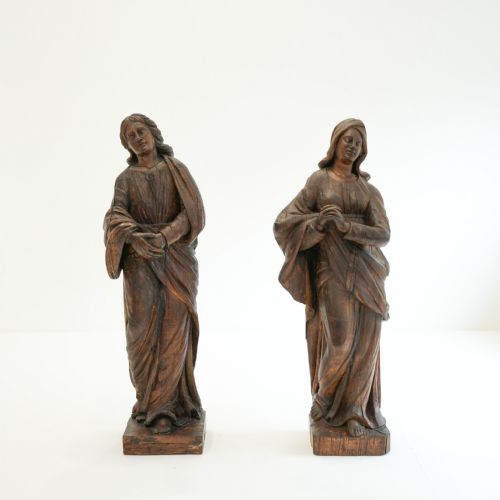


Antique Church Wood Sculpture
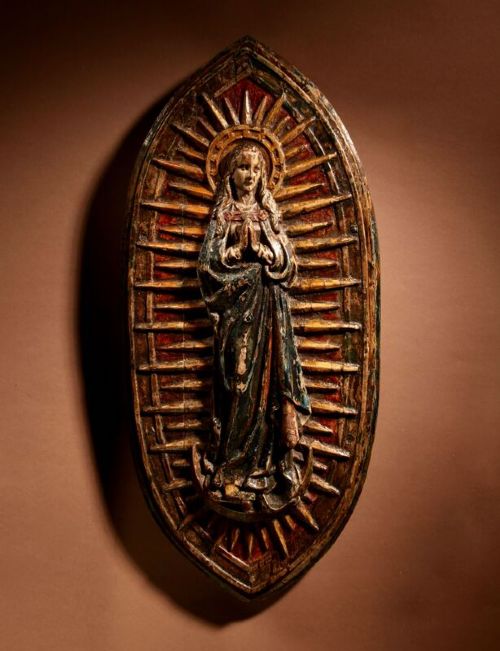
These antique church wood sculpture pieces bring centuries of devotional craft into domestic spaces through carved oak, gesso and polychrome paint.
Antique Church Wood Sculpture
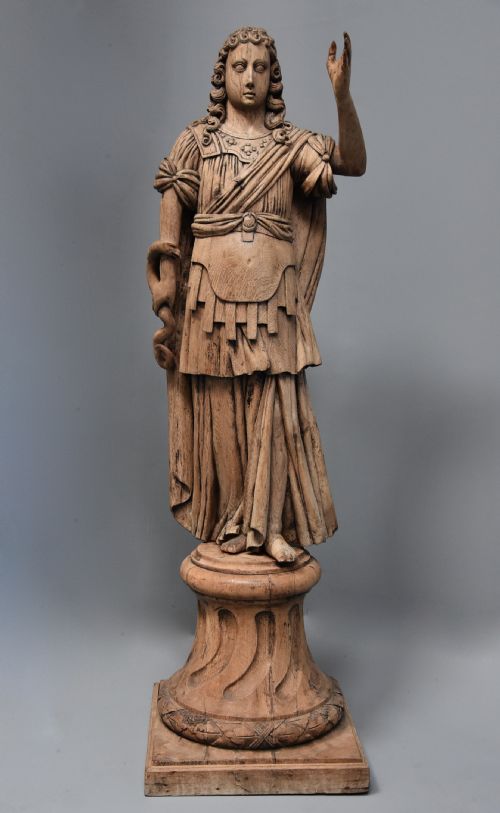
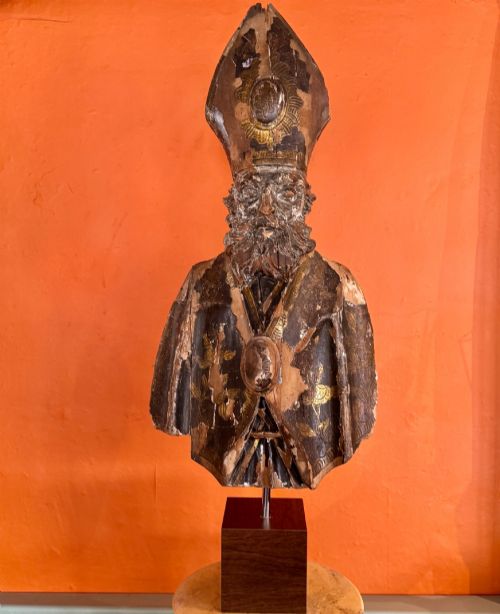
An antique church wood sculpture spans periods from pre-sixteenth century Gothic works to nineteenth century revival pieces, taking the form of saints, angels, Madonnas and architectural fragments. Buyers encounter figures originating from continental workshops in France, Italy, Germany and Spain, reflecting regional devotional traditions.
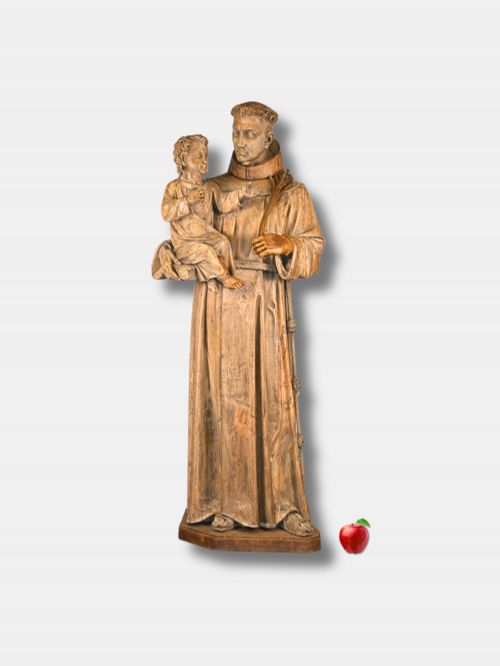
The objects on this page range from life-size standing figures and altarpiece panels to processional statues, wall reliefs and architectural lecterns. Oak, pine and limewood form the primary structural materials, shaped into devotional representations that once occupied sacred ecclesiastical interiors.
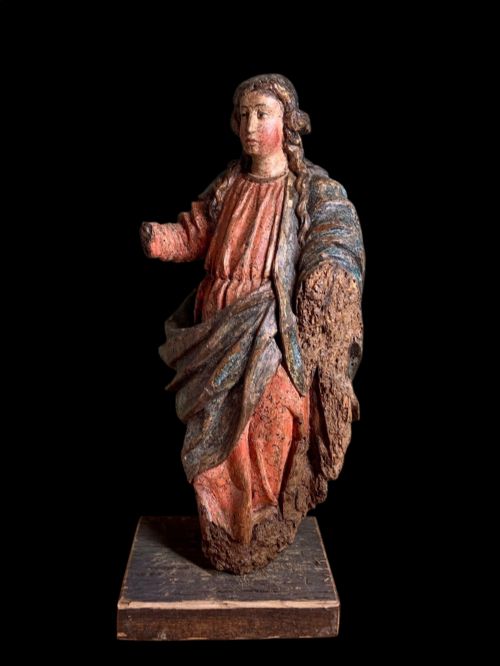
Earlier examples show the hand of late medieval and Renaissance carvers working in solid oak, while eighteenth and nineteenth century pieces often employ softer woods finished with layered gesso and polychrome paint. Each format carries the physical evidence of its liturgical function and subsequent centuries of handling.
Materials and construction methods
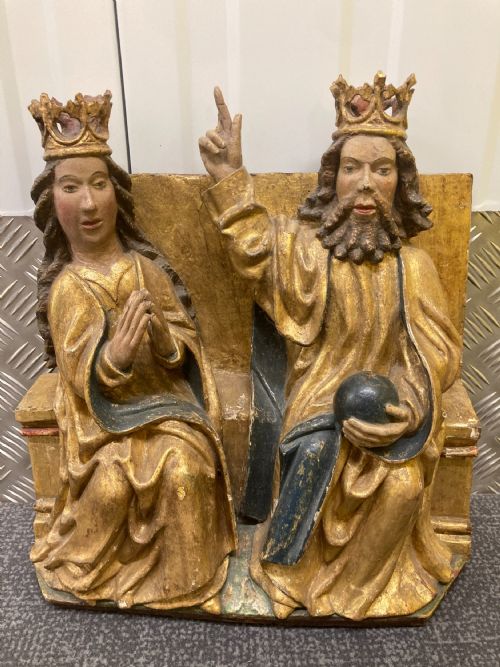
Surfaces frequently received a preparation of gesso applied over textile scrim, providing a smooth ground for gilding with gold leaf or painting with rich polychrome pigments. This layered construction allowed makers to achieve lifelike skin tones and patterned vestments that caught the candlelight of church altars.
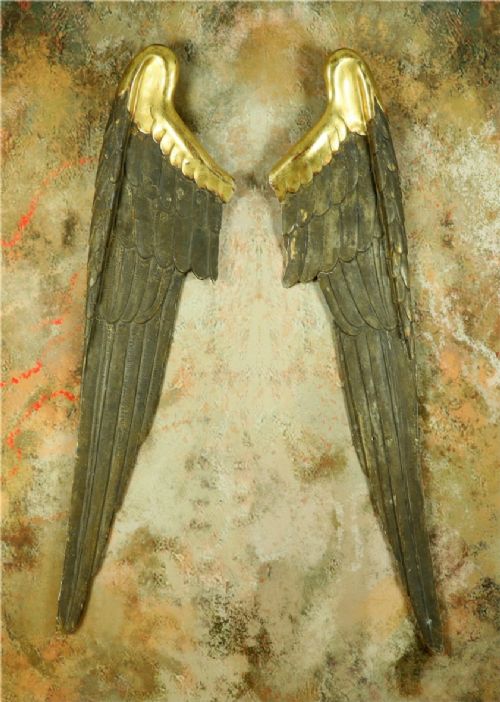
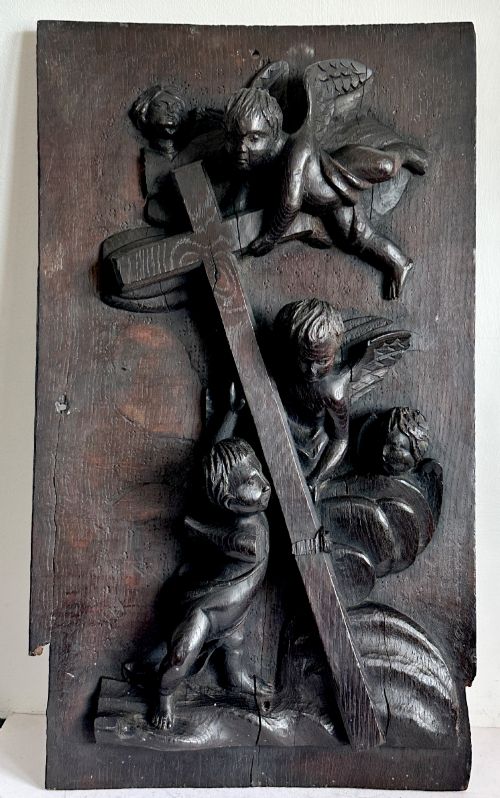
Angels on this page come equipped with everything from outstretched wooden wings to alters of love.
What distinguishes finer examples
Quality rests in the anatomical conviction of the carving, visible in the articulation of hands, feet and facial expressions beneath heavy drapery. Superior pieces retain the crisp edge-work of the original chisel cuts, whereas lower tiers show softened details resulting from heavy overpainting or sanding during later restorations.
The preservation of original surface finishes dictates the historical integrity of the piece. Examples retaining traces of early polychrome pigment or original gold leaf command greater interest than those stripped down to bare timber or coated in modern synthetic finishes.
The Antique Church Wood Sculpture Glossary
- Polychrome
- Painted in several colours. This finish was commonly applied over gesso to wooden carvings to create lifelike devotional images.
- Gesso
- A plaster mix used as a base for paint or gold leaf. It filled tool marks on the timber surface and provided a smooth ground for decoration.
- Altarpiece
- A structural artwork set above and behind an altar. Central panels often featured carved figures of saints or narrative biblical scenes.
- Acolyte
- An altar assistant or junior cleric. Figures representing acolytes frequently appear as candlesticks or supporting processional objects.
- Relief
- Sculpture carved from a flat background panel rather than rendered in the round. High relief projects significantly from the plane.
Antique Church Wood Sculpture: Frequently Asked Questions
How do I date an antique church wood sculpture?
Dating relies upon stylistic markers such as the cut of the drapery, the wood species used, and the tool marks left by the carver. Pre-sixteenth century pieces often feature dense oak and severe Gothic proportions, while later works adopt the fluid movement associated with Baroque and Renaissance movements.
Physical indicators like hand-forged iron fixings or early gesso layers further assist in establishing the approximate age. Examining the reverse side often reveals original pegging and construction methods specific to particular centuries.
Where should I place a church sculpture at home?
These sculptures suit locations with stable humidity and temperature away from direct sunlight or heat sources, which can cause old timber to split. Wall-mounted reliefs require secure fixings into structural masonry or studs due to the substantial weight of solid oak.
Freestanding figures look effective on robust console tables or pedestals where light can catch the carved contours and remaining polychrome paint. Positioning them at eye level allows the viewer to appreciate the fine detail intended for close ecclesiastical observation.
How do I care for wooden religious statues?
Maintenance requires dusting gently with a dry, soft-bristled brush to remove particulate matter from deep crevices in the carving. Avoid using commercial furniture polishes, water or chemical cleaners, as these substances can destabilise historic gesso and fragile paint layers.
Monitoring indoor humidity prevents the timber from expanding or contracting too rapidly. Stable environmental conditions ensure that original painted surfaces remain adhered to the wooden substrate.
What is a Santos processional figure?
A Santos figure is a devotional statue created for religious processions and private prayer, particularly within Catholic traditions. These pieces often feature articulated limbs or simplified block bodies designed to support elaborate fabric vestments.
Processional examples frequently show evidence of mounting hardware used to secure them to poles or platforms during feast day parades. Their construction prioritised durability during transport alongside devotional visibility.