



Baroque Wooden Saint Figure
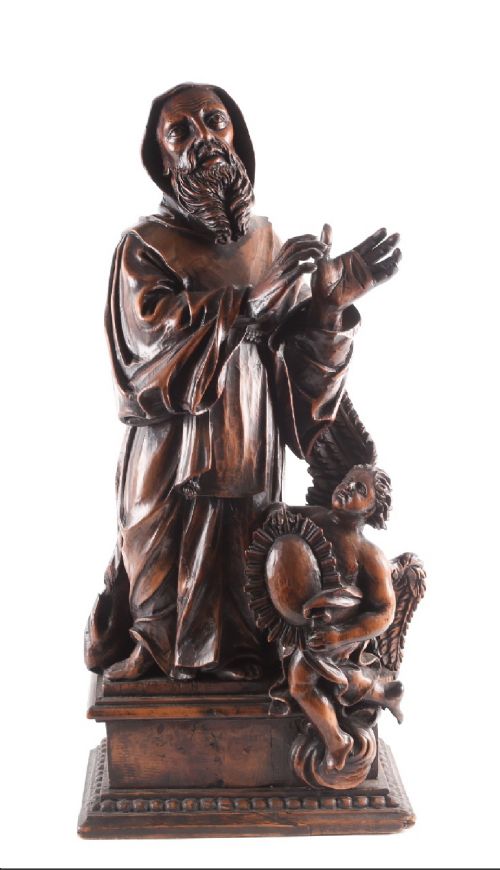
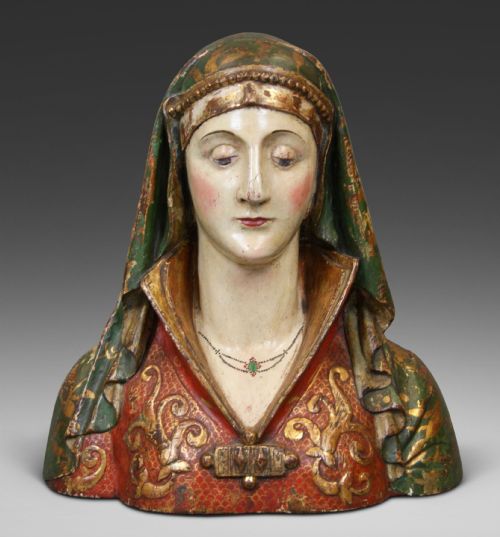
These baroque wooden saint figure carvings bring intense devotional presence into a room, combining dramatic sculptural movement with rich historical patina.
Baroque Wooden Saint Figure
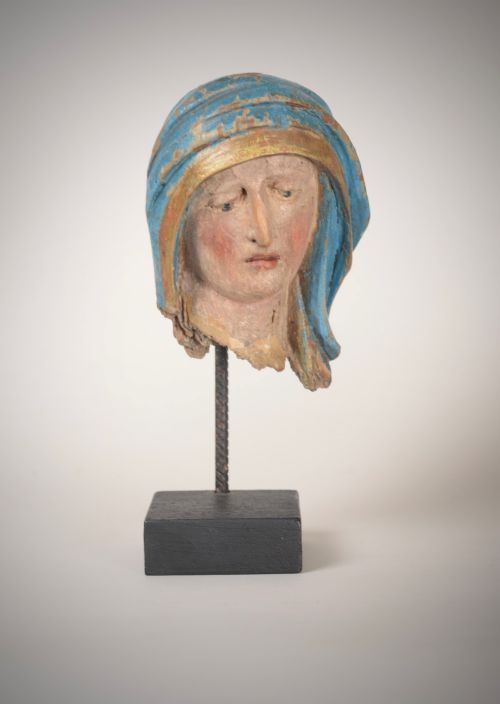
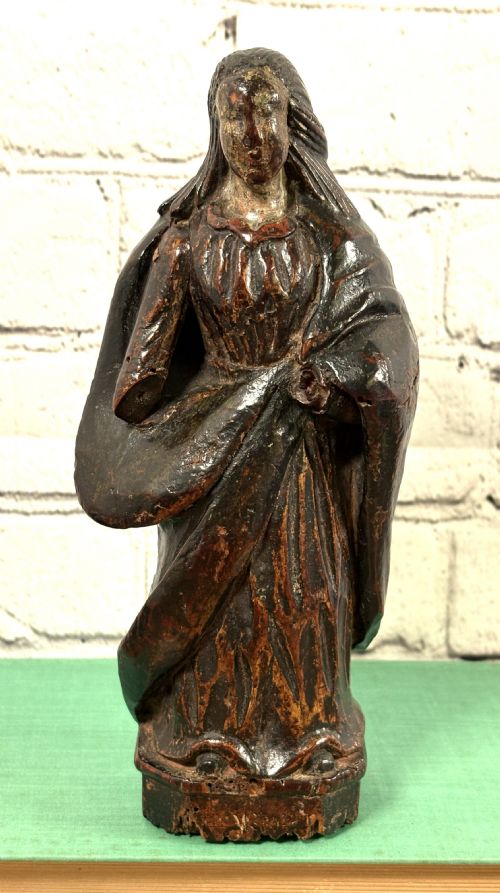
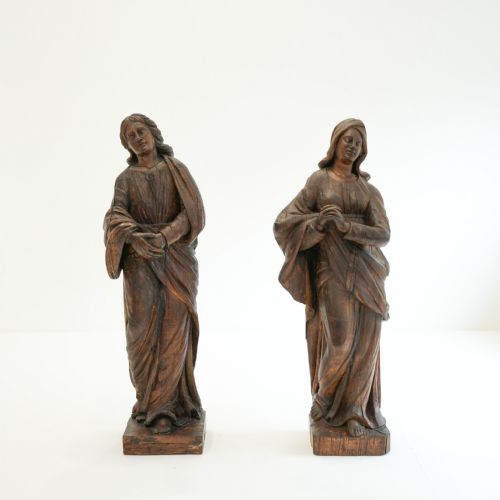
A baroque wooden saint figure represents venerated holy figures through dramatic, expressive sculptural forms rooted in seventeenth and eighteenth-century ecclesiastical traditions. You encounter these pieces as full-standing statues, paired figures, companion acolyte candlestick stands, expressive character heads, and individual religious busts.
The selections span from the seventeenth century through to the nineteenth century, encompassing Spanish, Italian, and German regional styles. Common subjects include Saint Barbara, Saint Francis, Saint John with his eagle, Saint Nicholas, and Saint Roche, alongside fragments and character depictions.
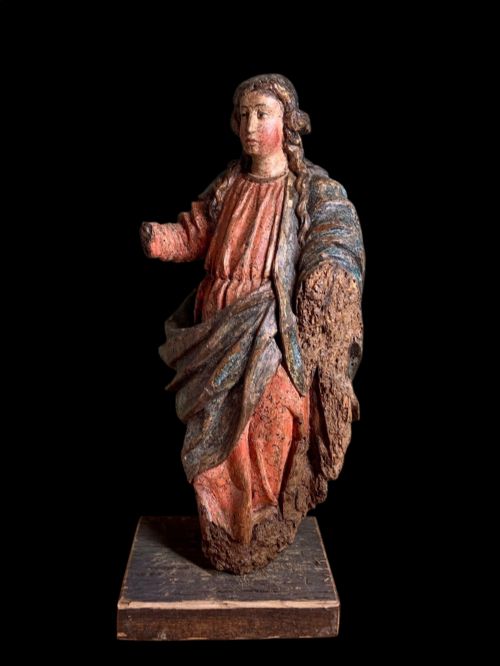
Makers shaped these sculptures from various hardwoods and limewood, frequently layering them with gesso, gold leaf, and polychrome paint to enhance their theatrical presence. Each piece serves as a tangible link to continental baroque religious art, designed to command attention in devotional spaces or domestic interiors.
Materials and construction
Carvers utilised native hardwoods, oak, applewood, walnut, and limewood as the foundational support for these sculptures. Limewood and fruitwoods provided the fine grain necessary for intricate facial expressions and flowing drapery.
Artisans applied gesso over the carved wood surface to create a smooth preparatory layer for subsequent decoration. This gesso base often received applications of gold leaf or detailed polychrome paint to render lifelike flesh tones and vibrant garments.
Current listings feature carved wood materials including oak, applewood, walnut, limewood, and hardwood, frequently finished with gold leaf, gesso, and polychrome paint.
Assessing quality and craftsmanship
The depth and fluidity of the carving separate standard workshop pieces from superior works. Master carvers achieved remarkable realism in the folds of garments, anatomical details of hands and faces, and the expressive emotion conveyed in the subject's gaze.
The preservation of the original surface finishes, including polychrome pigments and gilt layers, dictates the historical integrity of the piece. Subtle traces of early paint work and genuine gilding under subsequent layers indicate superior authenticity and age.
The Baroque Wooden Saint Figure Glossary
- Baroque
- An artistic style originating in the seventeenth century characterised by theatrical motion, deep emotion, and grand ornamentation. It manifests in these sculptures through dynamic poses and swirling drapery.
- Polychrome
- The practice of decorating sculptural surfaces in multiple colours. Artisans used pigments to render realistic skin tones, hair, and rich textile patterns on the carved wood.
- Gesso
- A white paint mixture consisting of a binder mixed with chalk, gypsum, or pigment. It served as the foundational ground for gilding and painting on wooden sculptures.
- Giltwood
- Wood that has been coated with thin sheets of gold leaf. This technique imparted a luminous, heavenly glow to ecclesiastical furnishings and statues.
- Acolyte
- An assistant in religious services. In sculptural terms, these figures often took the form of candle-bearing attendants flanking an altar.
Baroque Wooden Saint Figure: Frequently Asked Questions
How were these statues used?
These figures were primarily created for churches, domestic chapels, and religious processions across Catholic Europe. They served as focal points for prayer, veneration, and liturgical drama during the baroque period.
In contemporary settings, they function as striking decorative art objects that bring historical depth and texture to interior spaces.
How do I care for a wooden figure?
Keep wooden and polychromed sculptures away from direct sunlight, heating vents, and rapid humidity fluctuations. Stable environmental conditions prevent the underlying wood from splitting and protect fragile gesso and paint layers.
Dust the surface gently with a soft, dry brush rather than using wet cloths or chemical cleaning products.
How can I tell the period?
Dating relies on stylistic markers such as the theatrical intensity of the baroque carving, the specific treatment of drapery, and the composition of underlying gesso layers. Seventeenth-century examples often display tighter, more muscular forms, while eighteenth-century pieces favour flowing, graceful movement.
Material analysis of the hardwoods, alongside the natural ageing and oxidation of the polychrome pigments, provides further confirmation of age.
What is a Santos figure?
A Santos figure is a traditional carved representation of a saint or religious personage, originating in Spanish and Latin American Catholic traditions. They were frequently dressed in real textiles or carved entirely from wood with integrated polychrome finishes.
These pieces range from full standing statues to detailed portrait busts intended for devotional display.