


Carved Wooden Madonna Figure
A carved wooden madonna figure is a devotional sculpture holding centuries of faith and craft, offering quiet presence to any room.
Carved Wooden Madonna Figure
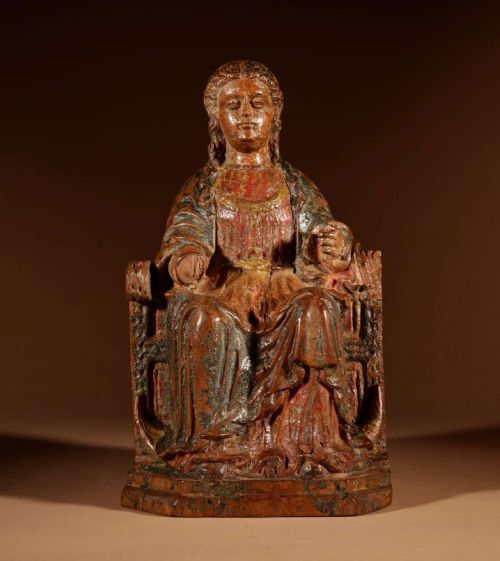
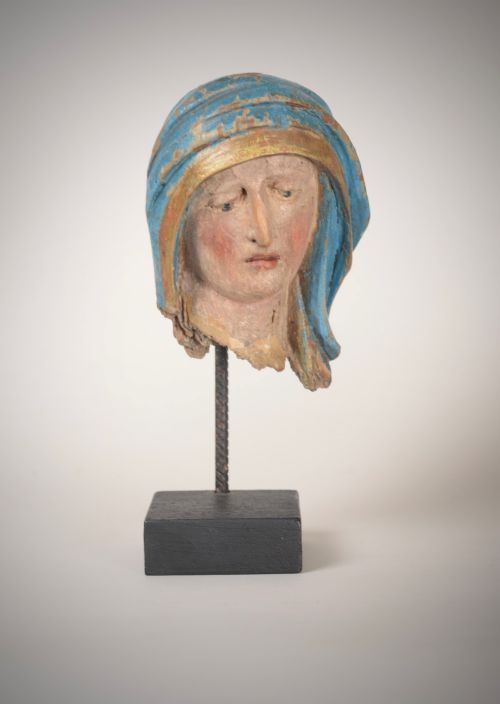
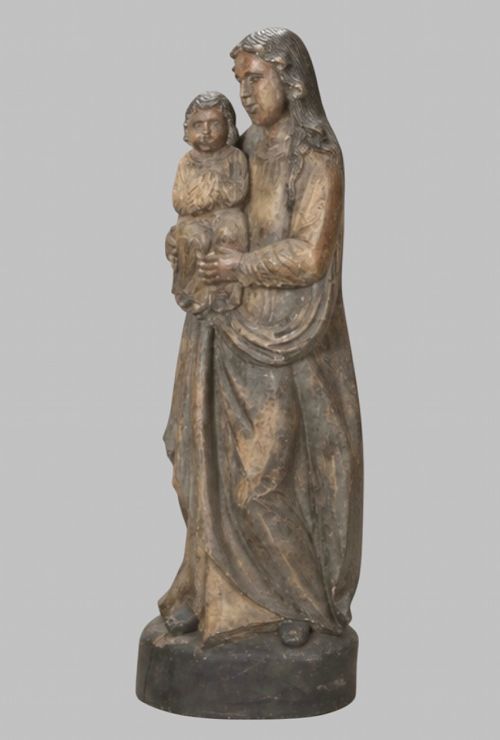
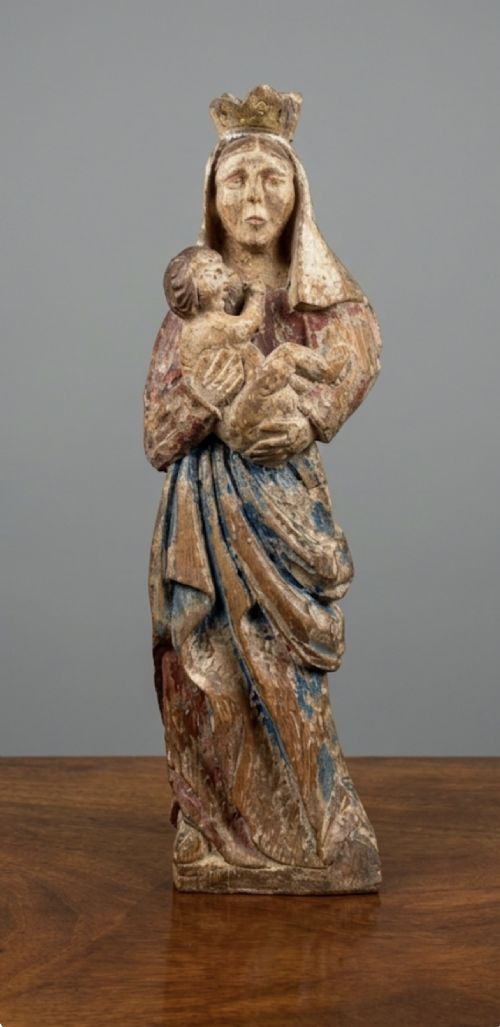
A carved wooden madonna figure brings together centuries of religious devotion and sculptural craft, taking the form of the Virgin Mary either alone or with the Christ Child. The selections here span from pre-sixteenth century medieval examples through to the nineteenth century and the mid-twentieth century, capturing shifts in piety and regional workshop traditions. You will encounter seated figures upon thrones, wall sculptures, and standing statues that reflect both high Gothic sensibilities and rustic folk art interpretations.
The most frequent encounters on this page are nineteenth-century interpretations alongside sixteenth-century oak carvings and eighteenth-century painted timber pieces. These range from substantial architectural fragments to smaller devotional figures intended for domestic prayer or parish use. The subjects include the Madonna and Child, the Pieta, and specific iconographic themes like the Lady of Sorrow.
Markers of quality
Quality rests in the anatomical confidence of the carving, the expressive depth given to the faces, and the natural fall of the drapery around the figure. Superior works demonstrate a sculptor's deep understanding of human form and emotional resonance, whereas simpler pieces rely on stiffer, more formulaic regional traditions.
The preservation of original surface treatments, including early polychrome paint and gesso layers, significantly elevates a piece above those stripped to bare timber by later interventions. Intact structural integrity, minimal timber loss, and authentic period patination separate museum-standard survivals from heavily restored or later compiled items.
Certain saints disguised themselves so convincingly as furniture over the centuries that their halos practically doubled as coat hooks.
The Carved Wooden Madonna Figure Glossary
- Polychrome
- Decorated in a variety of colours. This term describes sculpture finished with multiple paint layers, common in medieval and baroque devotional art.
- Gesso
- A plaster mix applied to wood surfaces. It served as a smooth ground for subsequent gilding and painting.
- Pieta
- A subject depicting Mary mourning over the body of Christ. These sculptures emphasise deep sorrow and theological gravity.
- Santos
- A carved figure of a saint used in Hispanic and European religious traditions. They often feature articulated limbs or specialised clothing.
- Giltwood
- Wood carved and then covered with gold leaf. This technique imparted a radiant heavenly glow to church altars and shrines.
Carved Wooden Madonna Figure: Frequently Asked Questions
How should I care for a wooden madonna?
Keep the sculpture away from direct sunlight and fluctuating central heating sources to prevent the timber from splitting.
Dust gently with a dry, soft brush and avoid applying modern polishes or cleaning agents to the historic surfaces.
Were these figures meant for homes?
While many originated in churches, convents, or roadside shrines, smaller devotional pieces were regularly commissioned for private domestic prayer.
Owners placed them in bedchambers or domestic oratories to aid personal meditation and family worship.
How can I tell the age of the wood?
Examine the tool marks left behind by the carver, as adze and early chisel strokes differ markedly from later machine tooling.
Natural oxidation, shrinkage cracks, and historical worm tracks also offer reliable clues to centuries of ageing.
Why do some figures lack paint?
Many pieces were deliberately carved from fine oak or walnut to be appreciated for their bare timber grain during periods of changing taste.
Others lost their original polychrome finishes through nineteenth-century stripping fashions or centuries of aggressive cleaning.