






Continental Carved Wooden Figure
A continental carved wooden figure brings centuries of devotion and masterly hand into a room, offering tangible history through carved saints, madonnas, and symbolic forms.

Continental Carved Wooden Figure
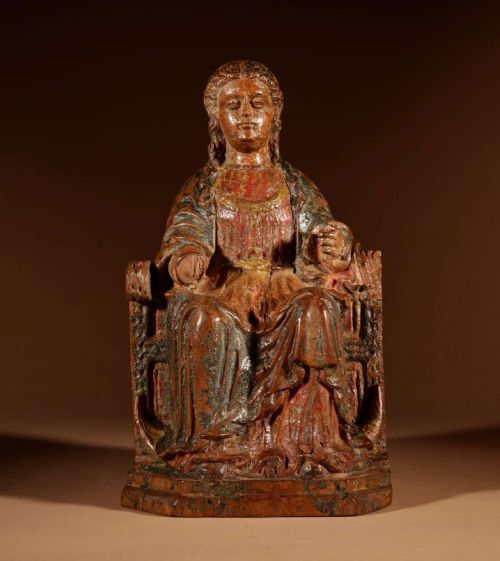
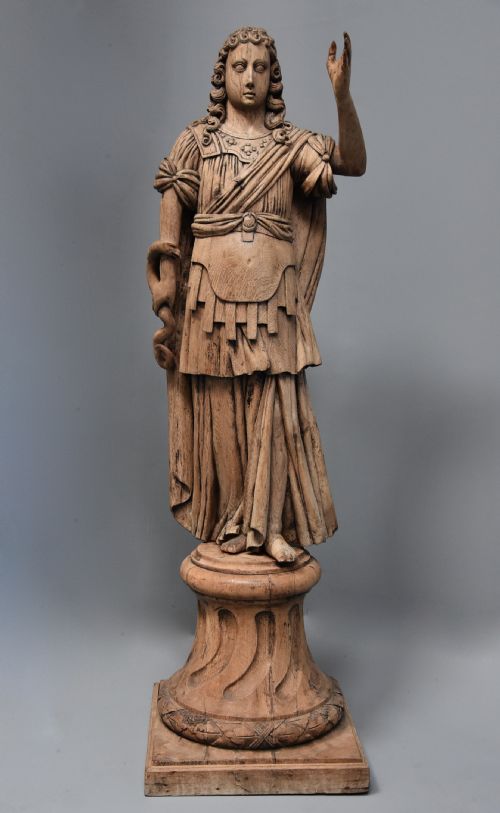
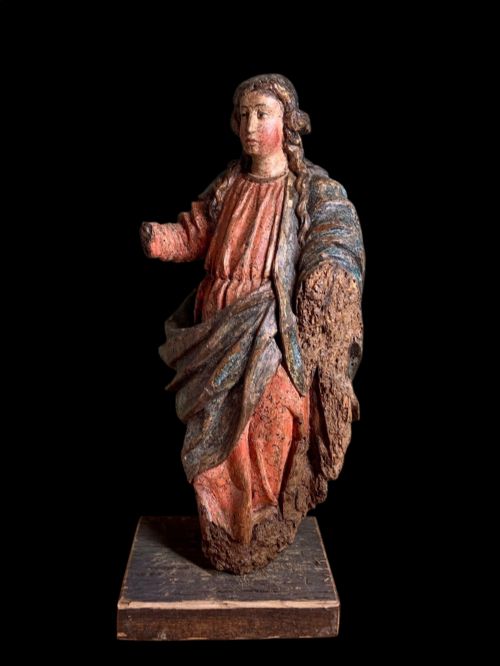
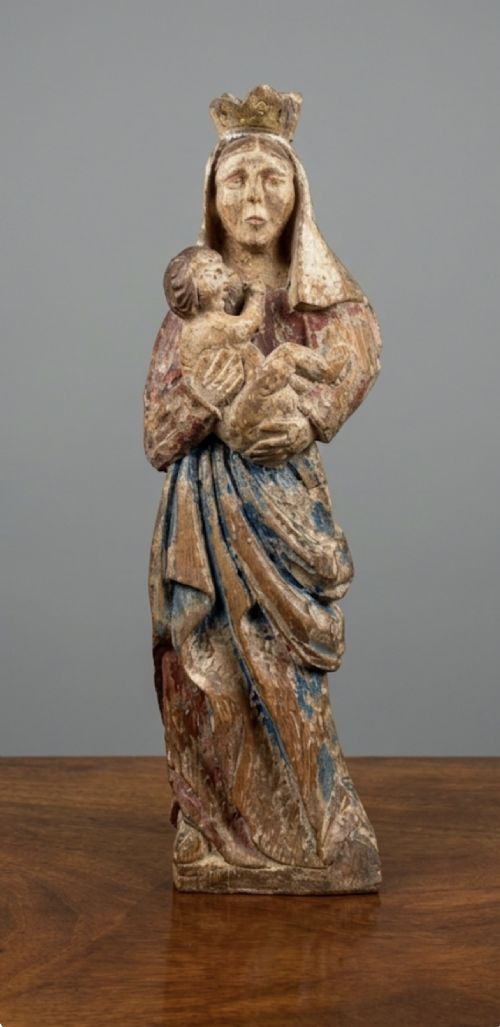
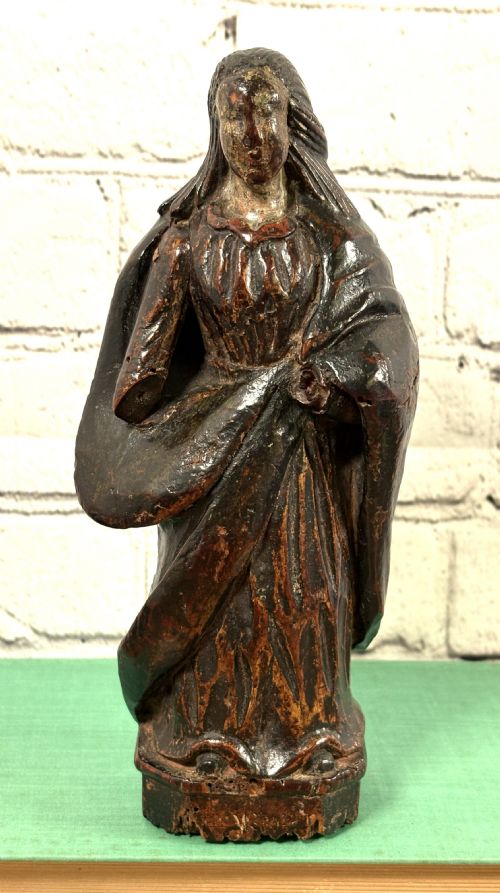
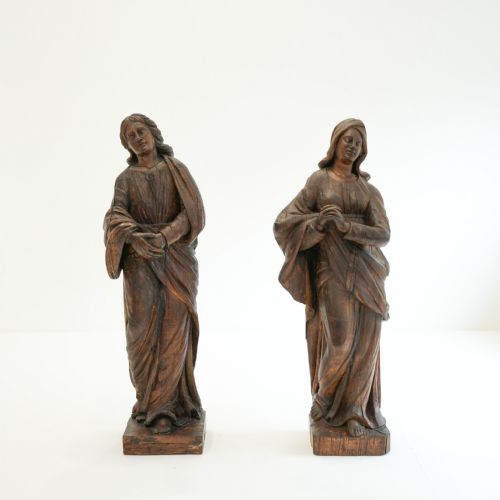
A continental carved wooden figure represents historical European craftsmanship, predominantly taking the form of religious sculptures, saints, madonnas, and decorative carvings. Buyers searching for a continental carved wooden figure will encounter works spanning from pre-sixteenth century fragments up to nineteenth-century interpretations.
The selection on this page leans heavily into ecclesiastical and devotional subjects, including figures of Christ, angels, and various saints in oak, limewood, and walnut. Alongside these religious pieces appear occasional secular or decorative carvings, such as carousel horses and figural candlesticks.
Originating from workshops across Europe, these sculptures range from life-size oak figures to intimate limewood devotional carvings. The prevalent styles traverse Gothic, Renaissance, and Baroque traditions, showing the evolving aesthetic of continental woodcarving over several centuries.
Materials and construction
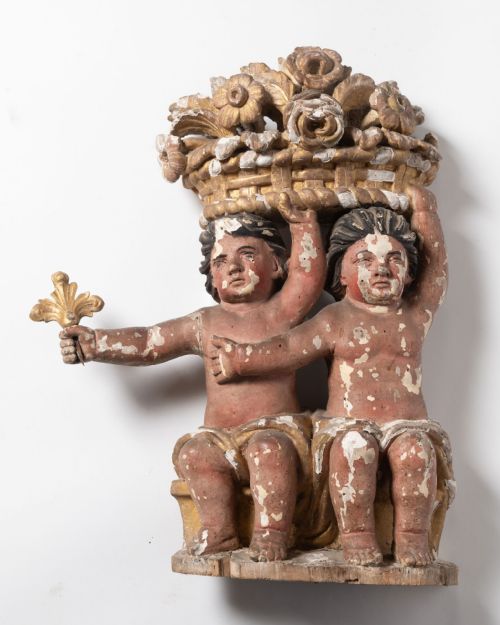
Many surfaces received a preparation layer of gesso before being finished with polychrome paint, silvering, or gold leaf. This combination of carved wood and applied finish gave figures like saints and madonnas their lifelike colour and devotional splendour.
Continental Carved Wooden Figure Retail Price Guide 2026
Typical asking prices for continental carved wooden figure among the pieces listed under this phrase on Sellingantiques today, from the lower quarter to the upper quarter. They describe what is for sale here now, not the wider market.
Listed pieces incorporate surface treatments including gesso, polychrome paint, silvering, and gold leaf.
Distinctions in quality
Quality rests upon the fluency of the carver's chisel and the anatomical conviction of the figure, distinguishing master works from provincial outputs. Depth of relief, the natural fall of textile folds, and expressive restraint separate superior carvings from routine production.
The preservation of original surface treatments, including early polychrome paint and gilding, dictates the integrity of a piece. Traces of ancient gesso and pigment provide authenticity and depth that heavy modern restoration obscures.
The Continental Carved Wooden Figure Glossary
- Polychrome
- Decorated in multiple colours. This term describes wooden sculptures painted with pigments to render lifelike skin tones and garments.
- Gesso
- A plaster-like mixture applied to wood as a base for paint or gold leaf. It provides a smooth surface for detailed decoration.
- Giltwood
- Wood that has been coated with thin sheets of gold leaf. This technique illuminated religious figures in dim church interiors.
- Socle
- A short plinth or pedestal supporting a statue or candlestick. It elevates the carved figure above the surface it rests upon.
- Limewood
- A fine-grained, pale wood favoured by continental carvers. Its lack of pronounced grain allowed for exceptionally intricate detail.
Continental Carved Wooden Figure: Frequently Asked Questions
What periods do these wooden figures span?
The available pieces span from pre-sixteenth century medieval works through the seventeenth-century Baroque period and into the nineteenth and early twentieth centuries.
Earlier examples often reflect Gothic or Renaissance devotional traditions, while later items include decorative figures and nineteenth-century interpretations of saints.
How were these figures originally used?
Most of these carvings served religious functions in churches, private chapels, and domestic shrines across continental Europe. They depicted saints, madonnas, and biblical figures to inspire devotion and contemplation.
A smaller number functioned as architectural elements, candleholders, or decorative objects within affluent homes.
Are the paint finishes original?
Many figures retain traces of their early or original polychrome paint, gesso, and gilding, though centuries of exposure mean surfaces often show wear, touch-ups, or remnants of later decorative layers.
Examining the relationship between the wood, the gesso layer, and the pigment helps determine the age and history of the surface.
How do I identify the wood used?
Carvers matched timber to regional availability and the scale of the commission, frequently employing dense oak for large figures and fine-grained limewood or fruitwoods for delicate portraiture.
Close inspection of the grain pattern, weight, and colour reveals whether a sculpture is carved from oak, walnut, limewood, or pine.