


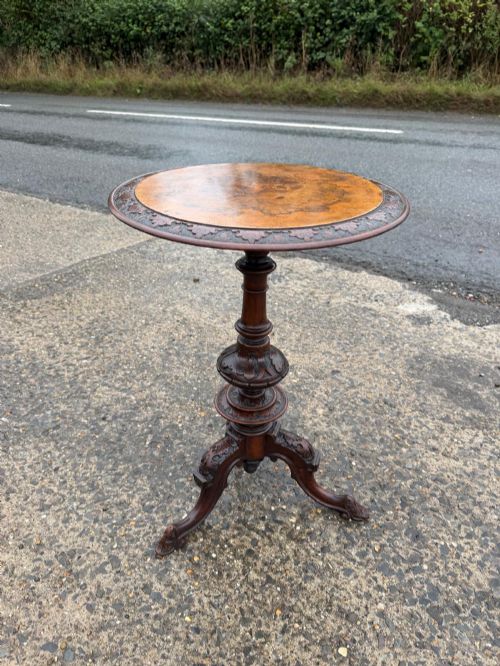
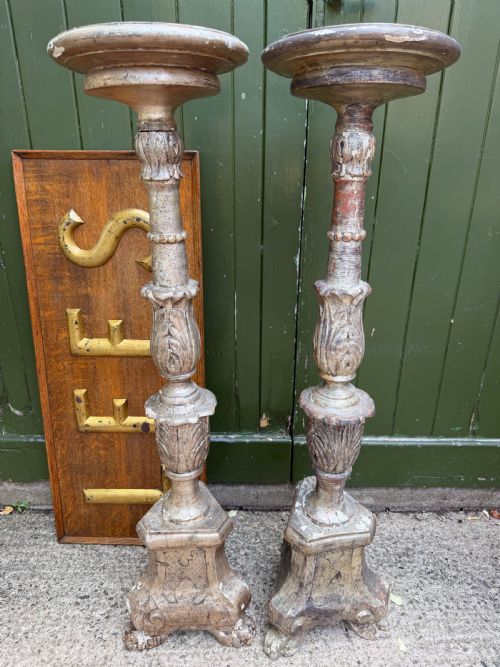
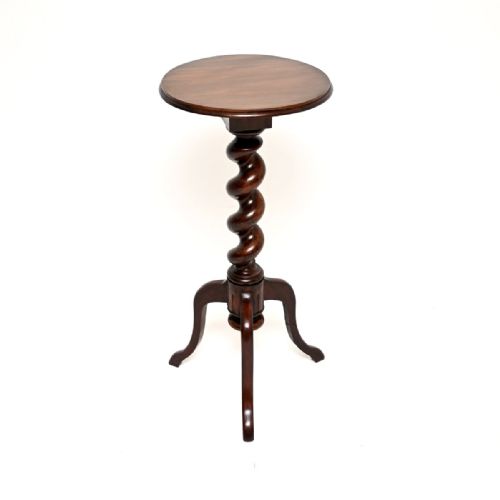
Carved Wood Candle Stands
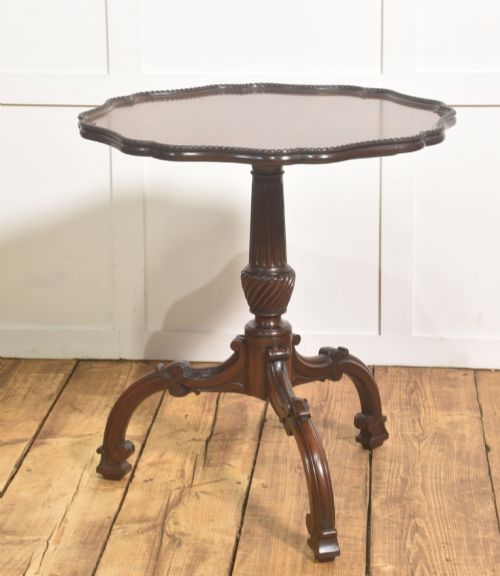
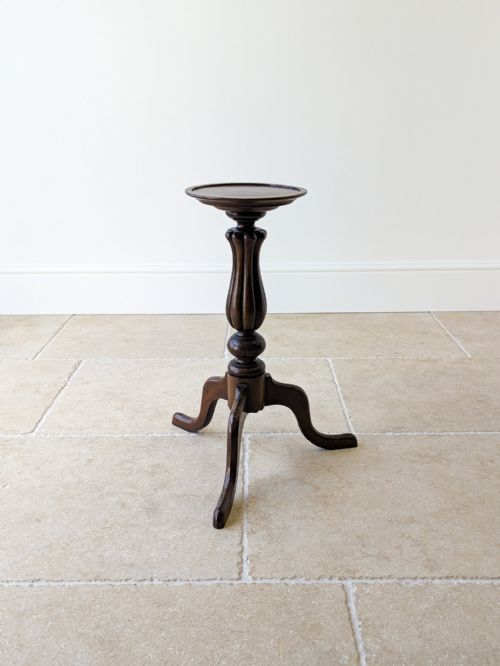
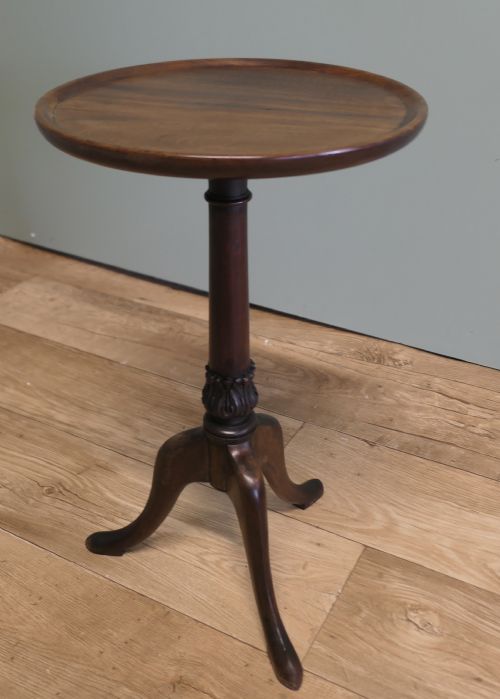
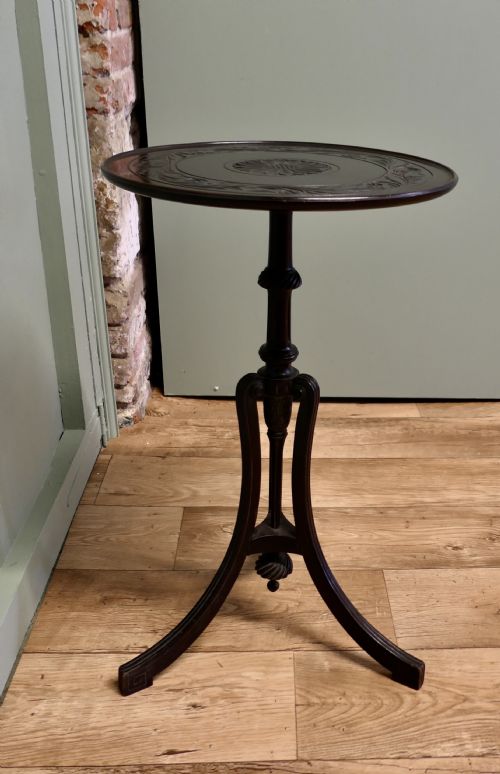
Carved wood candle stands are tall supports or small tables shaped from timber to hold a single light or plant.
Carved Wood Candle Stands
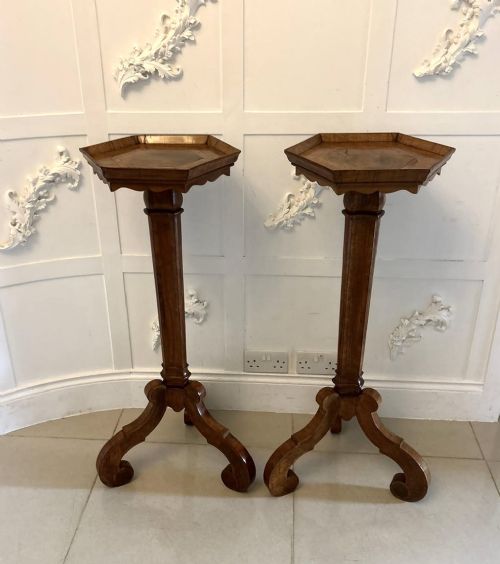
When you search for carved wood candle stands, you encounter a diverse group of tall torcheres, tripod tables, and plant stands designed to elevate lighting or display objects.
The most frequent examples on this page date from the Victorian and Georgian periods, alongside pieces from the Regency, William IV, and Edwardian eras.
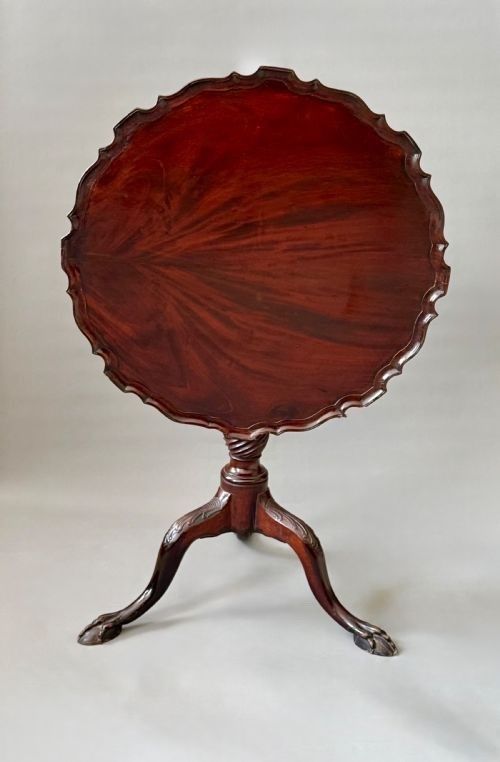
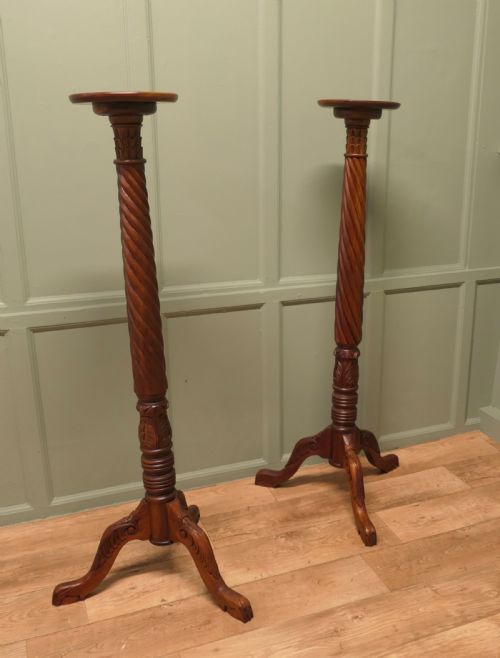
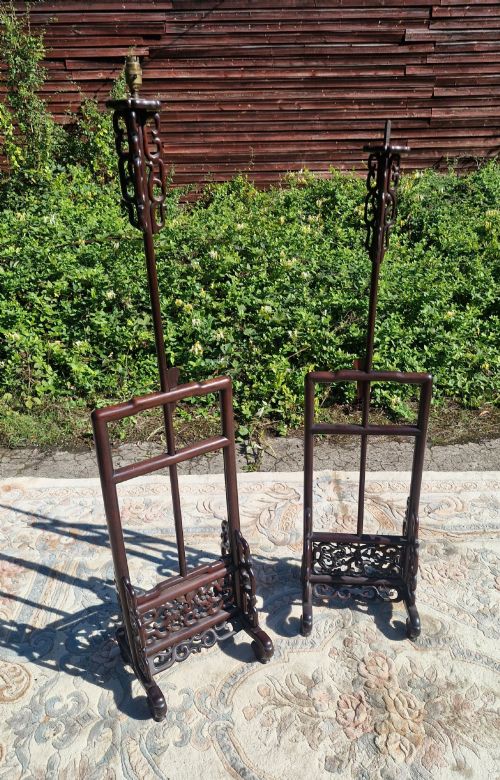
Forms range from slender pedestals and torchere columns to tripod wine tables and occasional tables with carved details, originating from English, Dutch, Italian, and Chinese makers.
How they were made
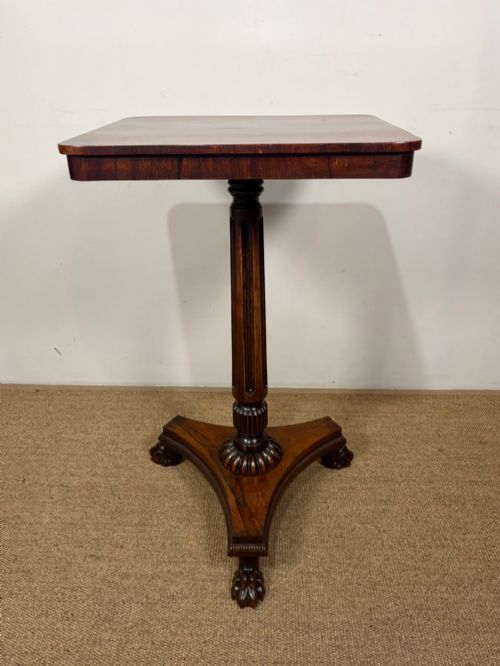
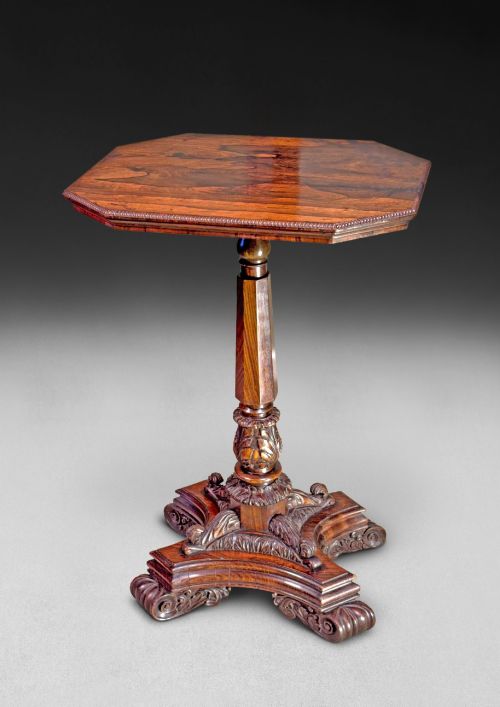
Cabinet makers utilised dense timbers such as mahogany, walnut, rosewood, oak, and fruitwood to construct these stable shafts and pedestals.
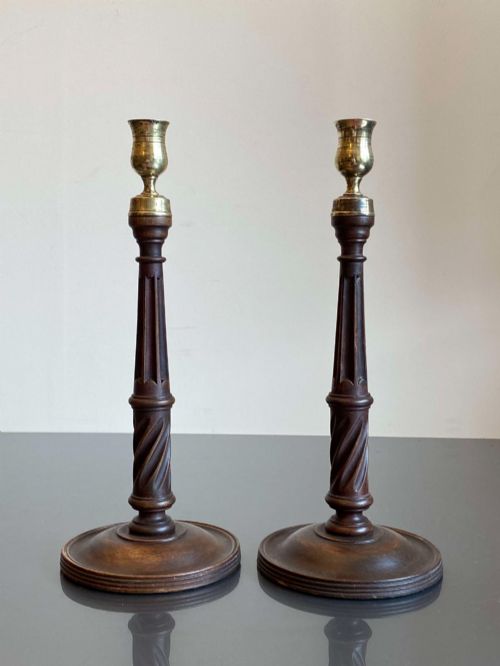
Decoration relied on manual woodworking techniques, producing barley twists, open twists, pie crust rims, marquetry inlay, and detailed carved knees or putti.
Surfaces finished with original paint, silvering, or polished wood grain complete the construction of these stands.
Carved Wood Candle Stands Retail Price Guide 2026
Typical asking prices for carved wood candle stands among the pieces listed under this phrase on Sellingantiques today, from the lower quarter to the upper quarter. They describe what is for sale here now, not the wider market.
Periods represented span from the seventeenth century through the Georgian, Regency, Victorian, and Edwardian eras.
What varies in quality
The degree of hand-carving sophistication separates standard production from superior examples, particularly in figures, foliage, and structural turning.
Choice of timber grain, such as burr wood tops or well-figured mahogany and rosewood veneers, dictates the visual weight and desirability of a piece.
Proportion and stability in the tripod base or central column ensure that the stand functions securely as intended.
Bulstrode Cambridge·Gillow
The Carved Wood Candle Stands Glossary
- Torchere
- A tall stand designed specifically to support a candle or lamp. These elevated pieces often feature slender columns and decorative bases.
- Tripod table
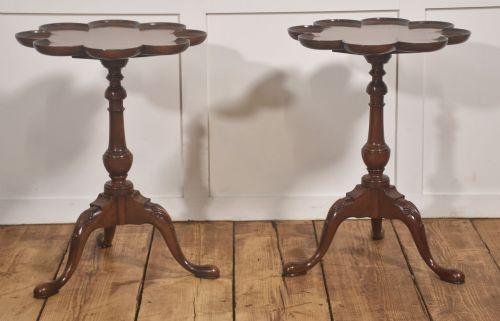
- A small table supported by three legs diverging from a central pillar. This design provides stability on uneven floors.
- Barley twist
- A spiral turning resembling a twisted rope. Craftsmen carved this pattern into vertical table stems and support columns.
- Pie crust rim
- A raised, scalloped edge shaped around the perimeter of a round tabletop. This detail resembles the crimped pastry edge of a pie.
- Marquetry
- The art of applying thin pieces of veneer to a structure to form decorative patterns. Dutch examples frequently employ this technique.
Carved Wood Candle Stands: Frequently Asked Questions
What is a torchere stand?
A torchere stand is a tall, slender piece of furniture designed to elevate a single candle, lamp, or decorative object. They were traditionally placed in corners or beside seating to provide focused illumination.
In modern rooms, they serve a similar purpose while acting as sculptural vertical elements that occupy minimal floor space.
How do you use a wine table?
A wine table is a small portable stand, often with a tripod base and a circular top, historically used for holding drinks during social gatherings. Their compact size made them easy to move around a drawing room as needed.
Today, they function well beside armchairs as a convenient surface for a book, cup, or small lamp.
What is the difference between a plant stand and a candle stand?
Plant stands and candle stands overlap significantly in form, with both often taking the shape of tall pedestals or small occasional tables. Candle stands historically held lighting sources, resulting in slightly smaller top surfaces.
Plant stands frequently feature heavier construction or water-resistant tops to support potted greenery safely.
How do you identify a Victorian candle stand?
Victorian stands often display robust proportions and heavier carved details such as barley twists, bobbin galleries, or deep floral motifs. They frequently utilise mahogany or walnut timber with a dark, polished finish.
Comparing the turning style and secondary woods helps distinguish them from lighter Georgian or later Edwardian alternatives.