



Antique Wooden Candle Holder
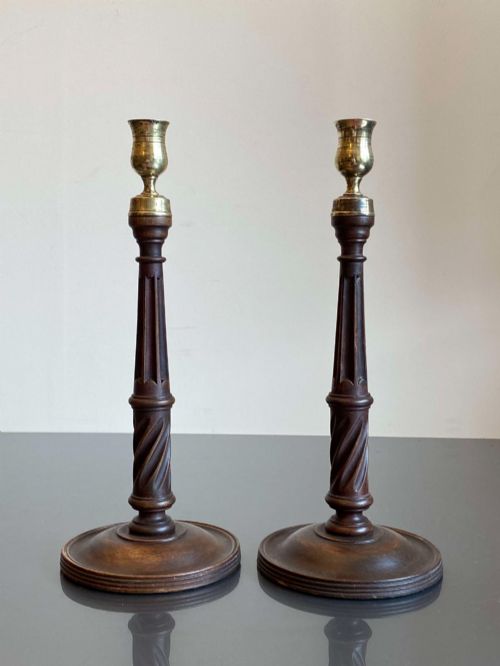
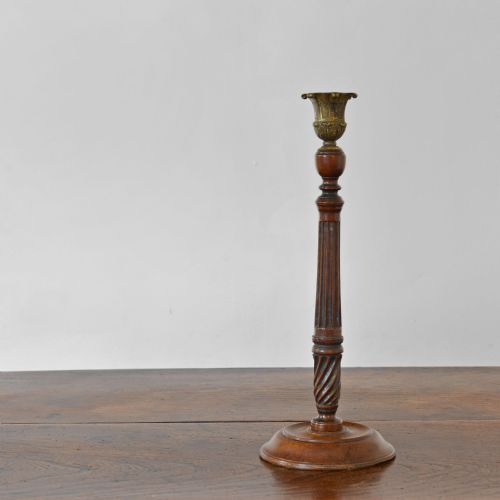
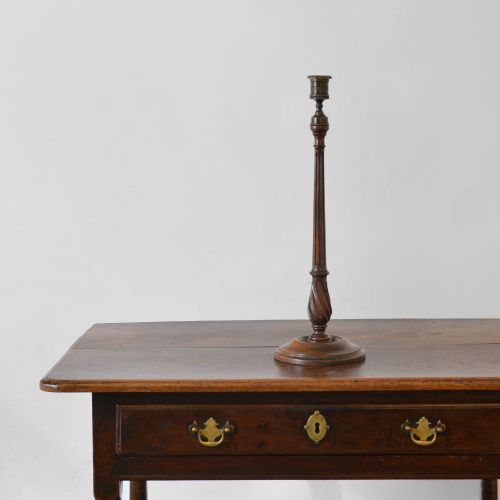
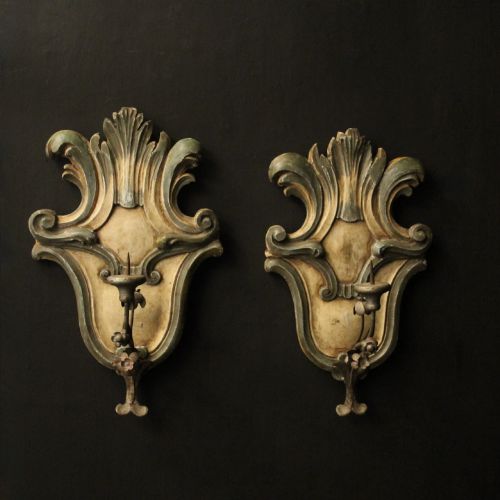
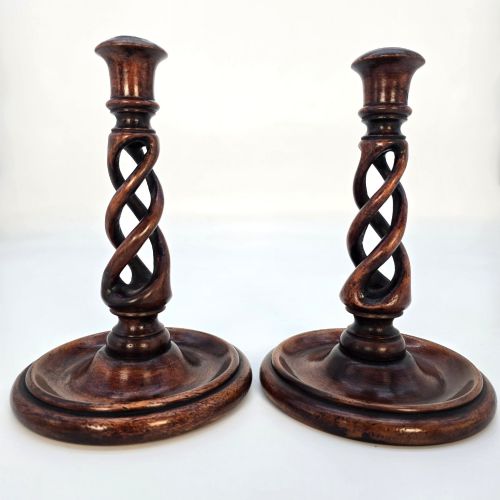
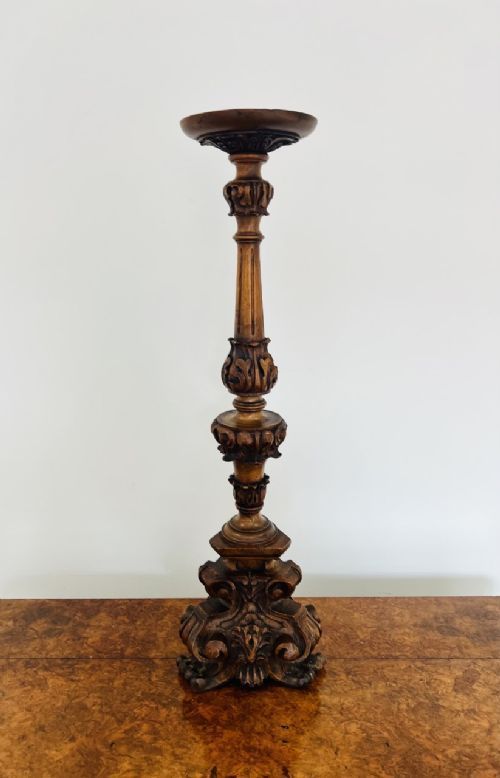
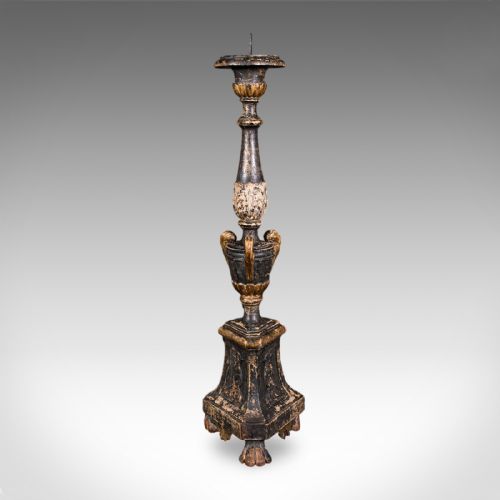
These antique wooden candle holder examples range from Georgian mahogany candlesticks to carved walnut torcheres, offering both functional lighting and sculptural presence.
Antique Wooden Candle Holder
An antique wooden candle holder encompasses a broad category of functional domestic lighting, including table candlesticks, wall sconces, torcheres, and rushlight holders. These objects span several centuries, with particular representation from the Georgian and Victorian eras.
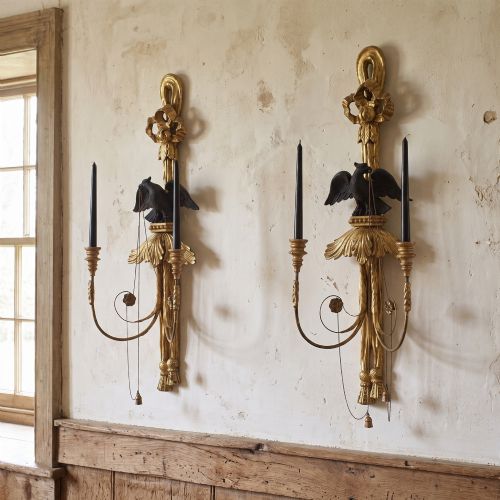
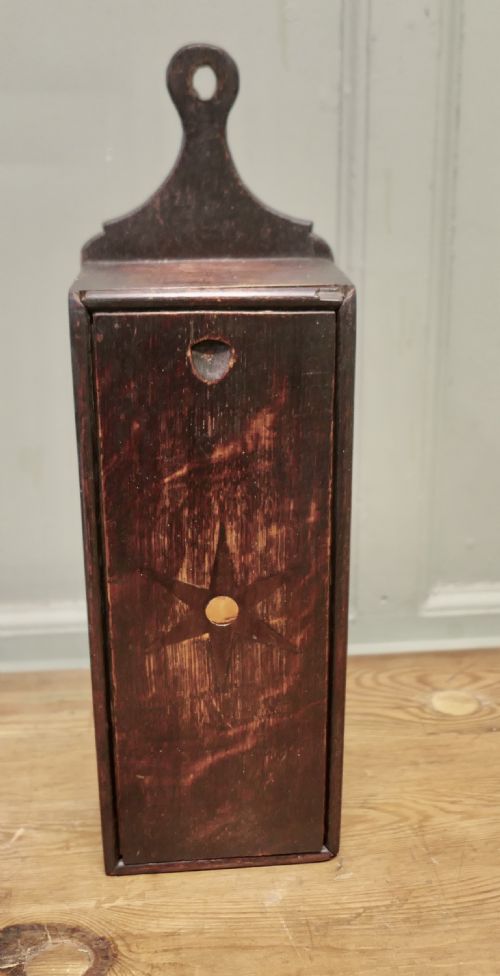
The domestic interior relies on these pieces for ambient illumination or structural support, taking the form of turned wood tapers, carved figural acolytes, and wall-hanging oak boxes. Regional varieties range from English mahogany and oak to Italian giltwood and continental fruitwood.
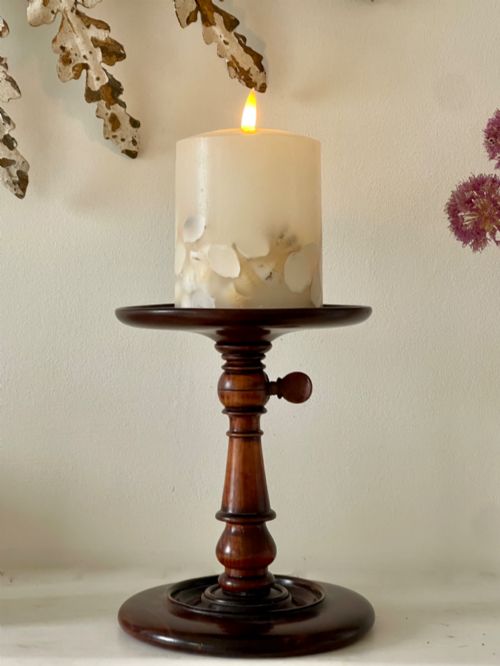
The version most commonly encountered on this page is the turned wood or twist candlestick, often fashioned from walnut, oak, or fruitwood. Buyers also frequently find pairs designed for mantelpieces or side tables, sometimes incorporating brass fittings, iron nips, or gilt finishes.
How They Were Made
Makers utilise traditional carpentry and turning techniques, employing lathes to shape timbers like mahogany, walnut, oak, and fruitwood into slender stems and heavy socle bases. Open twist and barley twist patterns require precise hand-carving or specialised lathe work to achieve the continuous spiral effect.
Many items incorporate mixed media, combining carved pinewood or hardwoods with applied gesso, silver leaf, or giltwood details, as seen in Italian and French altar pieces. Metal elements such as brass sockets, iron rush nips, and bobeches are integrated to protect the timber from dripping wax and heat.
Antique Wooden Candle Holder Retail Price Guide 2026
Typical asking prices for wooden candle holder among the pieces listed under this phrase on Sellingantiques today, from the lower quarter to the upper quarter. They describe what is for sale here now, not the wider market.
What Varies in Quality
The refinement of the carving and turning defines the upper tier of pieces, where proportions remain balanced and details such as acanthus leaves or figural elements show crisp execution. Lesser examples display heavy, thick-set turnings with simplified mouldings and lack the sculptural grace found in masterworks.
Patination and the integrity of the original timber surface dictate desirability, with untouched waxed finishes and honest wear distinguishing superior survivals from heavily restored or stripped items. The inclusion of matching original elements, such as paired candlesticks or functioning brass components, elevates the standing of a piece.
The Antique Wooden Candle Holder Glossary
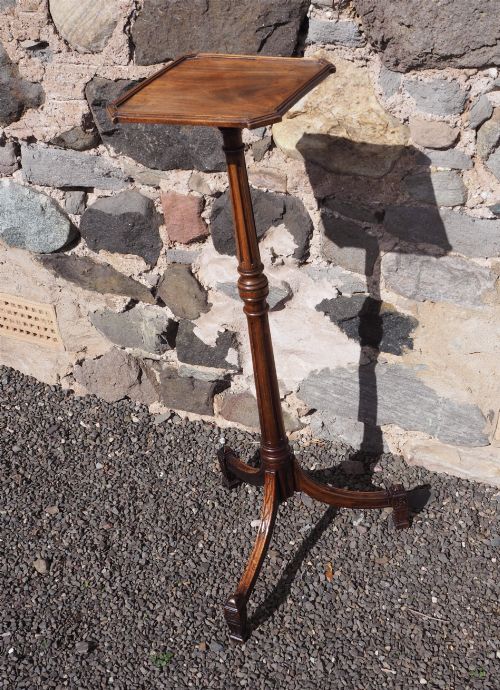
- Torchere
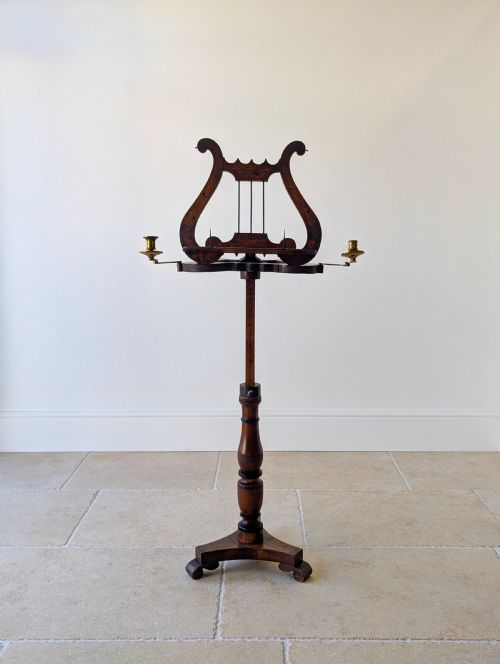
- A tall stand designed to support a candle or lamp. These tall wooden pedestals often feature carved tripod or circular bases.
- Rushlight
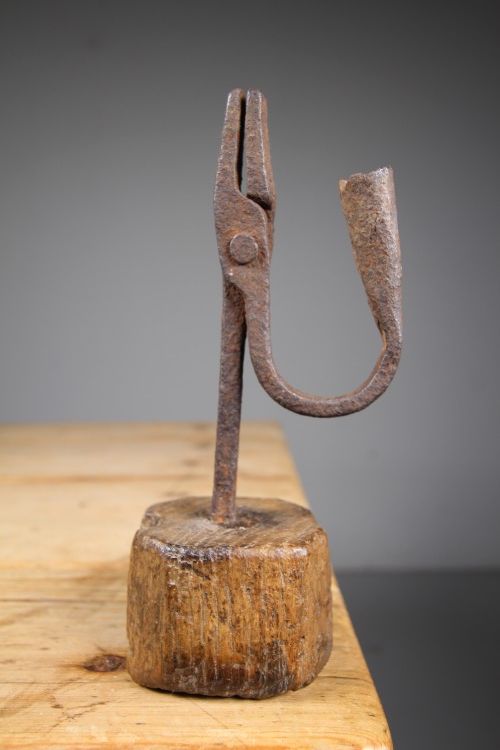
- A simple candle formed by soaking rush pith in animal fat. The holder grips this rush in an iron spring nip.
- Pricket
- A spike on a candlestick that pushes directly into the base of a candle. This form is common in ecclesiastical and continental lighting.
- Treen
- Small domestic wooden objects made by turning or woodworking. Examples include small taper sticks and treen chamber sticks.
- Giltwood
- Wood that has been coated with a thin layer of gold leaf or gesso. This finish appears frequently on continental wall sconces and altar pieces.
Antique Wooden Candle Holder: Frequently Asked Questions
How do I clean an old wooden candle holder?
Maintain the surface by dusting gently with a dry, soft cloth to remove accumulated particles without disturbing the underlying patina.
Avoid applying water or modern chemical polishes, as moisture damages aged timber and historic wax finishes.
Are these old candle holders safe to use with real candles?
Many historical pieces accommodate standard taper candles, though wooden sockets often require careful monitoring due to proximity to the flame.
Utilising fitted metal inserts or modern drip protectors preserves the original wood from heat scorching and melting wax.
What is the difference between a candlestick and a sconce?
Candlesticks stand independently on flat surfaces like tables, mantelpieces, or floor pedestals.
Sconces are manufactured specifically to mount directly onto vertical walls, often featuring backplates or projecting arms.
How can I tell a Georgian candlestick from a Victorian one?
Georgian examples typically favour restrained mahogany or walnut timbers with clean architectural lines and classical proportions.
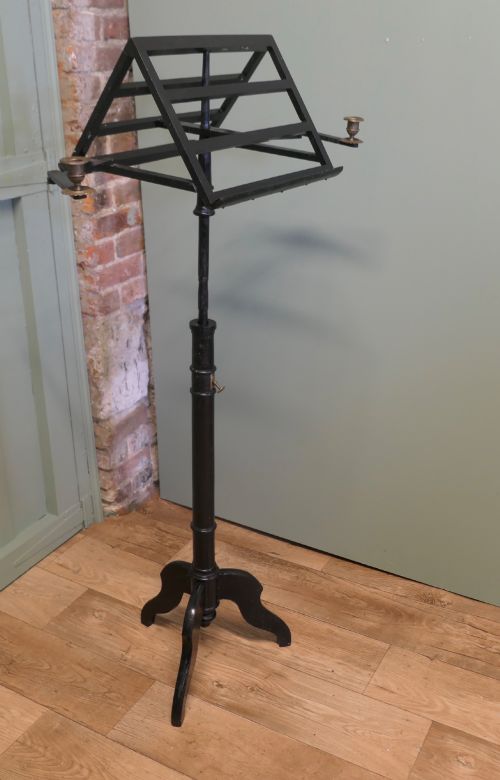
Victorian pieces frequently introduce heavier ornamentation, eclectic revival styles like Jacobean or Baroque, and mixed media such as brass and ebonised wood.