


Georgian Marquetry Box
Georgian marquetry box pieces combine intricate timber inlay with functional forms that look striking on any table.
What they are
A georgian marquetry box brings together decorative timber work and practical storage from the late eighteenth and early nineteenth centuries. When you search for this phrase, you find items designed for domestic use, predominantly tea caddies, sewing boxes, and small tabletop cabinets.
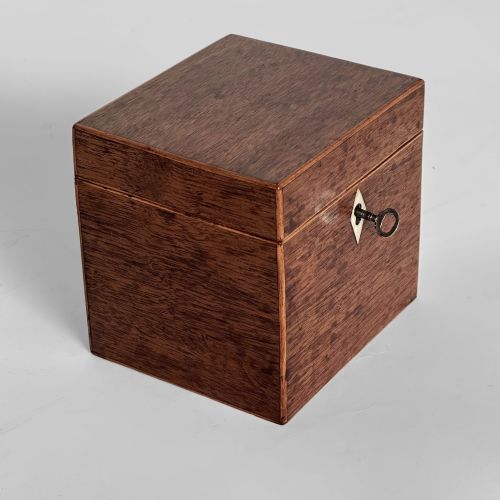
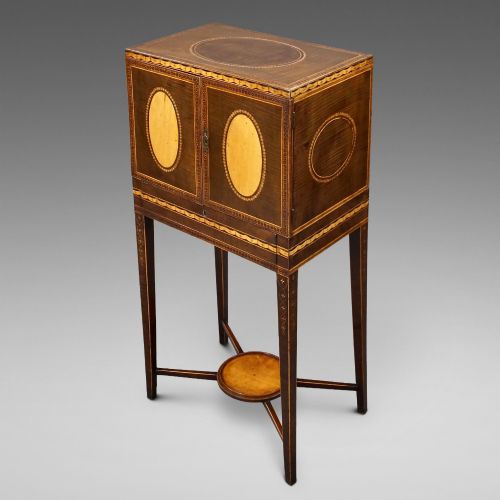
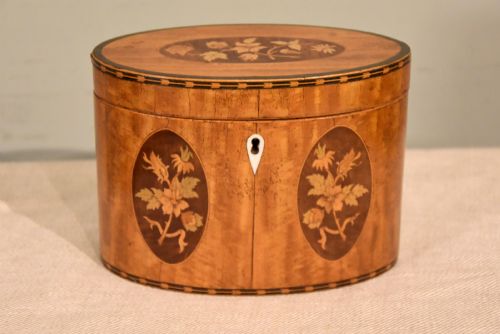
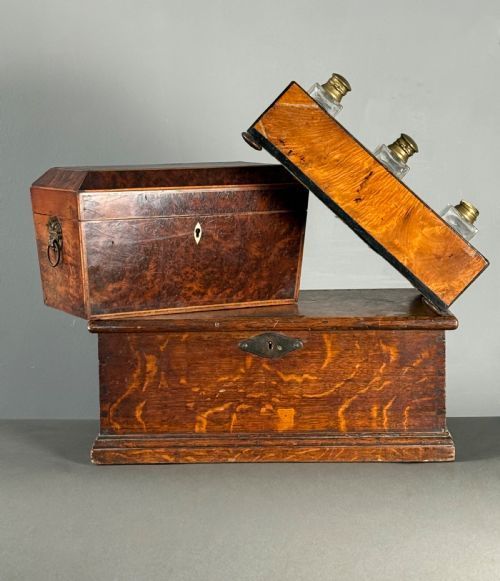
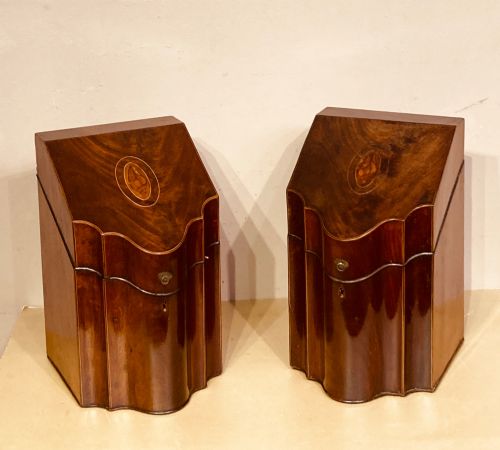
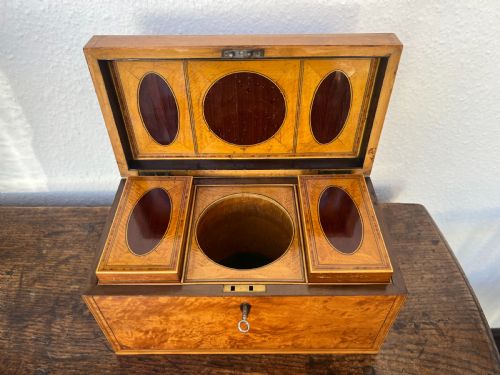
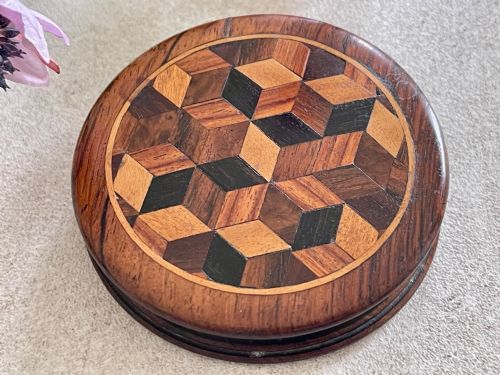
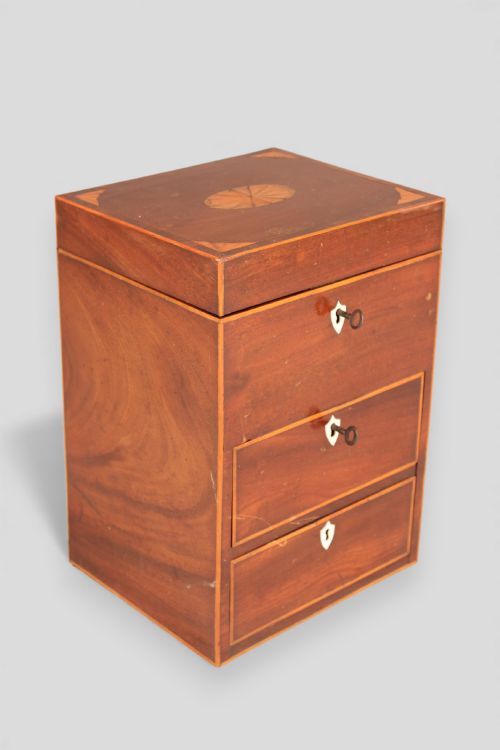
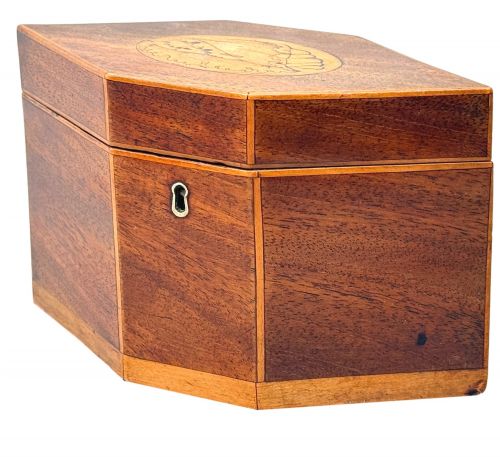
The pieces on this page span the Georgian and Regency periods, alongside examples dated around eighteen hundred. They include hexagonal tea caddies, oval tea caddies, candle boxes, and combination sewing and artist paint boxes.
You are most likely to meet small tabletop tea caddies and sewing boxes featuring contrasting timber inlays. These functional containers held valuable provisions or needlework implements in period drawing rooms.
How they were made
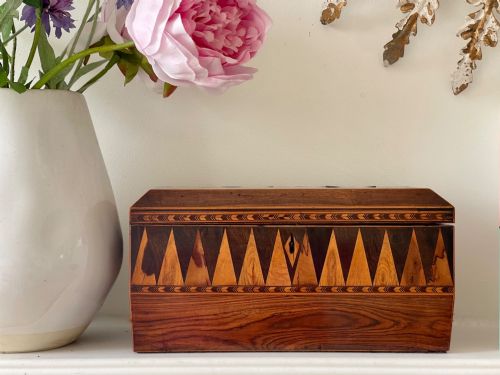
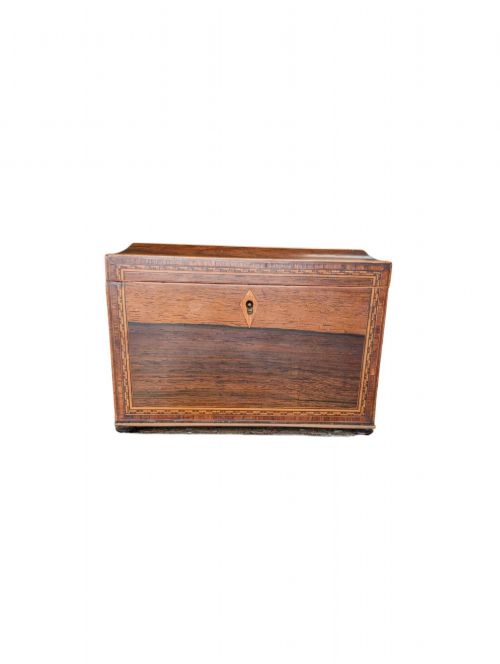
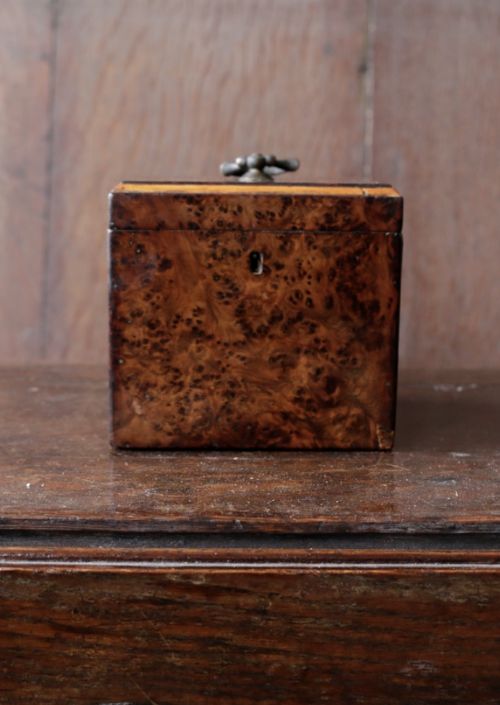
Craftsmen built these containers using sturdy carcassing woods like mahogany, overlaid with decorative veneers including satinwood, burr yew, rosewood, and harewood. Marquetry inlay and wood inlay formed intricate pictorial or geometric patterns across the surfaces.
Detailing often incorporated contrasting stringing in boxwood alongside bone elements and brass hardware such as escutcheons and hinges. These materials were carefully shaped and fitted by hand to create durable household objects.
Retail Price Guide 2026
Typical UK retail prices for georgian marquetry box, calculated from the Sellingantiques database of over a million retail prices indexed since 2003. This retail price guide relies exclusively on Sellingantiques data; no external sources or auction records are used, so the figures do not describe the wider market.
Materials recorded across these items include mahogany, rosewood, satinwood, burr yew, harewood, bone, and brass.
What varies in quality
Construction standards also set items apart, visible in the snug fit of lids, the retention of original brass fittings, and the harmonious ageing of contrasting veneers. Superior boxes demonstrate a level of joinery that keeps the structure stable across centuries.
The Georgian Marquetry Box Glossary
- Marquetry inlay
- Decorative patterns formed by fitting contrasting veneer pieces into a prepared wooden surface. This technique creates detailed pictures and geometric motifs.
- Tea caddy
- A small container originally designed for storing loose tea leaves securely under lock and key. Many feature internal compartments for different blends.
- Satinwood
- A yellowish exotic timber prized for its lustrous sheen and smooth grain. It frequently serves as a contrasting veneer in period cabinetwork.
- Harewood
- Sycamore wood that has been stained to a distinctive greyish-brown tone. Cabinetmakers used it extensively in late eighteenth-century decorative panels.
- Escutcheon
- A small protective plate surrounding a keyhole. On these boxes, they are typically cast in brass.
Frequently Asked Questions
What went inside a georgian marquetry box?
These containers served various domestic functions, most notably storing precious tea leaves in specialised caddies with internal lidded compartments. Others held sewing implements, painting materials, or household spices.
Owners kept them in reception rooms where guests gathered, combining utility with decorative display on tables and sideboards.
How do I date a georgian marquetry box?
Dating relies on observing the timber choices, construction methods, and prevailing design styles associated with the Georgian and Regency eras. Pieces from around seventeen ninety often feature distinct neoclassical motifs, while those from eighteen ten tend toward different veneer combinations.
Examining internal secondary woods and hinge types also helps determine the exact period of manufacture.
Where should I place one at home?
These boxes suit placement on accent tables, chests of drawers, or desks where their detailed wood veneers remain visible. Their modest tabletop scale allows them to fit comfortably in both traditional and modern interiors.
Keep them away from direct sunlight and strong heat sources to protect the delicate antique veneers and inlay work.
Are all tea caddies lined with foil?
Many tea caddies from this period retain traces of their original foil or lead linings designed to keep dry leaves fresh. Other specialised boxes, such as sewing or paint containers, feature fitted wooden compartments instead.
Interior configurations vary entirely depending on the original intended contents of the specific piece.