





Antique Spice Chest
An antique spice chest is a compact, compartmentalised repository designed for domestic provisions, offering collectors miniature craftsmanship from Georgian and Victorian centuries.
Antique Spice Chest
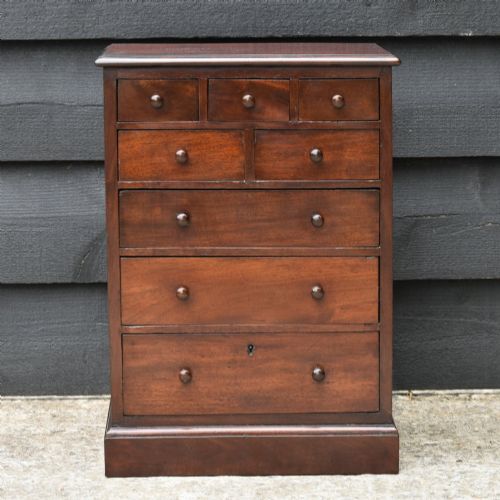
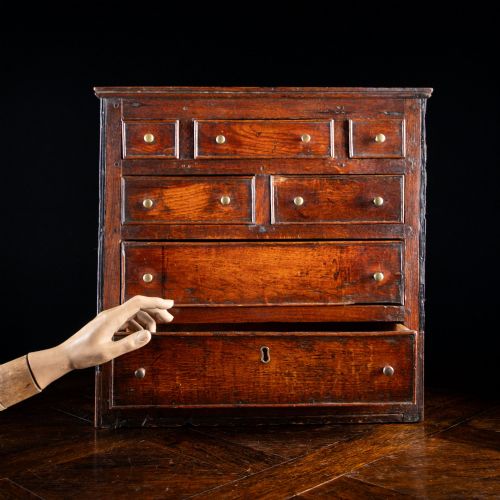
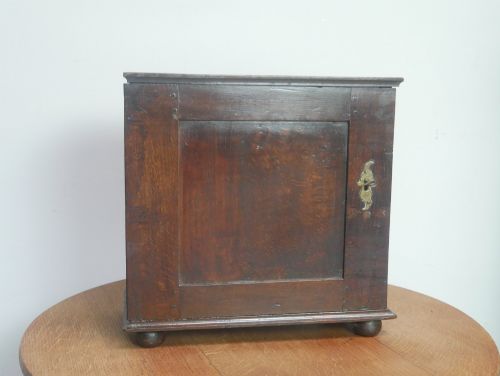
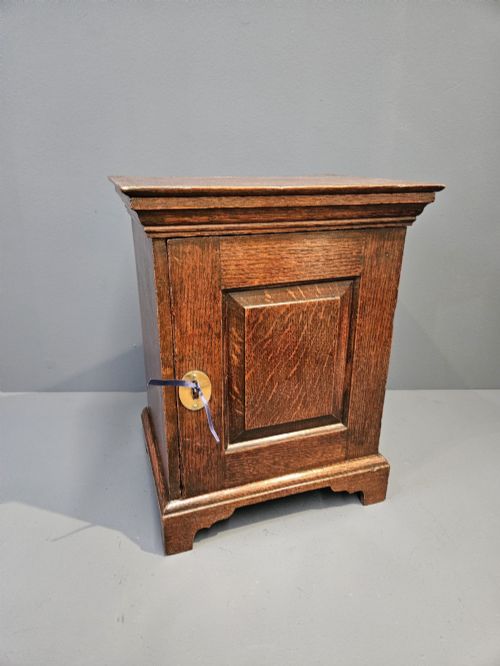
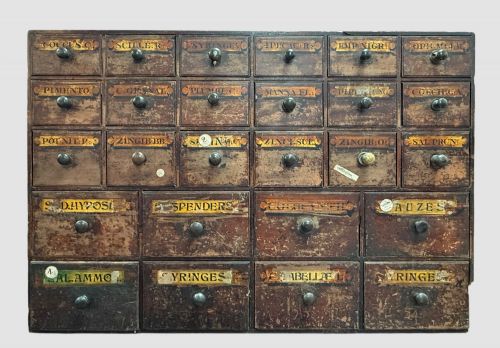
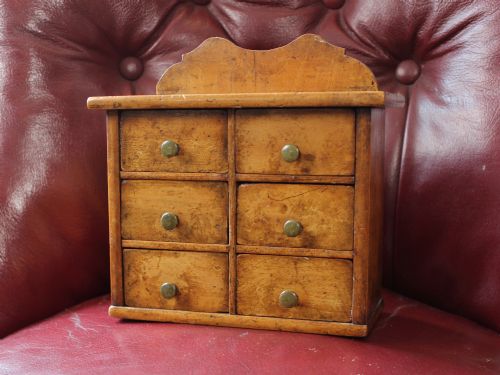
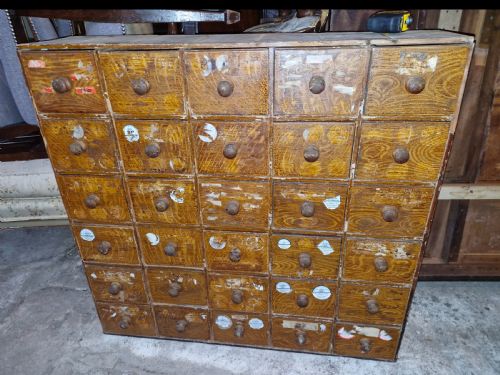
An antique spice chest encompasses small-scale storage forms such as wall cabinets, table cabinets, spice boxes, and miniature chests of drawers originating primarily from the eighteenth and nineteenth centuries. Buyers frequently encounter oak and pine examples configured as wall-hanging cupboards or banks of drawers designed for domestic and commercial organisation.
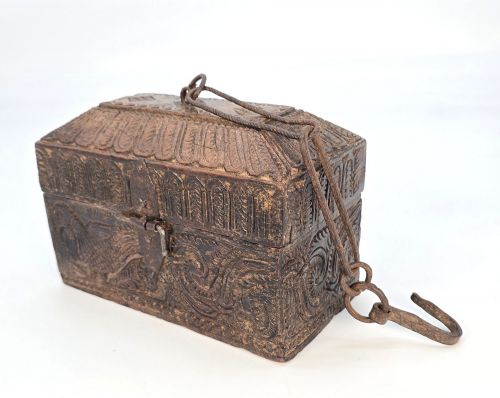
The selection ranges from early eighteenth-century oak spice cupboards and walnut miniature chests to Victorian chemist shop fittings, apothecary drawers, and fruitwood spice drawers. Regional pieces, including Welsh oak miniature tallboys and Indian carved teak boxes, demonstrate the varied global provenance found within this category.
How they were made
Joiners and cabinetmakers utilised solid timbers such as oak, pine, mahogany, walnut, and fruitwood, often combining oak and pine for structural carcass work and secondary elements. Surfaces were treated with original paint, carved details, or inlay work to enhance the exterior appearance of these compact pieces.
Hardware played a functional and decorative role, with brass pulls, handles, and iron fittings securing doors and small drawer compartments. Construction techniques ranged from traditional dovetailing in miniature chests of drawers to hinged wall-hanging box designs with internal compartments.
Antique Spice Chest Retail Price Guide 2026
Typical asking prices for spice chest among the pieces listed under this phrase on Sellingantiques today, from the lower quarter to the upper quarter. They describe what is for sale here now, not the wider market.
Many tiny drawers were locked away from greedy household fingers, keeping precious cinnamon and nutmeg safe from midnight kitchen raids.
What varies in quality
The standard of timber selection and cabinetmaking precision dictates the caliber of a piece, distinguishing robustly joined regional examples from simpler utility items. Superior items retain their original surface treatments, whether historic paint finishes, polished mahogany veneers, or intricate carvings.
Completeness of internal configuration and original hardware elevates an object, as many pieces rely on intact small drawers, lockable doors, and period brass or iron fixtures to preserve their functional integrity and historical character.
The Antique Spice Chest Glossary
- Spice cupboard
- A small wall-hanging or table-standing cabinet fitted with internal drawers or shelves historically used for storing culinary provisions. These pieces typically feature panelled doors and compact proportions suitable for domestic kitchens.
- Apothecary chest
- A multi-drawer cabinet designed to hold medicinal ingredients, herbs, and chemical preparations. They frequently appear as chemist shop fittings or bank of drawers units with numerous small receptacles.
- Toleware
- Metalware painted and japanned in decorative schemes, often found in utilitarian boxes and containers. This technique provided a durable and colourful surface finish for household storage items.
- Tallboy
- A tall chest of drawers consisting of one chest stacked upon another, rendered here in diminutive proportions. Welsh examples in oak demonstrate regional interpretations of this form.
Antique Spice Chest: Frequently Asked Questions
What were antique spice chests used for?
These small receptacles stored valuable culinary spices, herbs, and aromatics securely in domestic kitchens during periods when flavourings were costly. Many variants also served general household storage purposes for small valuables and documents.
Over time, similar compartmentalised formats were adopted by apothecaries and seed merchants for organising medicinal compounds and botanical specimens. Their diminutive scale allowed them to sit upon tables or hang safely upon walls away from dampness.
How do I date an antique spice chest?
Dating relies upon examining the timber species, construction methods, and hardware styles visible across the piece. Eighteenth-century examples frequently display solid oak construction with pegged joints and hand-carved details.
Later nineteenth-century pieces often incorporate pine carcases, mahogany veneers, or industrial brass pulls associated with Victorian shop fittings and chemist cabinets. Regional variations also provide clues, such as eighteenth-century Welsh vernacular styling.
Where should I place a spice chest in my home?
Wall-hanging models suit kitchen spaces or hallways where their compact depth preserves floor space while offering functional display areas. Table cabinets and miniature chests sit effectively on sideboards, desks, or mantelpieces.
Their varied internal compartments make them practical for organising modern trifles, stationery, or collections while retaining historical presence in a room.
Are apothecary chests the same as spice chests?
While sharing a multi-drawer format, apothecary chests were built for medicinal storage in chemist shops rather than culinary provisions in domestic kitchens. They generally feature a greater number of small drawers to accommodate various dried roots, powders, and mixtures.
Spice chests tend to focus on domestic timber varieties like oak and walnut with cupboard doors enclosing smaller internal drawers, whereas apothecary units frequently present banks of exposed drawers.