

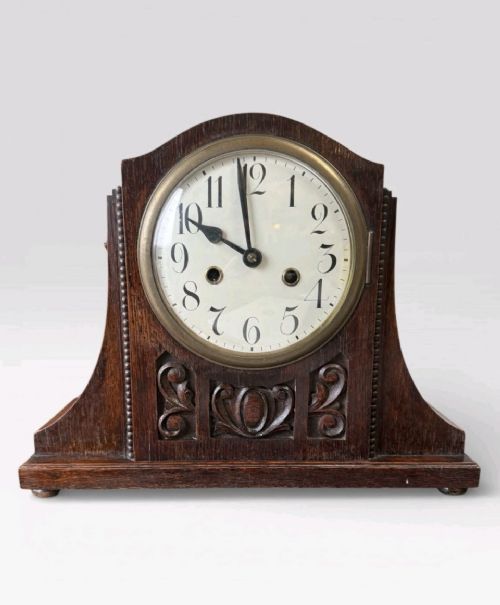


Carved Wooden Brackets
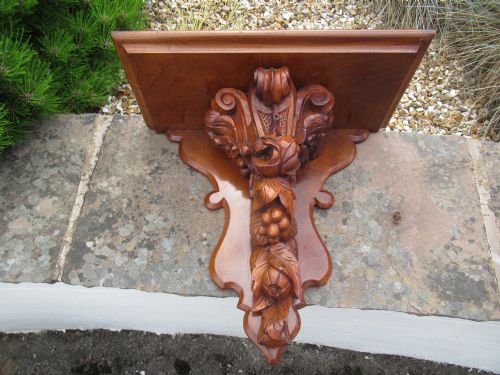
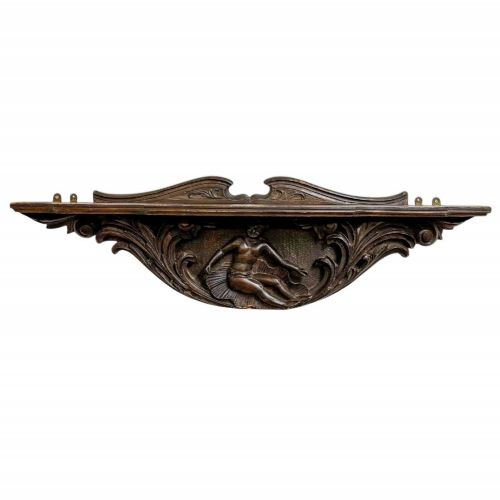
These carved wooden brackets are architectural shelf supports and wall corbels offering both structural resolve and ornamental depth to an interior.
Carved Wooden Brackets
When you search for carved wooden brackets, you encounter architectural shelf supports, corbels, and wall fixtures designed to bear weight or display objects. The pieces appearing here range from late 17th-century elements to 19th-century Victorian examples, alongside 18th-century architectural salvage.
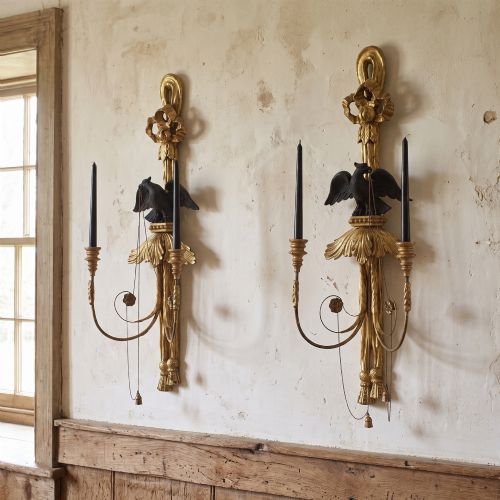
You are most likely to meet pairs of wall brackets and corbels fashioned from oak or walnut, often displaying decorative carving such as cherubs, lions, or foliate motifs. These functional ledges served historically to prop up heavy timber beams, cornices, or shelves, though today they frequently function as standalone wall display brackets.
How they were made
The makers of these carved wooden brackets utilised dense cabinet timbers like oak, walnut, and mahogany, chosen for their ability to hold crisp chisel work under load. Working by hand, carvers shaped the timber from solid blocks or laminated sections before applying finishes such as ebonising, paint, or gesso.
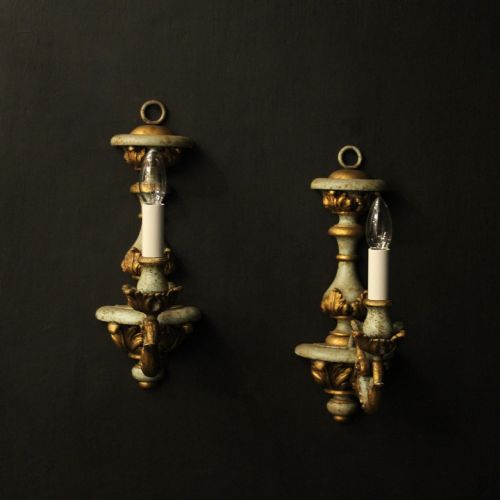
Construction techniques relied on traditional joinery and heavy backplates to secure the projecting shelf to the wall safely. Surface treatment varied from unvarnished carved wood to polychrome and silver-gilded applications, depending on the prevailing style of the period.
Several Victorian brackets gaze down with carved cherub faces and lion jaws, keeping watch over centuries of accumulated dust.
What varies in quality
The distinction between ordinary utility brackets and superior examples lies in the depth and animation of the carving. Master carvers produced undercut details and expressive figures, such as cherubs or caryatids, where the grain follows the dynamic curves of the design rather than snapping across weak points.
Material selection and proportion further define the better pieces. Heavy timber brackets retain their original mounting points and structural integrity, showing crisp edges that have not been softened by centuries of over-cleaning or sanding.
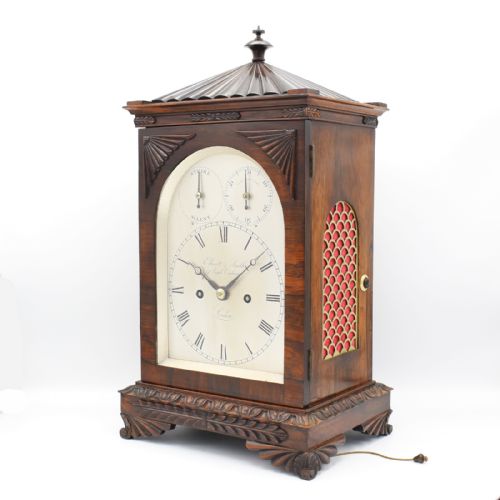
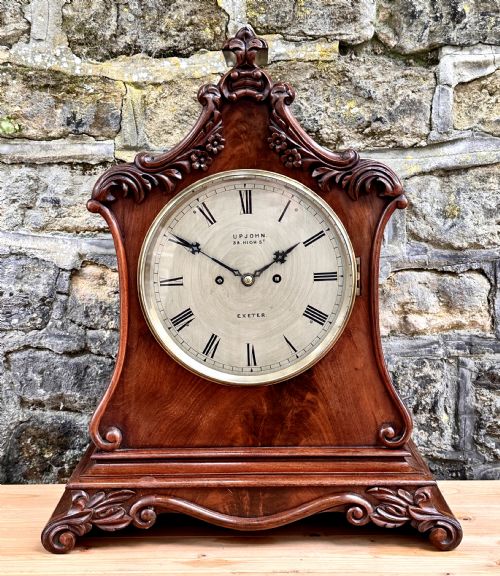
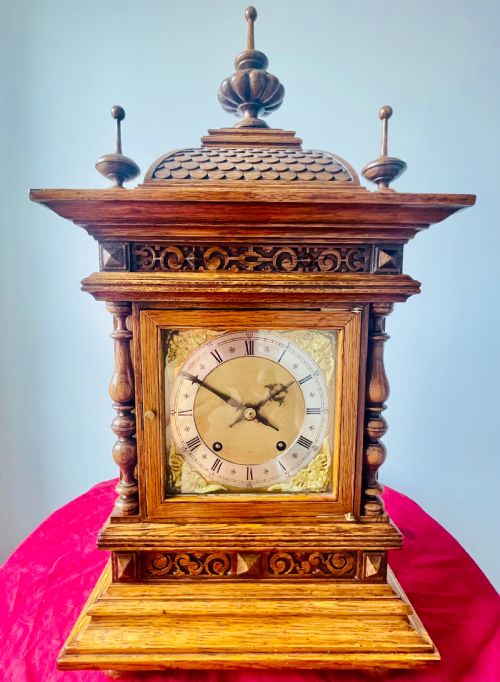
George Wadham Bath·Walker and Hall·Ellicott and Smith·Bush of London·Winterhalder and Hofmeier·Webster Cornhill London·Mappin and Webb·Connell of London·Piggin Norwich
The Carved Wooden Brackets Glossary
- Corbel
- A structural piece of stone or wood jutting from a wall to carry a superincumbent weight. In these listings, they appear as large carved supports for shelves or architectural elements.
- Gesso
- A plaster mixture used as a smooth base for painting or gilding on wood surfaces. It provides the crisp white foundation seen on giltwood and painted wall pieces.
- Ebonised
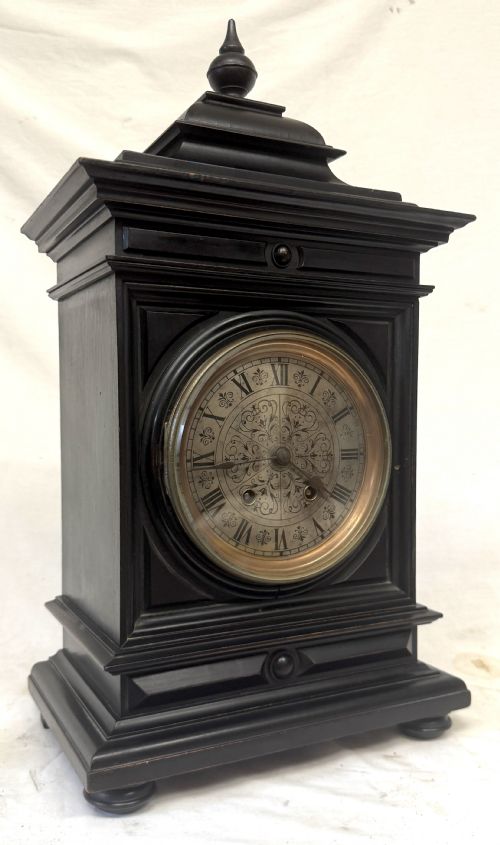
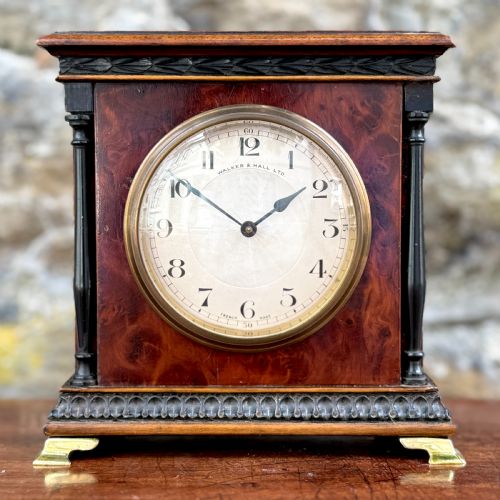
- Wood finished to resemble ebony through staining or painting dark. This technique was popular for nineteenth-century mantel clocks and decorative wall brackets.
- Fusee
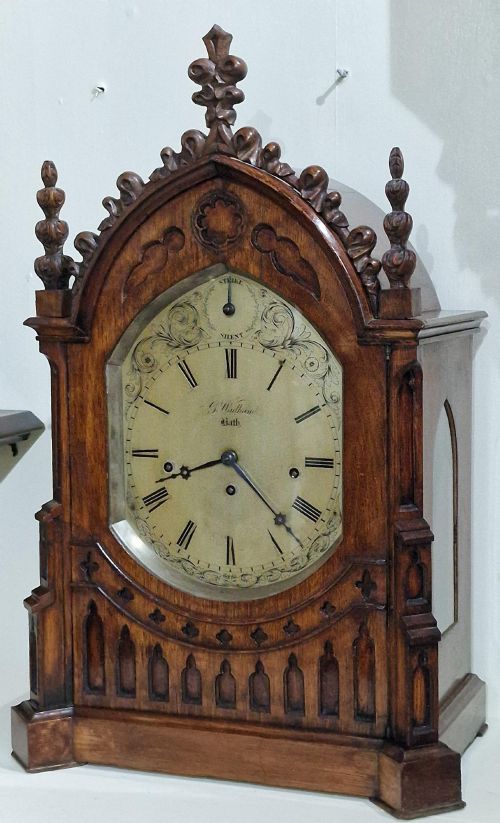
- A conical pulley used in clockwork to equalise the power of the mainspring as it unwinds. It appears frequently in the precision bracket clocks catalogued alongside these wall supports.
Carved Wooden Brackets: Frequently Asked Questions
How were carved wooden brackets used?
These pieces functioned primarily as heavy-duty structural supports for protruding shelves, mantelpieces, and architectural beams within domestic and public interiors.
Over time, many were repurposed purely as decorative wall brackets to display porcelain, clocks, or small sculptures.
Can these brackets hold heavy weight?
Their original purpose required them to bear substantial architectural loads, particularly large corbels and lion brackets designed for shelf supports.
Modern installation depends heavily on securing the backplate directly into wall studs or solid masonry rather than relying solely on the timber strength.
How do I date a wooden wall bracket?
Dating relies on identifying the underlying timber species, the tool marks left by the carver, and the stylistic vocabulary of the period. For instance, Baroque Revival pieces display different scrollwork and symmetry compared to Georgian or Victorian counterparts.
Wear patterns around the fixing points and the oxidation of the wood also provide reliable clues to a bracket's age.
Are these pieces sold in matching pairs?
Many architectural brackets and corbels survive in matched pairs because they were originally carved together to flank a fireplace, doorway, or window.
Single brackets also appear frequently where the counterpart has been lost or where the piece served as an independent corner shelf.