
Brown Wood Folk Carving
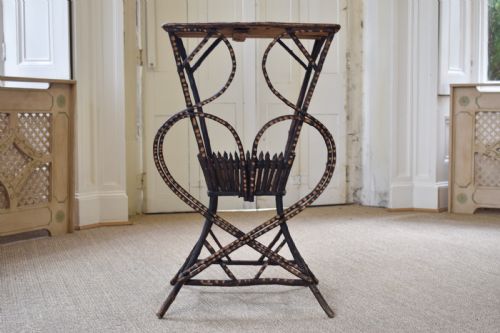
These brown wood folk carving pieces offer vernacular charm and hand-shaped character, spanning centuries of regional artistry.
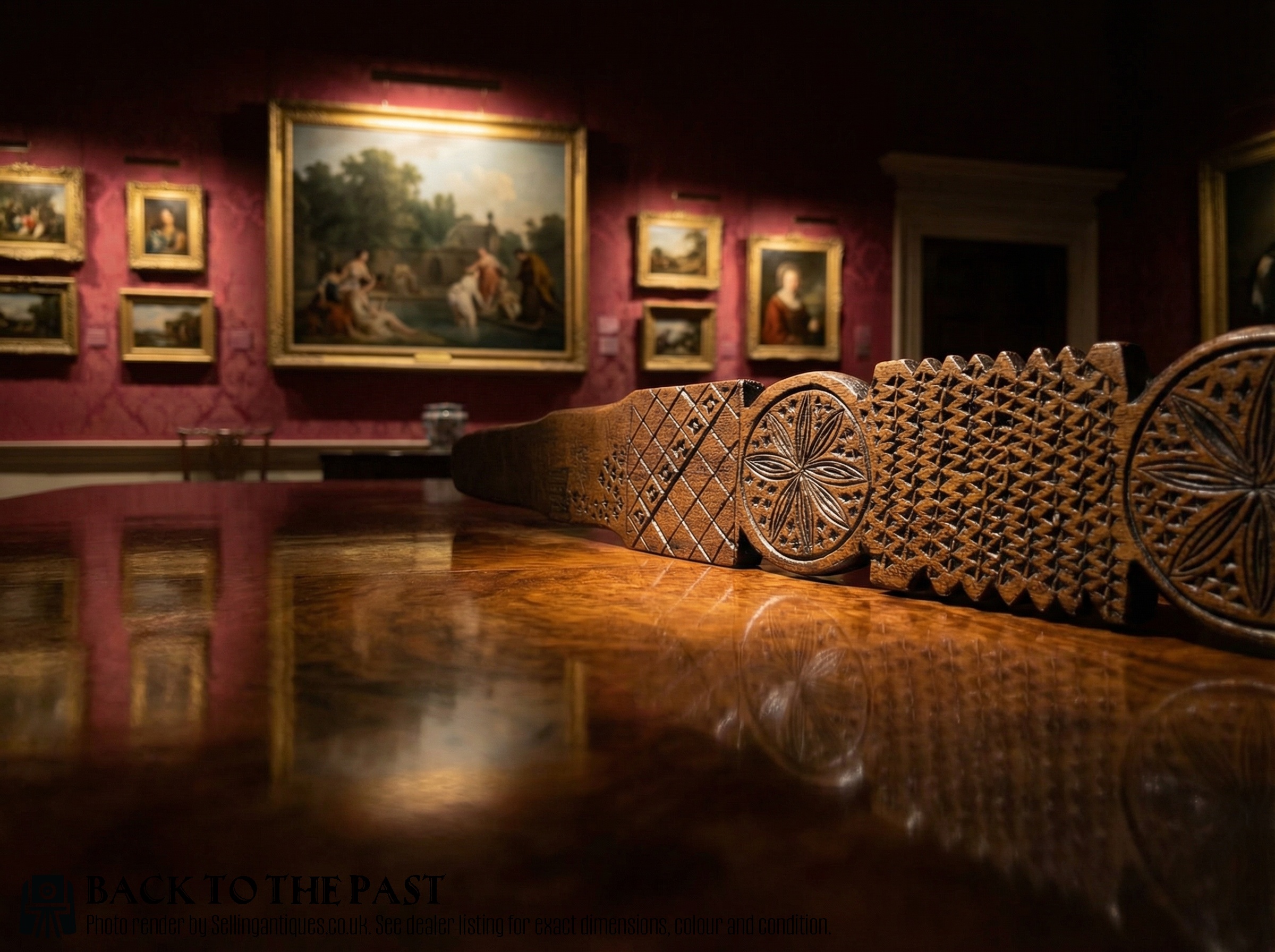
Brown Wood Folk Carving
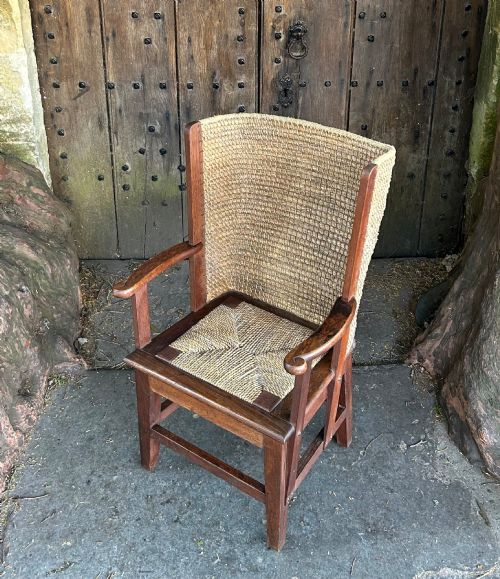
A brown wood folk carving represents utilitarian objects, sculptural figures, and domestic items shaped by non-professional makers. When exploring this selection, buyers encounter nineteenth-century works alongside pieces from the Edwardian era and the early twentieth century.
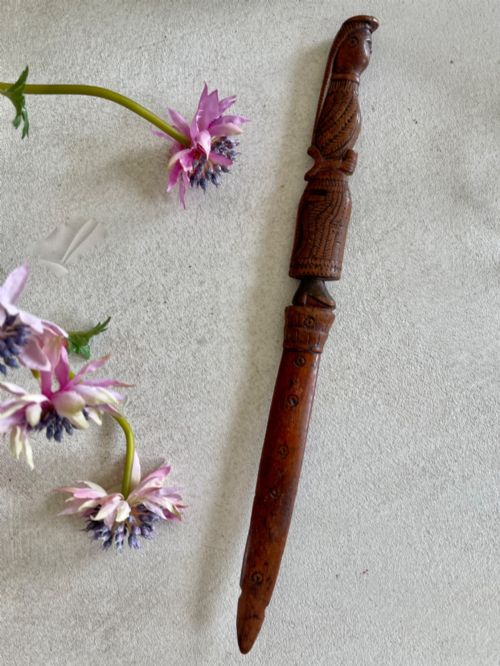
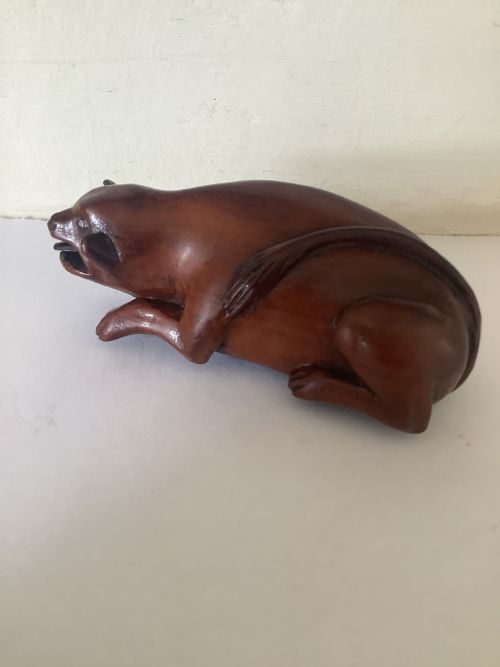
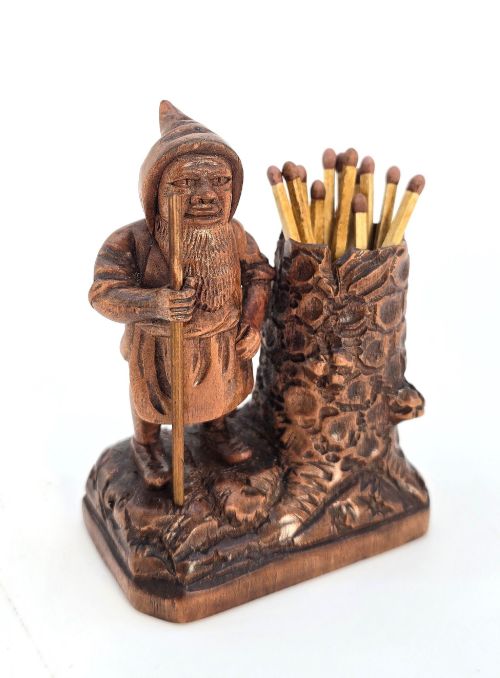
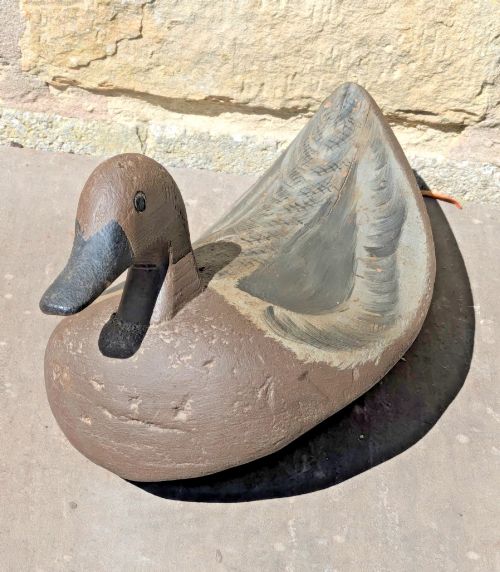
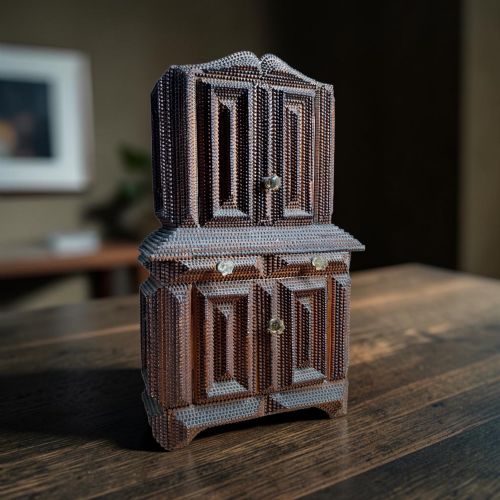
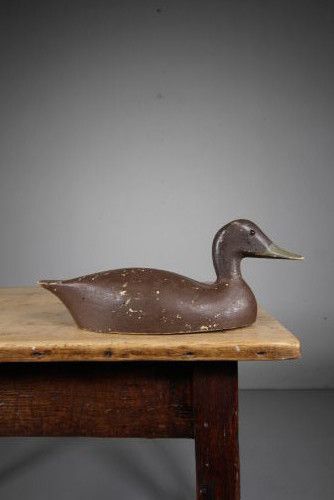
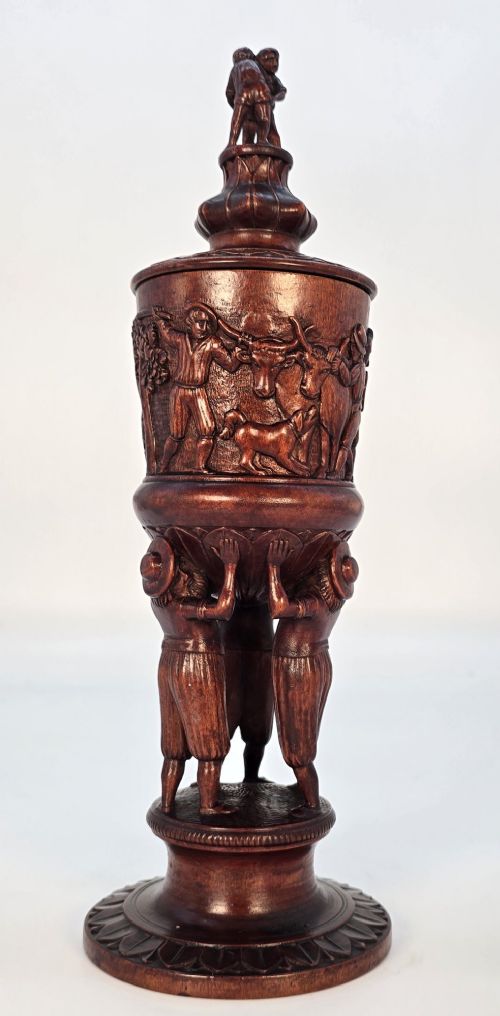
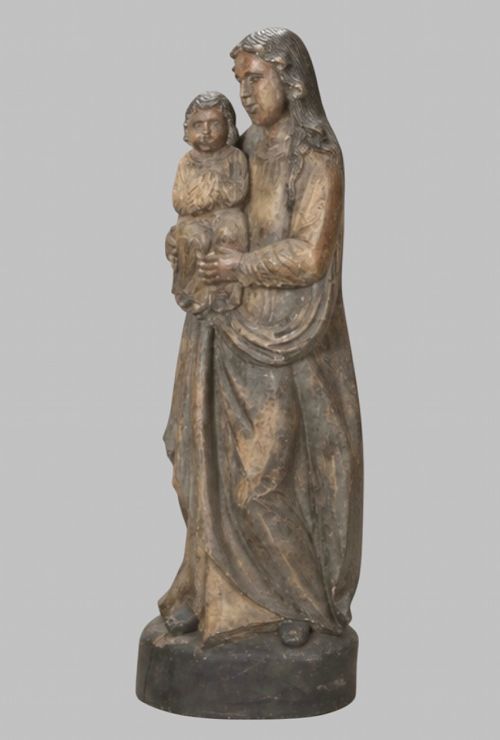
The objects take diverse forms, ranging from small snuff boxes and decorative animal sculptures to miniature furniture, decoy ducks, and architectural fragments. Many examples incorporate regional British traditions, such as Welsh lovespoons or treen knitting sheaths, while others originate from continental Europe and beyond.
Originating from domestic workshops, these pieces often reflect local materials and immediate cultural needs rather than academic design standards. They provide tangible connections to past rural and maritime life through direct, unpretentious hand-shaping.
Materials and construction methods
Makers utilised available timbers such as oak, walnut, lime, yew burr, and general hardwoods, frequently enhancing the brown wood surfaces with hand-applied paint, dark wax, or simple varnish. Toolmarks from gouges, knives, and saws remain visible, demonstrating direct subtraction without factory smoothing.
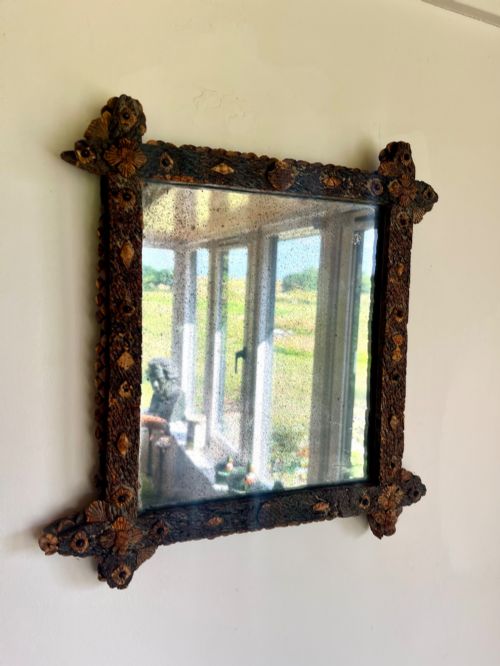
Assembly methods rely on basic joinery, wooden pegs, or primitive nailing, while decorative surfaces occasionally employ tramp art notch-carving, fretwork, or applied cork and bone. These straightforward techniques prioritized utility and personal expression over structural complexity.
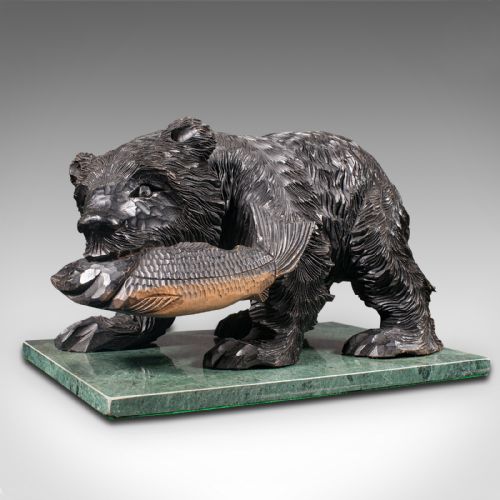
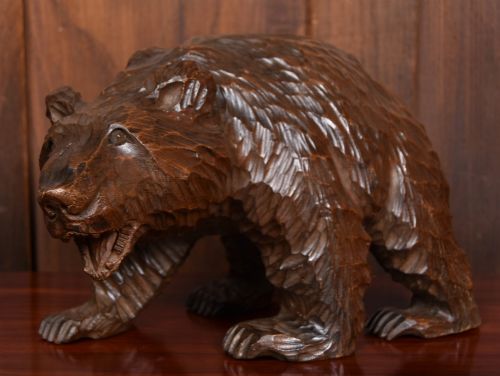
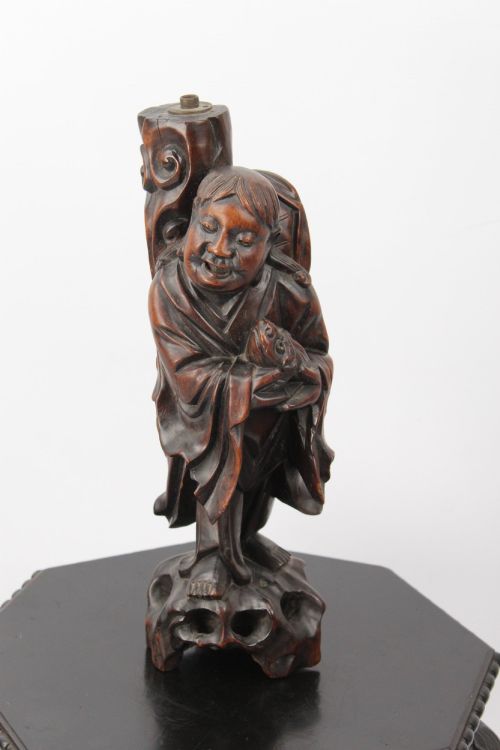
The category encompasses diverse international objects, including Swiss chalet work, Japanese bears, Inuit carvings, and British treen.
Distinguishing quality and execution
The success of a piece depends on the confidence of the carving and the expressive strength of the silhouette, whether depicting an animal, a human figure, or a utilitarian vessel. Superior examples display spirited hand-modelling that transcends basic utility.
Surface patination plays a central role in distinguishing finer items, as decades of handling create deep, warm tones across the exposed wood. Pieces that retain original paint or uncompromised surface textures generally command greater interest among collectors.
The Brown Wood Folk Carving Glossary
- Treen
- Small handmade wooden domestic objects. These items range from spoons and boxes to knitting sheaths.
- Tramp art
- A style of woodworking involving chip-carving layers of scrap timber. Boxes and frames frequently employ this notched technique.
- Mangle board
- A carved wooden board used in Scandinavia for smoothing linen. They commonly feature animal head handles.
- Lovespoon
- A decorative wooden spoon traditionally carved as a token of affection. Welsh examples are particularly notable.
- Bug bear flask
- A carved coconut shell mounted in wood or metal. Sailors often decorated these vessels during long voyages.
Brown Wood Folk Carving: Frequently Asked Questions
What is brown wood folk carving?
These pieces are handmade wooden objects created by vernacular craftspeople, incorporating figures, boxes, and domestic utensils.
They reflect regional traditions and individual skill rather than commercial factory production.
How were these wooden carvings used?
Many items served practical daily functions, such as holding snuff, pressing dough, or storing spices and matches.
Others served as decorative sculptures, religious figures, toys, or personal tokens of affection.
How should I care for old wood?
Keep wooden pieces away from direct heat sources and sudden humidity changes to prevent timber splitting.
Apply occasional gentle wax polish to maintain the natural surface sheen and dry patination.
How do I identify the period?
Dating relies on tool marks, timber selection, wear patterns, and stylistic indicators associated with nineteenth and early twentieth-century vernacular design.
Comparative forms such as tramp art boxes or turned treen help narrow down the era of manufacture.