

Antique Oak Wall Plaque
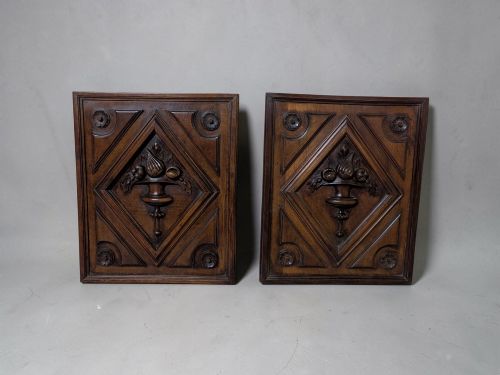
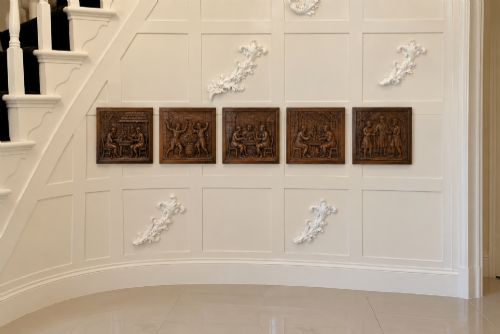
An antique oak wall plaque brings heavy timber carving and centuries of domestic history directly to your walls.
Antique Oak Wall Plaque
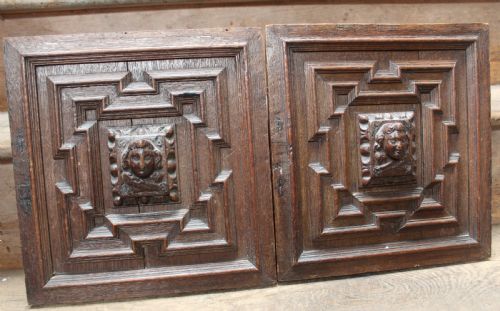
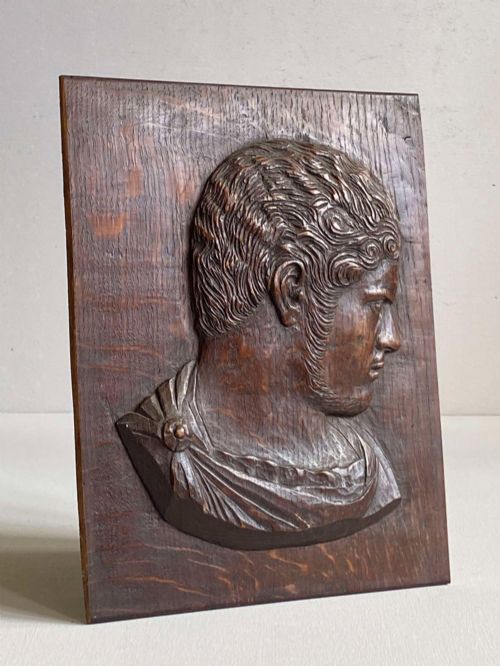
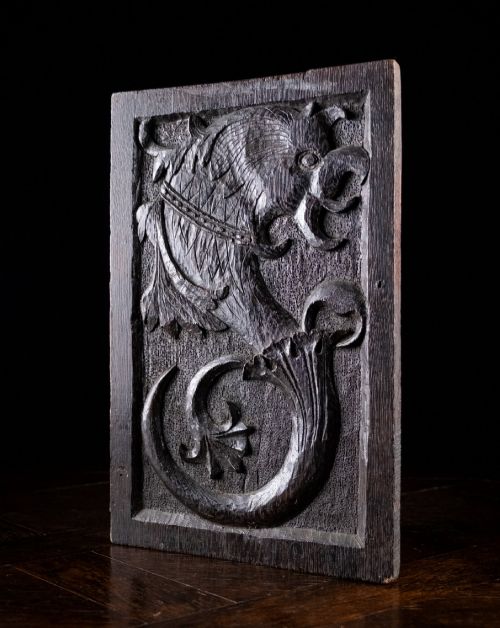
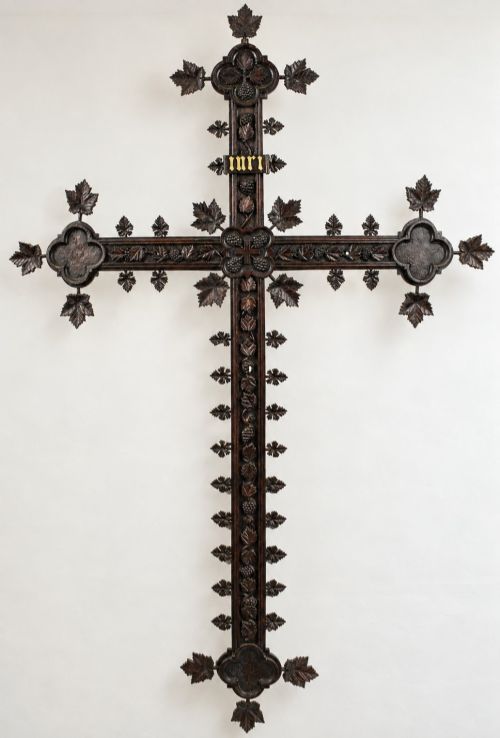
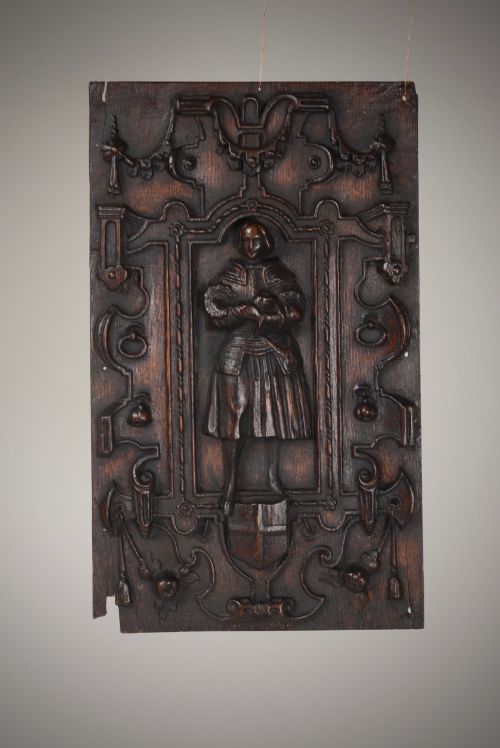
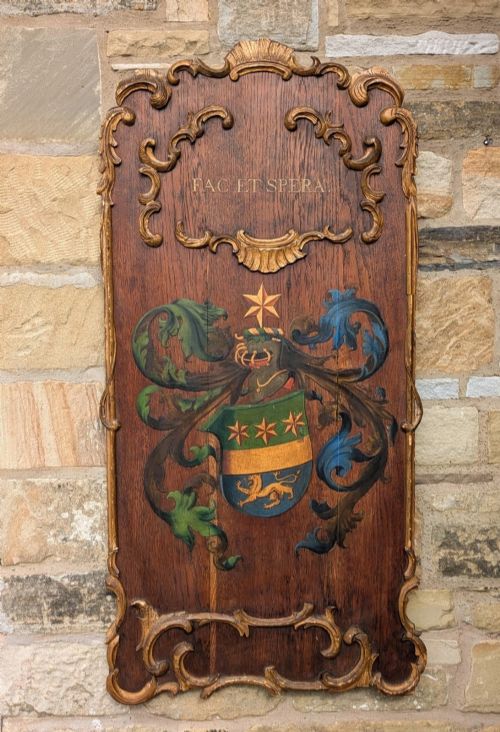
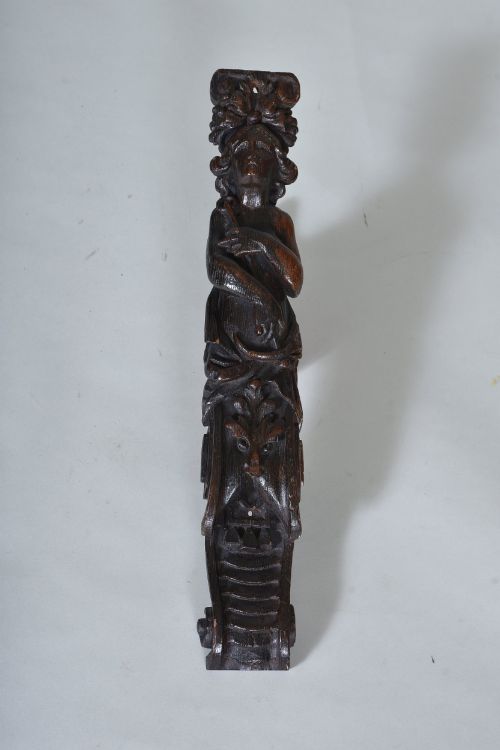
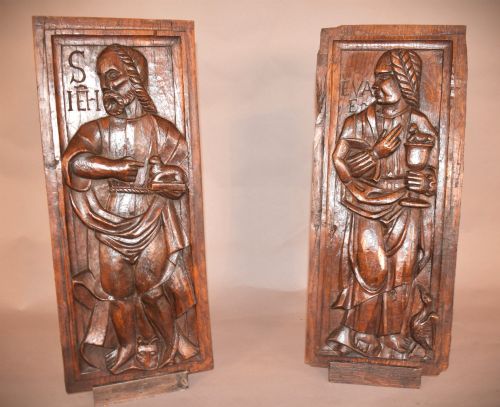
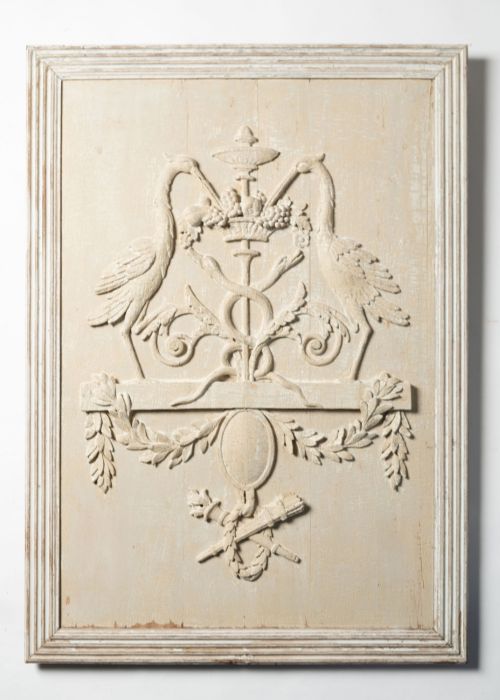
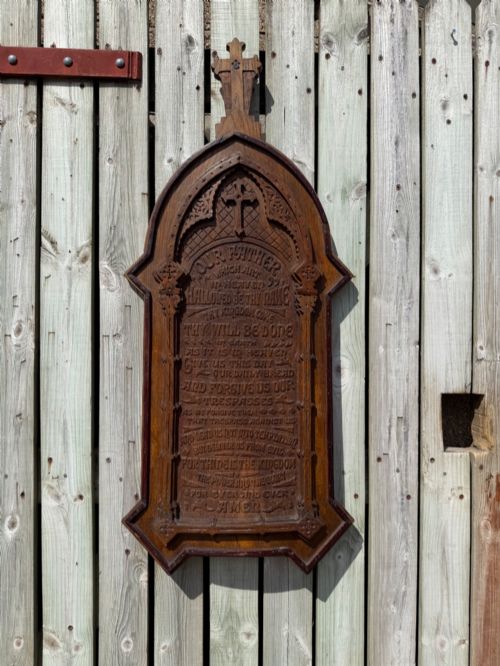
When you search for an antique oak wall plaque, you encounter carved timber panels, relief sculptures, and architectural salvage fashioned into display pieces. The items on this page span from the sixteenth century through the twentieth century, taking forms such as religious texts, heraldic crests, and figurative carvings.
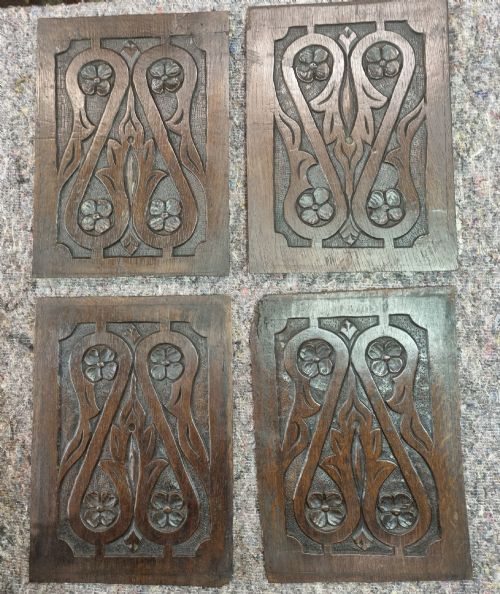
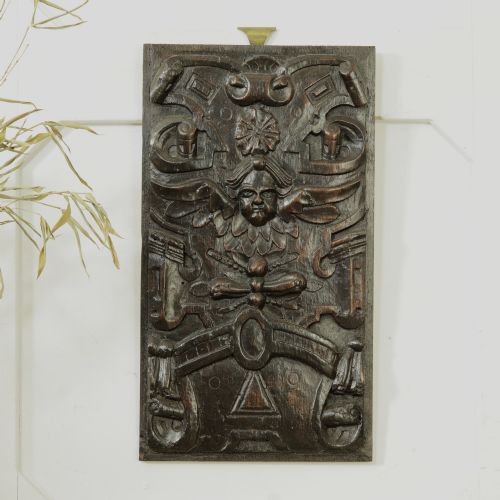
The most common versions you meet are seventeenth-century carved panels featuring foliate motifs or biblical scenes, alongside nineteenth-century interpretations influenced by Gothic Revival and Arts and Crafts aesthetics. These pieces originate from domestic interiors, churches, and repurposed furniture elements mounted for display.
How they were made
Carvers shaped these pieces using seasoned timber, relying primarily on oak complemented occasionally by fruitwood, metal accents, glass, and paint. Artisans employed hand chisels and gouges to cut deep relief patterns into the grain, achieving high-relief figures and pierced acanthus leaves.
Many items incorporate auxiliary materials to frame or support the wood, such as brass mounts, timber frames, and inset brass plaques. Construction techniques range from simple board mounting to complex joinery designed to stabilise heavy panels against warping.
Antique Oak Wall Plaque Retail Price Guide 2026
Typical asking prices for oak wall plaque among the pieces listed under this phrase on Sellingantiques today, from the lower quarter to the upper quarter. They describe what is for sale here now, not the wider market.
Listings feature periods spanning from the 16th century to the 19th century, constructed primarily in oak alongside brass, glass, and paint.
What varies in quality
The integrity of the material and the history of the surface finish dictate the standing of a piece. Original patination and minimal structural intervention preserve the integrity of the timber, whereas excessive smoothing or unsympathetic repairs diminish historical depth.
Peter Spicer & Sons·P. Spicer & Sons
The Antique Oak Wall Plaque Glossary
- Relief
- Carving that projects from a flat background. High relief means the figures stand out boldly from the timber.
- Linenfold
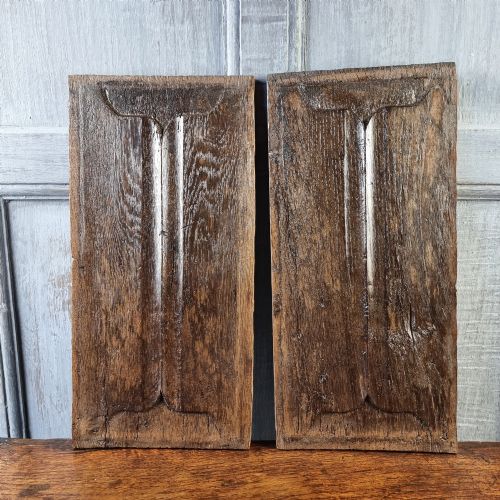
- A style of wood carving that imitates folded linen. It is frequently seen on panels from the sixteenth and seventeenth centuries.
- Acanthus
- A carved leaf ornament derived from Mediterranean flora. It appears widely in Baroque and Gothic Revival woodwork.
- Green Man
- A sculptural head depicted with leaves or vines sprouting from the mouth. This motif spans multiple centuries of architectural carving.
- Armorial
- Relating to heraldry and family crests. These plaques display coats of arms belonging to specific lineages.
Antique Oak Wall Plaque: Frequently Asked Questions
What is an antique oak wall plaque?
An antique oak wall plaque is a carved wooden panel, architectural fragment, or mounted relief designed to hang on a wall. These items include repurposed furniture elements, religious boards, and decorative carvings created from solid timber.
Most pieces originate from European workshops working in styles ranging from sixteenth-century Gothic to nineteenth-century Arts and Crafts. They serve as decorative focal points that showcase historic woodworking skills.
How were these plaques originally used?
Many plaques began as structural elements of domestic interiors, such as wall panelling, overmantels, and furniture components like cabinet doors and tabletops. Others served specific functions, including hymn boards, key cabinets, and memorial carvings.
Over time, owners adapted these architectural fragments into standalone wall art by adding mounting brackets or simple frames. This allowed displaced woodwork to be preserved and displayed in later interiors.
How do I date an oak carving?
Dating relies on stylistic clues, tool marks left by the carver, and the construction of the timber panel. Sixteenth and seventeenth-century pieces often feature distinct folk motifs, heavy grain patterns, and deep hand-chiseled recesses.
Later Victorian and Arts and Crafts examples frequently revive earlier Gothic or Baroque aesthetics but show different finishing techniques and assembly methods. Comparing the style of the carving to known period examples helps narrow down the decade or century of origin.
How do I hang a heavy wooden plaque?
Hanging heavy timber pieces requires locating wall studs or using heavy-duty wall anchors rated for the weight of solid oak. Many plaques feature integrated hanging loops, recessed brackets, or custom backing frames designed to support the load securely.
Ensure the mounting hardware fastens firmly into the structure of the wall rather than just the plasterboard. Checking the stability of any attached frames or brass mounts before hanging prevents accidental detachment.