
Wooden Relief Carving
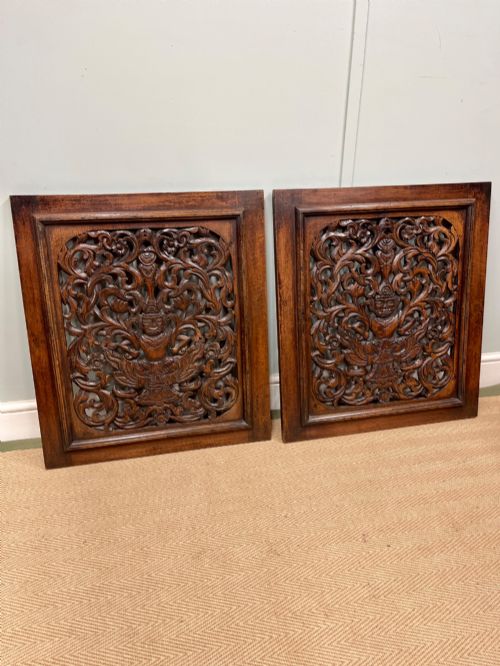
These wooden relief carving pieces range from sixteenth-century oak panels to nineteenth-century plaques, bringing historical depth and texture to interior walls.
Wooden Relief Carving
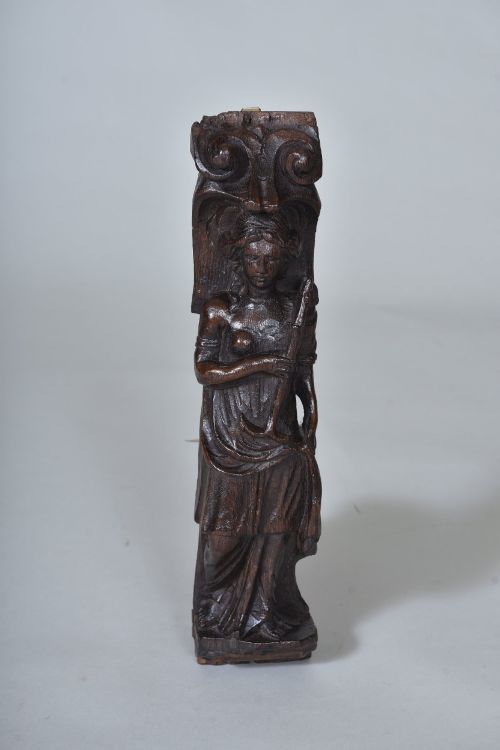
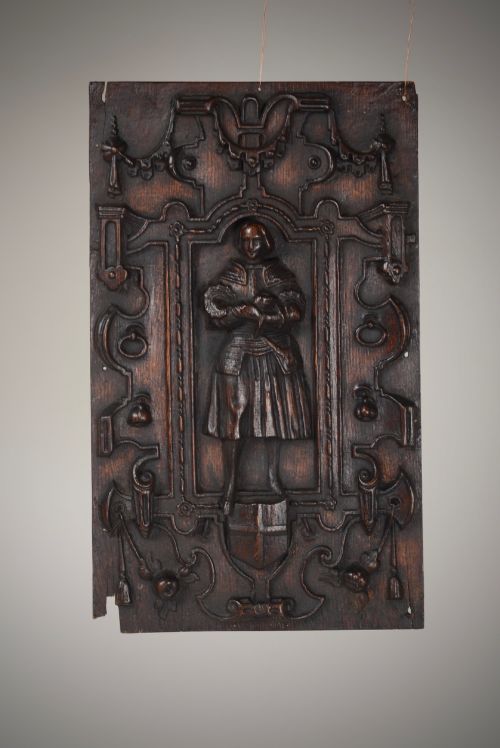
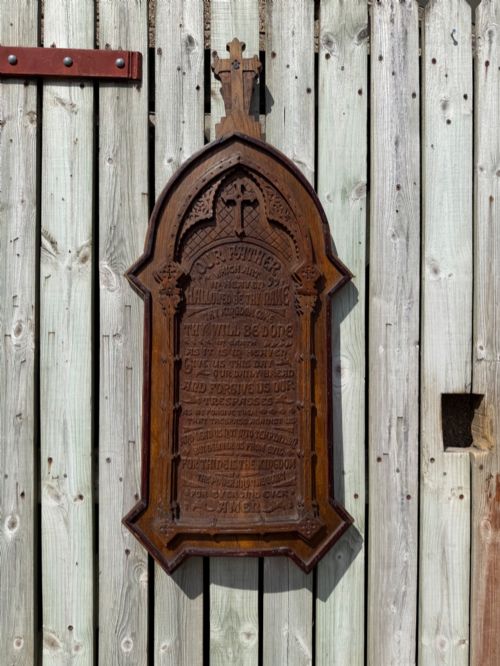
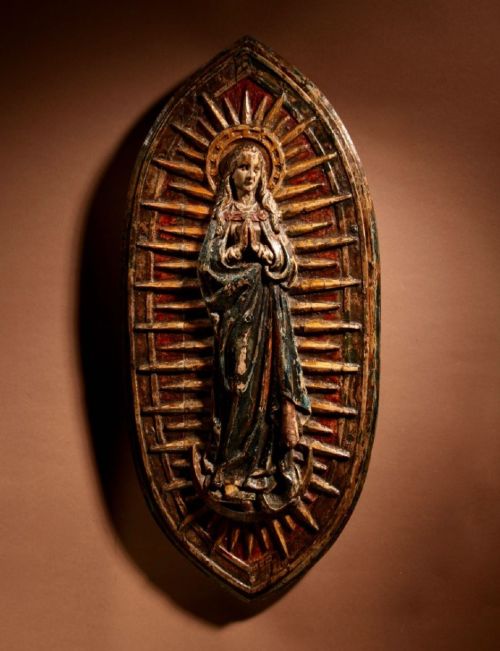
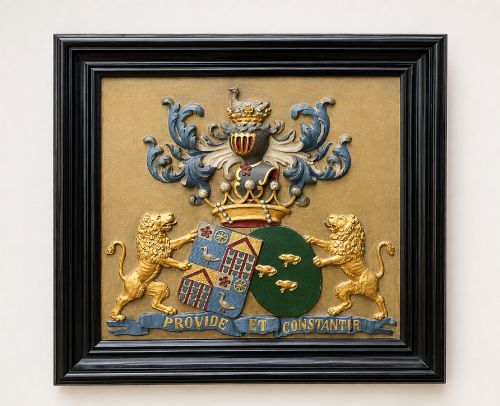
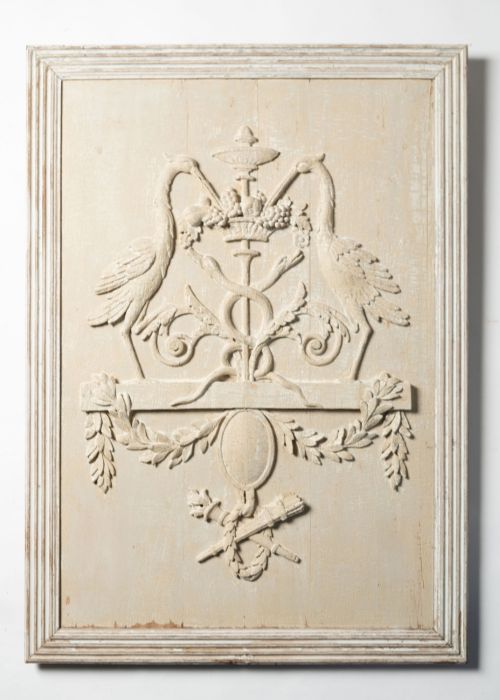
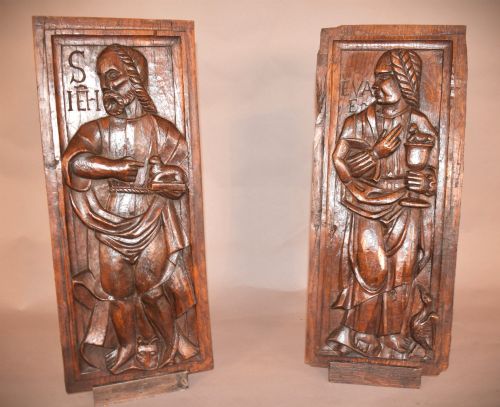
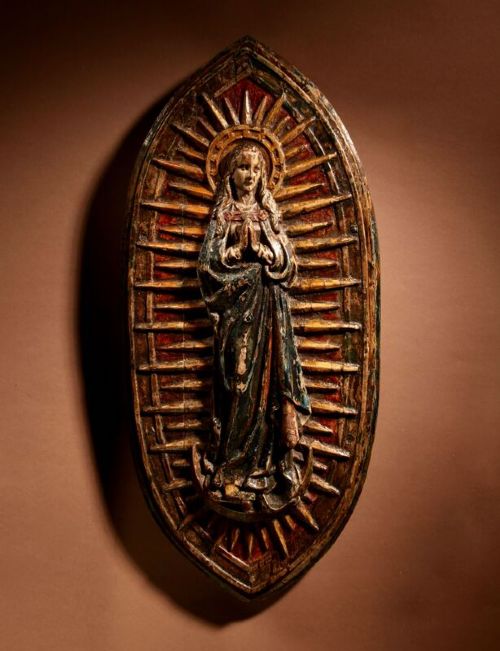
A wooden relief carving projects from a flat background, encompassing wall plaques, architectural salvage, and decorative panels designed to adorn interiors. Buyers seek these objects for their intricate imagery, ranging from religious iconography to heraldic plaques and classical deities.
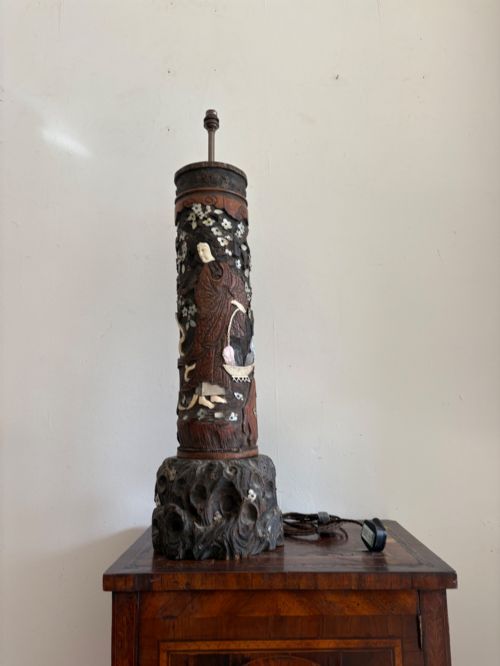
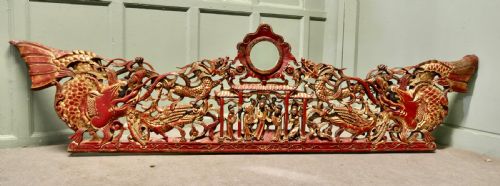
The selection on this page spans several centuries, with seventeenth-century oak panels and nineteenth-century architectural fragments appearing frequently alongside Asian temple panels and European wall art.
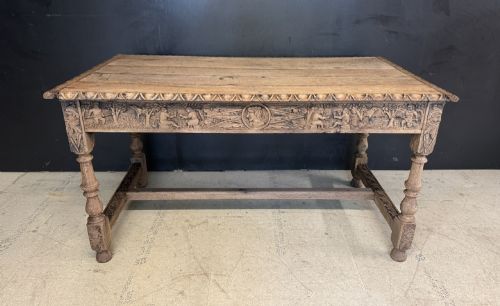
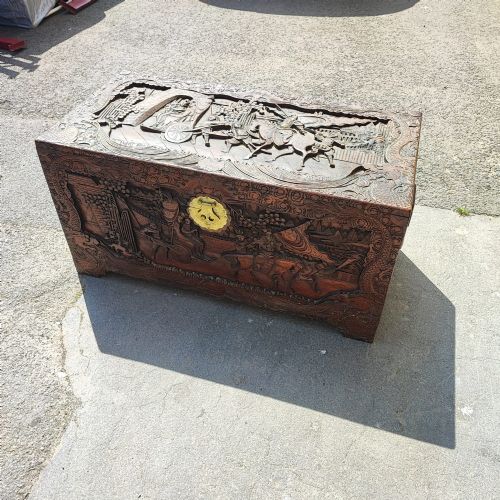
Forms vary from small individual panels and wall plaques to large overmantles, ceiling bosses, and sculptural groups depicting historical or mythological scenes.
Materials and construction
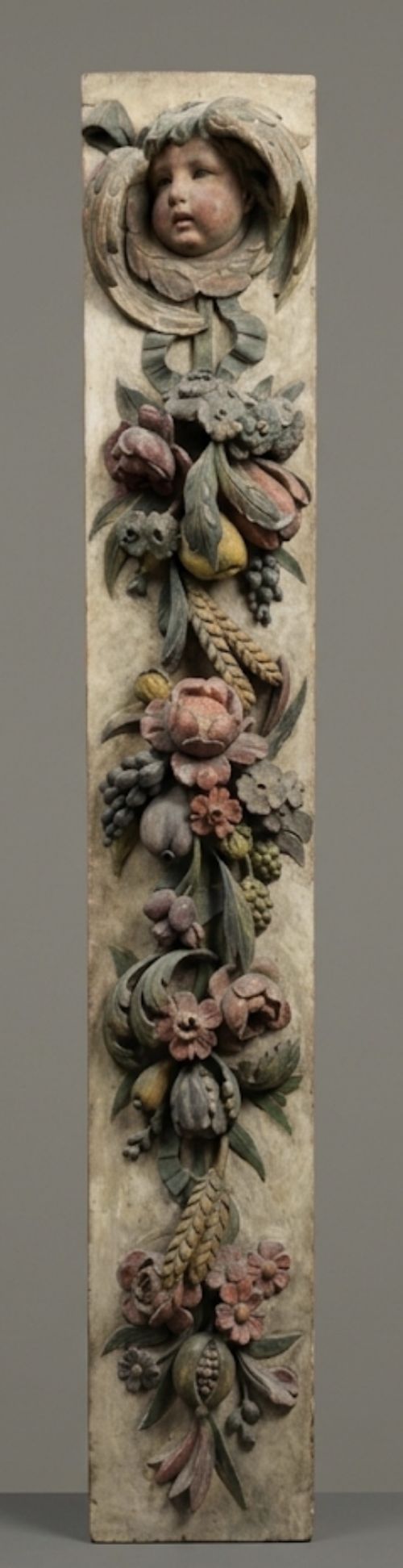
Carvers utilised dense timbers such as oak, walnut, chestnut, and limewood, allowing for crisp lines and deep undercuts in the relief work. Gesso, gold leaf, and polychrome pigments frequently finish the surfaces, adding colour and metallic lustre to the carved wood.
Artisans shaped these pieces using specialised gouges and chisels, often working directly into solid timber panels or building up architectural elements from multiple timber sections.
Listings feature oak, walnut, and limewood timbers spanning from the sixteenth to the twentieth century.
Evaluating quality
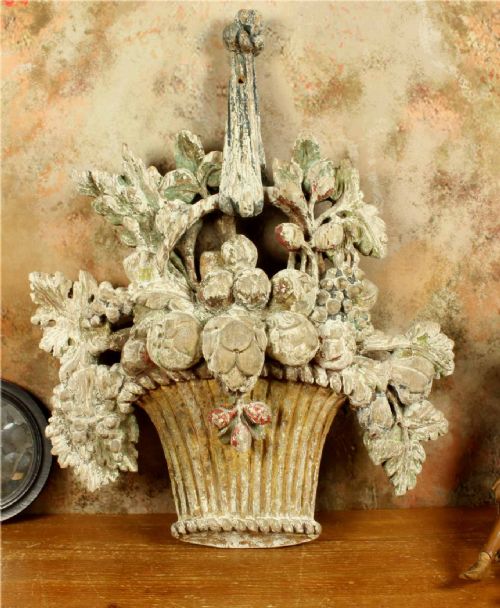
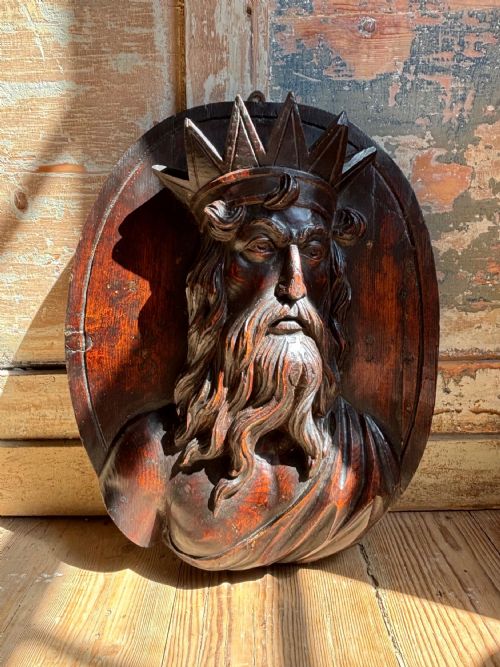
Quality rests upon the depth of the carving and the crispness of the chisel work, where master carvers achieved lifelike musculature and fluid drapery in subjects like figures and floral baskets. The retention of original polychrome paint or gilding elevates a piece, as does the clarity of historical iconography.
Proportion and the balance of the composition distinguish superior panels from standard workshop output, alongside the preservation of the original timber surface without excessive modern intervention.
Van Rijckevorsel and Verheijen·Thomas Chippendale
The Wooden Relief Carving Glossary
- Relief carving
- A sculptural technique where figures or patterns project from a flat background. High relief involves significant projection, while low relief stays closer to the plane.
- Overmantle
- A decorative panel or mirror frame positioned above a fireplace mantel. These often incorporate elaborate heraldic motifs or mythological figures.
- Ceiling boss
- A decorative projecting block placed at the intersection of ribs in a ceiling vault. In wood, these take the form of circular carved roundels.
- Polychrome
- The practice of decorating architectural elements or sculptures in a variety of colours. Painted finishes on wood often survive only in fragments.
- Giltwood
- Timber that has been coated with gold leaf or gold paint. This technique accentuates carved details by catching ambient light.
Wooden Relief Carving: Frequently Asked Questions
How were wooden relief carvings originally displayed?
These carvings served as structural components within larger architectural schemes, mounted into altarpieces, wall paneling, or overmantles in grand interiors. Many originated as church furnishings, civic buildings, or domestic furniture before becoming standalone wall art.
Over time, panels were frequently salvaged from dismantled buildings or repurposed as decorative wall plaques and tabletops, changing their original context while preserving the artistry.
How do I distinguish sixteenth-century panels from later copies?
Dating relies on tool marks, timber shrinkage, and the characteristic style of the period, such as Renaissance revival motifs or Gothic tracery. Early oak panels typically exhibit hand-riven boards and pegged construction consistent with period joinery.
Examining the back of the panel reveals historical wear and structural methods that differ from nineteenth-century revival pieces or modern reproductions.
What maintenance do antique wooden carvings require?
Maintenance involves keeping pieces away from direct heat sources and sudden humidity fluctuations to prevent timber splitting or warping. Gentle dusting with a dry, soft brush preserves the surface finish without damaging delicate projections or original paint.
Wax polishing should be approached with caution, particularly on pieces with gesso or polychrome surfaces where moisture or solvents might cause degradation.
Can I hang a heavy wooden panel safely?
Hanging heavy panels requires assessing the weight distribution and securing fixings directly into wall studs or using professional masonry anchors. Many antique panels feature substantial timber frames or integrated battens designed to support the structure.
Consulting a professional framer ensures that the mounting hardware distributes the load evenly without straining historical joints or fragile carved areas.