





Antique Wood Carved Frieze
An antique wood carved frieze brings centuries of architectural detail and hand-chiselled relief into a modern room.
Antique Wood Carved Frieze
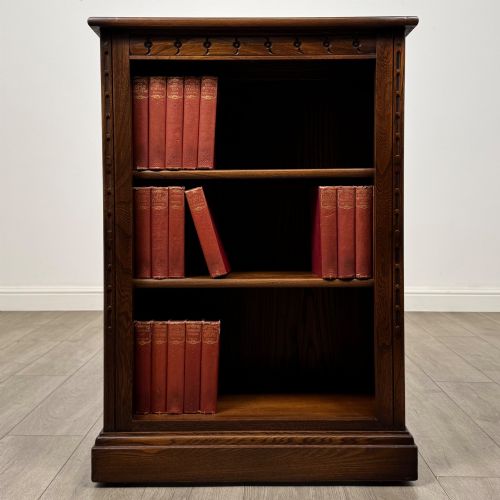
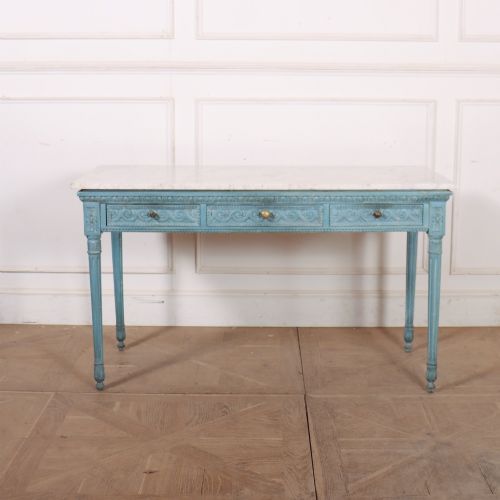
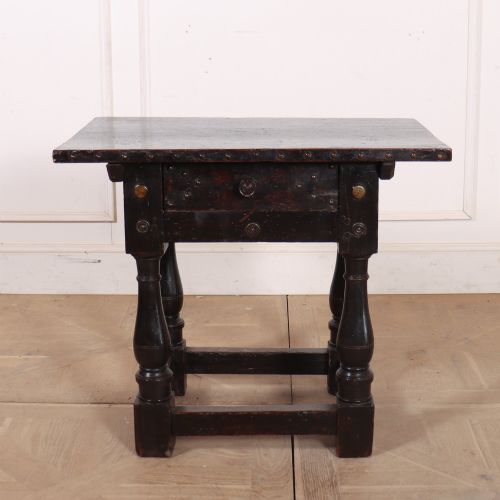
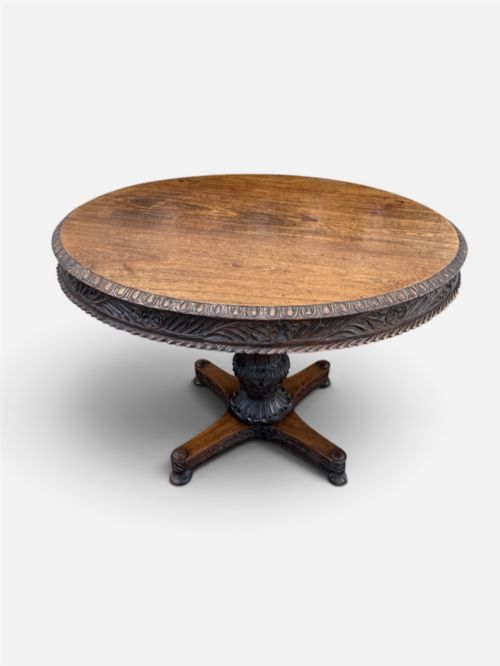
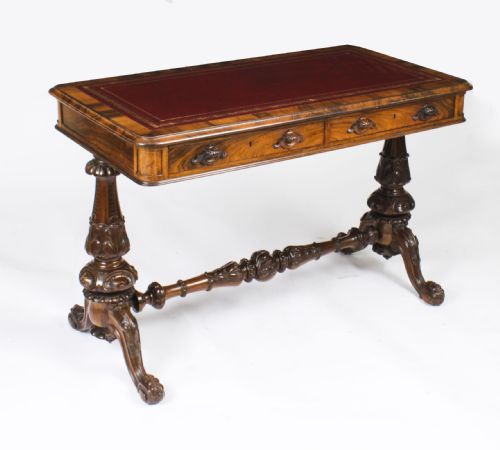
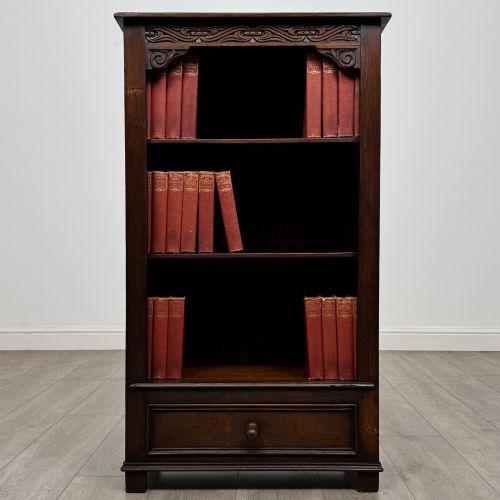
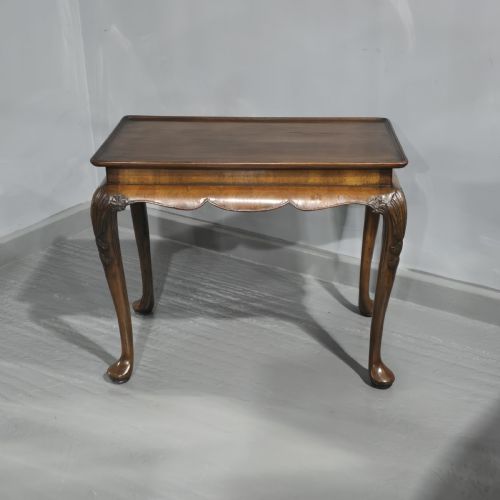
When searching for an antique wood carved frieze, a buyer encounters architectural elements, overmantles, and wall panels salvaged from historic buildings alongside furniture incorporating carved bands, such as side tables and bookcases. These items originate from the 17th, 18th, and 19th centuries, reflecting vernacular traditions and formal revival styles across Britain, continental Europe, and beyond.
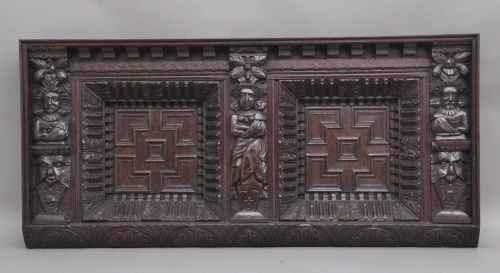
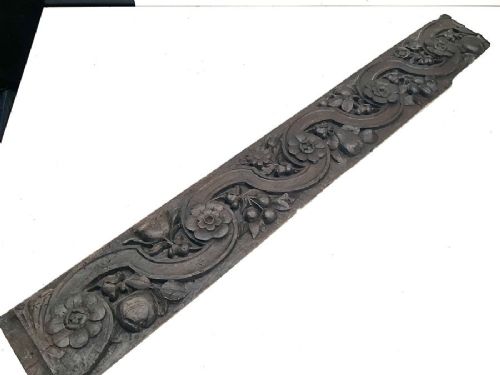
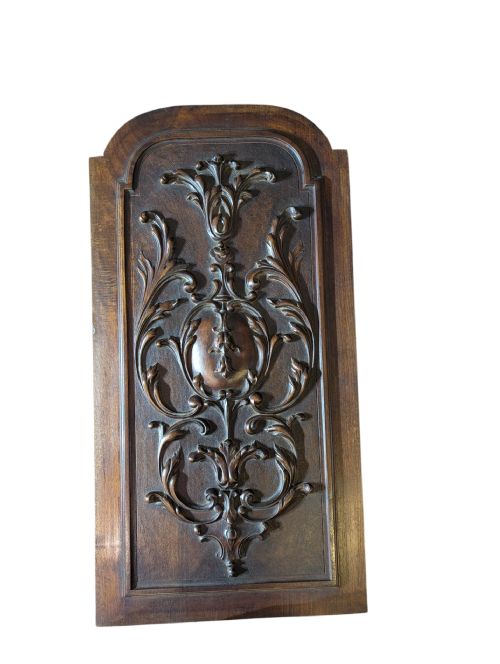
The version most commonly met on this page is the 17th-century oak panel or overmantle, alongside later 19th-century interpretations in walnut and mahogany. These elements range from linear architectural mouldings meant to run beneath a cornice to deep-relief pictorial carvings depicting mythological or domestic scenes.
Materials and construction
Carpenters and carvers shaped these pieces primarily from European hardwoods like oak, walnut, and mahogany, occasionally employing exotic timbers such as rosewood. Panels and friezes were hand-chiselled using gouges and parting tools directly into the solid timber, often utilising mortise and tenon joints for surrounding frameworks.
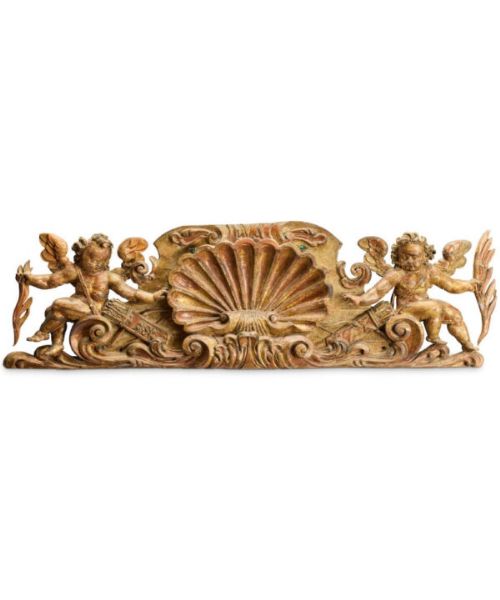
Surface preparation relied on traditional methods, leaving tool marks visible beneath wax or polish. Some architectural fragments also incorporate gold leaf highlights or parcel-gilt details applied over gesso grounds.
Listings feature structural timber elements and furniture spanning from the 17th century through the Edwardian period, executed in oak, walnut, and mahogany.
Evaluating craftsmanship
The distinction between ordinary and exceptional carving lies in the depth of the relief and the crispness of the chisel work. Master carvers achieved anatomical proportion and convincing drapery, whereas lesser workshops produced flat, repetitive patterns with shallow incisions.
Condition and integrity dictate the standing of a piece. Original surfaces with undisturbed patination command greater appreciation than heavily stripped or modernly varnished timber, and period integrity matters more than the mere presence of decorative motifs.
Edwards & Roberts·Edward Pearce·William Trotter·Grinling Gibbons
The Antique Wood Carved Frieze Glossary
- Frieze
- A broad horizontal band of sculpted or painted decoration, typically located below a cornice on a wall or furniture piece. It provides a focal point for architectural ornamentation.
- Overmantle
- A decorative panel, mirror, or carving positioned directly above a fireplace mantelpiece. These pieces often anchor the surrounding wood panelling in historic interiors.
- Parcel-gilt
- Partially gilded with gold leaf or powder, leaving areas of the underlying wood or paint exposed. This technique highlights specific details of a carved relief.
- Cartouche
- An ornamental tablet or panel resembling a rolled-up piece of parchment, often bearing an inscription or armorial crest. Carvers frequently utilised them as central motifs in friezes.
Antique Wood Carved Frieze: Frequently Asked Questions
How do I hang a heavy carved wood frieze?
Heavy architectural fragments require secure mounting into wall studs or masonry using appropriate steel brackets and batten systems. Weight distribution must be calculated carefully to prevent the fixings from pulling away from the plaster.
Professional installation is recommended for large panels and overmantles to ensure the timber remains stable and does not warp under its own tension against the wall.
What is the difference between oak and walnut friezes?
Oak pieces typically date from the 17th century or earlier, featuring a coarse, open grain and robust, deep-relief carving suited to vernacular architecture. Walnut became prevalent later, offering a finer grain and smoother surface that allowed for intricate, highly detailed classical motifs.
Both timbers respond well to traditional beeswax, but walnut generally displays a darker, warmer patination compared to the golden-brown tones of antique oak.
Can I use a frieze as a coffee table?
Long horizontal panels and architectural fragments can be converted into coffee tables by mounting them securely onto a custom wooden or brass base. Many examples already exist as low tables or trays.
When living with a converted frieze, place a protective glass top over the surface to prevent accidental damage to the antique carving while still allowing the relief to be seen.
How do I clean an antique carved panel?
Dust the intricate recesses regularly using a soft-bristled artist's brush or a dry microfibre cloth. Avoid household detergents or excessive water, which can strip the historic polish and raise the wood grain.
Apply a quality microcrystalline wax sparingly once or twice a year to nourish the timber and maintain a soft sheen without building up a sticky residue.