

French Chateau Style Carving
French chateau style carving brings grand architectural woodwork and gilded opulence into domestic rooms through mirrors, seating and lighting.
French Chateau Style Carving
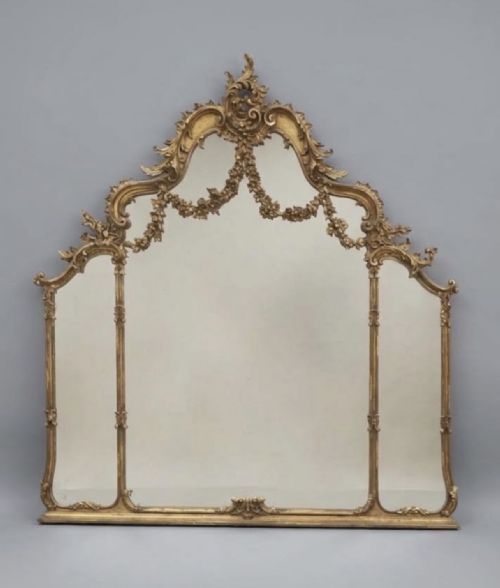
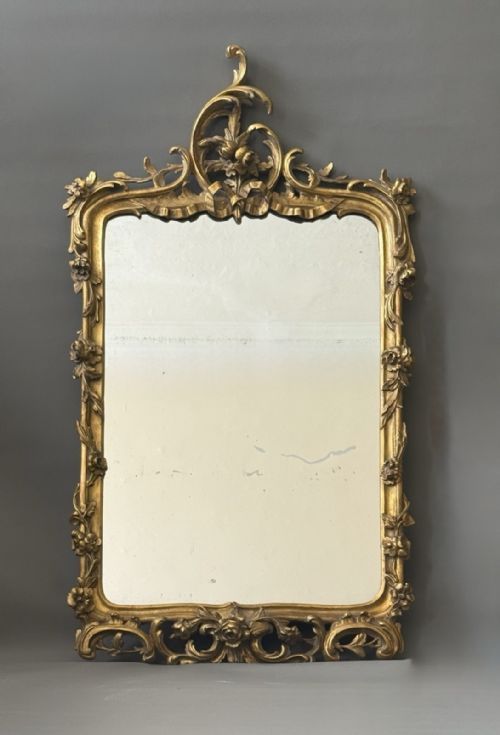
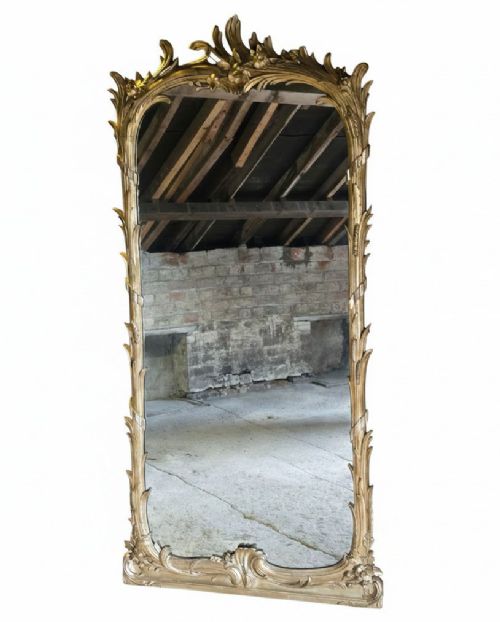
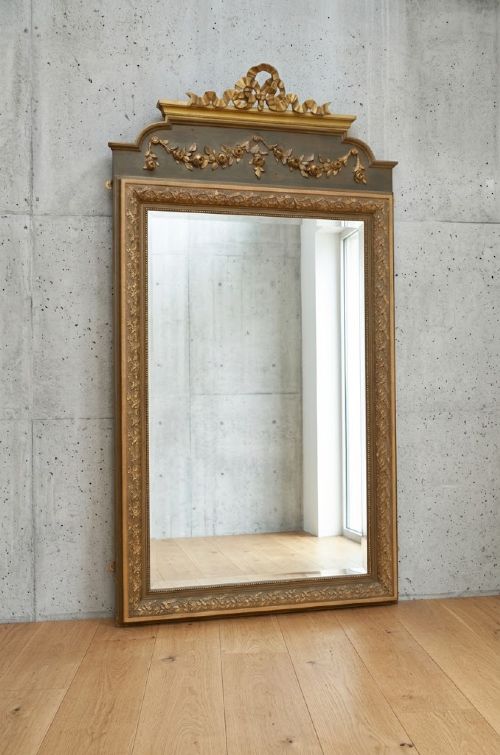
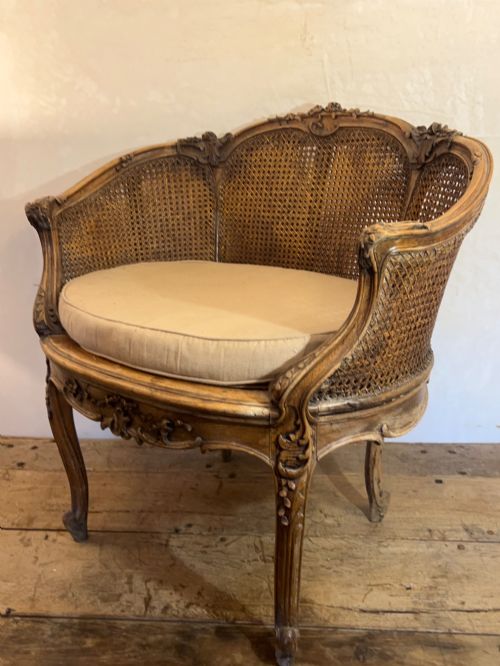
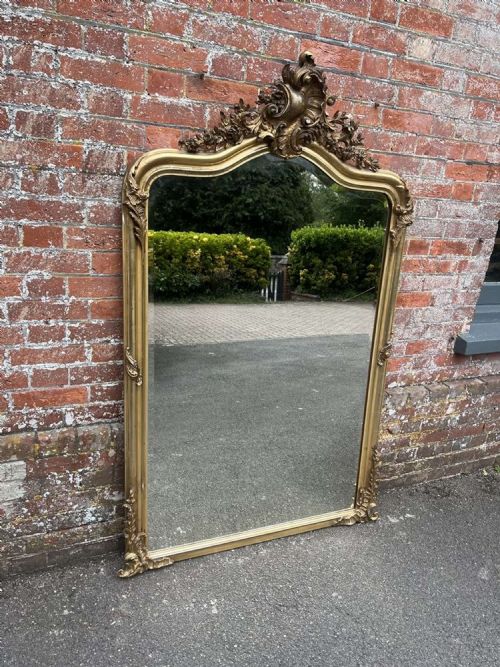
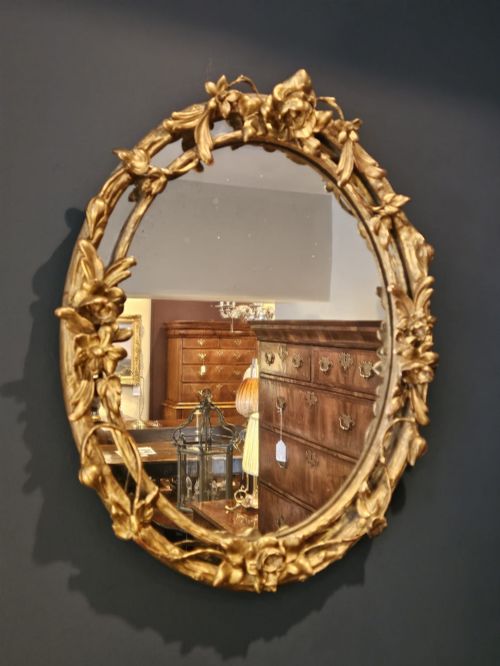
When you search for french chateau style carving, you encounter ornate furnishings shaped by centuries of continental design traditions. These objects derive their aesthetic from large country estates, incorporating deep relief work and sculptural motifs into domestic items.
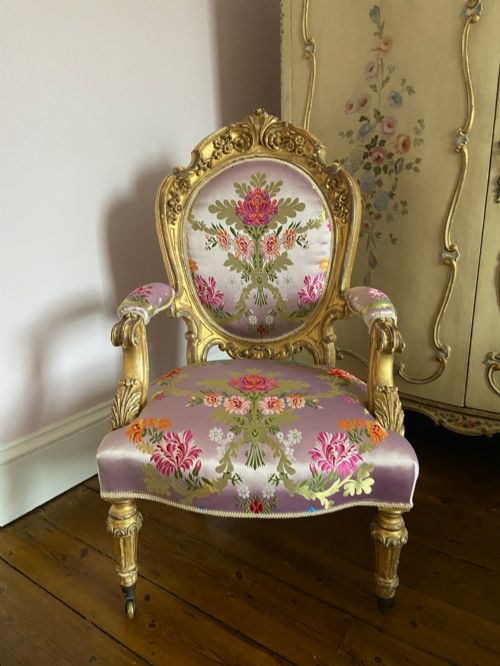
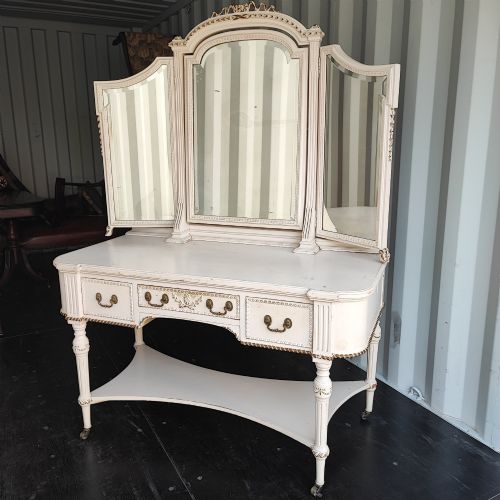
The pieces appearing most frequently on this page are wall mirrors, overmantel mirrors and seating such as armchairs and settees. They span periods from the eighteenth century through to the early twentieth century, reflecting revivals of Louis styles and Rococo tastes.
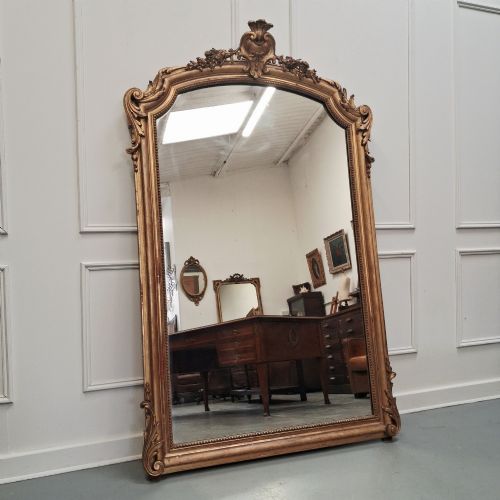
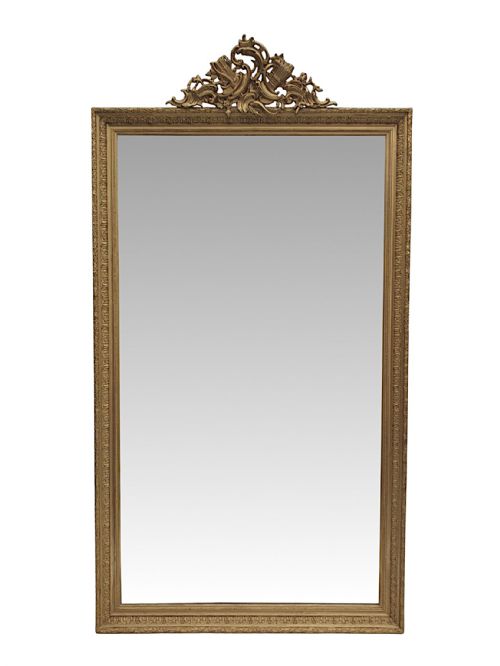
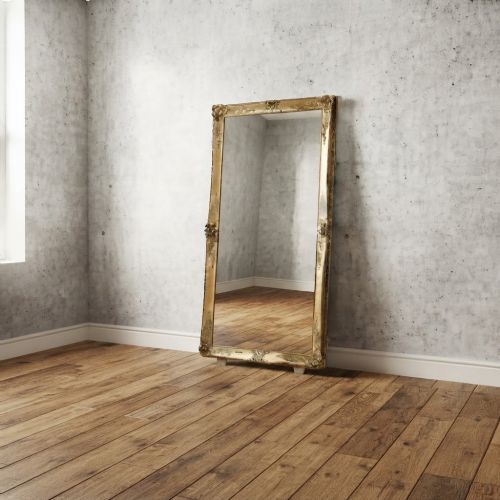
Originating largely in France, these items range from substantial giltwood leaner mirrors to painted wooden beds and console tables. Each piece demonstrates the translation of architectural stone and wood ornamentation into movable furniture and decorative accessories.
How they were made
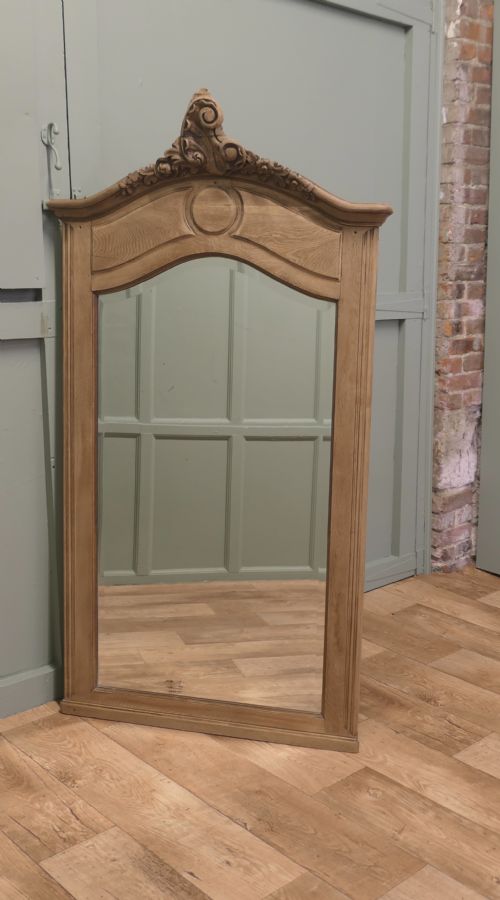
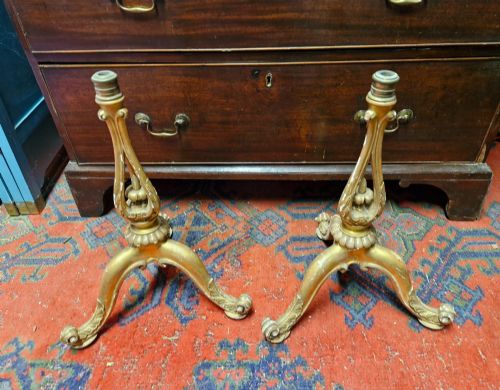
Carvers shaped solid timbers such as walnut, oak, pine and bleached woods using traditional hand chisels and gouges to create deep, scrollwork profiles. These wooden foundations provided the structural depth required for intricate floral, vine and ribbon motifs.
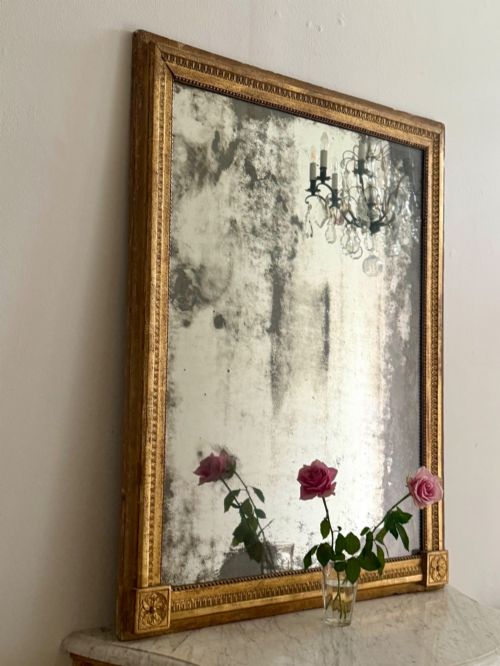
Many surfaces received a layer of gesso, a plaster-like mixture applied to wood to smooth irregularities before gilding or painting. Artisans then applied thin sheets of gold leaf or mixed paints, sometimes leaving mercury glass plates within mirror frames to age naturally over time.
Foxed mercury glass mirrors carry the quiet ghost of every face that gazed into them centuries ago.
What varies in quality
The distinction between ordinary and exceptional pieces lies in the crispness and depth of the hand-carved detail. Superior examples display undercut work where leaves and scrolls lift cleanly from the background, whereas lesser items rely on flat, shallow moulding.
Materials also dictate standard, with genuine gold leaf and heavy carved walnut representing higher craftsmanship than basic metallic paint over softwood. The integrity of the original gesso application and the preservation of antique mirror plates further elevate a piece's execution.
The French Chateau Style Carving Glossary
- Giltwood
- Wood coated with gold leaf or gold paint. This finish creates a luminous surface that catches candlelight or daylight.
- Gesso
- A plaster mixture spread over wood as a base for paint or gilding. It allows artisans to shape sharp decorative reliefs.
- Overmantel mirror
- A large mirror designed to hang above a fireplace mantelpiece. These pieces often feature extended frames tailored to architectural proportions.
- Mercury glass
- Glass silvered using a mercury amalgam technique common in older mirrors. It produces a mottled, foxed appearance with dark spots.
- Rococo revival
- A nineteenth-century design movement mimicking the asymmetrical curves and shell motifs of the eighteenth century. It heavily influences chateau-style furniture.
- Corbeille
- A French term for a bed or seat with a curved, basket-like back. This shape wraps around the user for a cocooning effect.
French Chateau Style Carving: Frequently Asked Questions
What defines French chateau style carving?
This style encompasses ornate woodwork inspired by historic French country houses and royal palaces. It relies on motifs like acanthus leaves, scrolls, vines and ribbon crests.
Craftsmen translated heavy architectural stone ornamentation into carved wood, gesso and gilt finishes for domestic furniture and mirrors.
How do I identify a true antique mirror?
Examine the glass plate for signs of age such as foxing, dark oxidation spots and slight distortions. Older mirrors often use mercury glass rather than modern aluminum backing.
Inspect the back of the frame for hand-cut timbers, old fixings and the application of gesso beneath the gold leaf.
Where should I place an overmantel mirror?
Overmantel mirrors are traditionally hung directly above a fireplace to reflect light and visually expand the room. Their proportions suit wide wall spaces.
You can also lean them against a floor-to-ceiling wall in a hallway or bedroom to create a grand focal point.
How do I care for giltwood and gesso surfaces?
Dust these delicate surfaces gently with a soft, dry brush or feather duster. Avoid using water, chemical sprays or abrasive cloths which strip gold leaf and gesso.
Keep pieces away from direct sunlight and strong temperature fluctuations to prevent the wood underneath from expanding and cracking the finish.