


Brown Wood Wall Carving
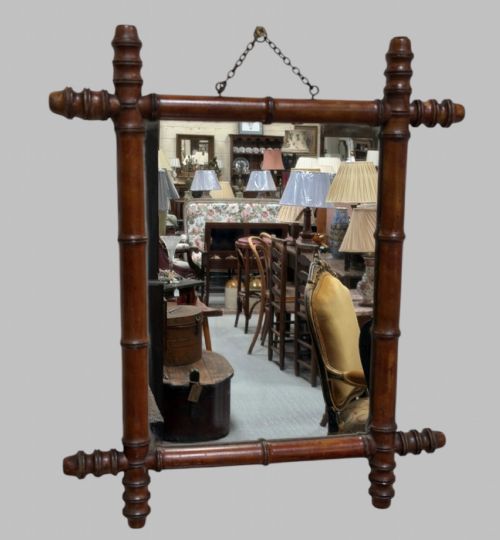
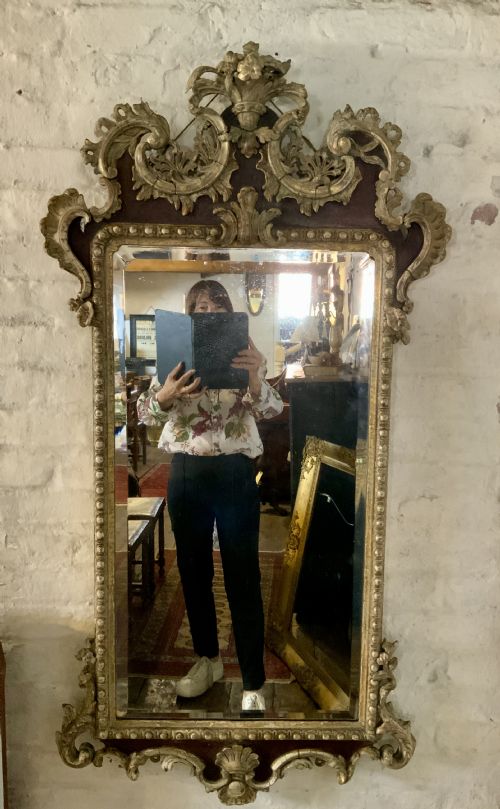
Brown wood wall carving encompasses panels, mirrors, and brackets designed to mount directly onto domestic interiors.
Brown Wood Wall Carving
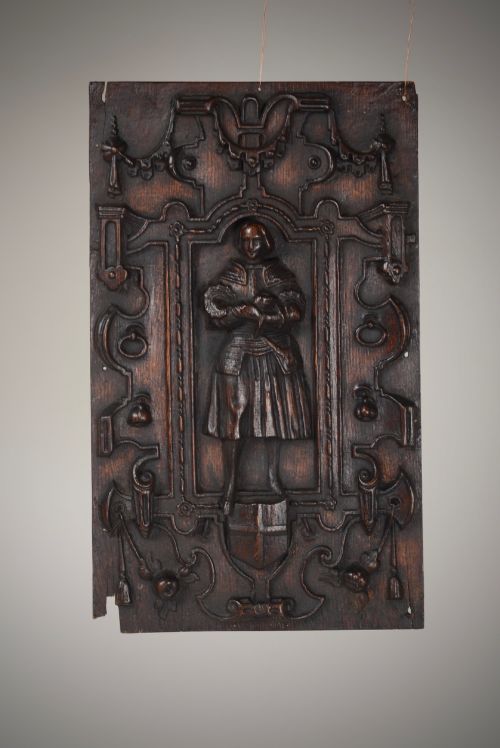
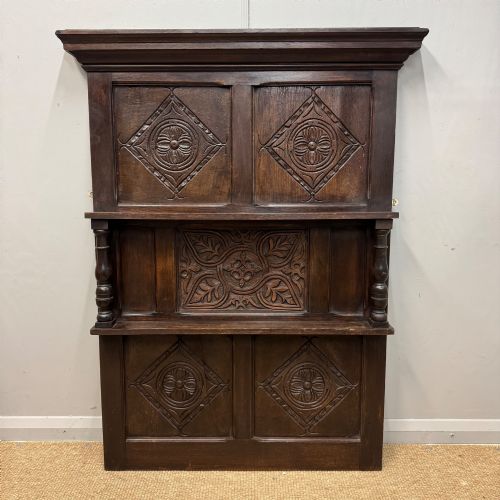
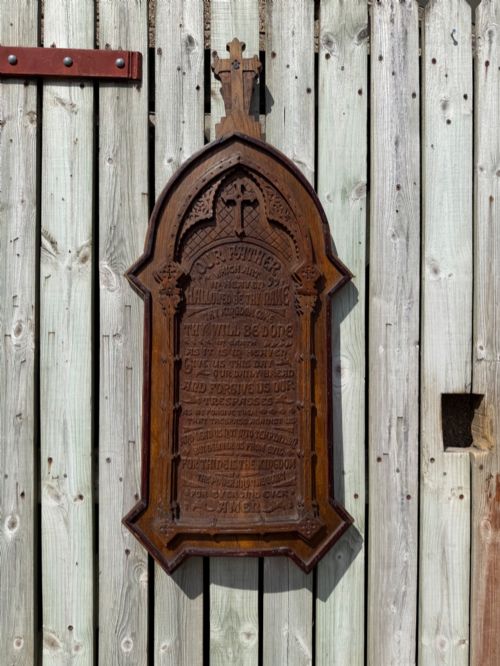
When you search for brown wood wall carving, you meet an assortment of timber objects created for vertical surfaces, spanning domestic storage, mirrors, and architectural fragments. The pieces on this page draw from centuries ranging from the sixteenth to the twentieth, reflecting diverse regional workshops and decorative tastes.
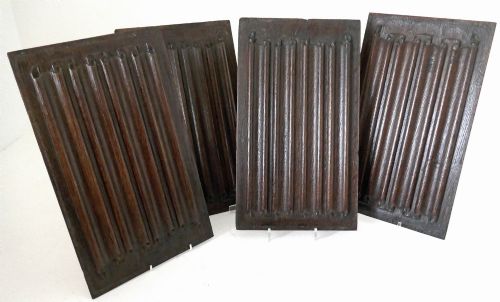
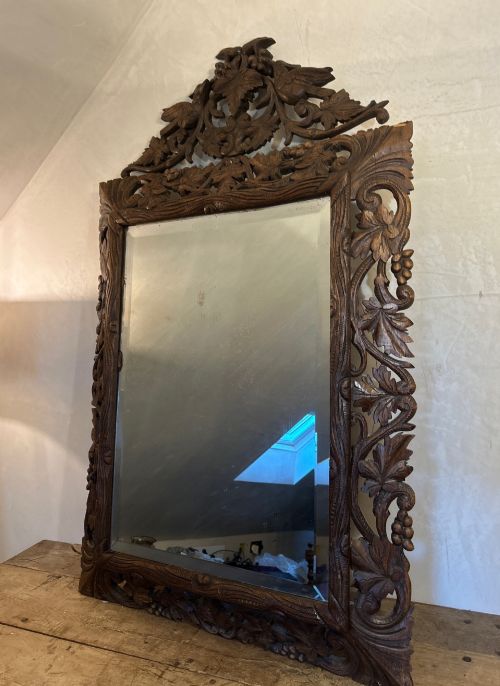
You are most likely to encounter oak and walnut items, often taking the form of wall panels, cupboards, and mirrors. Many examples display regional carving traditions such as linenfold motifs or figural reliefs.
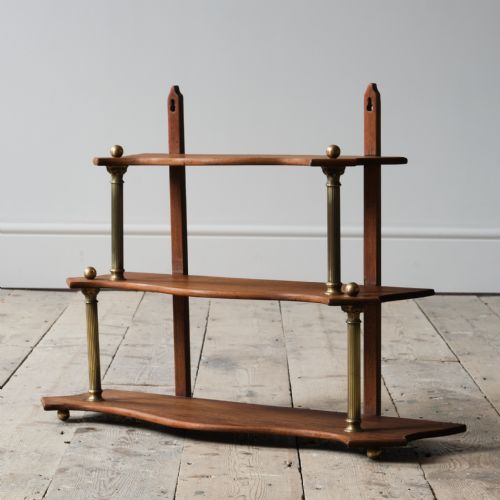
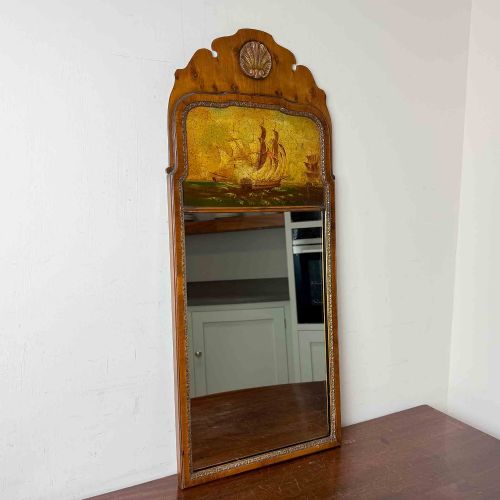
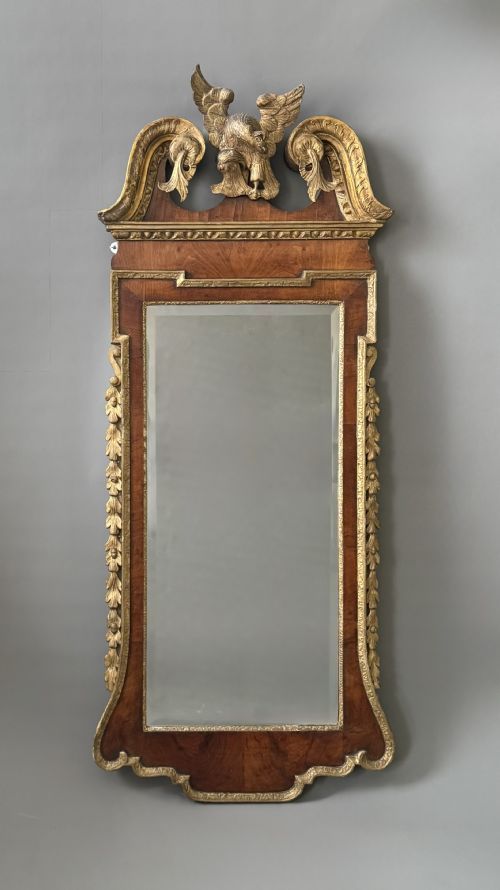
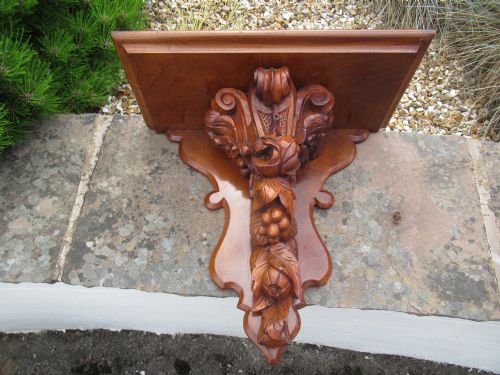
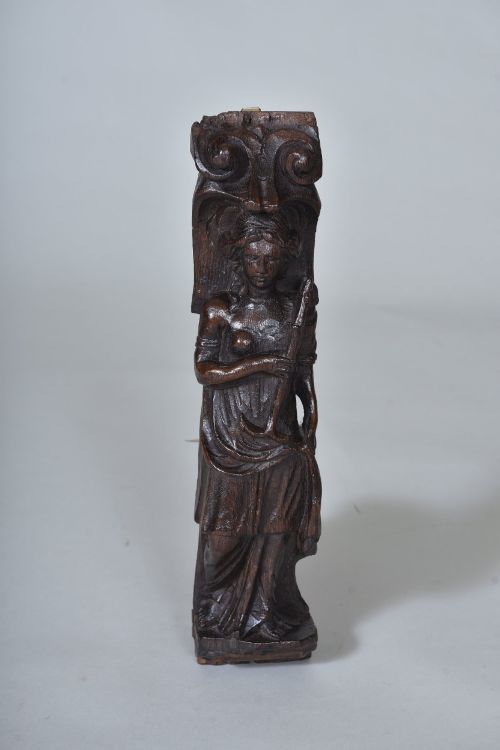
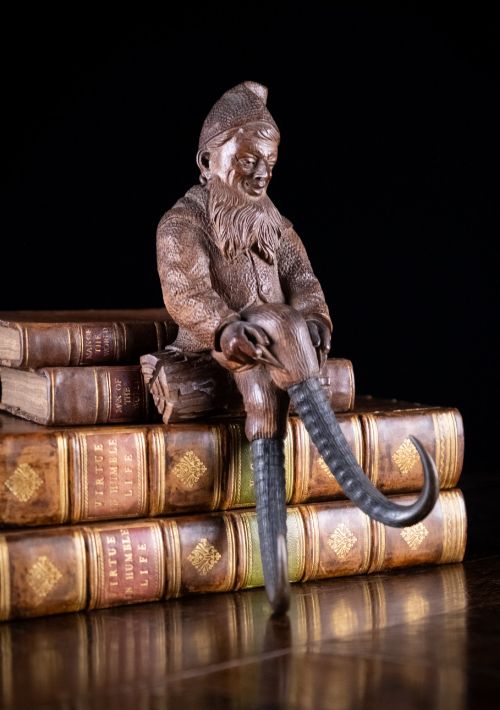
The selection includes specific forms like overmantel mirrors, architectural salvage, and wall-hanging display brackets. These items served functional and decorative roles in period interiors, utilising timber grains to add texture to plain walls.
Materials and construction methods
Makers utilised native and imported hardwoods, predominantly oak, walnut, mahogany, and beech, selecting each timber for its grain pattern and durability. These woods were shaped using hand tools to create relief carvings, panels, and structural frames.
Joinery techniques varied from traditional mortise and tenon joints in early panels to applied mouldings and parcel gilding on later mirrors and brackets. Surfaces were finished to highlight the natural tone of the wood, sometimes incorporating carved details directly into the solid timber.
Listings feature items spanning from the sixteenth century through the twentieth century, constructed primarily in oak, walnut, and mahogany.
Assessing quality in carved timber
The standard of a brown wood wall carving rests upon the depth and crispness of the chisel work, where sharper undercut details and confident modelling distinguish accomplished carving from mechanical production. Reliefs that retain distinct tool marks and anatomical precision in figures or foliage show greater sculptural intent.
Material selection also dictates distinction, with dense, well-figured oak or rich walnut providing a superior tactile presence compared to softer or heavily repaired timber. Integration between the carved elements and the structural frame determines whether a piece maintains its original architectural integrity.
The Brown Wood Wall Carving Glossary
- Linenfold
- A style of relief carving imitating folded linen, frequently seen on sixteenth-century panels. This motif creates a textile-like texture across flat wooden surfaces.
- Overmantel
- A large mirror or panel designed to hang specifically above a fireplace mantelpiece. These pieces often feature elaborate carved frames reflecting the prevailing period style.
- Parcel Gilt
- Partially gilded with gold leaf, usually highlighting specific carved details against a dark wood ground. This technique adds contrast to walnut and mahogany frames.
- Green Man
- A sculptural motif depicting a face made of or surrounded by leaves and vines. It appears frequently in early relief carvings.
- Baroque-Style
- A decorative style characterised by exaggerated motion, drama, and rich detail. It informs many nineteenth-century revival brackets and frames.
Brown Wood Wall Carving: Frequently Asked Questions
How do I hang a heavy wooden wall carving?
Heavy carved panels and mirrors require secure fixings anchored directly into wall studs or solid masonry using appropriate brackets.
Avoid relying on lightweight picture wire for substantial pieces, and ensure the weight distributes evenly across the hanging points.
How do I clean antique carved wood?
Dust carved surfaces gently with a soft, dry brush to prevent dirt accumulation within the recesses of the relief work.
Refrain from using liquid polishes or modern chemical sprays, which can build up on the timber and dull the natural patina.
How can I tell the age of an oak panel?
Examine the rear of the board for tool marks, seasoning splits, and the method used to flatten the timber.
Early panels often display hand-adzed surfaces and peg joinery that contrast with later machine-sawn timber.
Where should I place a wall mirror?
Position mirrors opposite windows to maximise natural light reflection and create a sense of depth in smaller rooms.
Keep them away from direct heat sources and damp walls to protect the wooden frame and silvered glass.