



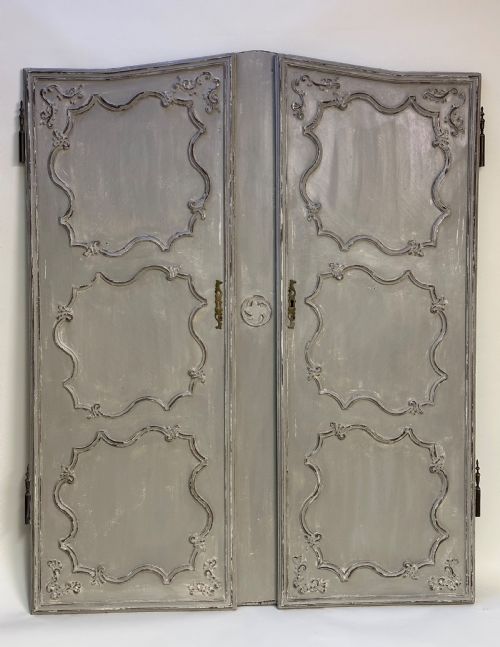


Rococo Carved Wood Panel
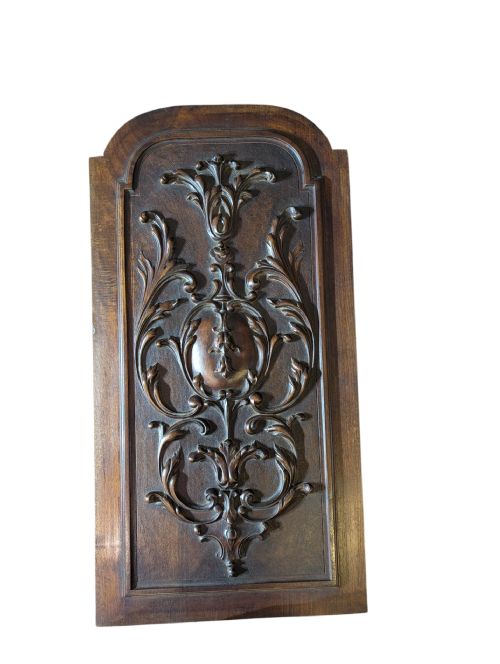
A rococo carved wood panel brings dramatic asymmetrical curves and naturalistic ornament into a room, offering rich historical texture for interior schemes.
Rococo Carved Wood Panel
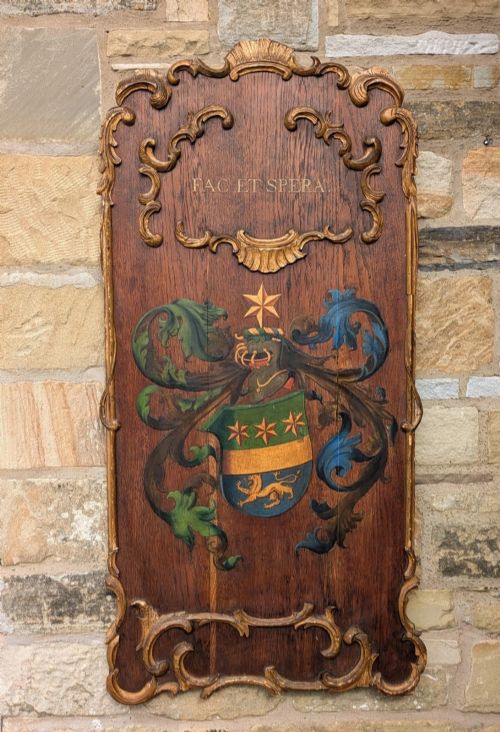
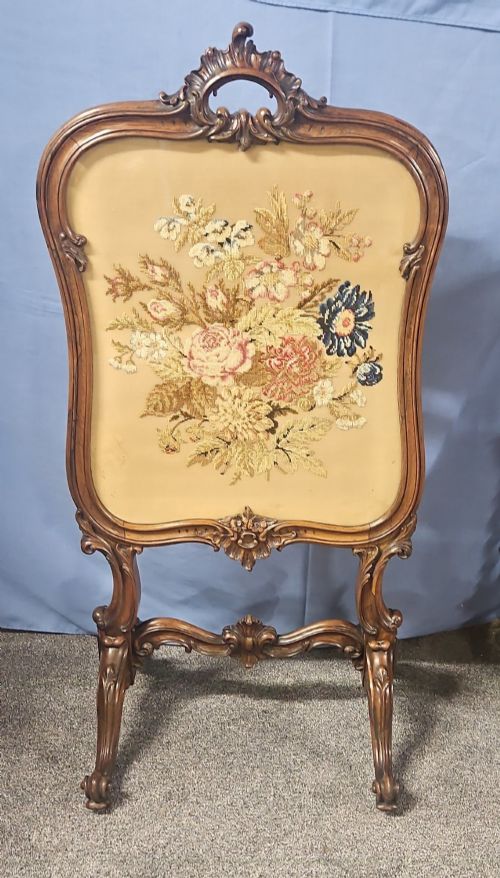
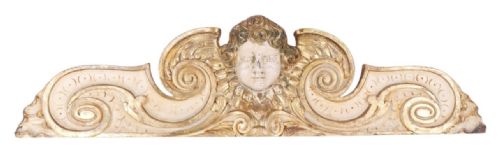
When you search for rococo carved wood panel, you encounter an array of architectural salvage, overdoors, and decorative wall panels spanning the eighteenth and nineteenth centuries. These pieces display the characteristic asymmetric scrolls, shell motifs, and naturalistic flora associated with the style.
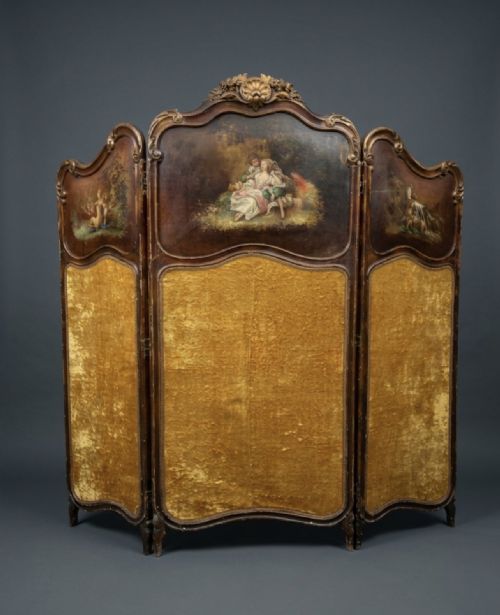
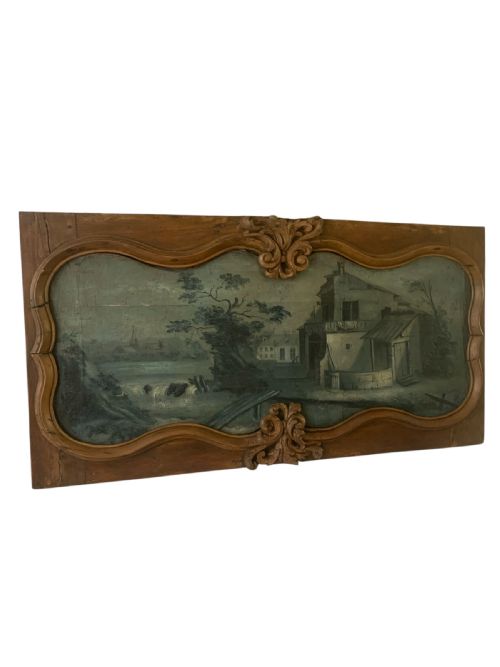
The versions most commonly met on this page originate from nineteenth-century revivals, alongside pieces attributed to eighteenth-century periods. They appear as standalone architectural fragments, painted boiserie panels, and overdoor elements.
Makers and craftsmen of these panels utilised walnut, oak, limewood, and gesso to achieve deep relief and sculptural forms. The selection includes Continental examples alongside English interpretations in the Chippendale style.
Materials and methods
Carving timber such as walnut, oak, and limewood formed the structural foundation for these pieces, allowing artisans to execute intricate undercut foliage and scrolling motifs. Wood choice dictated the crispness of the final relief work.
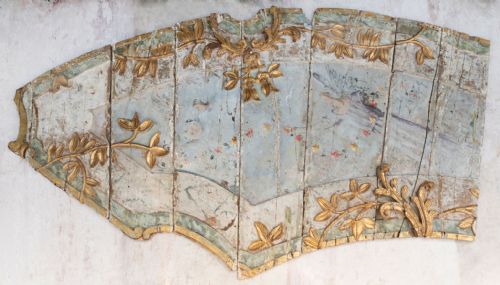
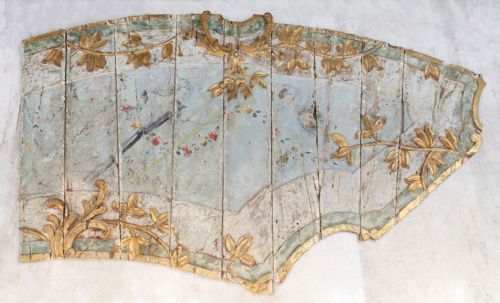
Gesso and gold leaf were frequently applied over the wooden substrates to create gilded surfaces that caught candlelight in period interiors. Paint finishes also appear on boiserie and overdoor panels, providing polychrome decoration alongside bare or polished wood.
Rococo Carved Wood Panel Retail Price Guide 2026
Typical asking prices for rococo carved wood panel among the pieces listed under this phrase on Sellingantiques today, from the lower quarter to the upper quarter. They describe what is for sale here now, not the wider market.
A surprising number of nineteenth-century French and Irish panels manage to sneak in birds and cherubs to watch over the room.
Judging quality and execution
The depth and fluidity of the hand carving separate standard production from superior examples. Master carvers achieved a natural spring in the scrolls and crisp definition in the foliage that lesser hands failed to capture.
The integrity of the original surface finish, whether giltwood, paint, or polished walnut, dictates historical and aesthetic merit. Later overpainting or stripped surfaces alter the visual balance intended by the original workshop.
Thomas Chippendale
The Rococo Carved Wood Panel Glossary
- Boiserie
- French interior wood panelling, often carved and painted. These wall panels transformed domestic rooms into unified decorative schemes.
- Giltwood
- Wood covered with gold leaf or thin gold powder applied over a gesso ground. This finish was widely utilised on mirrors and decorative panels.
- Gesso
- A plaster mix applied to wood as a smooth base for gilding or painting. It allowed carvers to crisp up edges before applying gold leaf.
- Overdoor
- A decorative painting or carved panel positioned directly above a doorway. These architectural elements frequently featured figural or floral motifs.
- Overmantel
- A mirror, painting, or carved panel placed above a fireplace mantelpiece. They served as focal points in period reception rooms.
Rococo Carved Wood Panel: Frequently Asked Questions
Can I clean a gilded wood panel?
Gilded surfaces require extremely gentle dusting with a soft, dry brush to remove accumulated particles. Moisture and modern cleaning chemicals will damage delicate gold leaf.
Professional conservators should handle any deeper cleaning or consolidation of flaking gesso. Regular maintenance involves simply keeping the panels away from direct heat sources.
Where were these panels originally placed?
These decorative elements originated as boiserie wall coverings, overdoor decorations, or architectural salvage within formal rooms. They framed doorways and fireplace surrounds in period interiors.
Today, they function effectively as standalone wall art or architectural focal points in contemporary settings. Their sculptural presence anchors a room's decorative scheme.
How do I distinguish eighteenth-century panels from nineteenth-century revivals?
Eighteenth-century originals display tool marks consistent with period hand-working methods and timber ageing appropriate to the era. Revival pieces from the Victorian period often adopt the style with heavier proportions.
Examining the rear construction, joinery, and underlying gesso composition helps clarify the likely period of manufacture. Stylistic shifts also reflect the tastes of later nineteenth-century cabinet makers.