
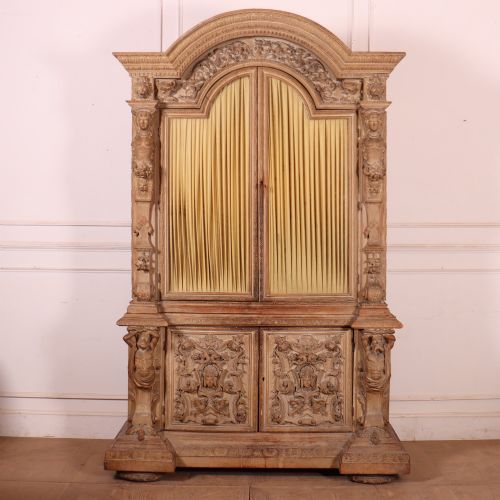


Carved Oak Caryatid
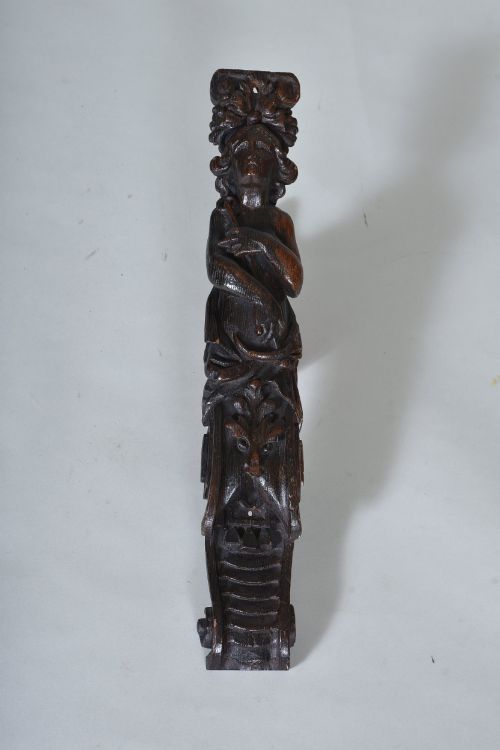
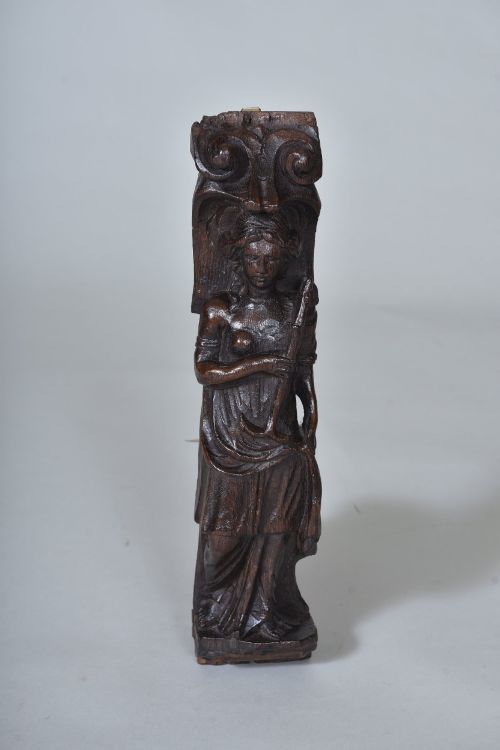
A carved oak caryatid brings architectural strength and classical human form together into your interior through centuries of skilled woodworking.
Carved Oak Caryatid
A carved oak caryatid functions as a sculptural support column taking the form of a human figure, often integrated into larger architectural woodwork or furniture. When you search for this phrase, you find examples originating from the sixteenth, seventeenth, eighteenth, and nineteenth centuries, alongside revival pieces from the Victorian era.
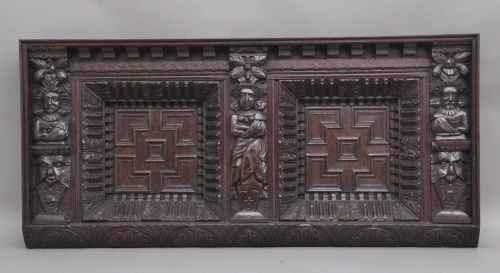
The versions you meet most frequently on this page take the form of seventeenth-century panels, pilasters, and architectural fragments originating from Flemish, English, and continental workshops. These figures frequently depict ladies, cherubs, saints, or mythological subjects with considerable depth of relief.
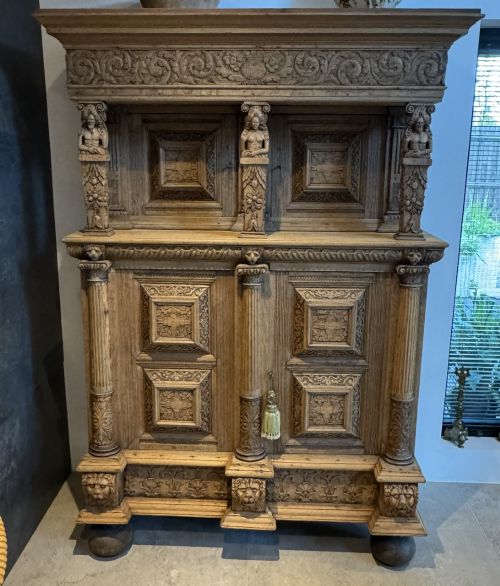
Beyond standalone panels and pilasters, the form appears on cabinets, overmantles, bookcases, and pedestals where human figures shoulder structural weight. Their survival in oak demonstrates how domestic and ecclesiastical interiors integrated classical motifs into heavy timber framing.
How they were made
Craftsmen carved these figures from solid timber using gouges, chisels, and mallets to achieve deep undercut relief within the grain of the wood. The primary material is oak, occasionally augmented with pigment or tooling leather on associated furniture components.
Makers shaped the timber while green or partially seasoned to ease the carving process before the wood settled into its permanent form. Surface finishing relied on hand-scraping and natural waxing rather than modern synthetic sealants.
Renaissance Revival and Flemish Baroque styles dominate the architectural carvings recorded in the archive.
What varies in quality
The definition and depth of the carving separate standard architectural salvage from exceptional sculptural work. Superior examples show anatomical precision in the hands, drapery, and facial expressions, whereas lesser pieces rely on mechanical repetition and shallow blocking.
The original context and degree of integration dictate the desirability of the piece, with intact pairs or complete pilasters holding greater architectural integrity than isolated fragments. The natural patina developed across centuries of handling also distinguishes untouched surfaces from later interventions.
The Carved Oak Caryatid Glossary
- Caryatid
- A sculptured female figure serving as an architectural support instead of a column or pilaster. The male equivalent is termed an atlas or telamon.
- Corbel
- A structural piece of stone or wood projecting from a wall to carry a weight. In this context, it frequently terminates in a carved head or torso.
- Term
- A pillar tapering downward, surmounted by a carved bust or figure. Originating in antiquity, this form appears frequently in sixteenth and seventeenth-century woodwork.
- Overmantle
- The decorative framework or panel situated directly above a fireplace opening. Carved figures and caryatids often frame the central mirror or painting within this structure.
Carved Oak Caryatid: Frequently Asked Questions
Where were caryatids placed?
These figures typically supported chimneypieces, doorframes, and heavy cabinetry within grand domestic or ecclesiastical interiors. Their placement combined structural utility with symbolic protection or display.
Over time, many were salvaged from demolished buildings and mounted directly onto walls as standalone decorative art panels.
How do I date a carved oak caryatid?
Dating relies on tool marks, the style of the carving, and the characteristics of the oak timber itself. Sixteenth and seventeenth-century pieces display robust, deep relief work influenced by Renaissance and Baroque pattern books.
Nineteenth-century revival pieces often reveal mechanical sawing marks on the reverse and crisper, less weathered edges compared to genuine early examples.
Can I hang a carved panel on the wall?
Many of these pieces function successfully as wall-mounted art when fitted with appropriate picture wire or concealed brackets. Their substantial weight requires secure fixing directly into wall studs or masonry.
Displaying them at eye level allows you to appreciate the fine chisel work and the rich patina of the aged oak.
What subjects do these figures represent?
Common subjects include classical deities, cherubs, putti, and allegorical figures representing virtues or musical arts. You also encounter specific historical or mythological characters such as Neptune or local green men.
Flemish and continental pieces frequently incorporate grotesque masks or winged terminals alongside human forms.