


Dark Oak Caryatid
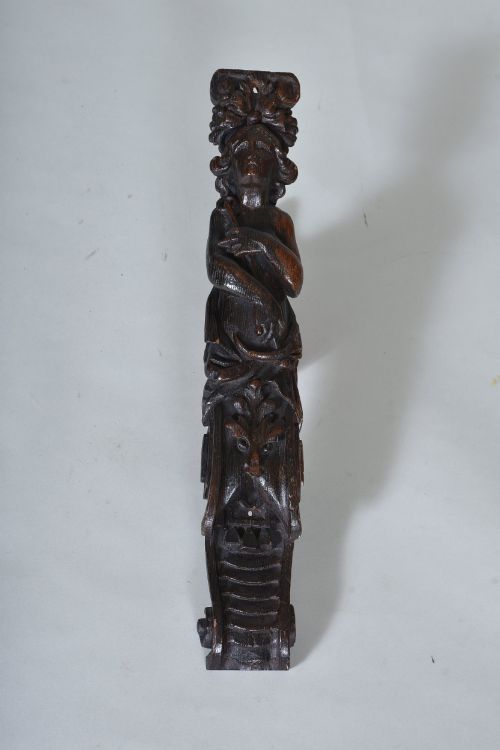
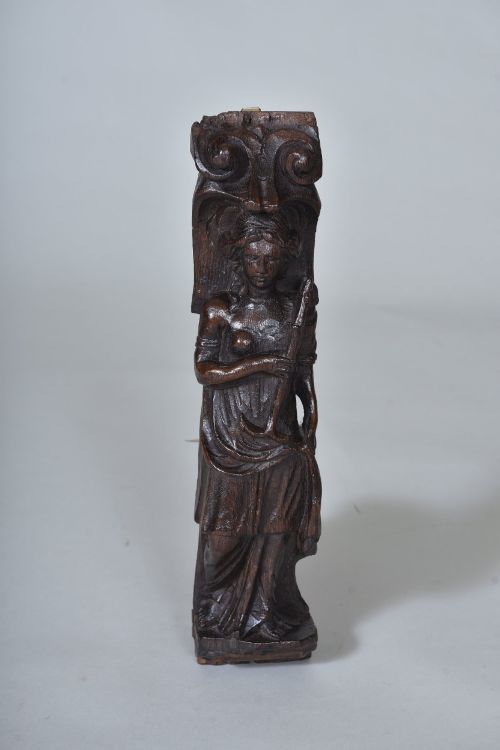
These dark oak caryatid pieces are sculptural supports taking human form, bringing classical architecture straight into domestic rooms.
Dark Oak Caryatid
When you search for dark oak caryatid items, you encounter carved wooden figures that double as structural or decorative pillars. These pieces range from individual architectural salvage and wood carvings to larger items like bookcases, pedestals, armchairs, and side cabinets.
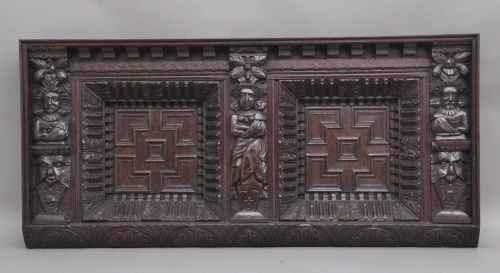
The versions you are most likely to meet on this page span the seventeenth century and the nineteenth century, reflecting both genuine early execution and later Renaissance Revival or Jacobean revivals. Figures appear as single architectural carvings, corbels, overmantles, and integrated furniture components.
Originating largely from Continental workshops, these carvings display distinct stylistic debts to Flemish Baroque, Italian Renaissance, and Flemish Renaissance traditions. Buyers encounter everything from solitary figures of ladies with folded arms to full pedestals and functional hall chairs.
What varies in quality
Integration between the structural support and the figurative carving dictates the overall success of the piece. Works where the caryatid flows naturally from the pedestal, overmantle, or furniture frame command greater visual presence.
Several seventeenth-century ladies keep their arms permanently folded, maintaining perfect posture through centuries of interior redesign.
The Dark Oak Caryatid Glossary
- Caryatid
- A sculpted female figure serving as an architectural support in place of a column or pilaster. These figures appear standalone or integrated into furniture and overmantles.
- Caquetoire
- A light sixteenth-century style armchair featuring a trapezoidal seat and a tall, narrow back. Nineteenth-century revivals frequently incorporate carved wooden figures into their framework.
- Corbel
- A structural piece of stone or wood projecting from a wall to carry a weight. Examples often take the form of carved human heads or full figures.
- Overmantle
- A decorative framework placed directly above a fireplace opening. Many incorporate panels, caryatids, and extensive architectural carvings.
Dark Oak Caryatid: Frequently Asked Questions
How do I date a carved oak caryatid?
Dating relies on examining tool marks, timber shrinkage, and stylistic indicators. Seventeenth-century pieces show distinct hand-chiselled surfaces and authentic period patination.
Nineteenth-century revivals often mimic earlier Jacobean and Flemish styles, using heavier proportions and machine-assisted or deeply mechanised joinery alongside older timber.
Where were these carvings originally placed?
Carved caryatids originally formed part of large architectural installations, monumental chimneypieces, doorframes, and panelled rooms. They provided both physical support and symbolic decoration.
Over time, many such figures were salvaged as architectural fragments or integrated into later cabinets, bookcases, and pedestals.
How do I care for dark oak furniture?
Maintain dark oak surfaces by applying occasional neutral beeswax to nourish the dry timber. Avoid placing carved wood pieces near direct heat sources or in fluctuating humidity.
Dust intricate carvings gently with a soft brush to prevent dirt accumulation in the deep recesses of the drapery and faces.