

Architectural Salvage Oak Panel
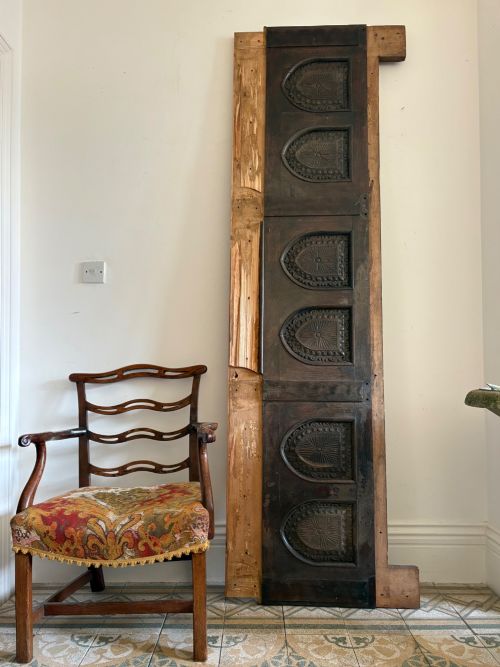
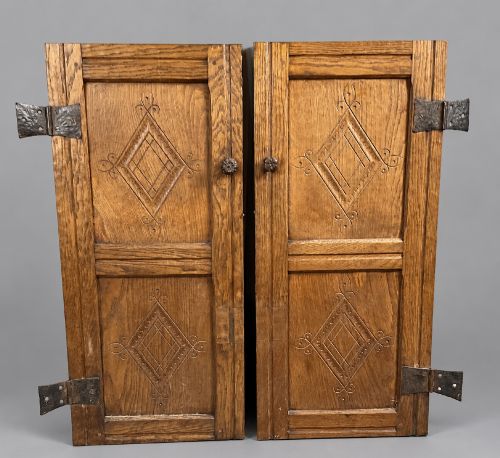
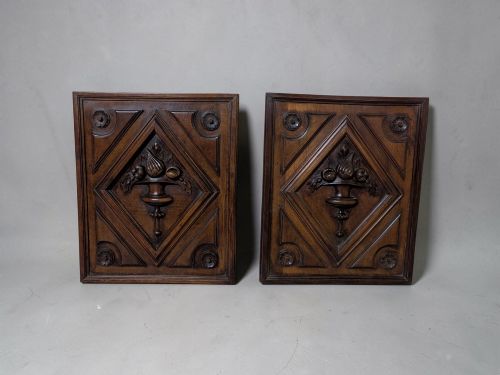
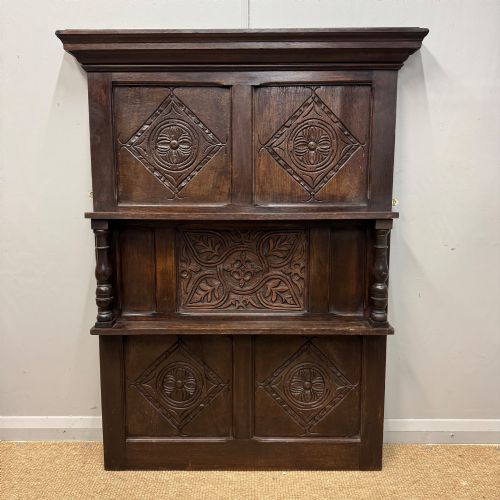
Architectural salvage oak panel pieces are historic carved fragments and doors used to anchor rooms in period style.
Architectural Salvage Oak Panel
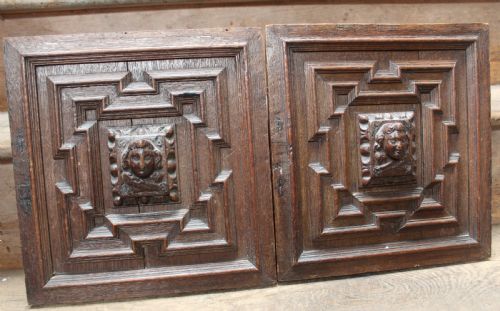
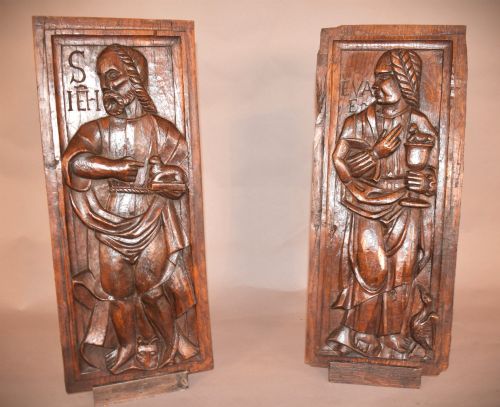
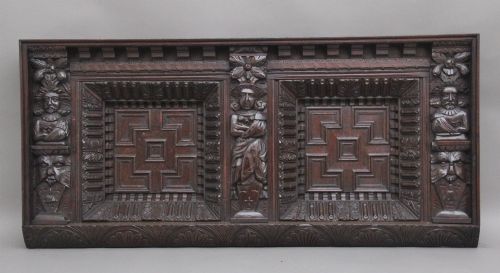
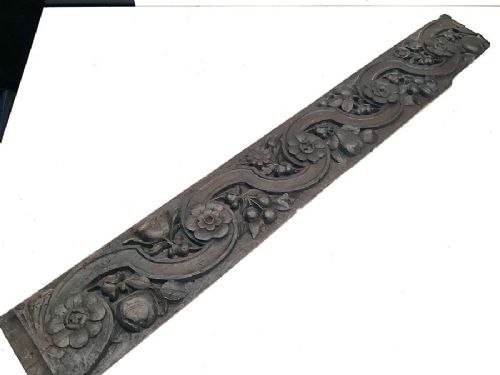
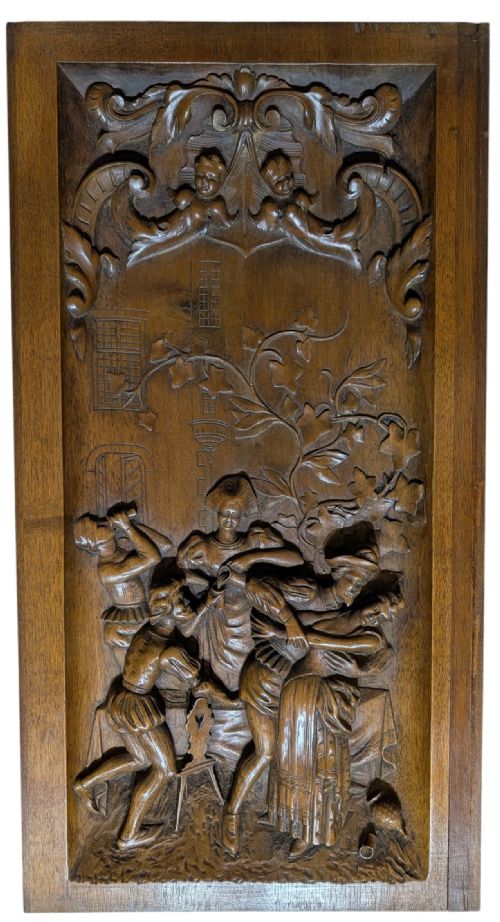
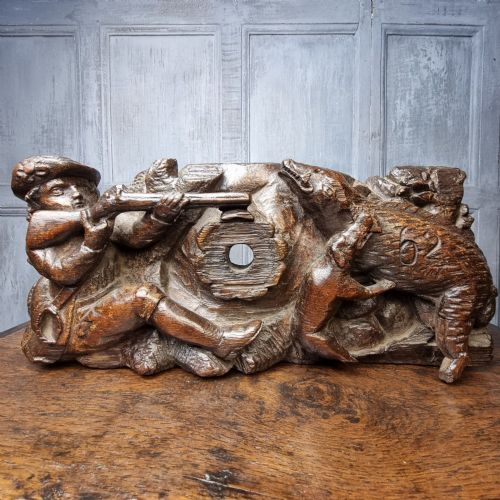
Architectural salvage oak panel items encompass historic elements ranging from pre-sixteenth century medieval fragments to nineteenth century gothic revival pieces. Buyers encounter wall panels, doors, overmantels, friezes, and ceiling bosses in these listings.
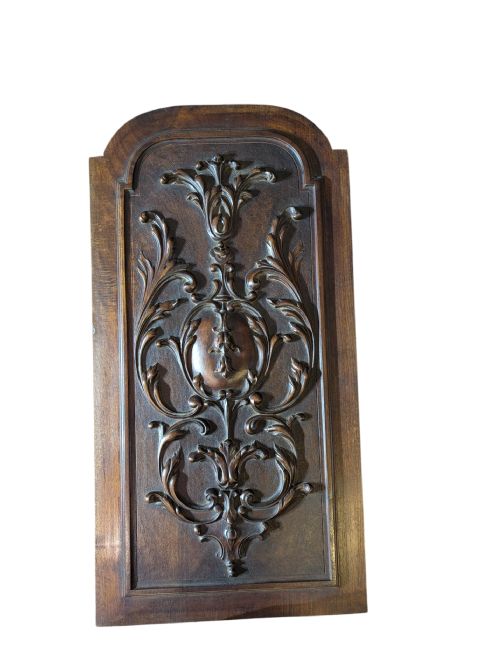
The material runs primarily to oak, accompanied by walnut, paint, leaf gilding, brass, and iron. Seventeenth century and nineteenth century pieces dominate the selection, showing styles from Jacobean and Tudor to baroque and French provincial.
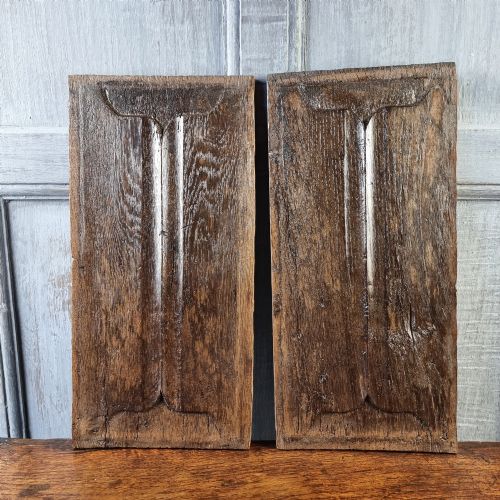
Forms include linenfold carvings, staircase panels, ceiling roses, and architectural carvings. Pieces originate from various regions including England, France, Scotland, Ireland, and the Low Countries.
How they were made
Makers utilised solid timber, predominantly oak and occasionally walnut, shaped by hand carving and joinery techniques suited to structural woodwork. Surface treatments include applied paint, leaf gilding, and scumbled finishes.
Metal elements such as brass and iron appear in structural or decorative hardware integrated into doors and panels. Carving methods range from deep relief figures and foliate ceiling bosses to flat parchment and linenfold folds.
Architectural Salvage Oak Panel Retail Price Guide 2026
Typical asking prices for architectural salvage oak panel among the pieces listed under this phrase on Sellingantiques today, from the lower quarter to the upper quarter. They describe what is for sale here now, not the wider market.
Listings feature periods spanning from pre-sixteenth century medieval fragments up to twentieth century rustic French doors.
What varies in quality
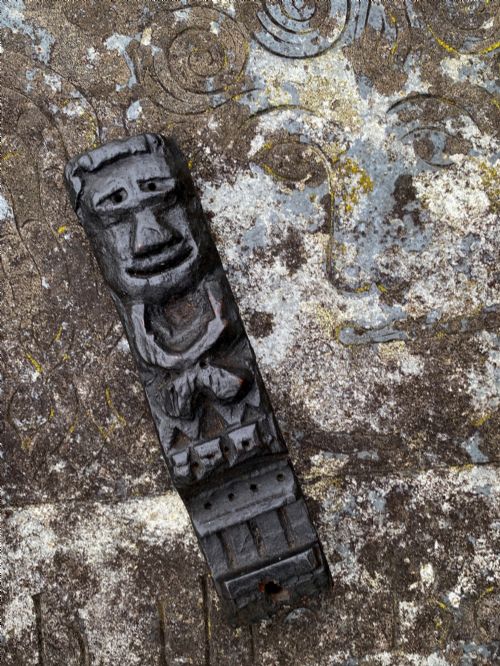
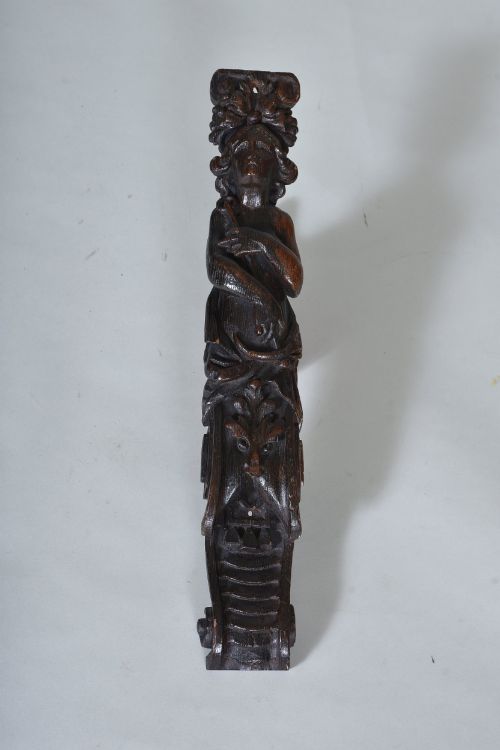
Quality rests in the crispness and depth of the hand carving, seen clearly in figural details such as caryatids, cherubs, and angels. Early sixteenth century and seventeenth century examples often display sharper tool work and greater sculptural ambition than later revivals.
The integrity of the timber and the preservation of original surface finishes, whether historic paint, gilding, or bare dark oak, determine the visual weight of the piece. Attribution to known workshops or carvers elevates specific items.
Edward Pearce
The Architectural Salvage Oak Panel Glossary
- Linenfold
- A style of wood panelling carved to resemble folded vertical sheets of linen. It is typical of fifteenth and sixteenth century joinery.
- Caryatid
- A carved architectural figure acting as a support column. These figures appear frequently in seventeenth century decorative woodwork.
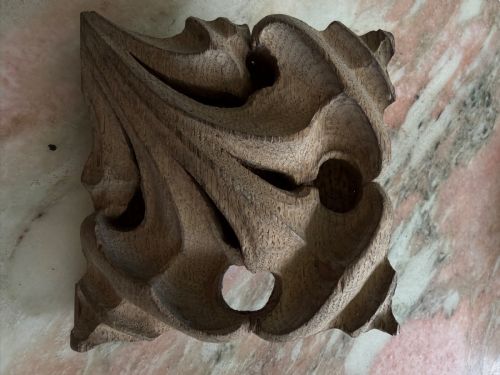
- Ceiling boss
- A decorative projecting block placed at the intersection of ceiling ribs. They often feature carved leaves, roses, or religious motifs.
- Parchemin
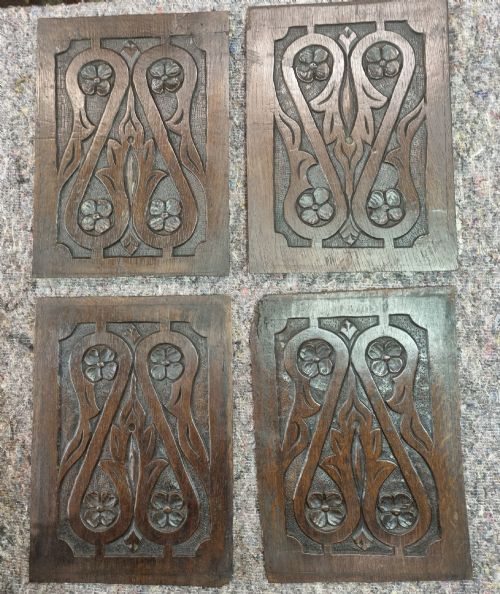
- A flat panel carved with low relief parchment scrolls. This design bridges medieval tracery and later renaissance panels.
- Scumbled
- A paint technique applied to simulate the grain of wood. It is found on nineteenth century utilitarian doors.
Architectural Salvage Oak Panel: Frequently Asked Questions
What is an architectural salvage oak panel?
These items are carved wooden elements rescued from historic buildings, churches, and chateaux. They include wall sections, doors, and decorative carvings.
Buyers mount them as wall art, integrate them into joinery, or use them as focal points above fireplaces.
How do I date an old oak panel?
Dating relies on the carving style, joinery methods, and the type of wood preparation. Sixteenth century pieces often feature medieval tracery or crisp linenfold.
Later nineteenth century gothic revival works emulate these forms but typically use machine assistance or display Victorian interpretations of earlier motifs.
Where were these carved panels placed originally?
Original locations ranged from church sanctuaries and grand staircase halls to domestic overmantels and ceilings. Ceiling bosses occupied structural intersections overhead.
Friezes ran below cornices, while linenfold and parchemin panels lined the walls of important chambers.
How should I care for historic oak wood?
Historic timber requires stable indoor humidity to prevent splitting or warping. Dusting with a dry, soft cloth maintains the surface.
Avoid modern liquid polishes, particularly on pieces retaining historic paint, gilding, or wax finishes.