

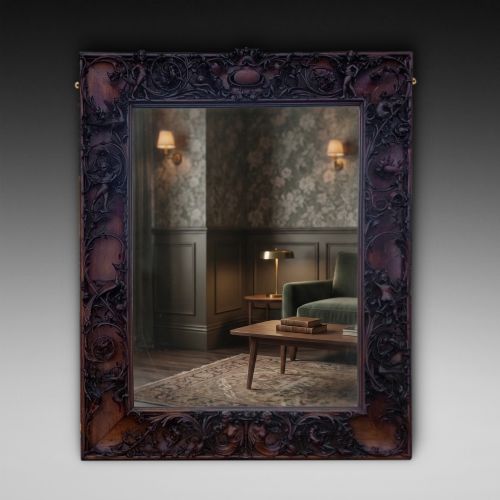
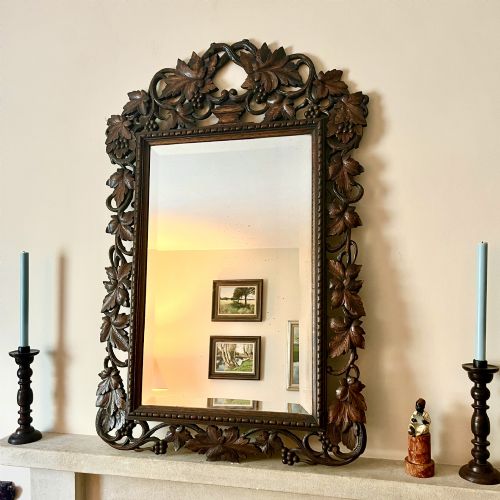
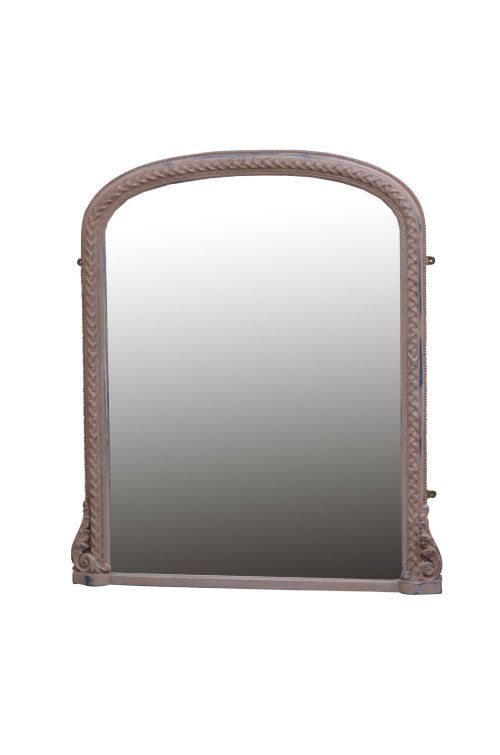
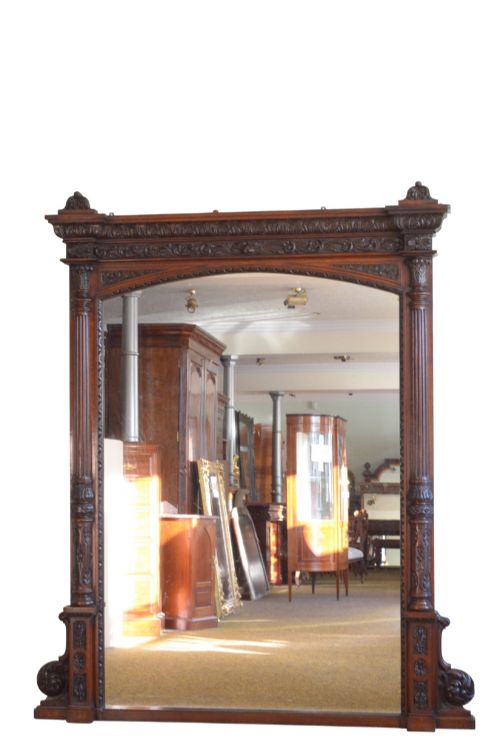
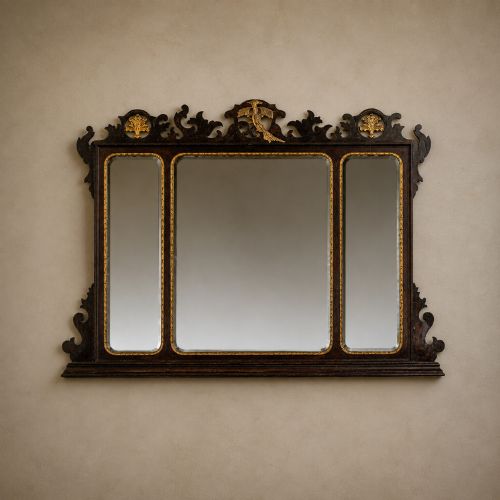
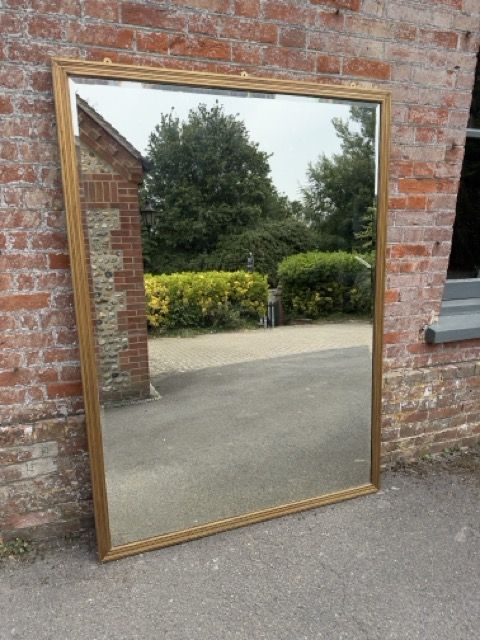
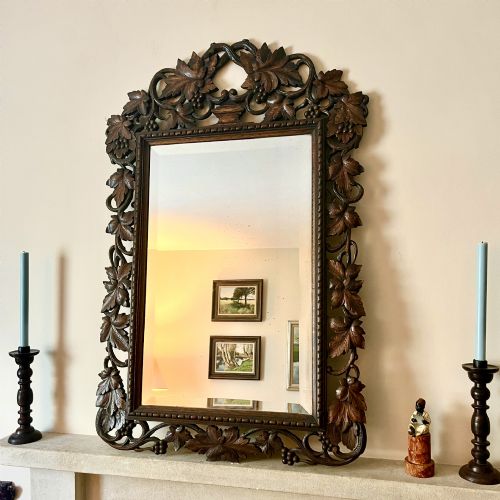
Carved Wooden Overmantel
A carved wooden overmantel anchors a fireplace with presence, bringing period craftsmanship and framing directly above the hearth.
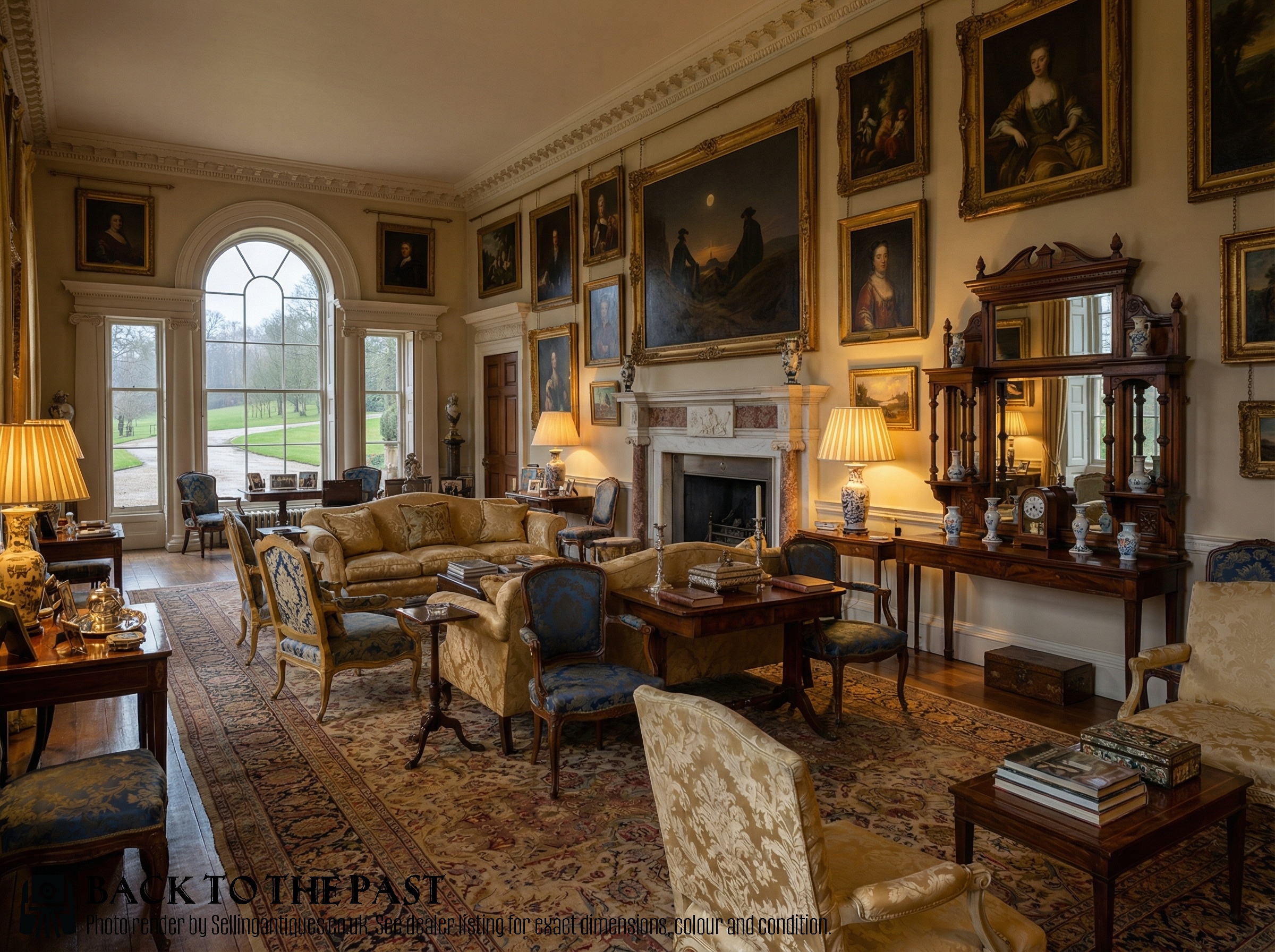
What a carved wooden overmantel is
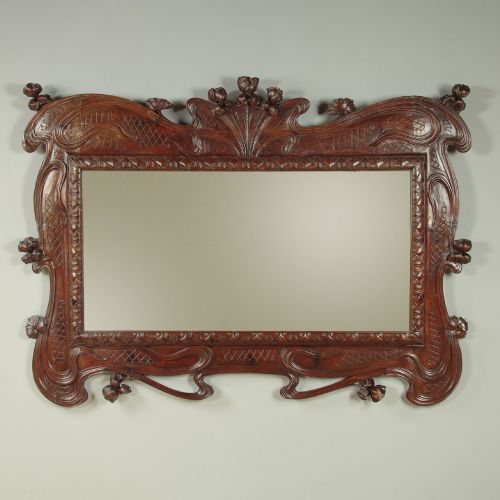
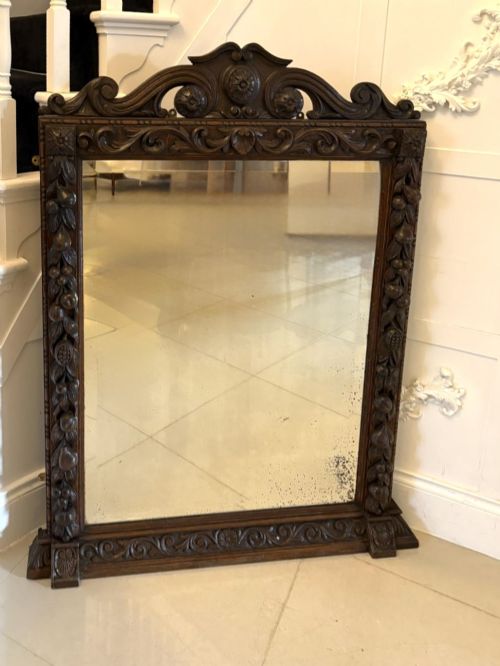
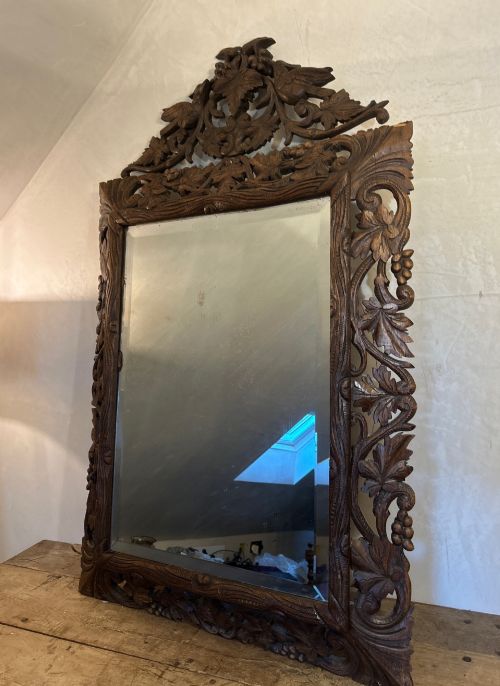
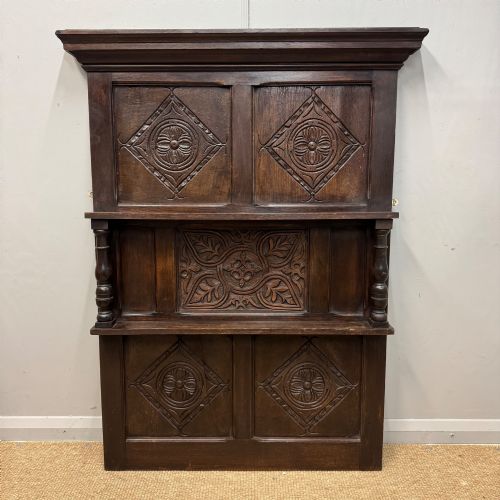
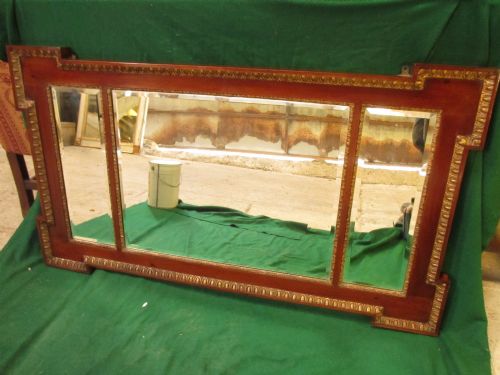
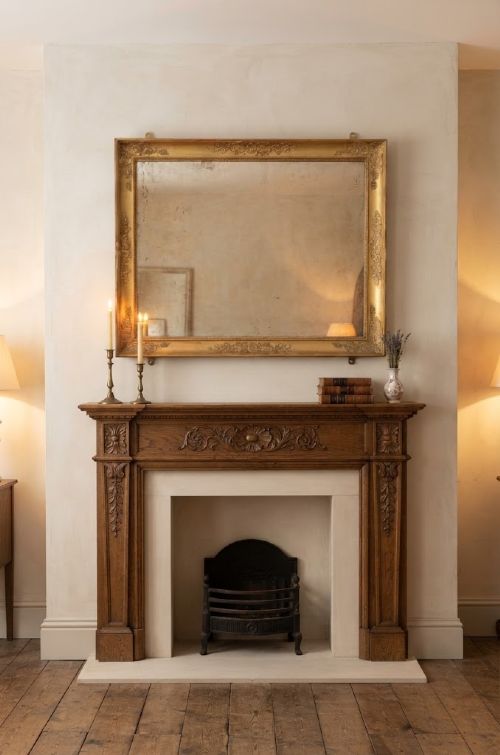
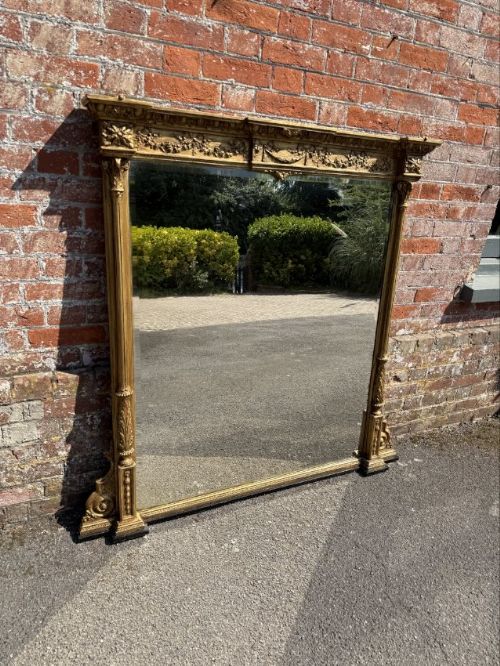
A carved wooden overmantel forms the architectural centrepiece placed directly above a fireplace, uniting the mantelpiece with the wall space above. These pieces range from substantial Victorian oak frames to intricate Edwardian rosewood designs.
The versions most commonly met on this page span the Victorian and Edwardian eras, frequently incorporating mirrors into their wooden structures. Oak and rosewood dominate the construction, often enhanced by inlay or carved detailing.
Earlier examples, including 17th century pieces and later adaptations, appear alongside architectural salvage elements. Each configuration serves to draw the eye upwards and define the proportions of a reception room.
Materials and construction
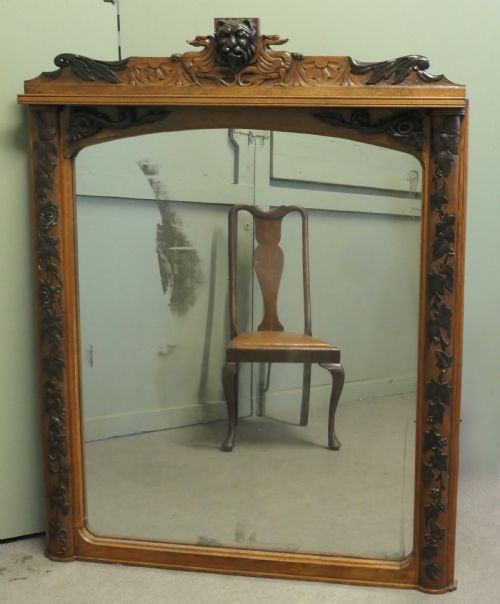
Makers utilised solid timbers such as oak and rosewood, applying hand carving to create relief ornament and architectural mouldings. Wood inlay and marquetry enrich the surfaces of later Edwardian examples.
Giltwood and gesso elements appear on framed sections, providing reflective contrast against the dark timber bases. Glass plates are integrated into mirror frames, secured behind wooden rebates.
Retail Price Guide 2026
Typical UK retail prices for carved wooden overmantel, calculated from the Sellingantiques database of over a million retail prices indexed since 2003. This retail price guide relies exclusively on Sellingantiques data; no external sources or auction records are used, so the figures do not describe the wider market.
Listings feature periods spanning from the seventeenth century through to the Edwardian era, constructed in oak, rosewood, and giltwood.
Judging quality in a carved wooden overmantel
Depth and crispness of the hand carving separate standard production from superior work. Sharp undercutting and confident relief indicate a skilled hand, whereas softer, rounded edges suggest mechanised or hurried execution.
Integration of materials also marks the division in quality. The careful alignment of wood inlay and the cohesive application of gesso upon carved wooden foundations reveal the maker's discipline.
The Carved Wooden Overmantel Glossary
- Overmantel
- A mirror or decorative structure designed to sit directly upon a mantelpiece. It frames the hearth space below.
- Gesso
- A plaster-like material applied to wood as a base for gilding or painting. It accepts fine detail before the application of gold leaf.
- Marquetry
- The art of applying pieces of veneer to a structure to form decorative patterns. It defines the surface of many Edwardian pieces.
Frequently Asked Questions
How do I hang a heavy wooden overmantel?
These pieces require secure anchoring directly into structural wall studs or masonry using heavy-duty brackets. Professional installation ensures the substantial weight of the timber and glass is safely distributed.
Weight distribution must be calculated carefully before mounting above a fireplace. The mantel itself rarely supports the entire load without wall fixings.
How should I clean carved oak woodwork?
Dust regularly with a dry, soft cloth to prevent particles settling in the deep recesses of the carving. Avoid chemical polishes that build up in the grain over time.
Feed the timber occasionally with a traditional wax to maintain the natural lustre of the surface. Moisture should be kept away from both the wood and any integrated mirror plates.
Can an overmantel be placed without a fireplace?
Yes, these frames function effectively as wall mirrors or decorative architectural elements within a room. Their proportions add depth and focus to an empty wall space.
Mounting the frame at standard mantel height maintains the intended visual balance. The architectural detailing provides a focal point similar to a structural hearth.
What defines an Edwardian overmantel?
Edwardian examples often feature lighter timbers like rosewood combined with marquetry and detailed wood inlay. The overall aesthetic tends towards refined elegance compared to heavier Victorian forms.
Proportions became somewhat smaller in many Edwardian designs to suit more domestic room scales. Craftsmanship during this period emphasised botanical motifs and geometric veneer work.